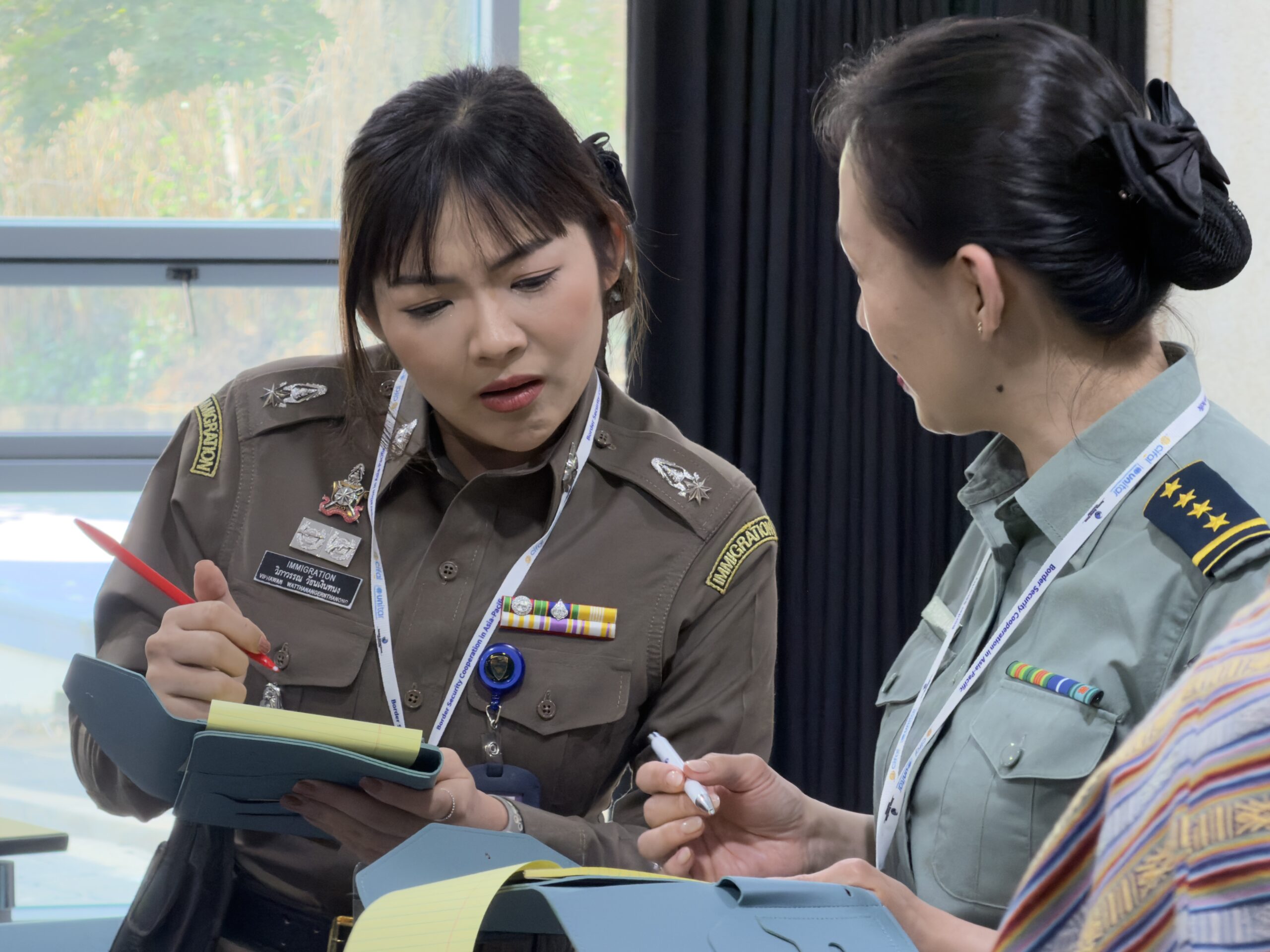
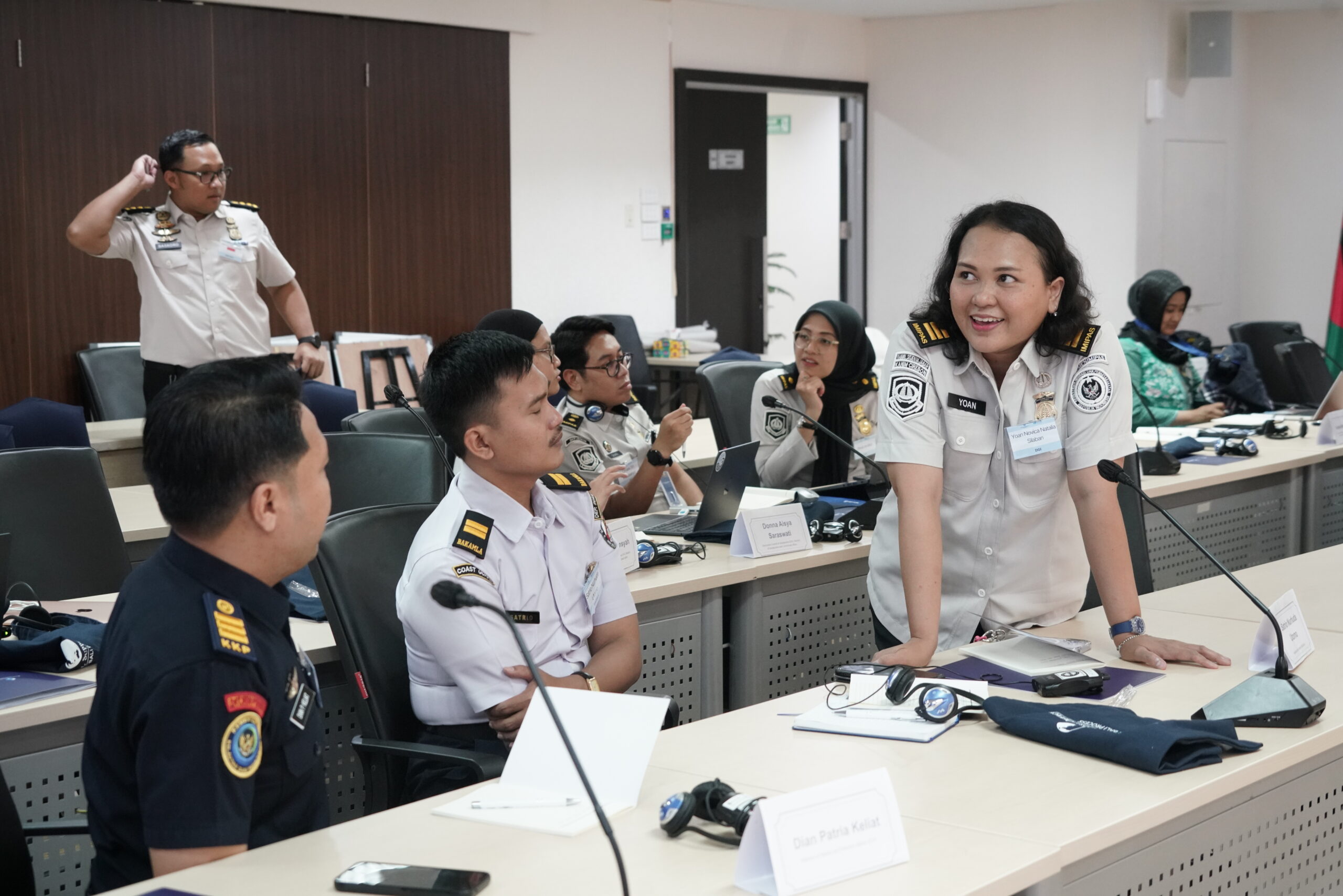
The RSO, in partnership with the NEXUS Institute and ASEAN-USAID PROSPECT, co-hosted a Thematic Dialogue on Enhancing trafficking victim access to protection, immediate support and reintegration services for practitioners across the ASEAN region on 15 December 2022. A brief from the event is available here.
The virtual dialogue drew on tools co-developed by the NEXUS Institute and RSO in our Practitioner Guide Series, to explore different challenges that service providers and practitioners face in providing protection and services after trafficking:
- Key features of trafficking victim protection, immediate support and reintegration
- Challenges in accessing or providing services to trafficking victims
- Lessons learned and good practices in addressing barriers to accessing assistance.
The session introduced the pilot model of a new tool developed to support practitioners: How to Develop a Directory of Services for Trafficking Victims – to help ensure victims of trafficking are given the information they need to access protection, immediate support and reintegration services.
Second thematic dialogue
This second thematic dialogue, presented by Rebecca Surtees and Laura S. Johnson of the NEXUS Institute, focused on enhancing trafficking victim access to protection, support and reintegration services through the development of a Directory of Services for Trafficking Victims. The first part of the dialogue outlined what constitutes trafficking victim protection, support and reintegration and the different challenges that trafficking victims face in accessing and accepting protection and services. Practitioners then shared their own experiences of these challenges and barriers from their day-to-day work.
The second part of the dialogue discussed a Directory of Services for Trafficking Victims as a strategy to overcome these challenges and to ensure that victims have the information that they need to access protection, support and reintegration services. The NEXUS Institute and RSO shared their recently published toolkit on How to Develop a Directory of Services for Trafficking Victims and discussed with participants possible implementation and adaptation in their work settings and country contexts. Practitioners from ASEAN member states participated in the dialogue and shared their experiences and expertise on how to enhance trafficking victims’ access to protection and services.
From working with both practitioners and victims of trafficking, we know that often, victims may not even realise they are trafficking victims, or about their rights or how to access help. Victims may often be uncomfortable or intimidated to ask for help, and may hold distrust of authorities. As one participant noted, “there are substantial barriers for victims of #TraffickinginPersons to access to assistance services, trust is one of them”.
Culturally-appropriate information and victim-centered support to safely access services and assistance and to restore livelihoods are key measures to enhance the protection and reintegration of trafficking victims.

A brief capturing the salient takeaways from the dialogue can also be found here.
The RSO invites Bali Process Member States to reach out for technical assistance on addressing the needs of trafficking victims and sustainable reintegration.
Learn more about the joint RSO and Nexus project Improving the Identification, Protection and Reintegration of Trafficking Victims in Asia here. In the context of this project, NEXUS and the RSO have developed and published the following tools and resources for practitioners (available in English, Bahasa Indonesian, Malaysian, Vietnamese, and Thai):


Trafficking Victim Identification: A Practitioner Guide (2021)
Victim identification is the process by which an individual is identified as a trafficking victim, which, in turn, entitles them to rights and protections. While formal identification should lead to and facilitate the opportunity for a victim to be referred for assistance, this does not always occur in practice. Some trafficking victims are not identified and assisted by frontline responders and practitioners. Other victims decline to be identified and assisted. Still other victims may be formally identified but not referred for assistance or may be forced to accept assistance. This practitioner guide reviews existing research on victim identification (and non-identification), touching on why some victims are (and are not) identified, challenges in the identification process and practices that may enhance victim identification.
Trafficking Victim Protection and Support: A Practitioner Guide (2021)
Victims of trafficking are entitled to, and should receive, immediate protection from their exploiters and from the possibility of further harm, including the risk of re-trafficking. They should receive support to meet their immediate needs and ensure their well-being, irrespective of their willingness to participate in criminal justice procedures, protection from detention and prosecution and the right to privacy. This practitioner guide reviews existing research on the protection and support of trafficking victims in Asia, both in terms of what exists and what challenges arise in the provision of protection and support.
Recovery and Reintegration of Trafficking Victims: A Practitioner Guide (2021)
Recovery and reintegration is a complex and costly undertaking, often requiring a full and diverse set of services for victims (and sometimes their families), who themselves have widely differing short- and long-term physical, psychological, social and economic needs. Once the immediate needs of trafficked persons have been met, many victims require further assistance to reintegrate into their families and communities (e.g. vocational training, economic support, long-term access to healthcare, counseling, education, family mediation). Some assistance needs are a consequence of trafficking while others may be linked to vulnerabilities that existed before victims were trafficked as well as issues that have arisen in victims’ lives after trafficking. Because successful reintegration can take years to achieve, reintegration services must be available in the long-term and include follow-up and case management. This practitioner guide reviews and synthesizes existing research on recovery and reintegration of trafficking victims including barriers and challenges in the reintegration process as well as opportunities and entry points for supporting sustainable reintegration.
Special and Additional Measures for Child Trafficking Victims: A Practitioner Guide (2021)
The ASEAN Trafficking Convention (ACTIP) explicitly recognizes that child victims have special needs and that appropriate measures are needed to ensure the safety and well-being of child victims, from identification to the securing of a durable solution involving longer-term support. Care and protection must be made available on an equal and non-discriminatory basis with no distinction between child nationals and child non-nationals. Special attention should be paid to assessing and meeting the requirements of children with special needs such as the very young, those with disabilities and those who have suffered severe exploitation and abuse. This practitioner guide reviews existing research on the specific needs and experiences of trafficked children as well as measures in place and challenges faced to protect them. Based on this analysis, practitioners will be guided to a deeper understanding of how to more effectively address the critical issues that arise in implementing special and additional measures for trafficked children.
[i] Surtees, R. (2007) Listening to victims: Experiences of identification, return and assistance in South-Eastern Europe. Vienna: ICMPD and Washington, D.C.: NEXUS Institute, p. 74.