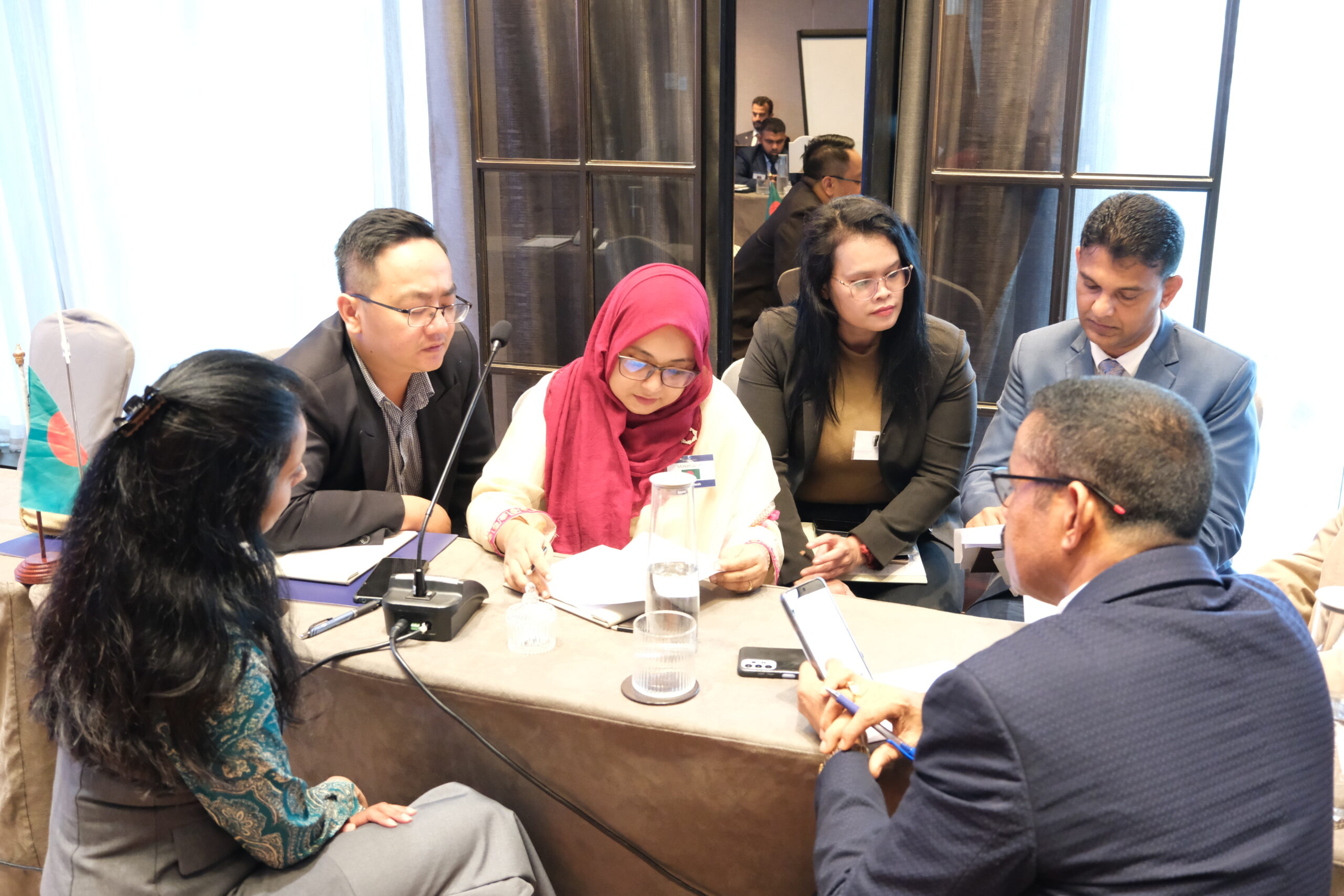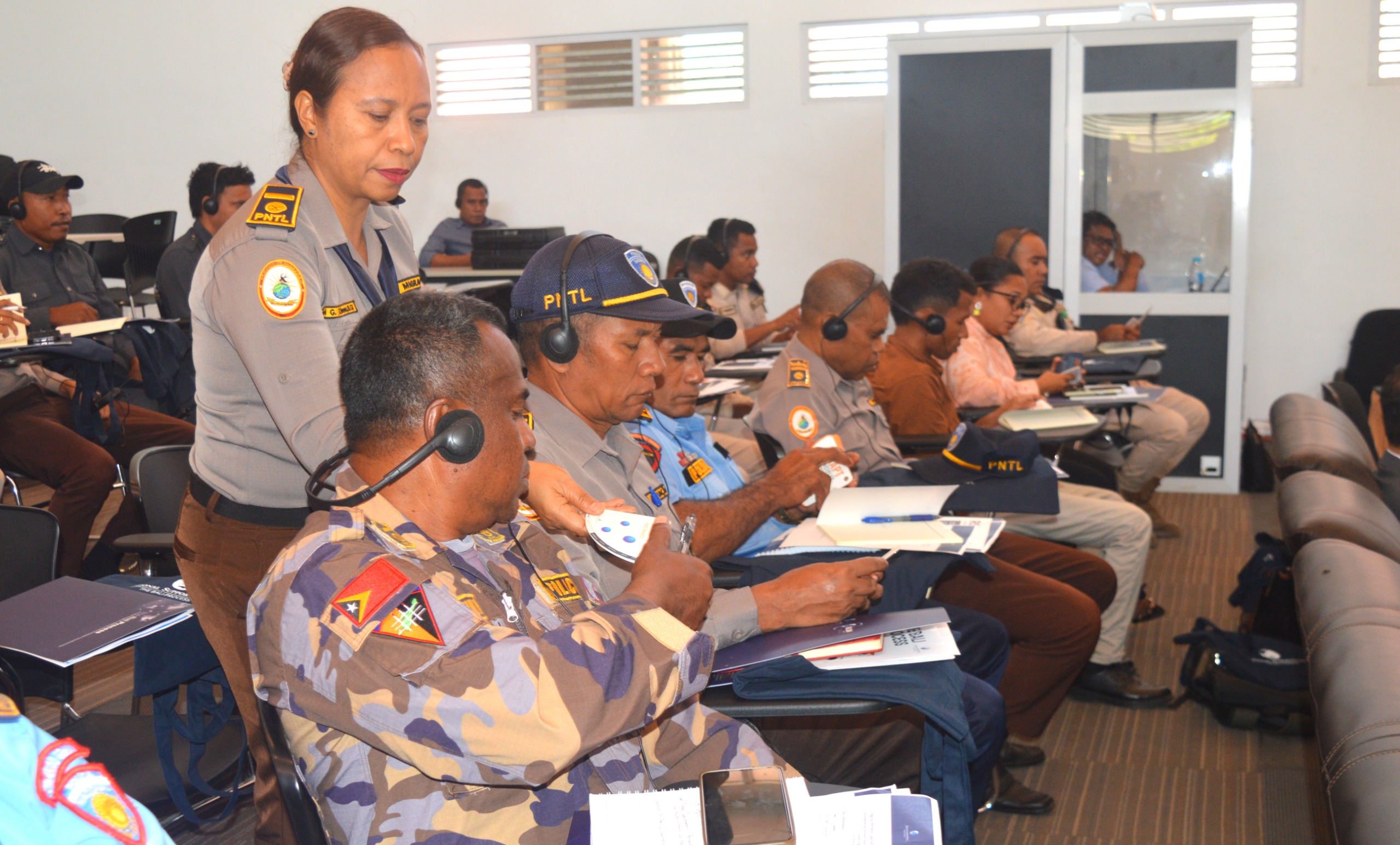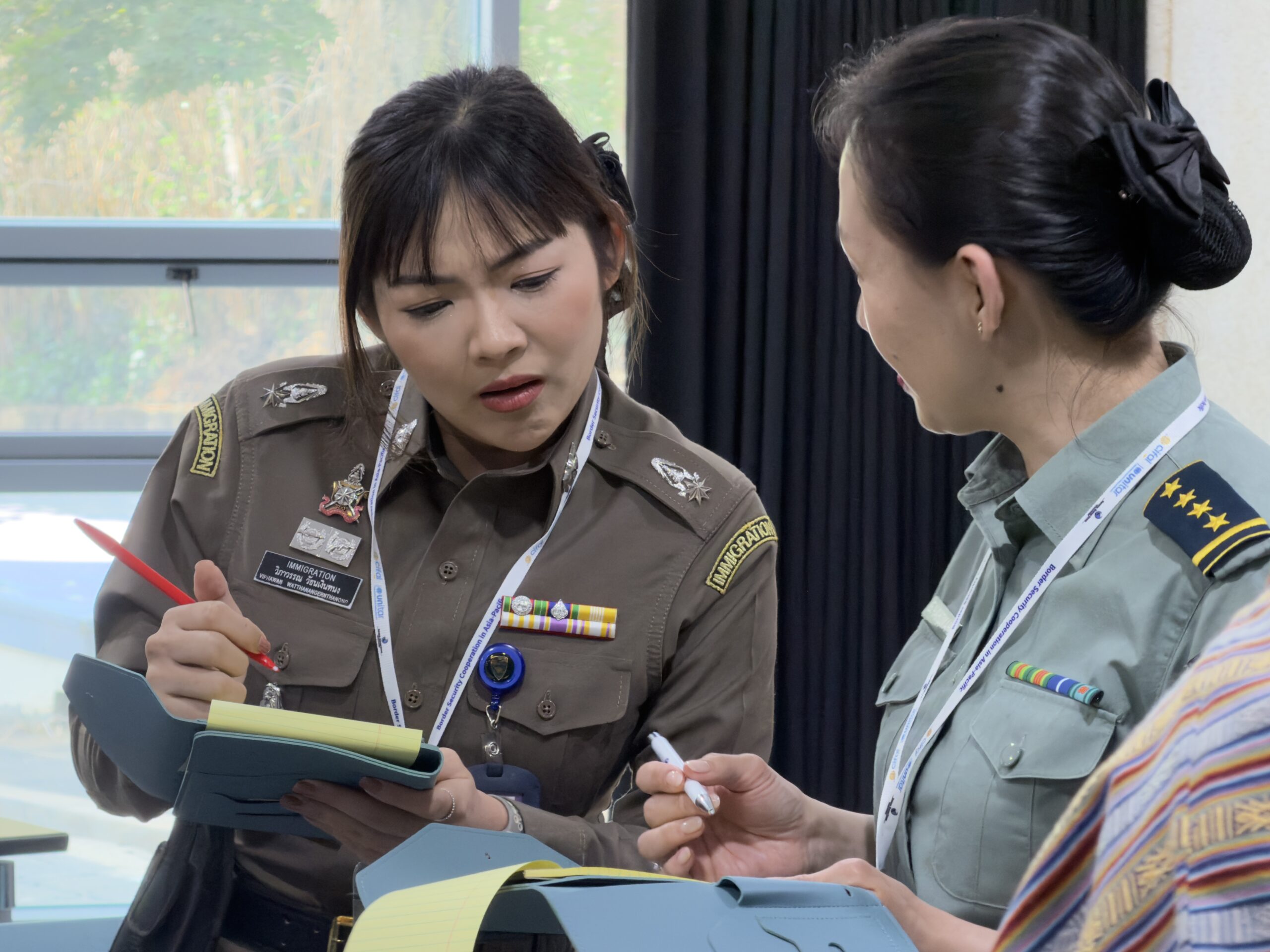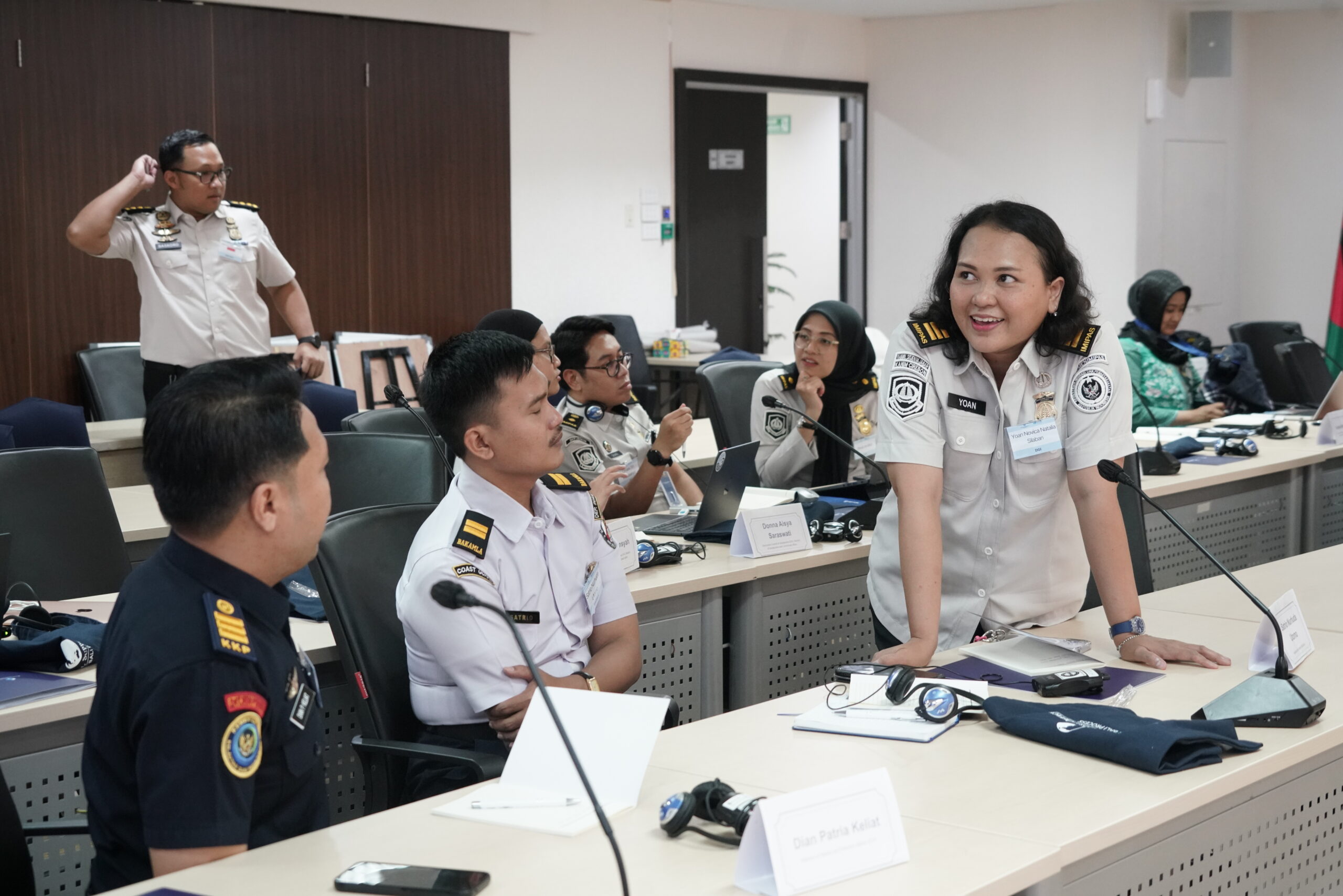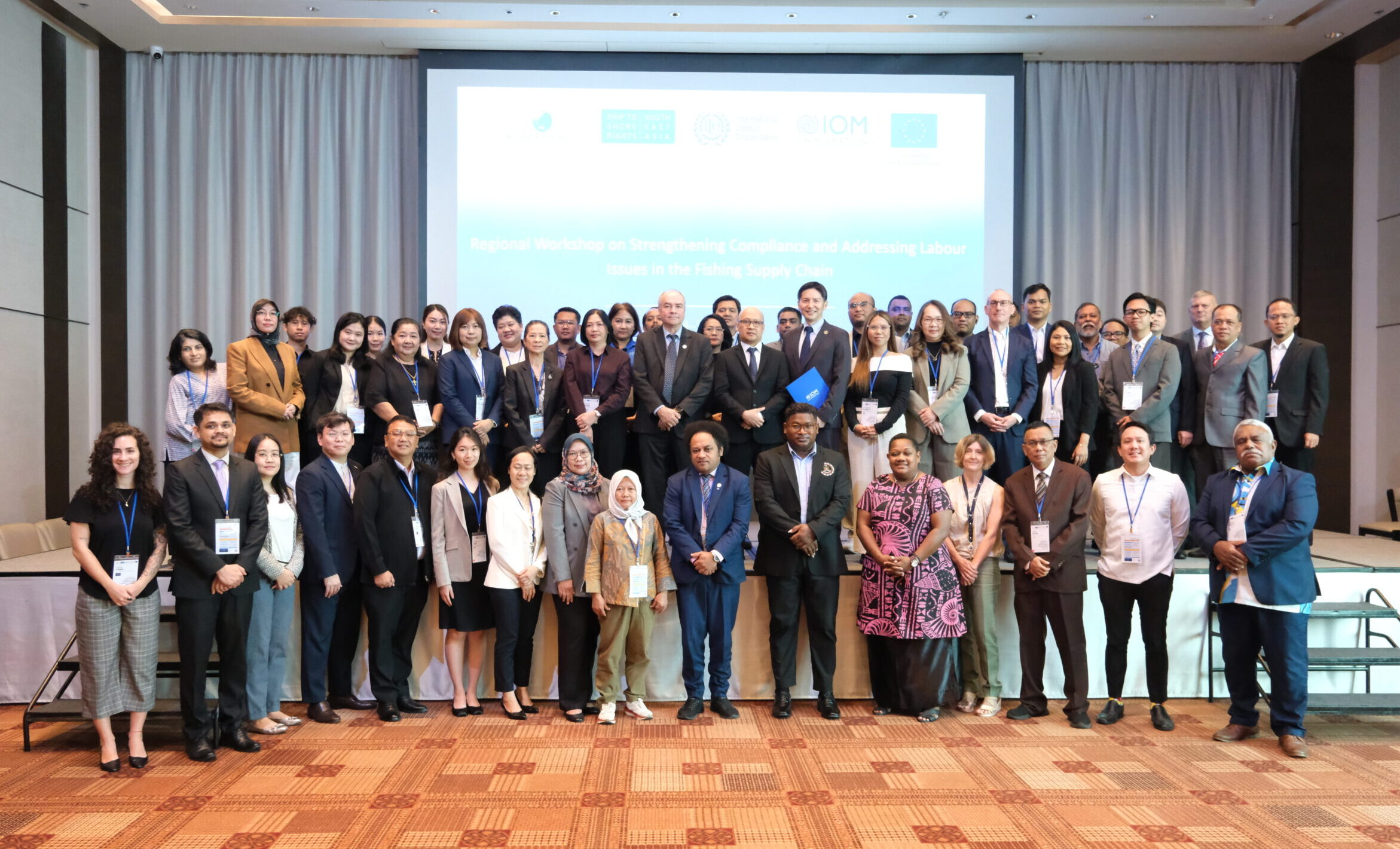

 The Regional Support Office of the Bali Process (RSO) and the Philippines Inter-Agency Council Against Trafficking (IACAT) brought together more than 60 delegates from eight countries, civil society organisations, academia, international organisations, and the private sector, to propose tech-based strategies for preventing trafficking in persons, smuggling of migrants and related transnational crime.
The event provided a platform for participants to learn about innovative technology-based solutions, exchange best practices, identify areas for increased cooperation, and formulate policy recommendations addressing the challenges and opportunities presented by technology.
A priority that ran throughout the Roundtable was how Member States could effectively harness the power of new technologies while also guarding against their misuse. .
“It is crucial for us to recognise that the use of technology is inherently a two-sided issue. Criminal networks are ready and equipped to exploit technology to commit crimes, operating without the same regulations that govern us and often outpacing governments’ capacity to adapt. The growing application of technology by criminal networks raises questions about our preparedness and ability to pre-empt their actions effectively,” said Evan Jones, Programme Coordinator for the Bali Process Regional Support Office.
“Our discussions must be proactive in foreseeing how technology will be used by transnational organised crime, anticipating their strategies, and developing countermeasures.”
Throughout the Roundtable, discussions centred around the dual nature of technology. As criminals utilise technology to commit crimes, it becomes increasingly important for law enforcement and governments to harness technology to combat trafficking and smuggling.
Examples of how technology could be harnessed by government and regional agencies ranged from the presentation of a mobile phone app developed by MAST Human which supports migrant workers to notify authorities about exploitation taking place on fishing boats, to Migrasia’s use of AI chatbots to provide resources and information about safe and legal migration routes and mitigate instances of trafficking, and a presentation of the Organization for Security and Co-operation in Europe’s use of open-source intelligence and machine learning tools that can collect data to recognise potential trends or patterns to help to identify victims and perpetrators of trafficking in persons and smuggling of migrants.
The RSO also presented on the RSO and UNHCR Screening and Referral App, which aims to support law enforcement and border and immigration officials to more effectively communicate with potentially vulnerable migrants and victims of trafficking at border stations, to ensure victims of trafficking are identified and referred for support and protection.
Discussions also centred around the threats, and the opportunities, posed by AI. Delegates discussed the vast potential for misuse of AI by criminal networks, which would enable more sophisticated crimes with greater rewards, fewer risks, and more anonymity.
AI can of course also be harnessed to counter these activities – and an eye-opening presentation from CyberSecurity Malaysia highlighted some examples, including how language models can already detect patterns of communication between traffickers and flag these for law enforcement, and how AI can be used to track patterns of movement and behaviour from traffickers and their victims at high-risk locations like airports.
Whilst AI technologies can also be leveraged by governments and law enforcement and border agencies, delegates discussed ethical concerns including data privacy infringement, algorithmic biases, and lack of AI-focused regulatory frameworks.
Technology has had implications for the roles men and women play in organised crime, especially in the approaches they use to recruiting victims in increasingly digital spaces.
The Australia Institute of Criminology presented on how the recruitment of victims is increasingly shifting online and highlighted the need for a better understanding of how male and female perpetrators recruit and exploit victims in these online spaces.
UN Women highlighted that currently many forms of AI can disproportionately and negatively affect already marginalised groups. Attendees agreed that progressing technology-focused regulation and policies will be crucial for governments and must include gendered and inclusive approaches.
“The emergence of new technologies is adding new layers of complexities to the already multifaceted problems of trafficking in persons and smuggling of migrants,” said Ryan Winch, RSO Transnational Crime and Technology Programme Manager.
“As the digital landscape evolves and new technologies continue to develop, meetings like the Roundtable are crucial to ensure a broad range of stakeholders understand and analyse the implications of using technology in the context of trafficking in persons and smuggling of migrants. The RSO looks forward to continuing to support a technology-focused coordinated response through roundtables and dialogues such as this one.”
For more information on trafficking into online scam centres, see the RSO’s policy brief “Trapped in Deceit: Responding to the Trafficking in Persons Fuelling the Expansion of Southeast Asia’s Online Scam Centres”
For more information, please contact info@rso.baliprocess.net