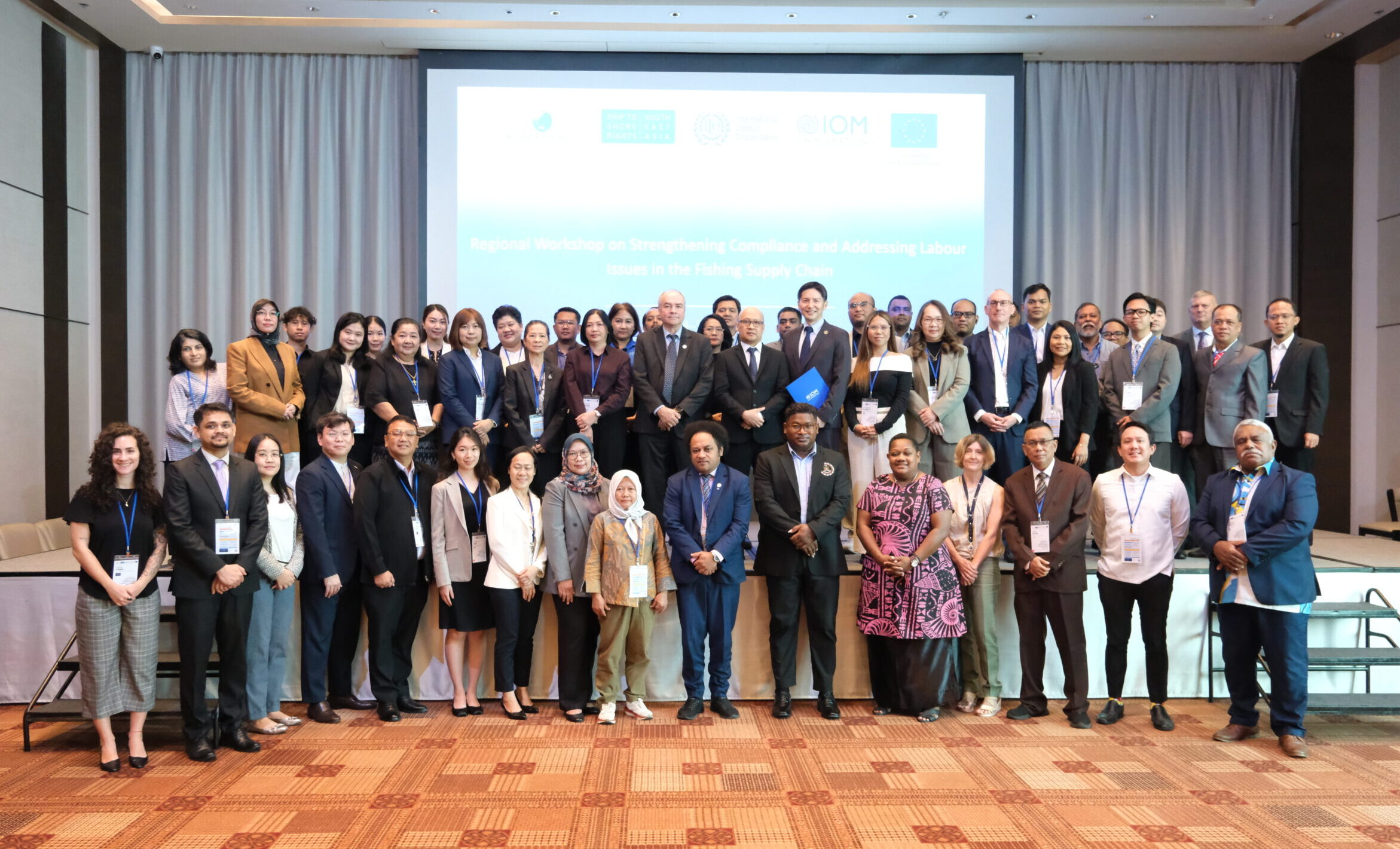

Trafficking in persons and people smuggling could not occur at its current scale in the Bali Process region without corruption as a key facilitator. The Regional Support Office of the Bali Process (RSO) and United Nations Office on Drugs and Crime (UNODC) Regional Conference on Corruption concluded a series of six national roundtables held across Asia and the Pacific, bringing together 100 delegates from government, the private sector, civil society, the media and academia.
The regional conference, hosted by the RSO, UNODC and the Office of the National Anti-Corruption Commission of Thailand, built upon foundational discussions from national roundtables held in Viet Nam, Malaysia, Indonesia, the Philippines, Sri Lanka, Thailand and the Pacific Islands.
The discussions were supported by findings from the UNODC-RSO 2021 joint publication Corruption as a Facilitator of Smuggling of Migrants and Trafficking in Persons in the Bali Process Region with a focus on South East Asia.
This report highlights how corruption takes place at every step in facilitating trafficking in persons and people smuggling activity—from recruitment of smuggled migrants and victims of trafficking, to the production and procurement of fraudulent documents, to enabling entry at land and maritime borders and in airports, and in actively preventing investigations. Concerted efforts are critical to continue to bring the issue forward.
In opening remarks to the conference, David Scott, RSO Co-Manager (Australia), highlighted that: “Addressing corruption is not a quick fix, it will take sustained work and effort from everyone in this room and across agencies of Government from Bali Process Member States. We need to be providing resources to those actively combatting corruption and empowering legislation to actively criminalise corruption.”
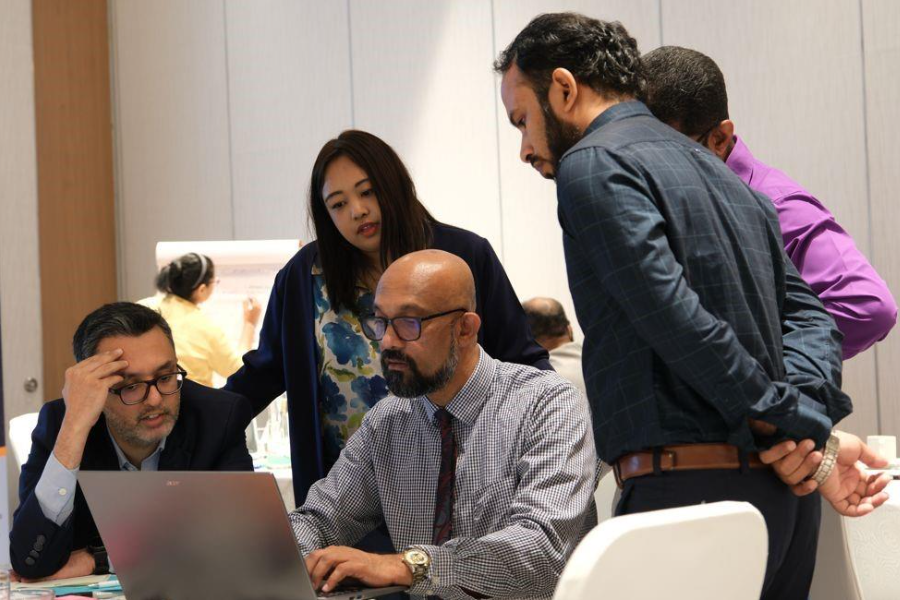
Discussions emphasised the need for cross-country and cross-sectoral approaches to address corruption, recognising its facilitation across borders and industries. Solutions were identified as requiring strategic collaboration across governments, the private sector, civil society organisations, and the media. From the conference discussions several key promising practices emerged.
Governments, as central actors, are instrumental in addressing corruption, trafficking in persons, and people smuggling. Delegates discussed the benefits that would result from the creation of more opportunities for labour migration through regular routes, by enhancing opportunities and policies in both origin and destination countries.
In parallel, there were calls for harmonising legislation and policies, reducing the current gap between trafficking and corruption laws. For example, ensuring anti-corruption policies also include reference to corruption as a facilitator of trafficking, smuggling and transnational organised crime can make the implementation of policies more holistic. Multi-stakeholder task forces with anti-corruption and trafficking practitioners, propelled by high-level political commitment, could support in accelerating the revision and harmonisation of laws.
Simultaneously, reinforcing feedback and protection mechanisms, inclusive of victim and whistleblower safeguards, should be strengthened. Transparent reporting of anti-corruption progress, coupled with collaborative efforts, could also stand as a promising deterrent for corruption.

The private sector plays a crucial role in efforts to counter corruption and trafficking in persons. Policies and legislation must rigorously regulate financial institutions, embedding formal safeguarding procedures and robust enforcement. This could feature the inclusion of due diligence practices and regulatory bodies for corruption within the conditions for financial support or loans. Ensuring there are whistleblower protections along with due diligence to monitor modern slavery in private sector supply chains was also identified as a promising practice.
Corporate responsibility measures, such as appointing officers for oversight and incorporating due diligence efforts into licensing and audits, could also be beneficial. Large companies can also contribute by improving corporate social responsibility and reporting requirements within their subsidiaries.
Civil society, media, and academia play a critical role in shaping narratives and public awareness. Quality reporting, based on evidence, can inform policymaking and amplify community voices, especially those at risk.
The media specifically has an important role in reporting known corruption. Stronger protections for journalists are therefore imperative to ensuring media can continue to report safely. Information sharing between media, civil society, and government can also support anti-corruption legislation and practices.
Participants identified the need for continued discussion on corruption as a facilitator of trafficking, smuggling and related transnational crime. Participants recognised the need for continued work towards creating opportunities and pathways for safe and legal migration and, in parallel, strengthening legislation to holistically address corruption, trafficking, smuggling and transnational organised crime.