
About the course
Through the lens of key international frameworks, this curriculum provides an introduction to core concepts of trafficking in persons (TIP). By highlighting the distinctions between trafficking in persons and smuggling of migrants, participants examine the roles of relevant authorities in prevention, victim support, investigation, and cross-border cooperation.
By the end of the training, participants will better understand both criminal justice and protection aspects of trafficking in persons, as well as the basic elements of TIP cases, relevant legal and institutional responses, and apply practical considerations to identify, investigate, and respond appropriately to trafficking situations.
Learning Objectives
- Support institutional capacity building by introducing key concepts, patterns, and forms of trafficking in persons.
- Strengthen the ability to recognise diverse migrant profiles and potential vulnerabilities.
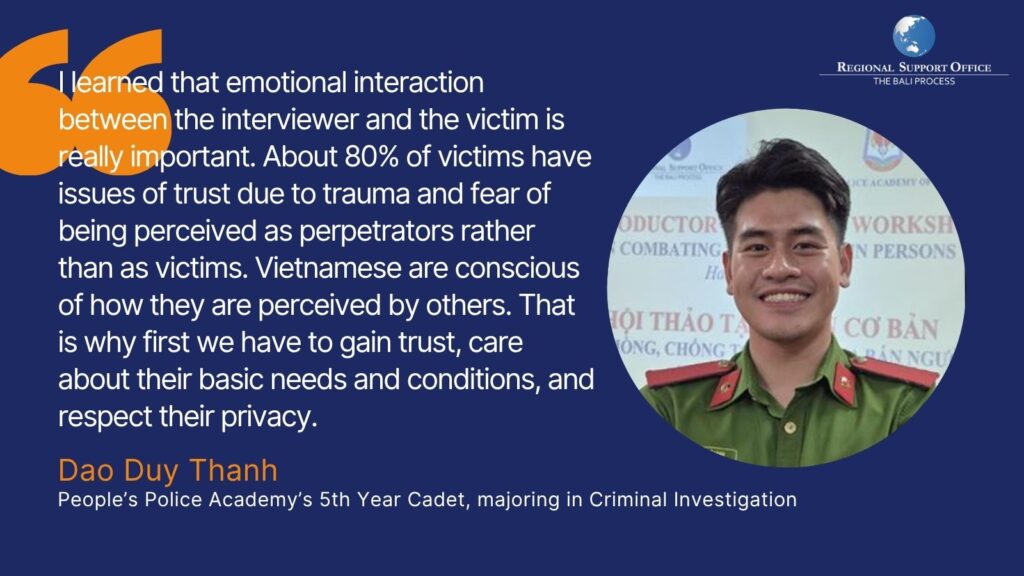
- Build awareness of operational risks and protection considerations at first contact.
- Explore how frontline officers can contribute to both border security and migrant protection.
- Apply border screening practice within real-world and migration context.
Audience
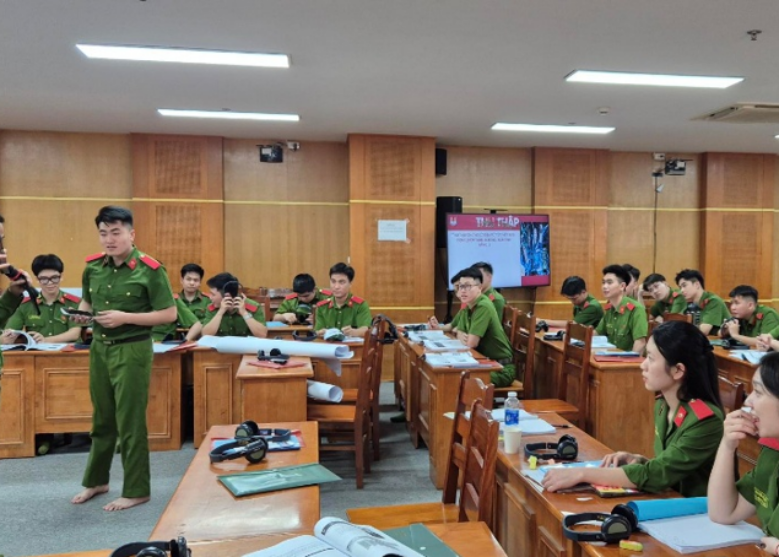
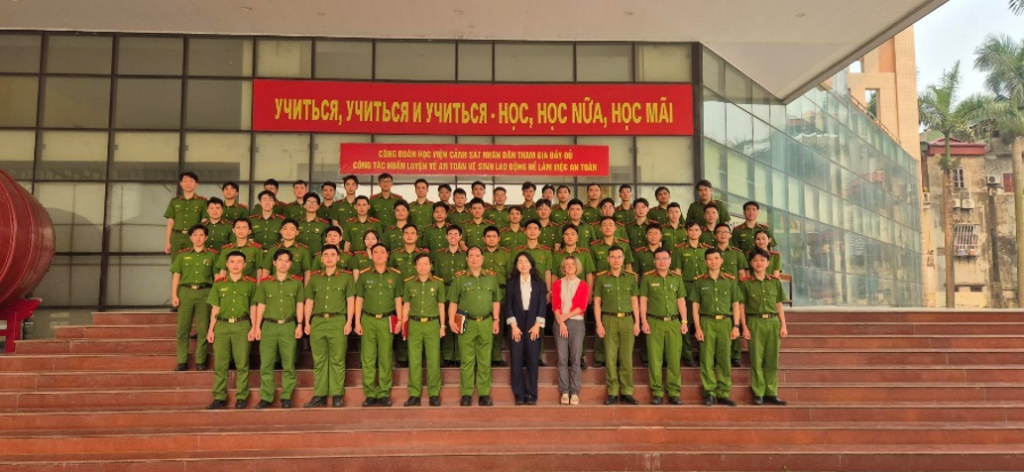
Law enforcement and immigration academies, training institutions, or other professional learnings institutes can utilise this introductory framework as a common baseline to expand and adapt upon.
Timeline
The material can run as a brief introductory session or expanded into a longer awareness-raising module with discussion and case studies.
Frequently asked questions
Q1. Is this course open registration?
The RSO coordinates delivery of this training with interested Member States, institutions, or partner organisations, tailored according to the intended audience and format.
Q2. Who can participate in this course?
The content benefits a wide range of audiences, including frontline officials and law enforcement cadets, or as a foundational introduction to trafficking in persons.