

About the course
Latest numbers by the Global Initiative Against Transnational Organised Crime (GI-TOC) estimates that victims from at least 66 countries have been trafficked into cyber-scam centres—primarily in Southeast Asia—where they are forced to carry out sophisticated online scams targeting people around the world.
Understanding the digital footprint left by traffickers is essential for law enforcement to investigate, disrupt, and dismantle these operations. Traffickers increasingly exploit technology to act across borders with greater speed, precision, and anonymity.
They commonly use deceptive online job ads, recruitment websites, and social media to target vulnerable populations, especially young, educated individuals seeking work abroad. Artificial intelligence is also playing an expanding role in these scams, widening the capability gap between criminal networks and law enforcement—an urgent concern for governments.
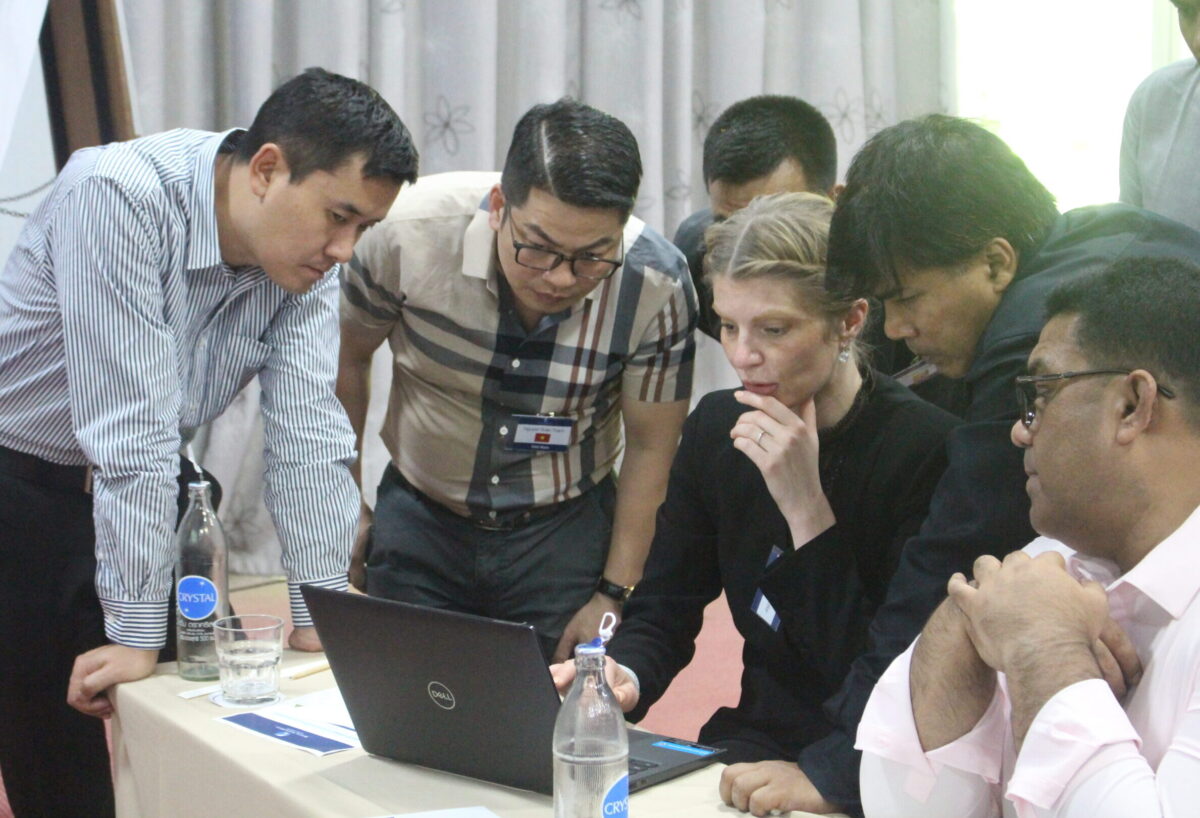
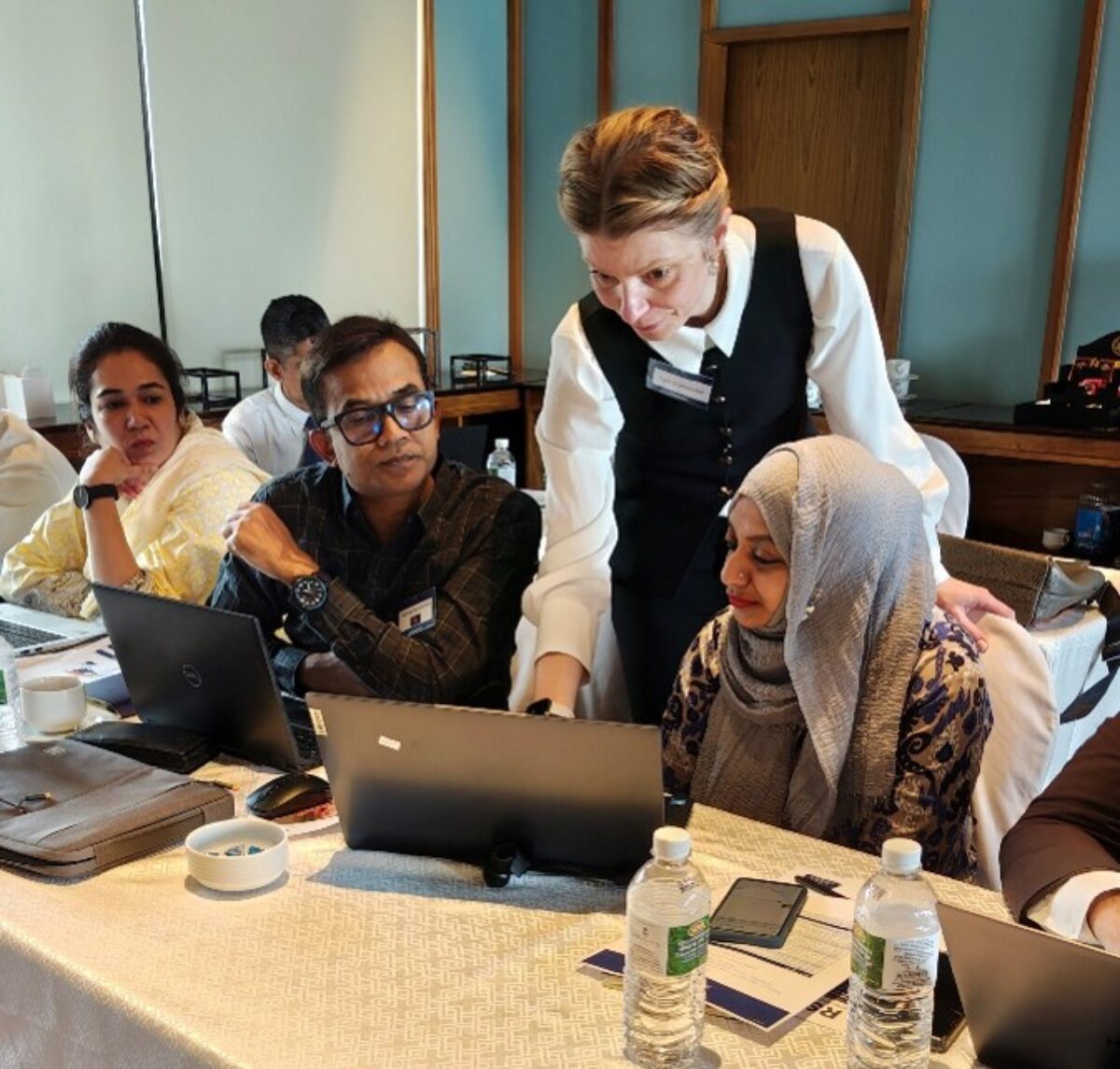
To help bridge this gap, the Regional Support Office of the Bali Process (RSO) developed an online investigations curriculum, which builds essential open-source intelligence skills, tools, and strategies to to strengthen officers’ ability to investigate online crimes using publicly available data.
Funding from the UK Government supported the broader rollout of this new curriculum into an inter-regional series, with regional workshops held in South and Southeast Asia and culminating in an inter-regional workshop.

A participant of the Interregional Online Investigations Training in Chiang Saen observing a former cyber-scam centre on the Myanmar border during a field visit in the Golden Triangle border area.
Learning objectives
Topics covered in the curriculum provides participants with a fundamental understanding of OSINT techniques, moving from basic knowledge of relevant tools and strategies, to a more intermediate level where participants are able to actively apply OSINT within their daily workflows. Workshops provide participants with a progressive learning experience, starting with foundational concepts and gradually advancing to more practical and specialised strategies.
- Enhance law enforcement officers’ capability to detect, investigate, and disrupt cyber-scam centre recruitment efforts
- Discuss strategies for coordinating with social media companies and job search websites to facilitate content moderation and/or the sharing of electronic evidence
- Provide law enforcement with the tools needed to independently monitor the shifting geography of cyber-scam centres and the primary trafficking routes leading to them
- Improve cross-border cooperation and information sharing among participating countries
- Develop an informal network of OSINT practitioners across the Bali Process region who can share information as well as research/investigative strategies related to cyber-scam centre response with one another.
Audiences
Law enforcement, border officers, intelligence analysts and other relevant government counterparts from Bali Process Member and Observer States.

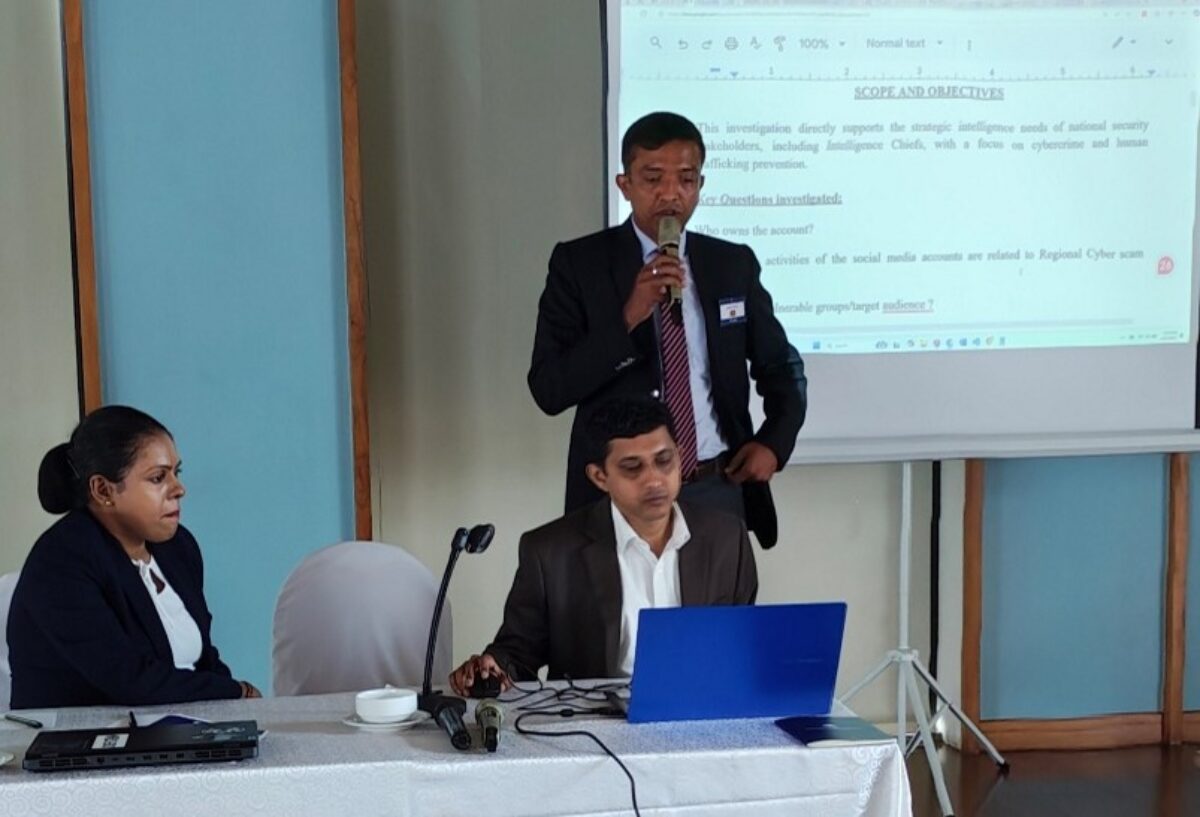


“OSINT is not just a tool, it is a capability. It allows investigators to detect early signs of recruitment, map suspicious online behaviour, trace digital footprints, and analyze content and trends across platforms such as Facebook, Telegram, and job search sites.”
– Major General Ruwan Wanigasooriya, The Chief of National Intelligence and the Head of Officials Committee of National Anti-Human Trafficking Task Force of Sri Lanka
 Image caption: The RSO participated in the INTERPOL Operation, and provided technical expertise, logistical support and resourcing for the Asia-Pacific component of Liberterra II. This image was taken during a pre-operational study tour of a previously raided cyber-scam centre.