


About the course
This module examines how corruption facilitates trafficking in persons and smuggling of migrants at land and air borders. The content details corruption risks, common forms of bribery and misconduct, professional standards, risk indicators, and reporting obligations within daily border operations.
By the end of the training, participants can better understand how corruption enables trafficking and smuggling offences, how to recognise warning signs in practice, and how to respond appropriately through professional conduct and internal reporting mechanisms.
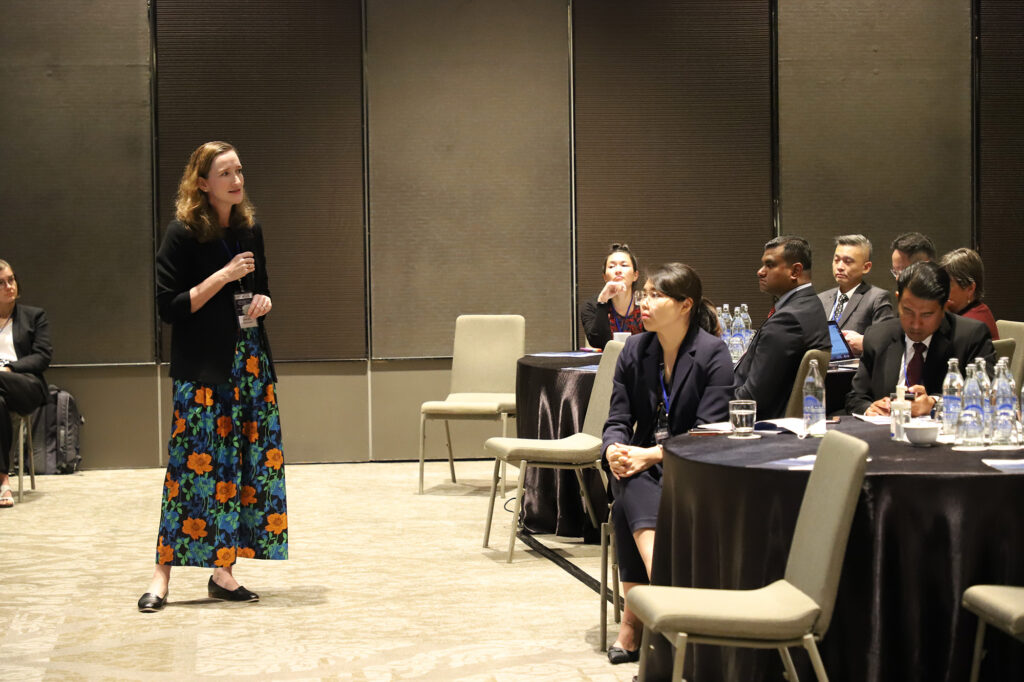
Learning Objectives
- Explain how corruption can facilitate trafficking in persons and smuggling of migrants at land and air borders.
- Strengthen understanding of bribery, misconduct, and other corruption-related risks in frontline settings.
- Analyse case studies to identify possible corruption-related conduct under relevant legal or professional standards.
- Identify indicators of corruption and operational risk factors at borders and airports.
- Build awareness of professional standards and reporting pathways for suspicions or allegations of corruption.
Audience
Primarily targeting frontline and supervisory personnel from immigration, border, customs, police, airport, and other law enforcement or regulatory agencies, the materials also support policymakers, internal oversight actors, and institutions working to strengthen integrity, accountability, and anti-corruption safeguards within border management systems.
Timeline
The programme can run as a concise awareness-raising module or expand into a practical workshop with scenario-based discussions and case study analysis. You can use it as a standalone course or as a complementary module within broader trafficking in persons, smuggling of migrants, or border management training.
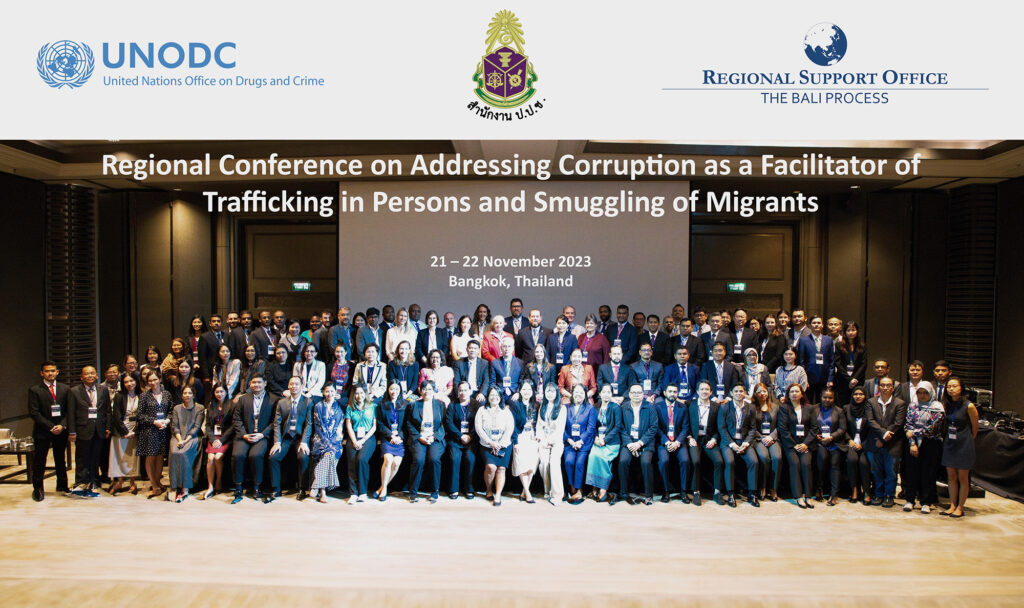
Frequently asked questions
Q1. Is this course only about corruption generally, or specifically about trafficking and smuggling contexts?
The focus of this course centres on corruption risks that facilitate trafficking in persons and smuggling of migrants at borders and airports, connecting integrity to practical frontline realities.
Q2. Who can participate in this course?
Though intended for government officials, regulators, private sector professionals and civil society representatives, the course can also be adapted for mixed institutional groups.
Q3. Can the course include national reporting procedures or codes of conduct?
Yes. The materials can be tailored to include your specific national professional standards, internal reporting obligations, and institutional integrity mechanisms.