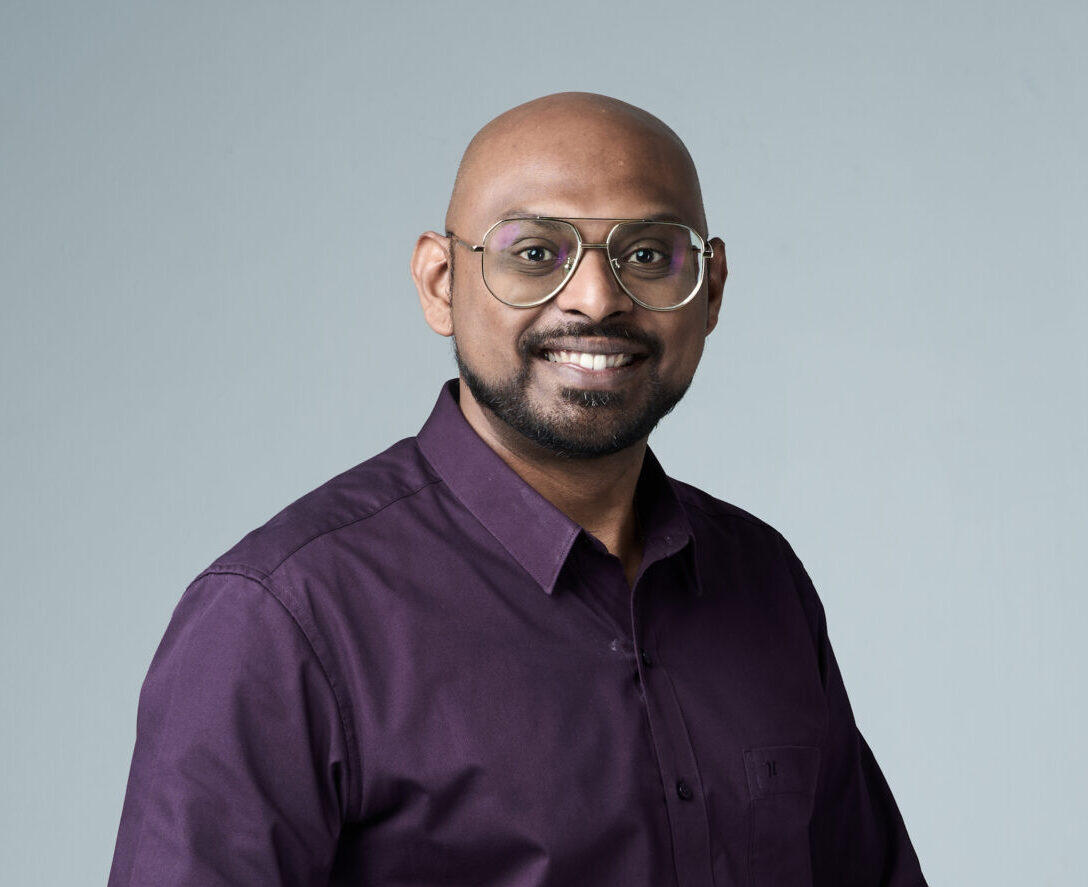

 Ravi Mahalingam joined the Regional Support Office of the Bali Process on People Smuggling, Trafficking in Persons and Related Transnational Crime (RSO) team as Programme Manager for Countering People Smuggling over March 2024 to December 2025 on a long-term secondment from the Government of Malaysia’s National Strategic Office to the Council of Anti-Trafficking in Persons and Anti-Smuggling of Migrants under the Ministry of Home Affairs.
In this profile interview, we hear from Ravi on his work for the Malaysian government and with the RSO, and his reflections on the importance of regional cooperation and cross-border dialogue in effectively countering people smuggling and protecting vulnerable individuals.
Can you tell us about your career path and how you came to focus on countering people smuggling?
My career in the Malaysian public service has always been closely linked to migration, security, and governance. I started in administration and policy roles within the Malaysian Maritime Enforcement Agency (MMEA), where I was involved in policy formulation, inter-agency coordination, and programme implementation related to maritime governance and enforcement. That early exposure to irregular migration by sea, particularly in the Straits of Malacca and Andaman Sea, gave me a very practical understanding of how People Smuggling networks operate.
I later moved to the Immigration Department, where I headed the Domestic Workers’ Section and worked on foreign worker recruitment policies. This helped me understand the vulnerabilities in labour migration systems and how they can be exploited by traffickers and smugglers. From 2019 to 2024, I served at the National Strategic Office to the Council of Anti-Trafficking in Persons and Anti-Smuggling of Migrants under the Ministry of Home Affairs. There, I was directly involved in formulating national policies, coordinating implementation across agencies, and working with international partners such as the International Organization for Migration (IOM), the United Nations Office on Drugs and Crime (UNODC), and the International Labour Organization (ILO). Over time, this combination of operational exposure, policy work, and regional engagement naturally shaped my professional focus on countering people smuggling and trafficking in persons.
What motivated you to join the RSO as Programme Manager for Countering People Smuggling?
The opportunity to join the RSO was very appealing to me because it sits at the intersection of policy, operations, and regional cooperation – which is exactly where my experience lies. Having worked at the national level for many years, I saw first-hand the limitations of addressing people smuggling in isolation. These are transnational crimes, and no single country can deal with them alone. The RSO provided a platform to contribute at a regional level, bringing countries together to share information, build capacity, and develop coordinated responses to counter these crime types. I was also motivated by the opportunity to work on the Bay of Bengal–Andaman Sea context, which is highly relevant to Malaysia and the wider Asia-Pacific region. It allowed me to contribute not only as an international civil servant but also as a Malaysian officer, ensuring that regional initiatives are practical, sensitive to national realities, and aligned with Member States’ priorities.
What types of work did you oversee as part of the people smuggling programme?
As Programme Manager for Countering People Smuggling, I led and oversaw a wide range of activities across policy dialogue, capacity building, research, and partnerships. This included designing and delivering regional training programmes for law enforcement. My programme’s focus on maritime people smuggling regularly brought together officers from Bangladesh, Indonesia, Malaysia, Sri Lanka, Thailand, Timor-Leste together with wider Bali Process Member States. The focus was on investigations, information sharing, understanding financial flows, and disruption of smuggling networks.
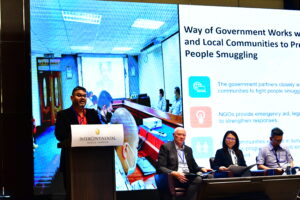 I also organised and facilitated regional meetings and high-level policy dialogues involving senior officials, creating platforms for frank discussion on challenges, trends, and operational cooperation. This includes the Regional Meeting on Countering People Smuggling and Related Transnational Crime, which was jointly convened with the Government of Malaysia—the Association of Southeast Asian Nations (ASEAN) Voluntary Lead Shepherd on People Smuggling—to enhance regional coordination in countering people smuggling in the Andaman Sea region. This meeting also generated active engagement and constructive feedback on the draft ASEAN Declaration on People Smuggling, which remains a key opportunity to continue dialogue and progress shared commitments and opportunities.
In addition, I worked closely with Member States to identify gaps and needs, supported the development of regional initiatives such as coordination mechanisms and focal point networks, and collaborated with international organisations to align efforts and avoid duplication. A key part of my role was working with colleagues across regional governments to find opportunities to translate discussions and research into concrete, actionable outcomes.
Are there any initiatives or milestones from your time at the RSO that stand out to you?
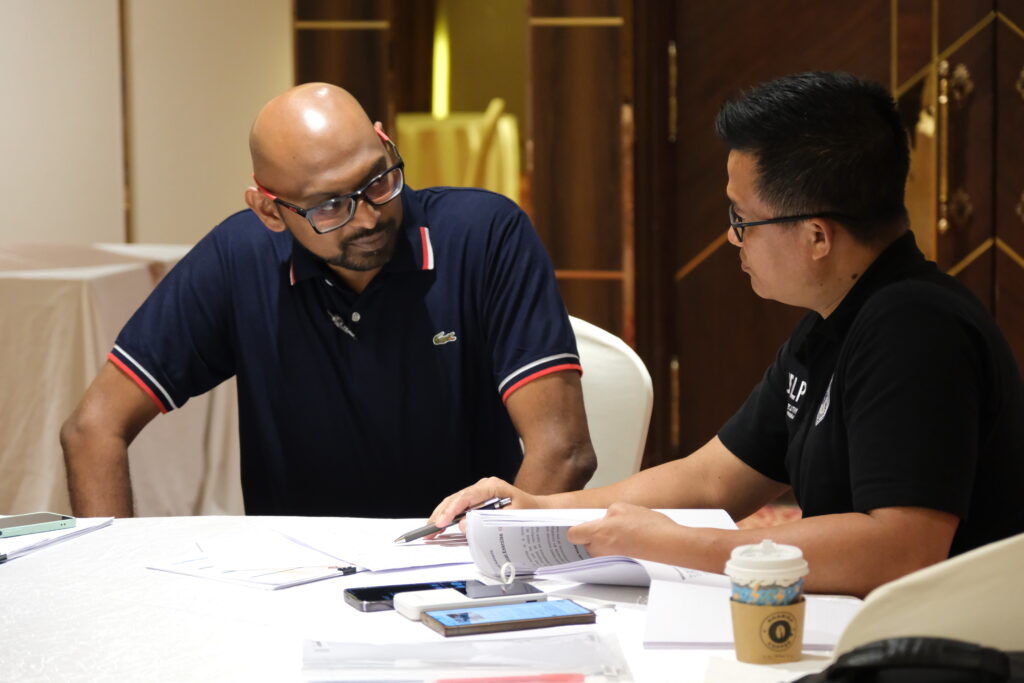 Several milestones stand out. One in particular is the successful delivery of the International People Smuggling Investigations Program (IPSIP) in Cox’s Bazar, Bangladesh—a prominent departure point for irregular maritime movements in the region— which was delivered in partnership the Jakarta Centre for Law Enforcement Cooperation (JCLEC), the Australian Federal Police (AFP), and the Royal Canadian Mounted Police (RCMP), with the support of the Government of Bangladesh.
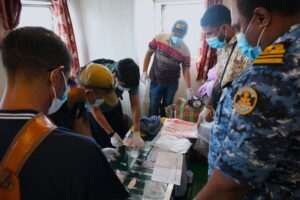 IPSIP is a comprehensive two-week intensive training course aimed at enhancing the skills and knowledge of law enforcement, border and immigration, and maritime and civil aviation officials to counter people smuggling and transnational crime. The RSO has worked with IPSIP delivery partners over the past three years to regionalise its delivery, with previous locations including Colombo, Sri Lanka (2023) and Penang, Malaysia (2024)—in addition to the program’s regular delivery at the Jakarta Centre for Law Enforcement Cooperation (JCLEC) headquarters in Semarang, Indonesia. Seeing investigators and border officers exchange experiences and build trust was very encouraging, because those relationships are critical on the ground.
Another important milestone was the organisation of regional meetings focused specifically on maritime people smuggling in the Andaman Sea and Bay of Bengal. These dialogues helped elevate the issue, align priorities, and strengthen cooperation among frontline states.
What role did partnerships with law enforcement, border agencies and international organisations play in advancing the programme?
Partnerships are absolutely central to the success of the programme. At the operational level, close collaboration with law enforcement, immigration, maritime agencies, and border authorities ensured that our activities were grounded in real needs and practical realities. At the strategic level, working with international organisations such as IOM, UNODC, the United Nations Refugee Agency (UNHCR), and other regional organisations allowed us to leverage technical expertise, global good practices, and additional resources. These partnerships also helped ensure coherence between national, regional, and international efforts. The RSO’s convening power as the technical and practical arm of the Bali Process made it easier to bring together agencies that might not otherwise engage regularly, creating opportunities to build trust, break down silos, and encourage more open information sharing.
Looking ahead, what do you see as the key priorities for regional cooperation on people smuggling?
Looking ahead, I see three key priorities. First, deeper operational cooperation – particularly in information sharing, joint investigations, and coordinated disruptions. Trust and relationships among frontline officers will be critical here. Second, capacity building that keeps pace with evolving trends, especially in digital investigations, financial tracking, and the use of technology by smuggling networks. Third, stronger regional coordination mechanisms that are practical, sustainable, and Member-State driven. These should support quick communication, clarity of roles, and collective responses, while respecting national sovereignty and legal frameworks. Ultimately, effective regional cooperation must be pragmatic, inclusive, and built on mutual trust. The Bali Process and the RSO are well placed to continue playing a central role in this.