

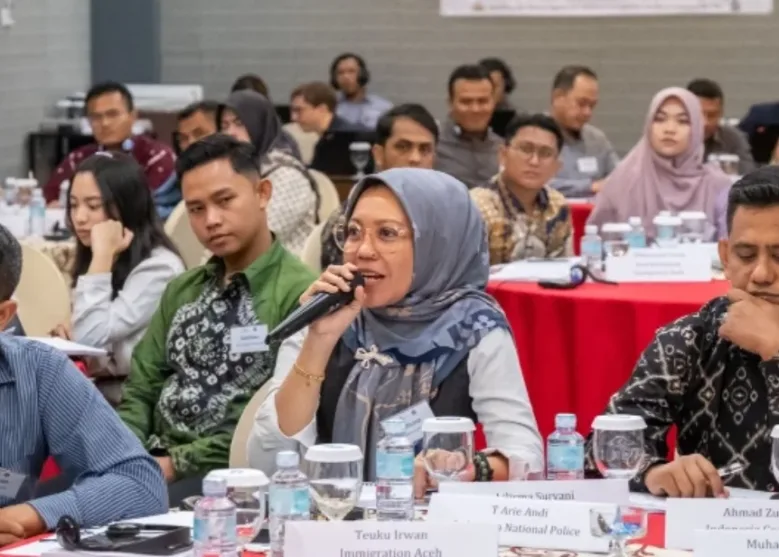
About the course
The module introduces core principles and practical application of traveller assessments and screenings within frontline border management contexts. The workshop aims to prepare frontline officers in conducting initial assessments, identifying operational inconsistencies, and making informed decisions at points of entry or exit.
After the training, participants can better understand potential issues that may arise in frontline traveller assessments during initial or secondary screening. Materials also emphasise practical considerations for further questioning, referral procedures, or onward action.
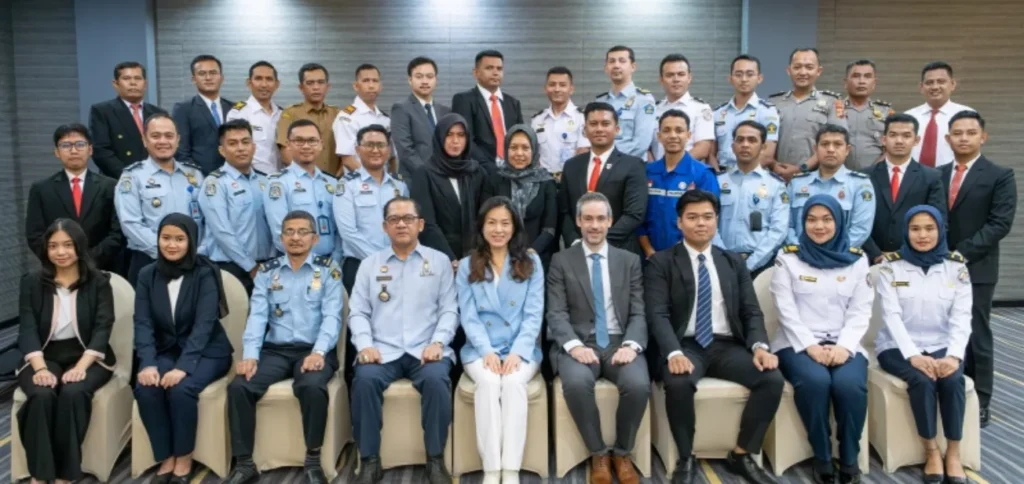
Learning Objectives
- Explain the purpose and role of including traveller assessment and screening in frontline border operations.
- Detail how primary screening supports decision-making at first contact.
- Identify common screening concerns, including inconsistencies in travel purpose, documentation, or traveller behaviour.
- Outline practical criteria to determine when secondary questioning or referral is required.
- Promote structured and consistent frontline assessment practices across border management settings.
Audience
Intended as a training workshop, the content particularly benefits frontline border officials including immigration, border, maritime, police, customs, and other operational agencies engaging with travellers at points of entry. It can also assist Bali Process Member States seeking to strengthen first-contact assessment practices in airport, seaport, and other border management environments.
Timeline
The content can be delivered as a standalone one-day module or expanded into a longer workshop featuring practical exercises, scenarios, and case-based discussion. Training can also further integrate related modules on document examination, screening and referral, or trafficking and smuggling responses, depending on identified training needs.
Frequently asked questions
Q1. How is this different from screening and referral training?
The programme prepares officers to screen, question, and assess whether a case requires standard processing or further attention. Content also describes protocols for travellers who may need onward support, specialised handling, or referral to another authority based on initial contact.
Q2. Can this course be adapted to maritime arrivals?
Yes. Facilitators can tailor core concepts to suit different operational settings including air, land, or maritime border contexts.