
27–28 January 2026 • Bangkok, Thailand
The movement of people across borders continues to shape regional stability, labour markets, and community resilience across the Asia Pacific. As migration patterns become more complex, governments face the dual challenge of facilitating safe and orderly mobility while responding to evolving risks linked to irregular migration, people smuggling, trafficking in persons, and related transnational crime.
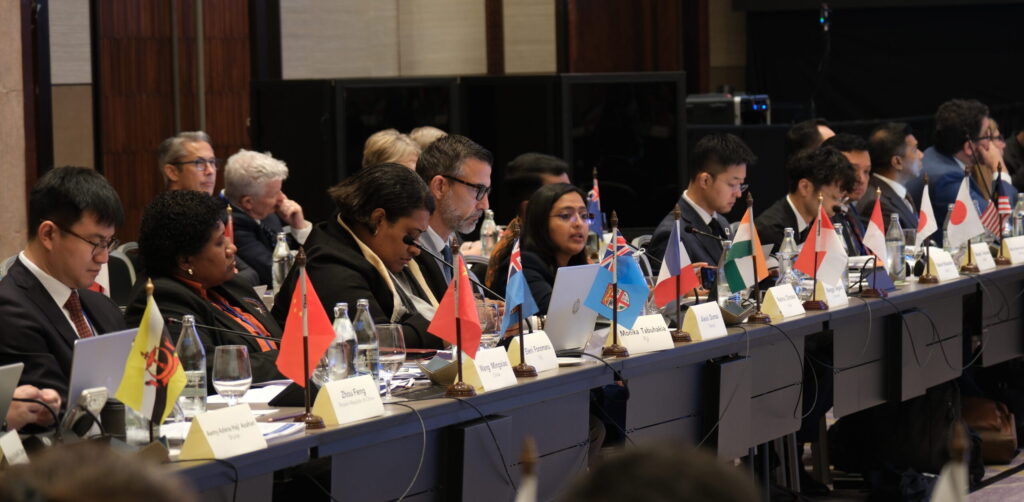 No single government or institution can respond effectively in isolation, particularly as migration dynamics, criminal methodologies, and geopolitical pressures continue to evolve.
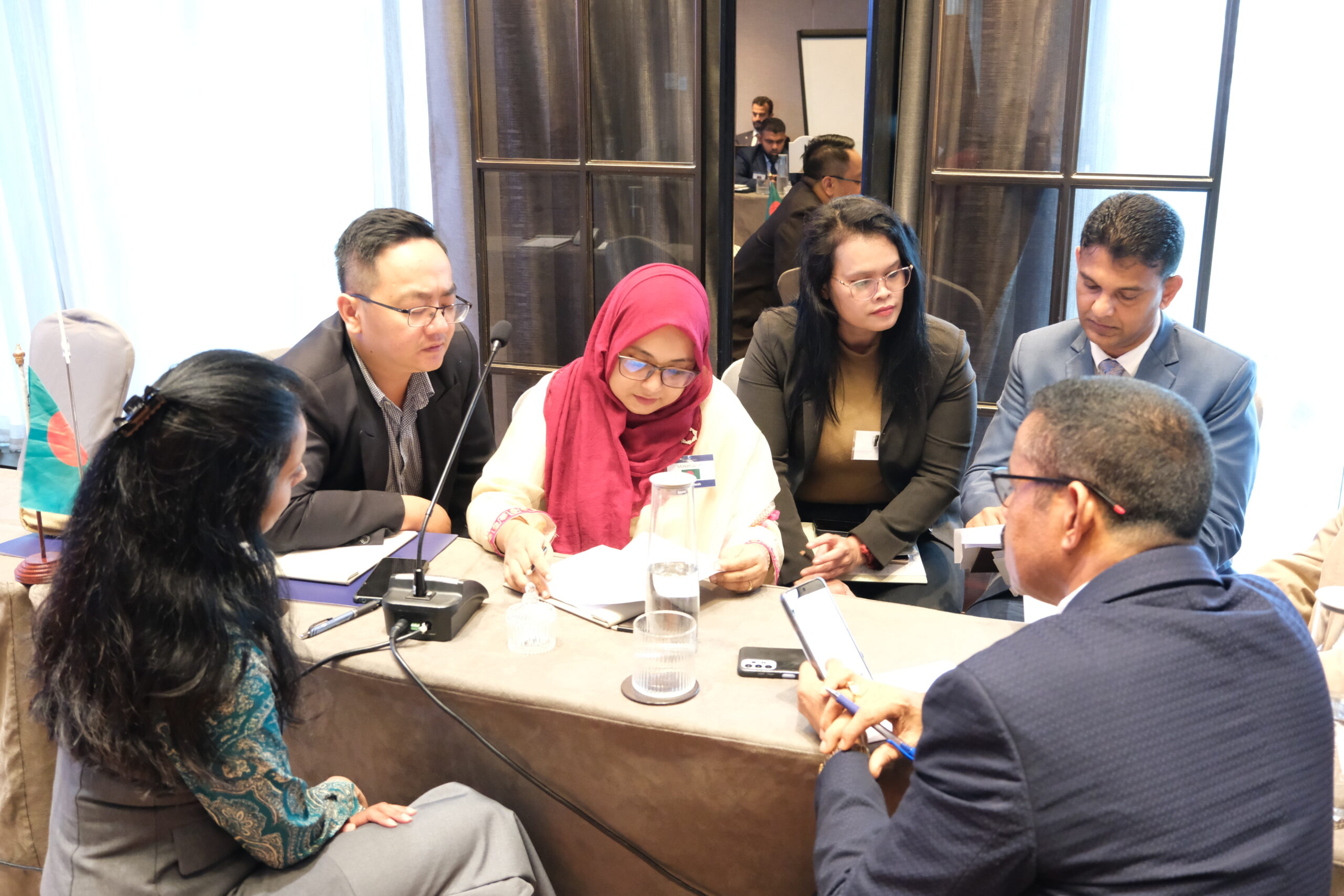
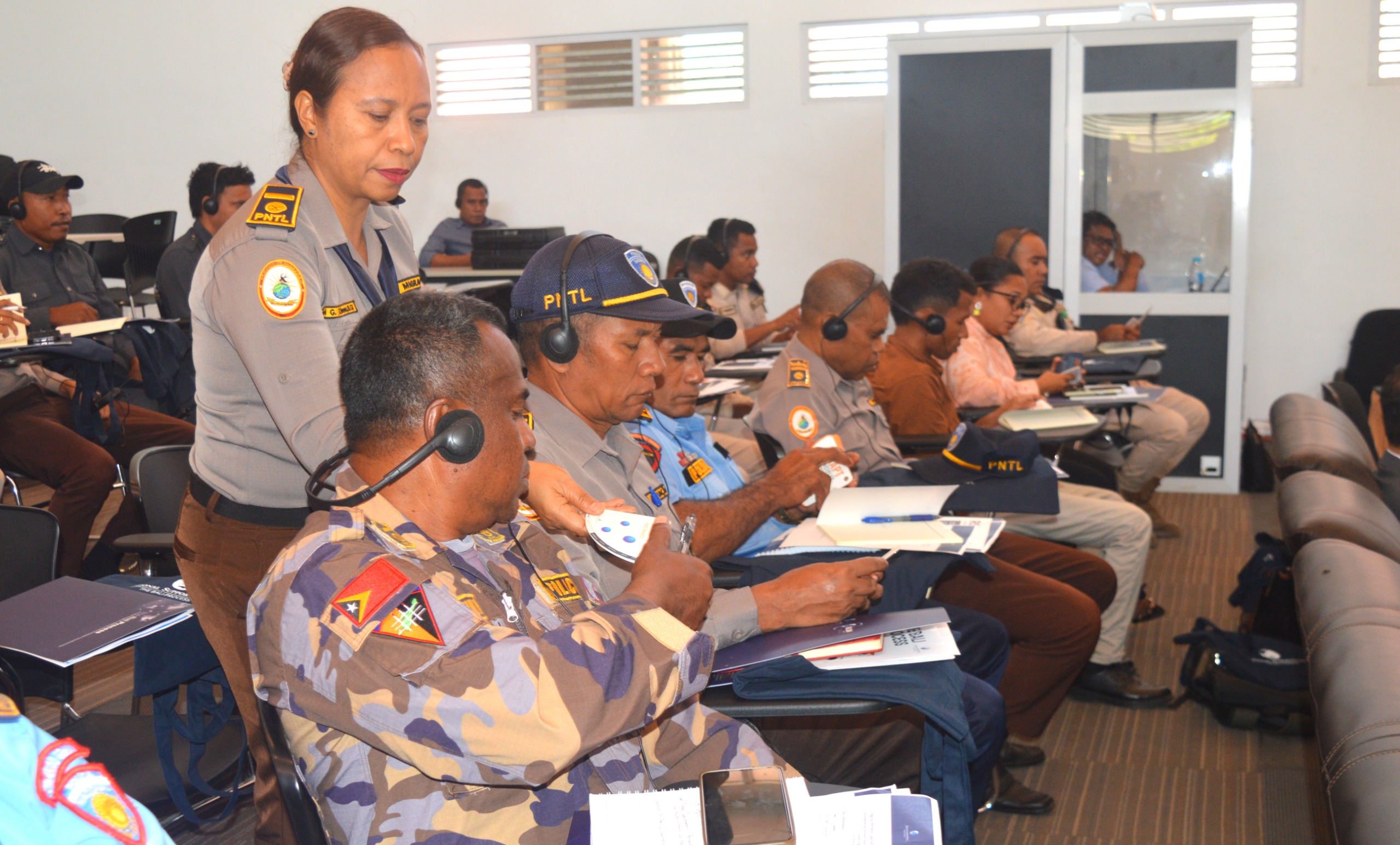
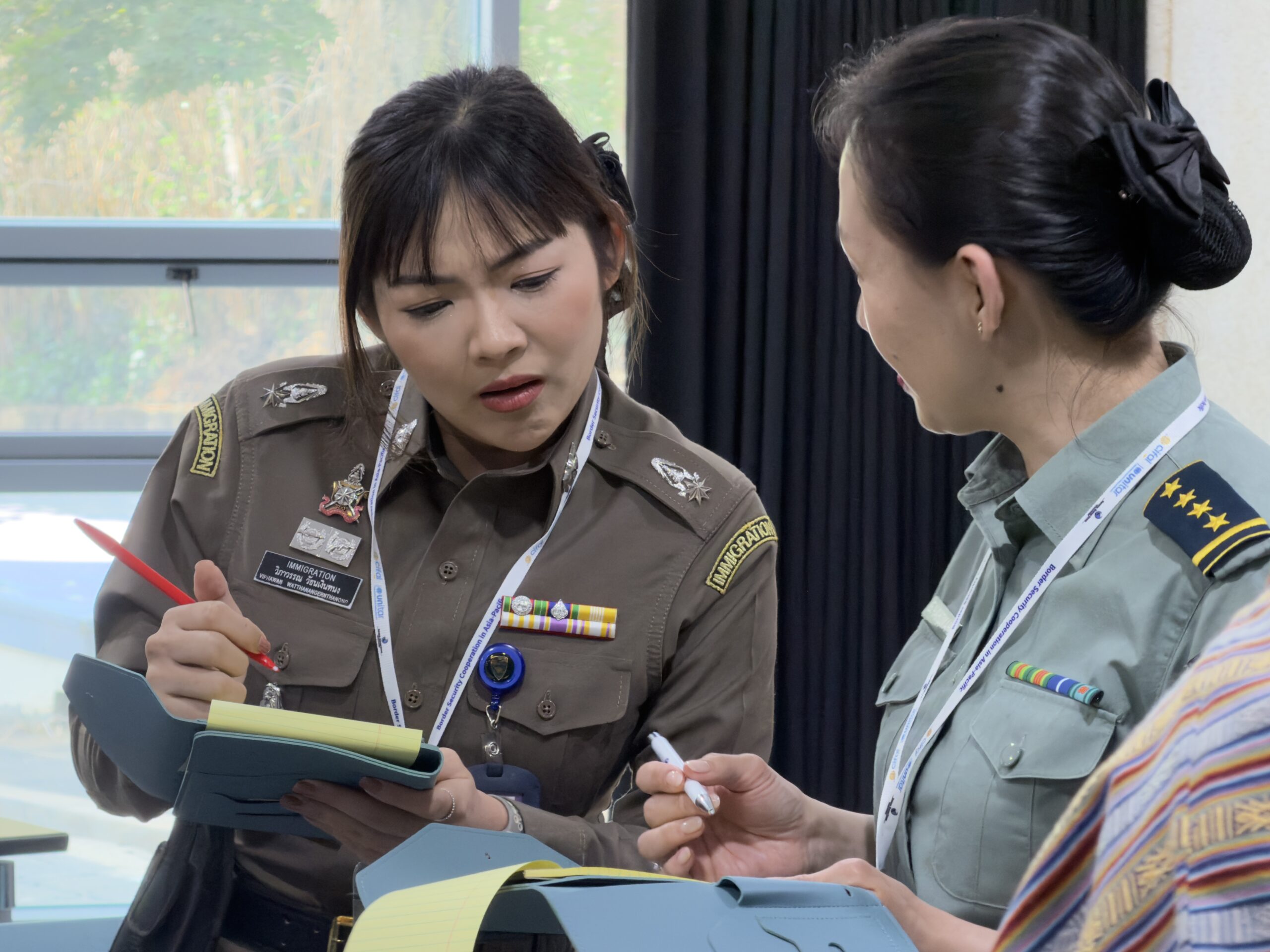
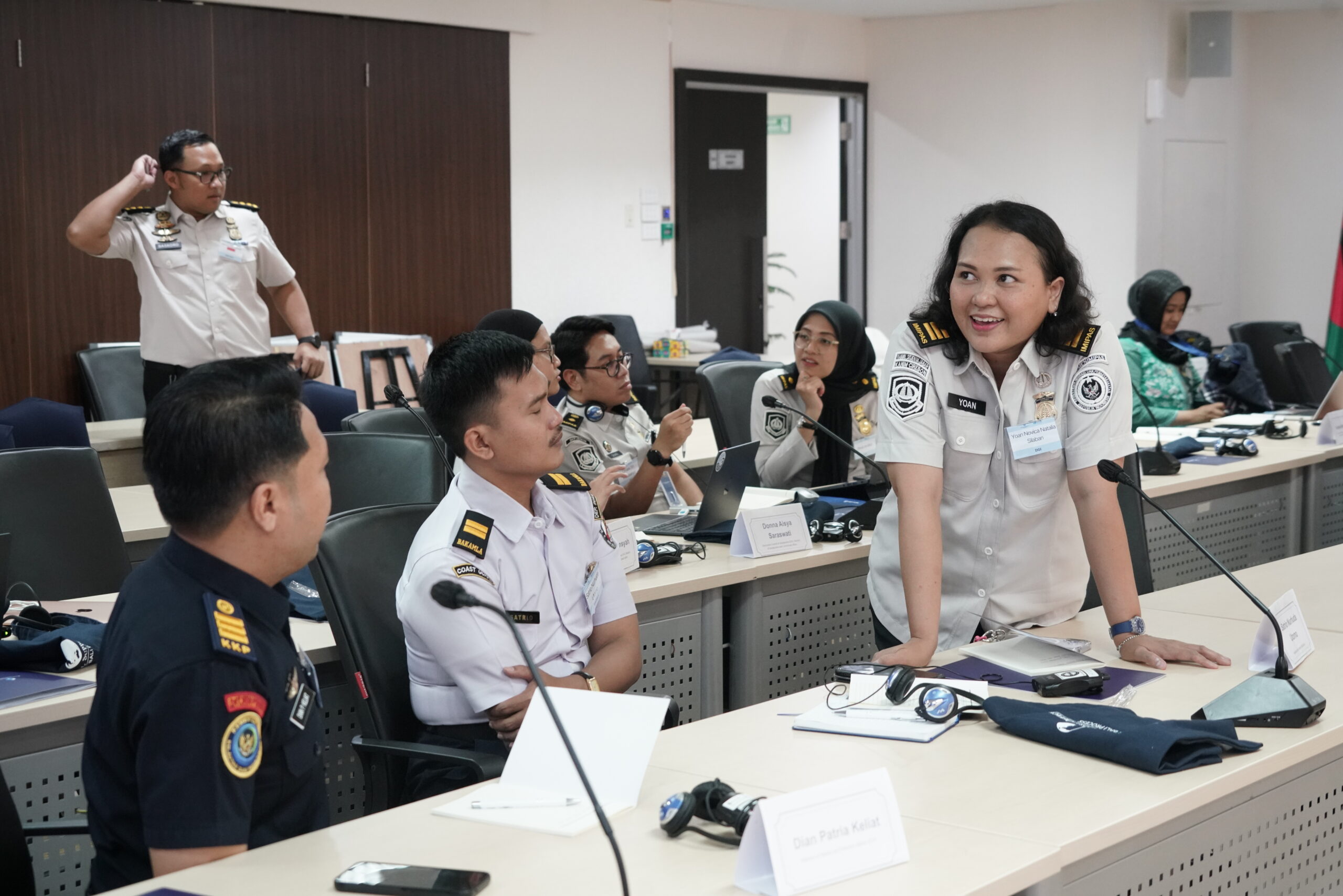
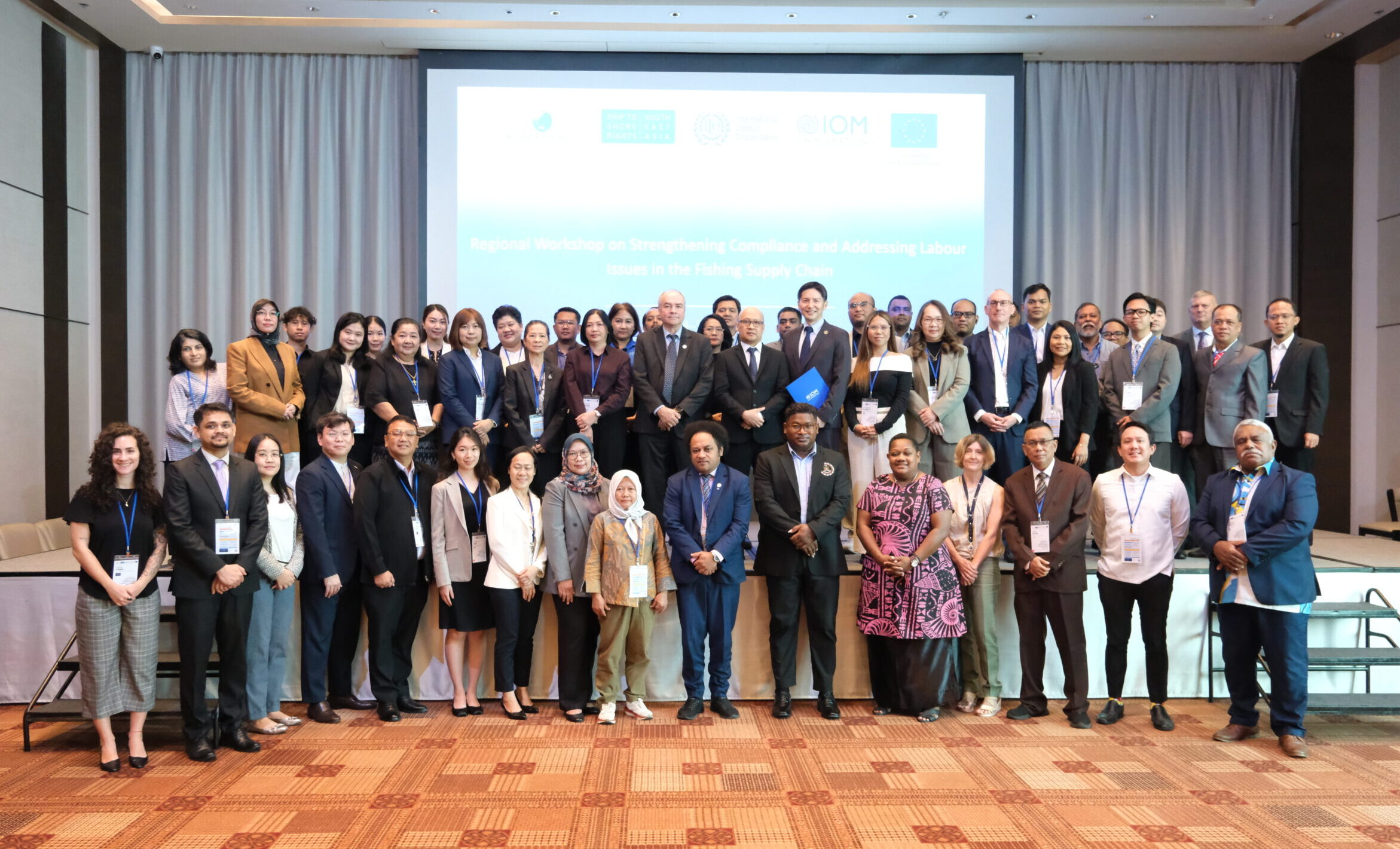
In light of this, the Fourth RSO Constructive Dialogue convened some 95 senior officials and delegates representing a broad geography across 34 Bali Process Member and Observer States and Organisations, as well as thematic experts and representatives from civil society for two days of dialogue and knowledge exchange around the theme of ‘Migration Security and Protection: Collaborative Approaches for Resilient Systems’.
The meeting provided an opportunity to reflect on progress made and evolving priorities across the region since the Third RSO Constructive Dialogue, as well as gaps and opportunities for further collaboration amongst Members.
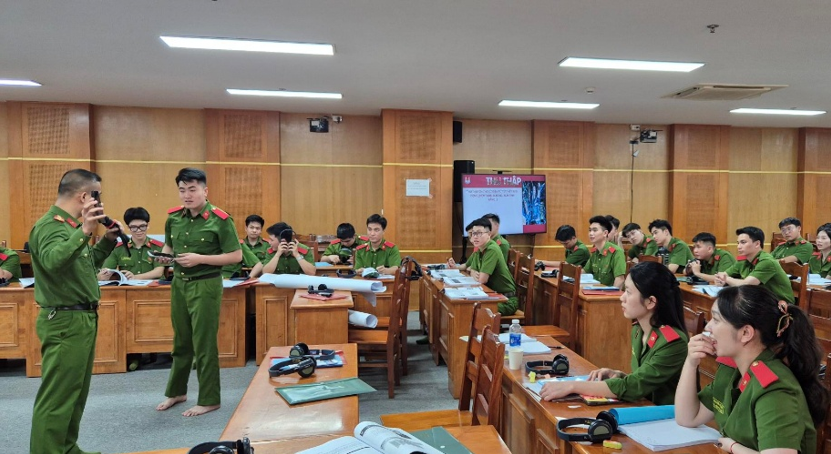
Insights from frontline officers and operational and technical leads, gathered through the Fourth RSO Border Forum, were integrated into senior-level discussions, helping to ground policy dialogue in operational realities.
Member State-led updates and exchanges of promising practice were structured around three interrelated priorities for the Bali Process region:
- Countering transnational crime linked to irregular migration and trafficking in persons, with discussions highlighting the expanding reach of organised criminal networks and the need for more coordinated and integrated responses to increasingly agile and well-resourced operations.
- Reducing vulnerabilities across labour mobility and migration-management systems, recognising that safe and orderly movement across borders is a shared reality for governments, and that strengthening legal pathways, worker protections, and sustainable return and reintegration mechanisms is central to reducing risk.
- Strengthening joint action through cross-border cooperation and regional mechanisms, including through trusted information-sharing networks, shared protocols across borders, and more systematic engagement with civil society and private-sector actors.
Discussions at the Fourth RSO Constructive Dialogue were framed around the theme of Migration Security and Protection: Collaborative Approaches for Resilient Systems, emphasising the interdependence of national systems and the shared responsibility of governments across the region and beyond.
Updates were invited to focus on system-wide enhancements that support the effectiveness of migration management at the frontline level, while also improving the experience and protection of individuals navigating migration systems. Delegates were encouraged to reflect not only on progress and promising practices, but also on identified gaps within national systems and regional mechanisms, and to consider where collective action, coordination, or targeted support could strengthen resilience across the region.
The Constructive Dialogue was structured through a combination of plenary sessions, panel discussions, and parallel workshops, designed to balance strategic reflection with practical exchange, and provide peer-to-peer learning.
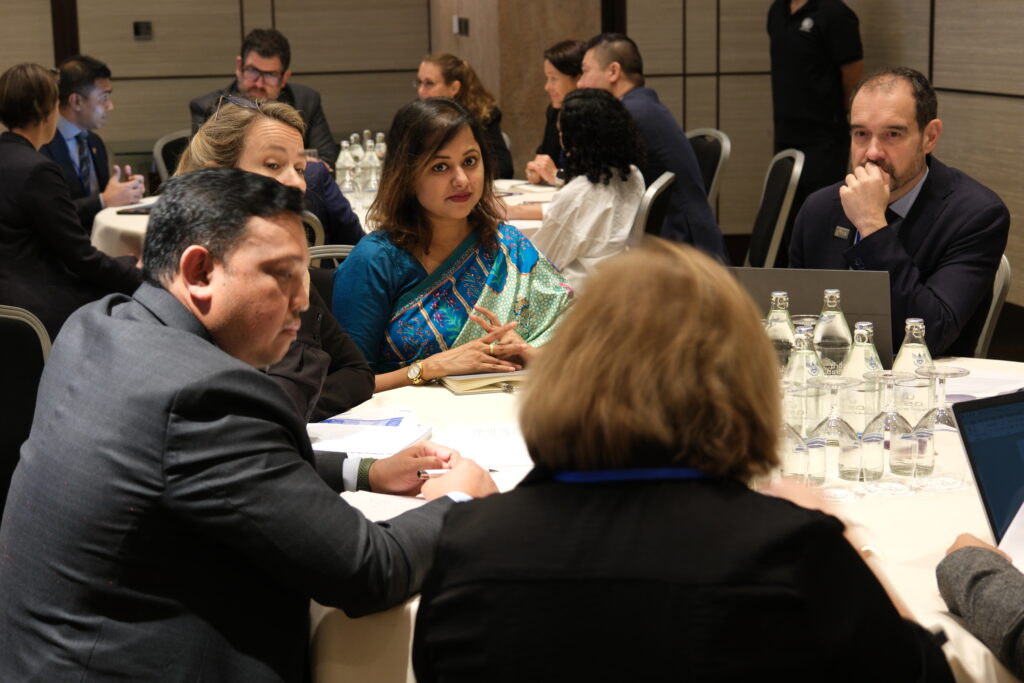
Workshops allowed delegates the opportunity to explore areas of interest in thematic depth and to meet regional experts and actors. Thematic issues covered include the role of Artificial Intelligence, tracing illicit financial flows, rethinking migration information programmes, exchanging information across borders, reducing system vulnerabilities in labour mobility, and provided an opportunity for delegates to collectively discuss the IOM and UNHCR Route-Based Approach for Asia and the Pacific.
Sessions highlighted how pressures at any one point of a migration journey can have cascading impacts across borders, underscoring the value of coordinated, preventative, and protection-led responses. Situational updates were provided by the RSO alongside Bali Process Working Groups, setting the scene for Member-led reflections and practical exchanges.
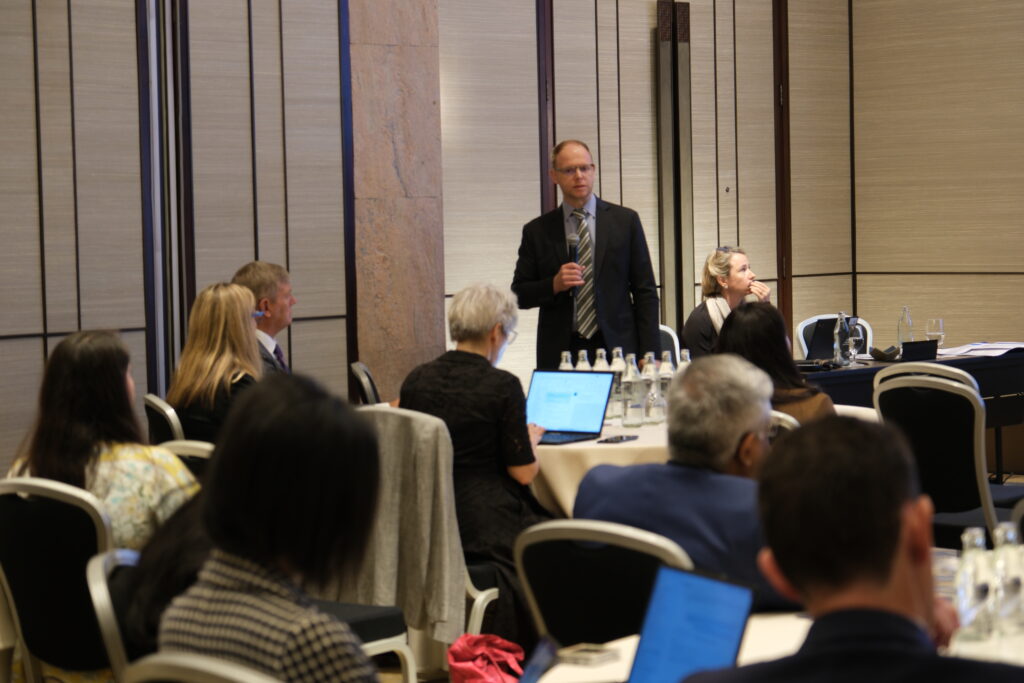
Information sharing remains a cornerstone of effective regional cooperation. Delegates discussed progress and ongoing challenges in strengthening trusted, timely, and actionable information exchange across agencies and borders.
Information sharing emerged as a continued priority for effective regional cooperation. Delegates discussed progress in strengthening trusted, timely, and actionable information exchange, while also recognising ongoing challenges.
Updates highlighted the value of:
- Regional platforms and liaison networks
- Secondments and joint analysis
- Regular practitioner-level engagement to sustain trust
Discussions also reinforced the importance of aligning national information systems and protocols with regional mechanisms to reduce duplication, close gaps, and enable faster responses to emerging threats. Ways forward identified included reducing duplication across platforms and processes, and supporting practical, user-focused information-sharing tools.
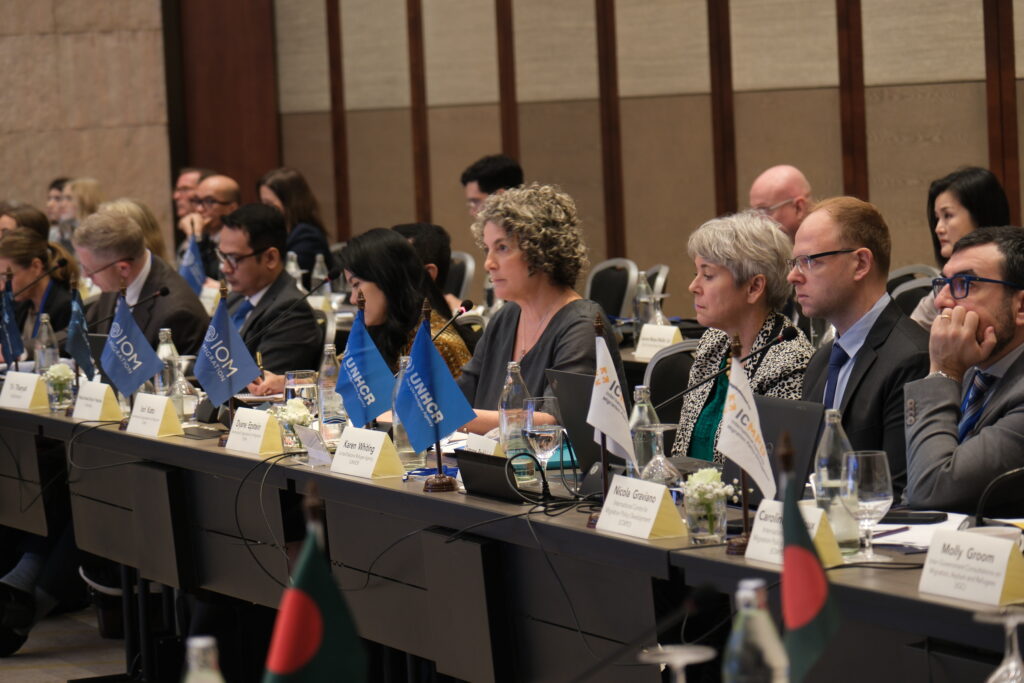
A dedicated exchange among regional and inter-regional migration and trafficking dialogues—including the International Centre for Migration Policy Development (Secretariat for the Budapest Process), the Coordinated Mekong Ministerial Initiative against Trafficking, the Organization for Security and Co-operation in Europe, and the Intergovernmental Consultations on Migration, Asylum and Refugees—reinforced that many operational challenges are shared across regions, and highlighted opportunities for shared learning.
A key focus of the Dialogue was the rapid evolution of technology-enabled smuggling and trafficking in persons, including trafficking into forced criminality linked to cyber-scam centre operations.
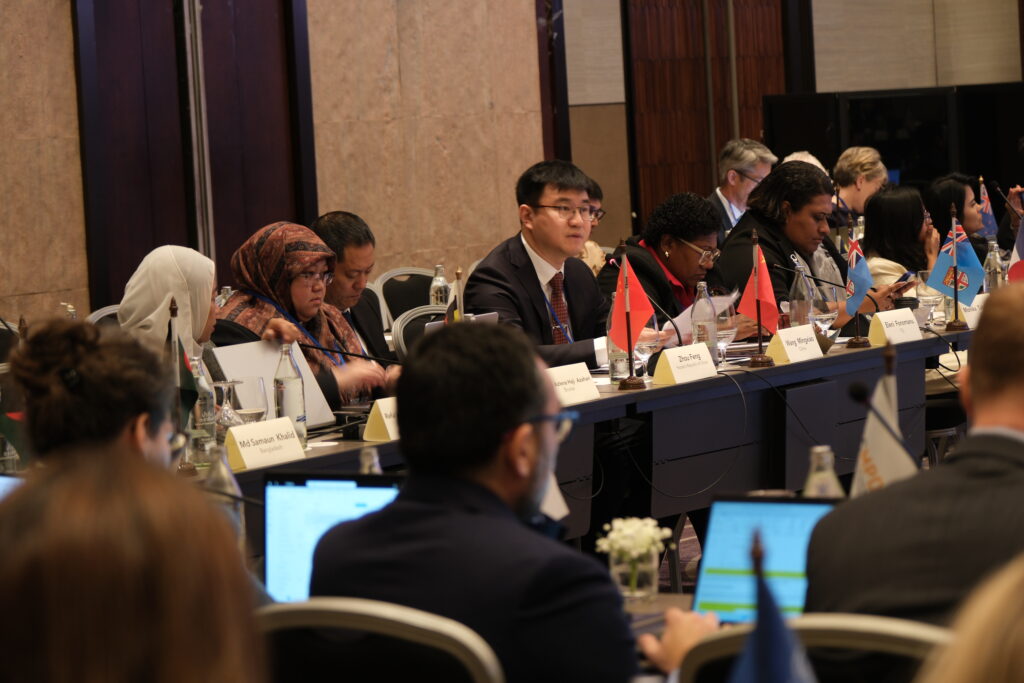
Sessions explored how criminal groups leverage online recruitment, social media, encrypted communications, and digital payment systems, and the implications this has for detection, investigation, victim identification, and prosecution. Delegates shared experiences in building capacity to use open-source intelligence, engage with the private sector, and adapt investigative approaches to increasingly digital operating environments.
Discussions highlighted the need to:
- Build capacity in open-source intelligence and digital investigations
- Strengthen engagement with the private sector
- Adapt victim-identification approaches to digital and coercive exploitation contexts
Discussions also highlighted the complexity of victim identification in these contexts, where individuals may experience coercion, debt bondage, and exploitation while being compelled to participate in criminal activity, blurring traditional distinctions between victim and offender.
Across discussions, delegates reaffirmed the importance of grounding migration and law enforcement responses in protection-led, victim-centred approaches. Delegates shared experiences in applying trafficking indicators, national referral mechanisms, and non-punishment principles, particularly in cross-border contexts.
Key takeaways included:
- Early identification and referral are critical for both protection and investigations
- Consistent application of victim indicators and non-punishment principles remains essential
- Reintegration and longer-term support reduce risks of re-exploitation and repeat irregular migration
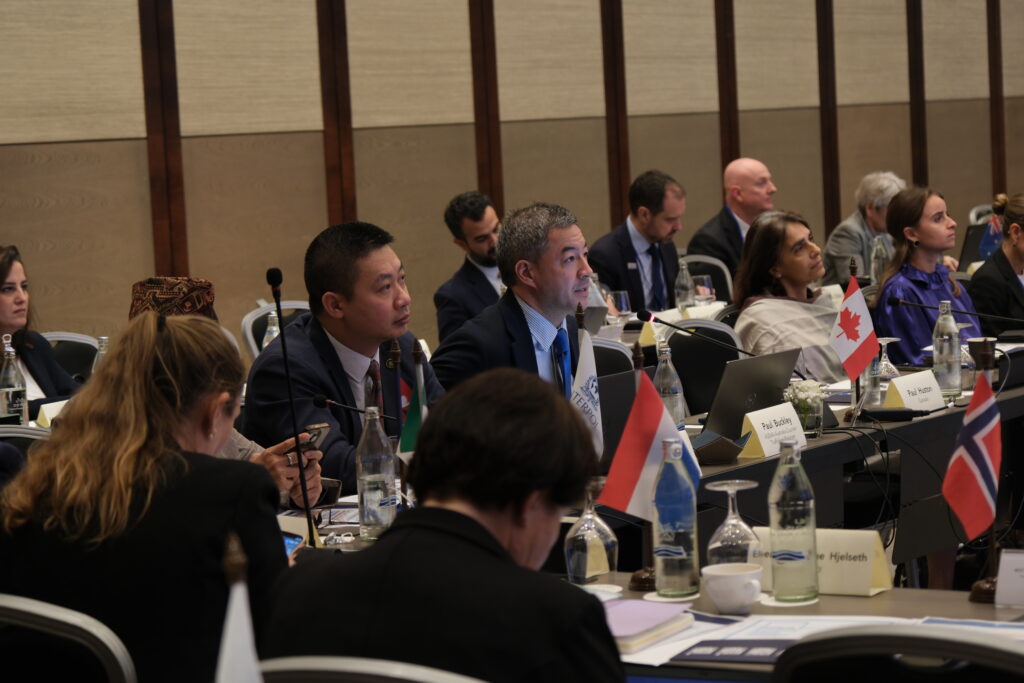
Delegates also emphasised the importance of strengthening screening, victim identification, and reintegration systems, particularly for forced criminality cases, but also for all migrants returning home.
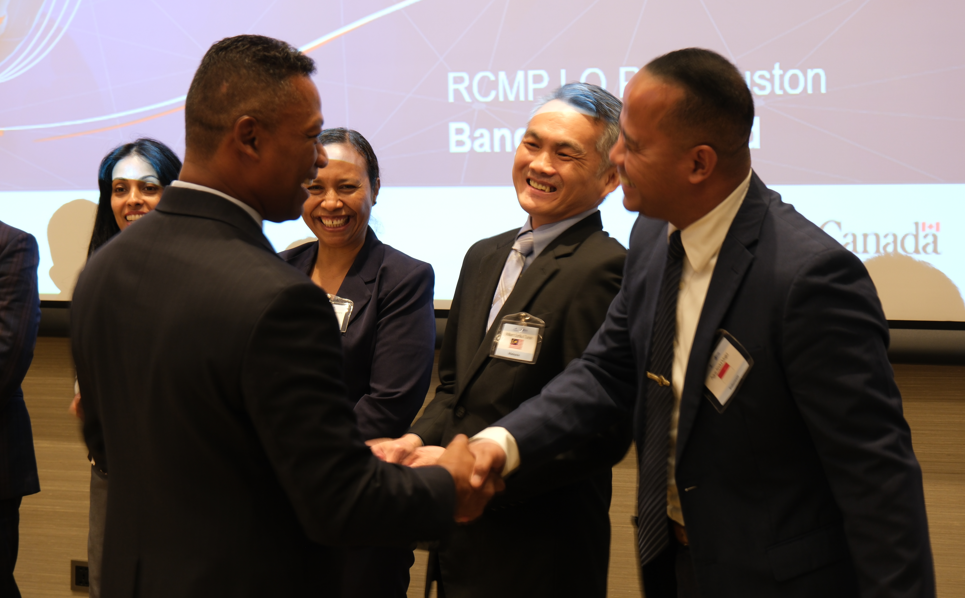
On the margins of the Constructive Dialogue, the RSO also convened its 2026 Members’ Engagement Function, bringing together Bali Process Members, diplomatic representatives, international organisations, and regional partners for an informal evening of networking and dialogue.
The function provided a dedicated space to strengthen relationships, foster new connections across sectors, and exchange perspectives on shared migration, border governance, and transnational crime challenges.

The evening also featured an art performance reflecting an individual’s journey through forced displacement and irregular migration, offering a human-centred lens on the complex realities underpinning regional migration dynamics.
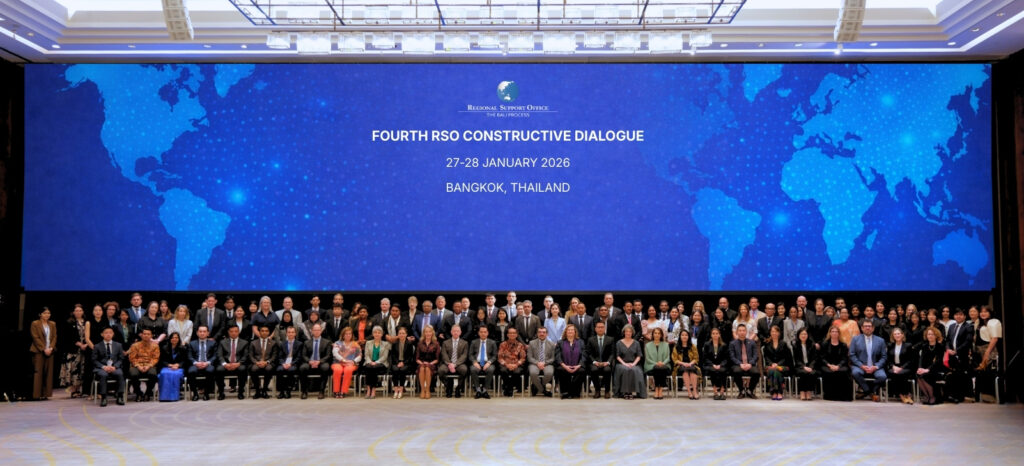 Delegates reaffirmed their commitment to advancing the objectives of the Bali Process 2023 Adelaide Strategy for Cooperation and to strengthening practical collaboration through regional mechanisms and partnerships.
Key insights and priority actions identified during the Fourth RSO Constructive Dialogue will be captured in the Dialogue Outcome Report. This will outline Collective Efforts and proposed actions to inform future programming and shared efforts.
The RSO extends its appreciation to all Bali Process Member and Observer States and Organisations, regional dialogues, and partner organisations that contributed to the Fourth RSO Constructive Dialogue.
The following Bali Process Members and Observers participated in the Fourth Constructive Dialogue:
Australia, Bangladesh, Brunei Darussalam, Canada, the People’s Republic of China, Fiji, France, India, Indonesia, Italy, Japan, Malaysia, Maldives, Nepal, the Netherlands, New Zealand, Norway, Pakistan, the Philippines, Sri Lanka, Thailand, Timor-Leste, Tonga, Türkiye, the United Kingdom, the United States of America, and Viet Nam, the International Labour Organization, the International Organization for Migration, the United Nations Refugee Agency, the United Nations Office on Drugs and Crime, the Intergovernmental Consultations on Migration, Asylum and Refugees, INTERPOL, the International Centre for Migration Policy Development).
The RSO also thanks international and regional partners for their active engagement, including ASEAN-Australia Counter Trafficking, ASEANAPOL, the Coordinated Mekong Initiative Against Trafficking (COMMIT Process), Embode, EU CRIMARIO, the ISEAS-Yusof Ishak Institute, the Organization for Security and Co-operation in Europe (OSCE), the Regional Operational Centre in support of the Khartoum Process, and the Remedy Project.