
Bangkok, Thailand
Cyber-scam centre operations are rapidly expanding across Southeast Asia, forcing millions of individuals into criminal activities through fraudulent recruitment and false job offers. Despite growing awareness and trafficking prevention efforts by governments and the private sector, the most vulnerable individuals still lack adequate access to crucial information—such as how to recognise deceptive recruitment tactics, identify warning signs, and understand the realities of exploitation within cyber-scam centres.
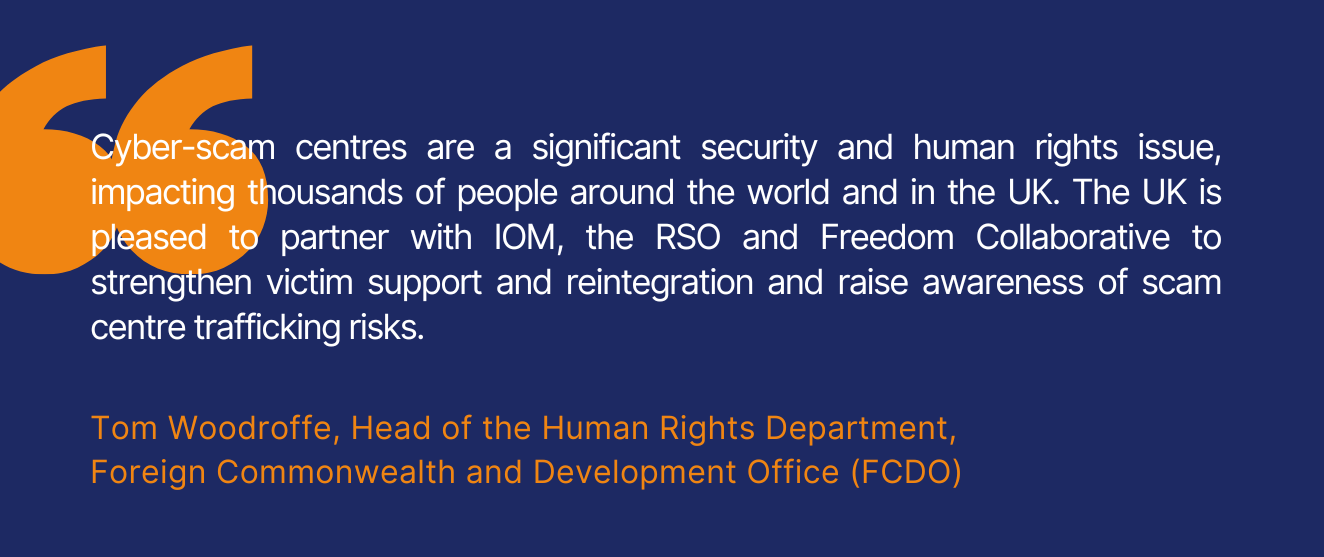
Preventing exploitation starts at the recruitment phase, specifically before victims begin their journey or while in transit. Yet, prevention efforts are often fragmented and under-resourced, leaving vulnerable populations exposed to trafficking and exploitation.
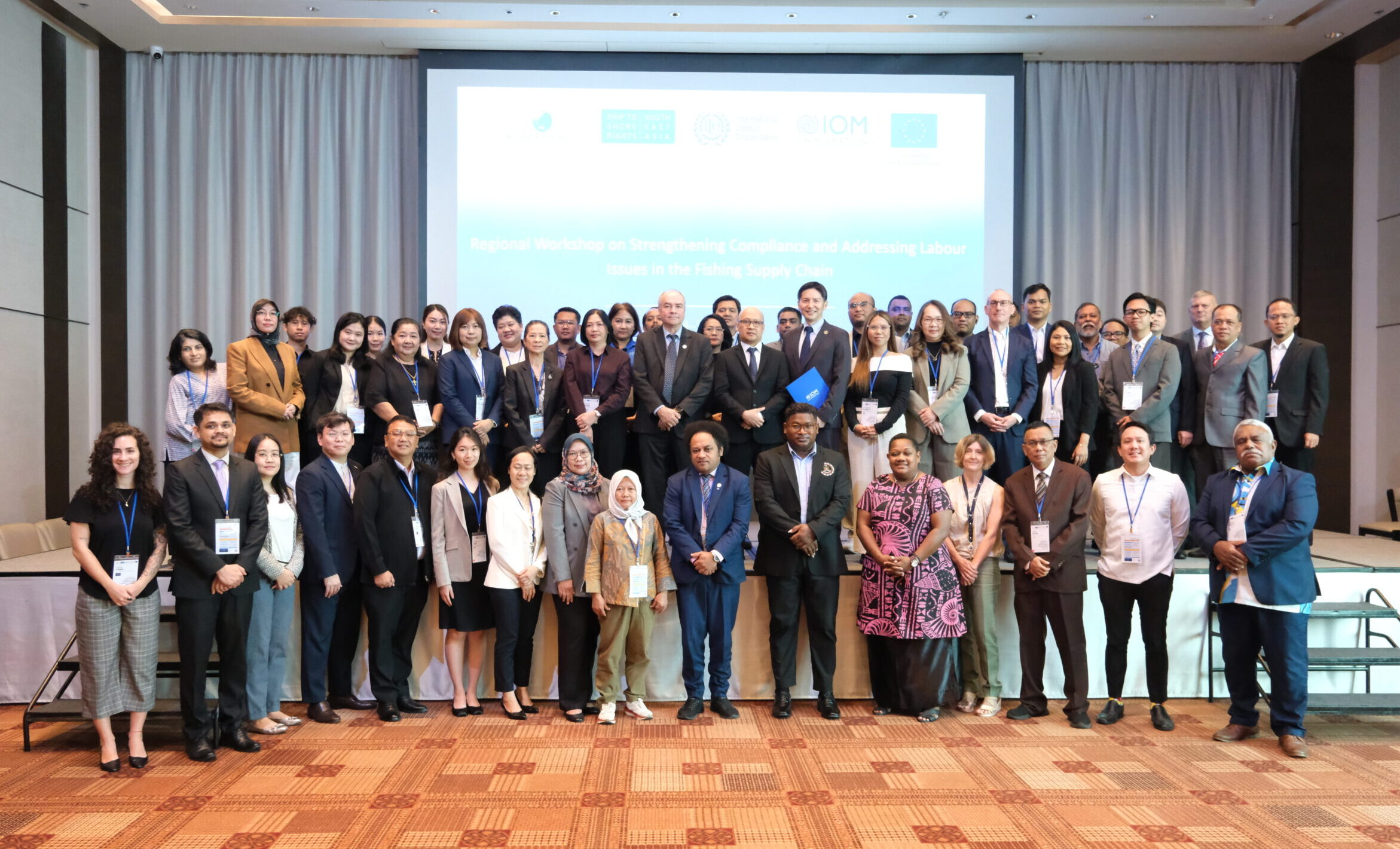
Building on the success of the previous UK-RSO collaboration that strengthened law enforcement responses to cyber-scam centres in Southeast Asia, the Regional Support Office of the Bali Process (RSO) is continuing its partnership with the United Kingdom to launch a new prevention-based initiative. Joining the partnership is Freedom Collaborative and the International Organization for Migration (IOM) Thailand who will strengthen the reach, community networks and deepen the research agenda of the project.
Transnational organised crime groups continue to utilise sophisticated recruitment tactics, making it increasingly challenging for individuals to differentiate between authentic and fraudulent job opportunities. These criminal networks employ advanced tactics, including the use of artificial intelligence to create convincing fake job postings and personas, exploiting the trust of potential victims. Once individuals are lured under false employment promises, they are trafficked and coerced into participating in online fraud schemes within heavily guarded cyber-scam centres.
While governments and partners across the region are taking steps to respond, significant challenges remain. Prevention messages do not always reach those most at risk, and frontline and consular officials need more tailored tools and training to detect victims early. To be truly effective, these materials and approaches must be informed by the experiences of survivors and the insights of those who directly support vulnerable populations.
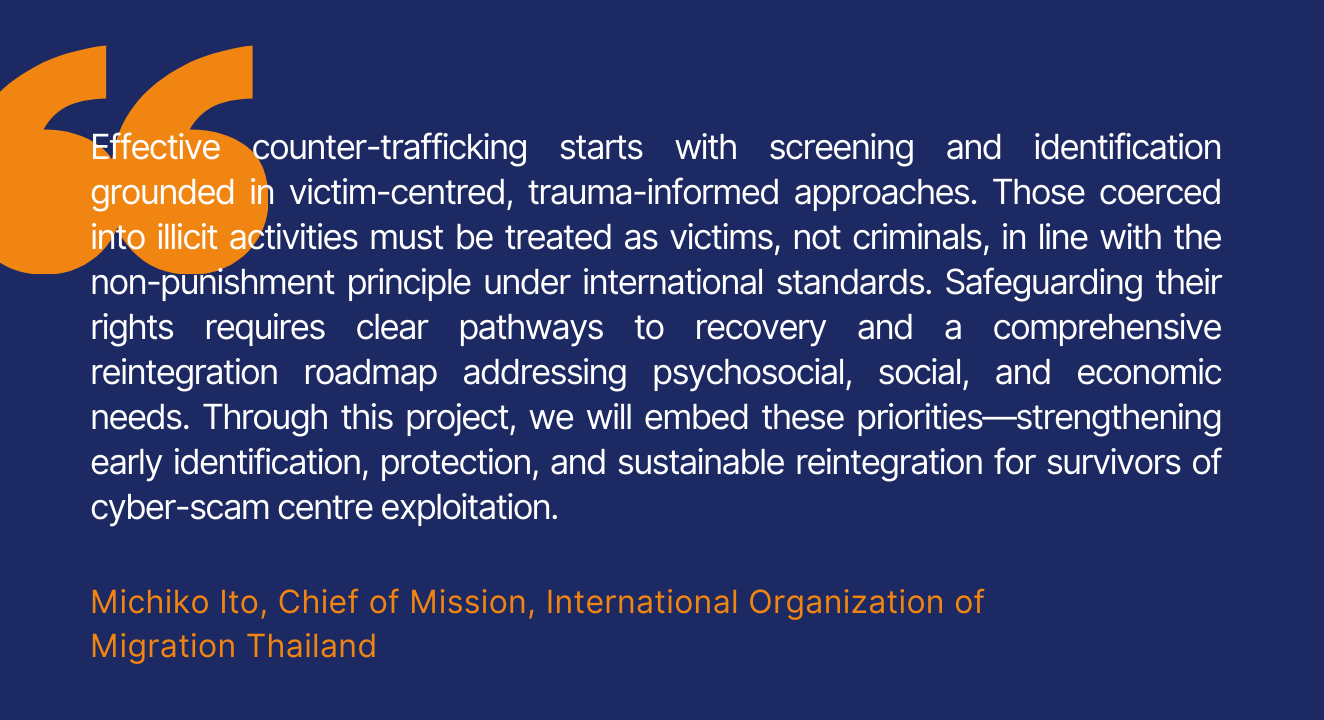
Grounded in evidence and survivor experience, this new initiative brings together governments, international organisations, and civil society organisations (CSOs) to strengthen upstream protection and early identification efforts. Through a combination of research, awareness campaigns, capacity strengthening initiatives and strategic briefings, the project will produce evidence-based materials targeting three key areas: raising awareness among potential victims, enhancing early identification by immigration officials at key source and transit locations, and supporting reintegration for trafficking survivors.
Key activities include:
- Targeted prevention campaigns: Co-designed with survivors and CSOs, these campaigns will be rolled out across source and transit countries, as well as on social media platforms targeting potential victims from identified at-risk countries. As part of this effort, we will also partner with national broadcasting committee and telecommunications operators in Thailand to disseminate anti-trafficking text messages to inbound travellers arriving in Thailand. Together, these campaigns aim to provide potential victims with clear, practical information both as they are in transit and before they are deceived by fraudulent job offers and trafficked into cyber-scam centres.
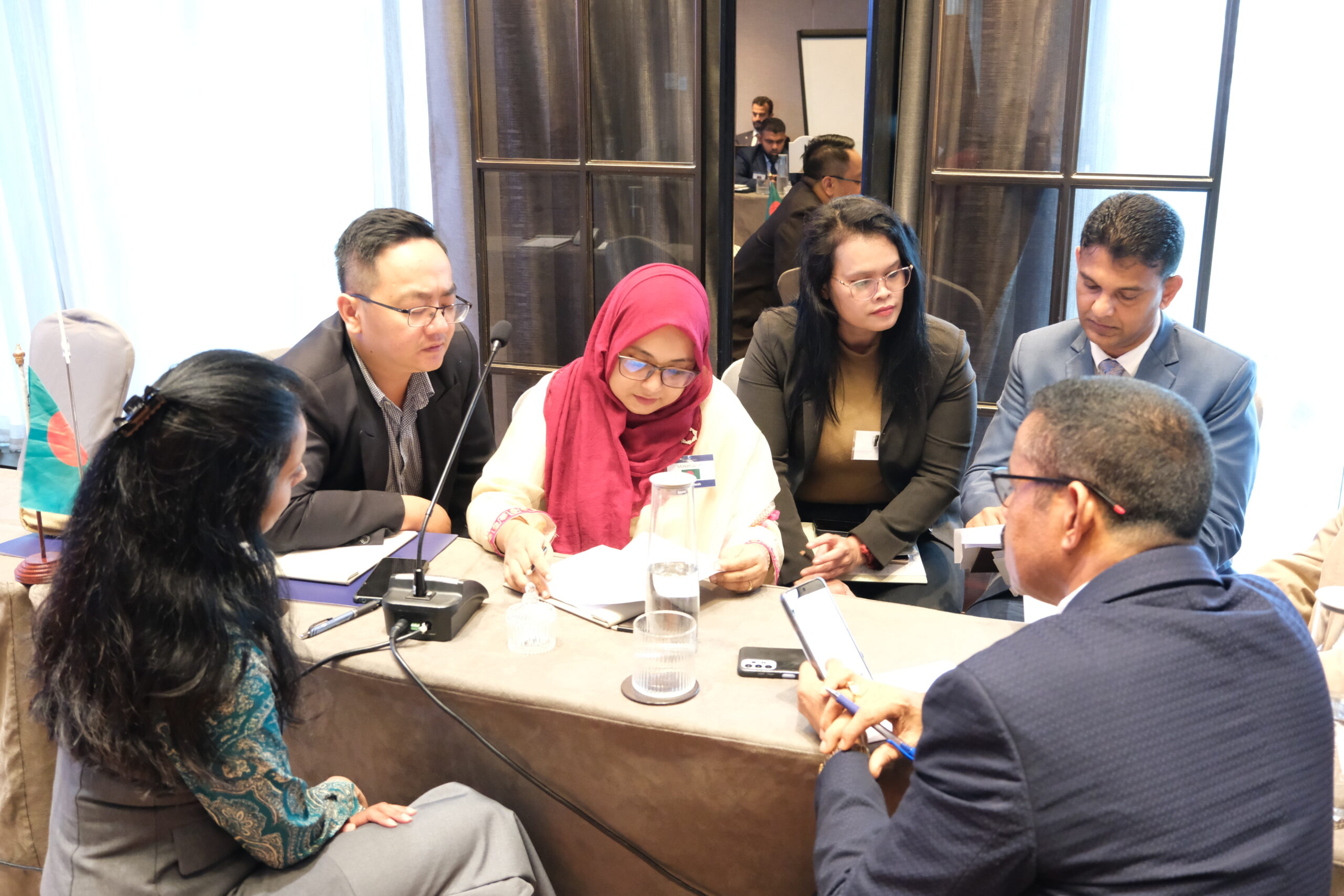
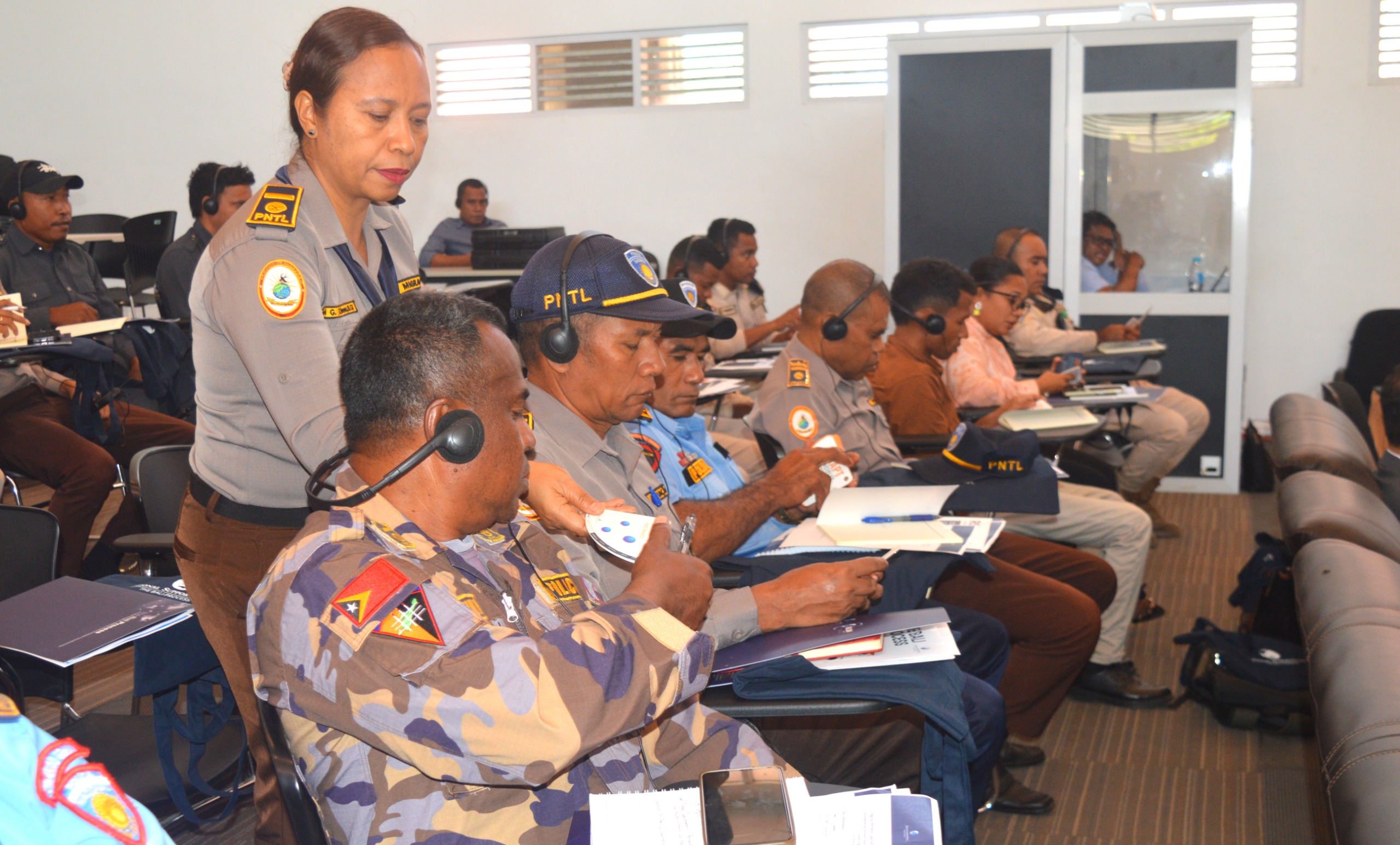
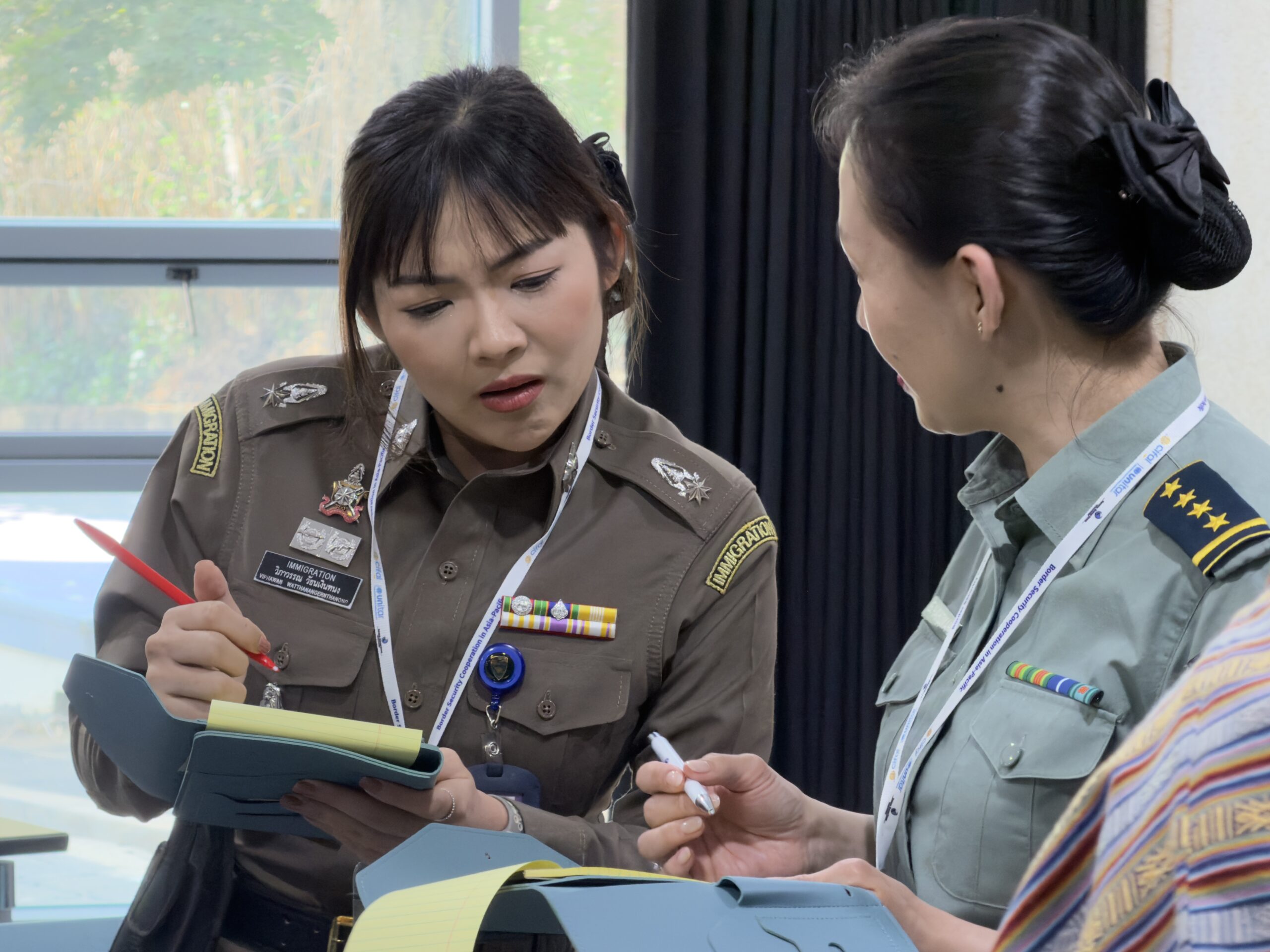
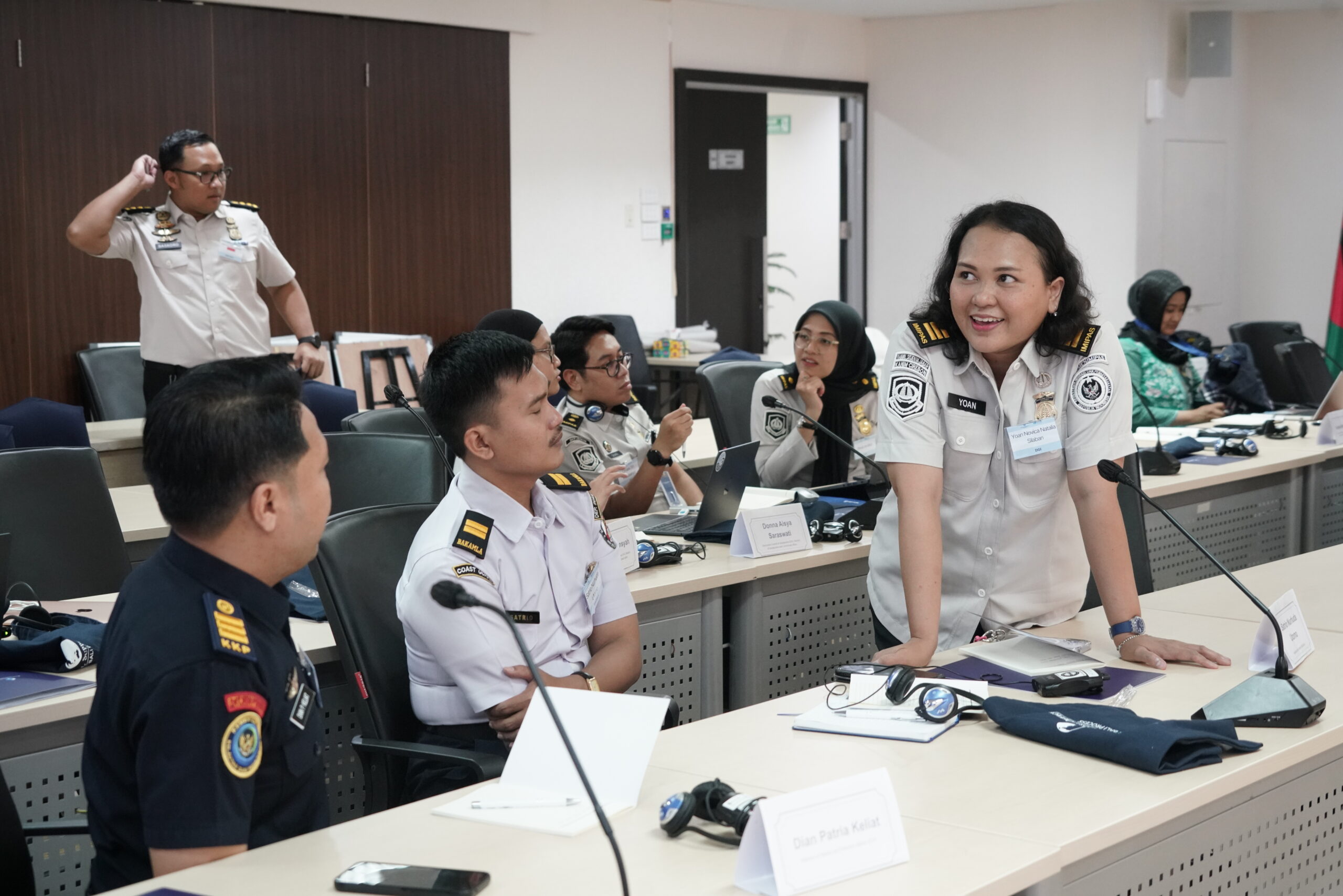
- Briefings for frontline and consular officials: The project will provide tailored briefings and reference materials for frontline and consular officials in identified origin countries. Embedded with survivor perspectives and civil society expertise, these briefings will support officials’ capacity for early identification and response to potential victims of trafficking, especially during the visa issuance process.
- Regional research on reintegration: A multi-country study will examine why and how individuals are trafficked into cyber-scam centres and the challenges they face after rescue, providing data to guide national policies and regional cooperation.
- Survivor-led reintegration in Thailand: In partnership with the Government of Thailand, survivor-led programmes will pilot psychosocial support, skills-building, peer exchange, and community reintegration initiatives in selected provinces.