
27-30 May 2025 • Chiang Saen, Thailand
Cyber-scam centres continue to operate at significant scale and with growing sophistication in Southeast Asia. Run by transnational organised crime groups, they deceive individuals with fraudulent job offers, traffic them across borders, and force them to commit scams—often romance or investment scams—under coercive, and, in many cases, prison-like conditions.
These operations involve a complex convergence of trafficking in persons, financial crime, and cyber fraud, causing harm both to the victims of trafficking coerced into carrying out scams and to those who fall victim to them.
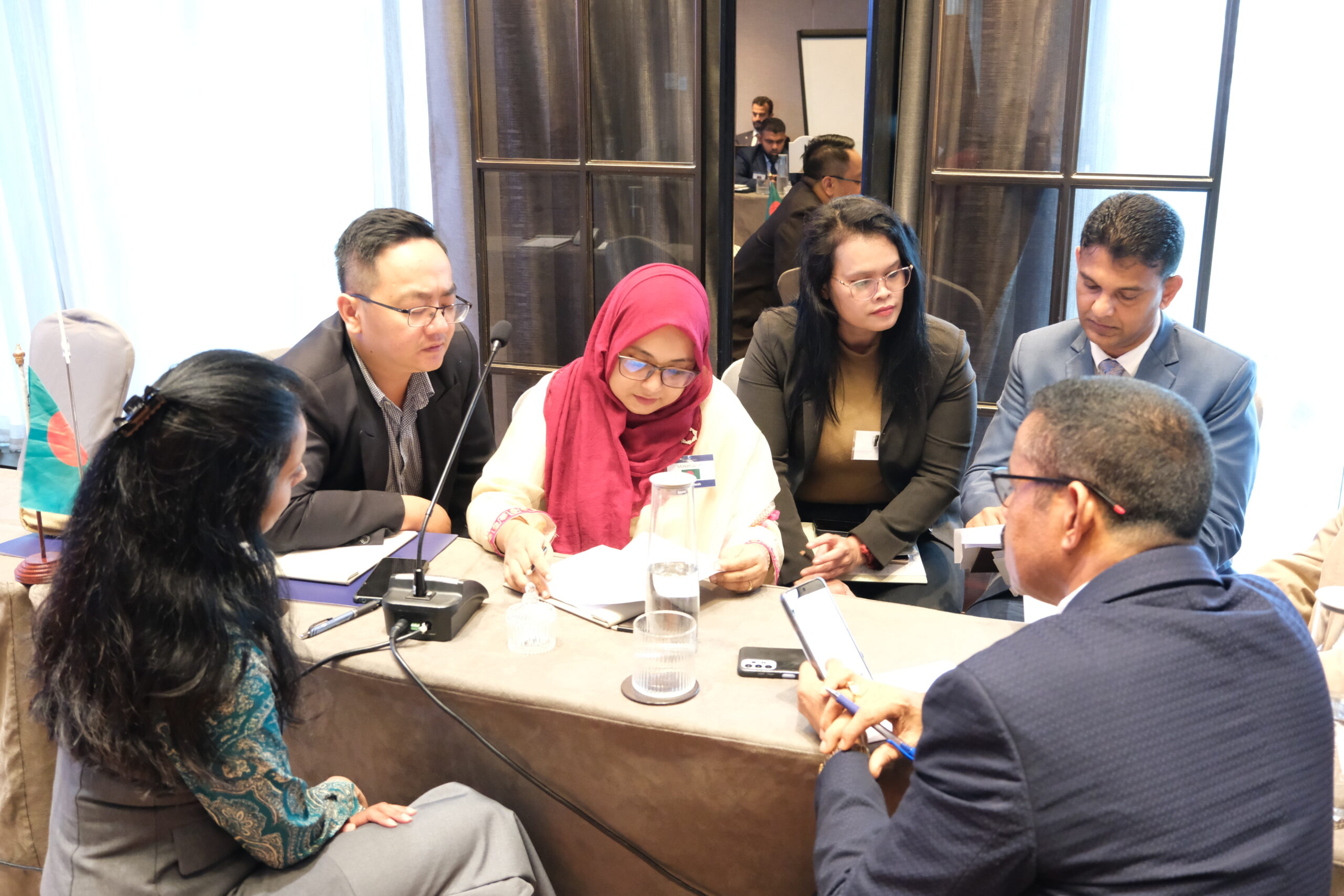
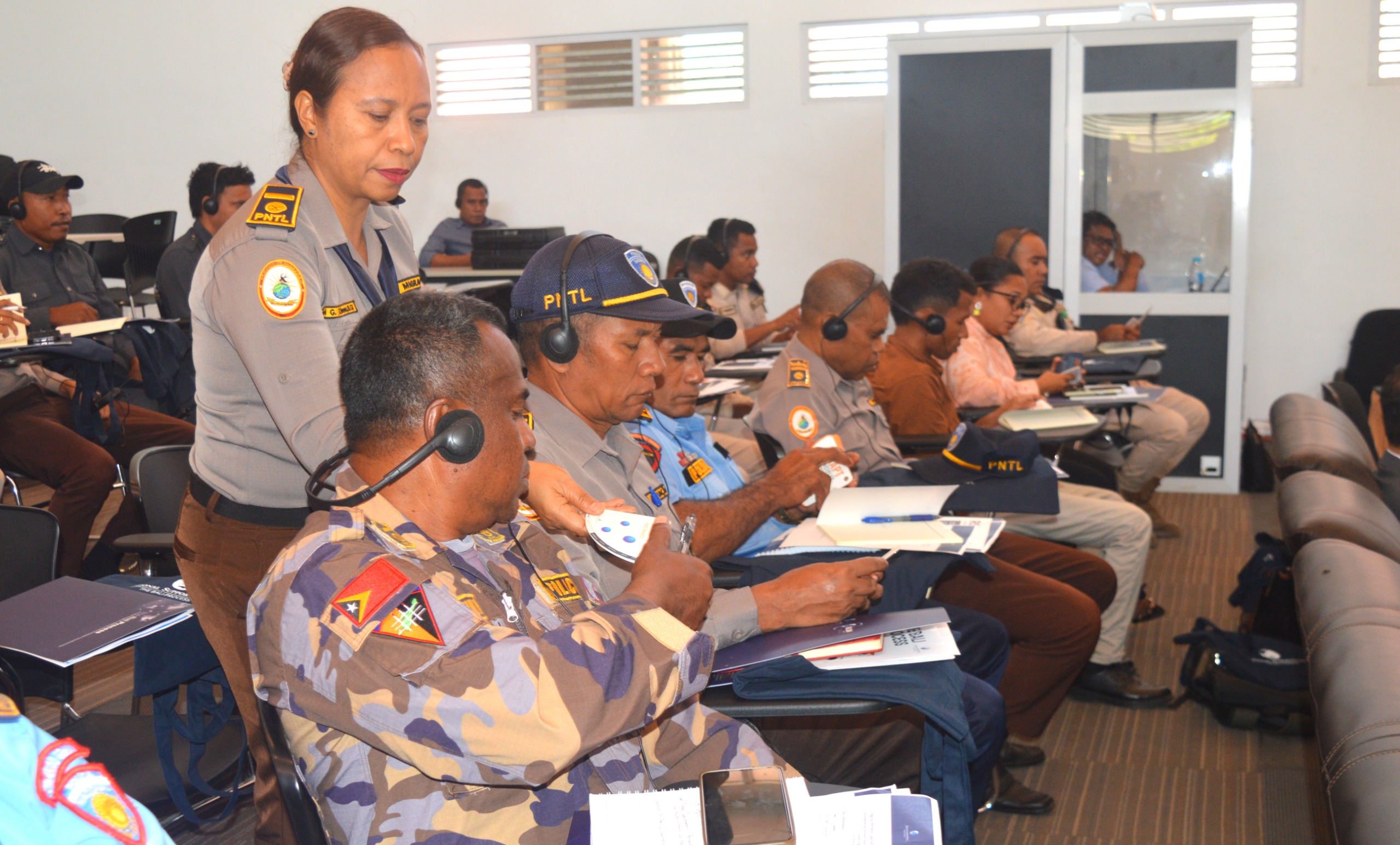
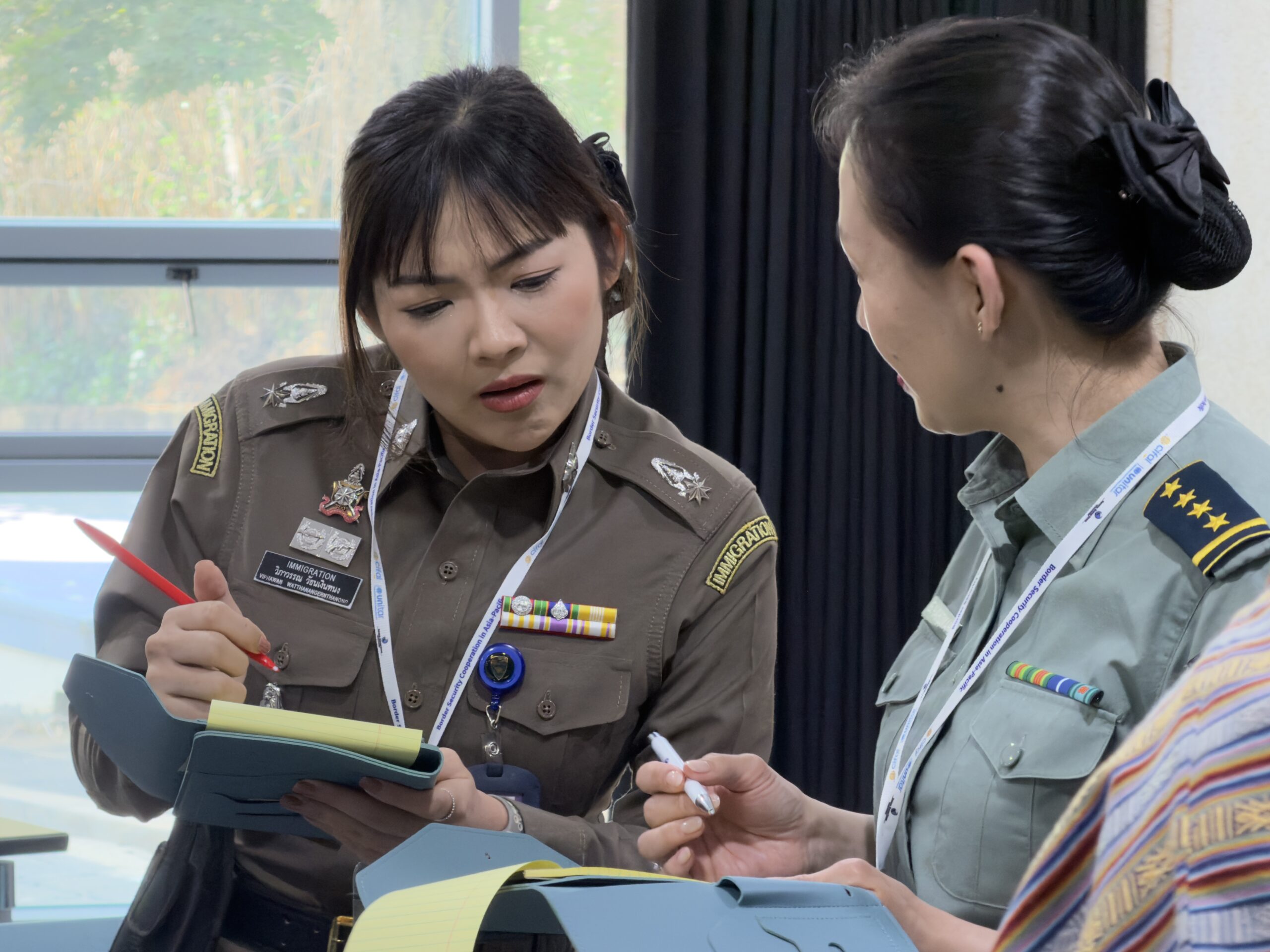
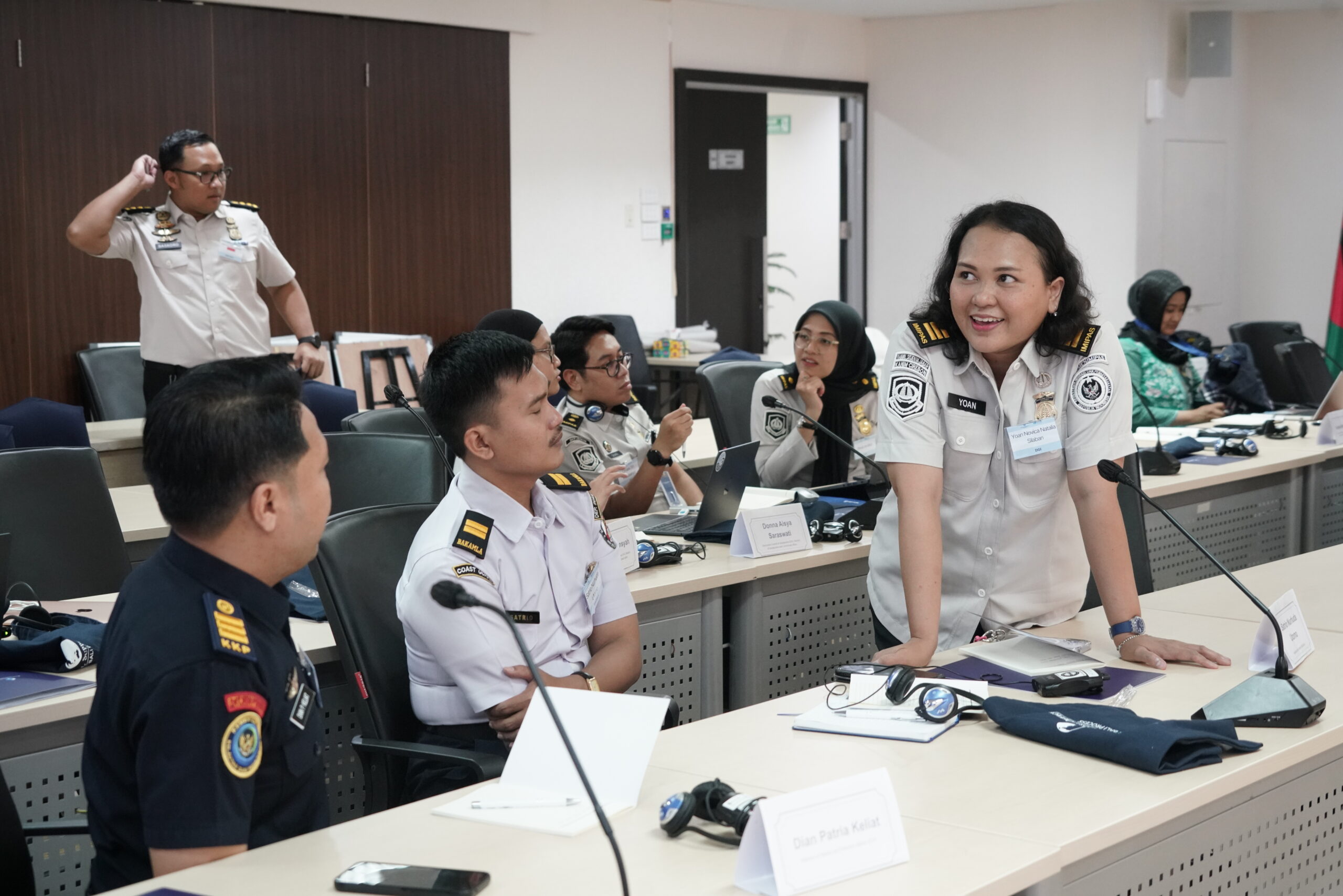
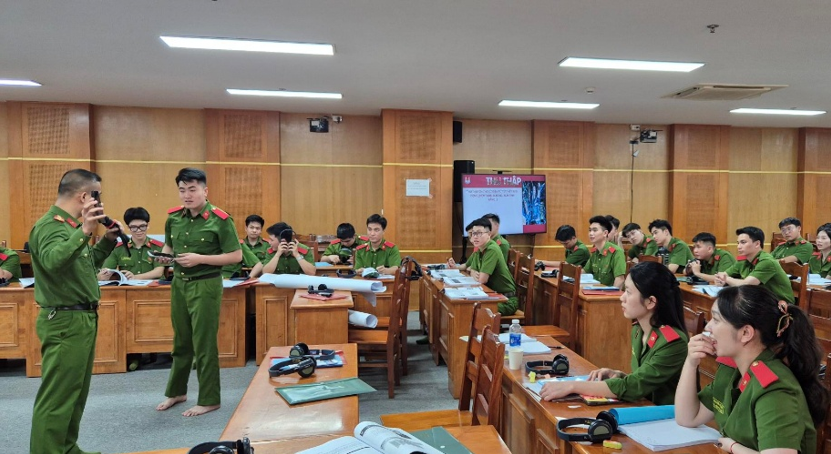
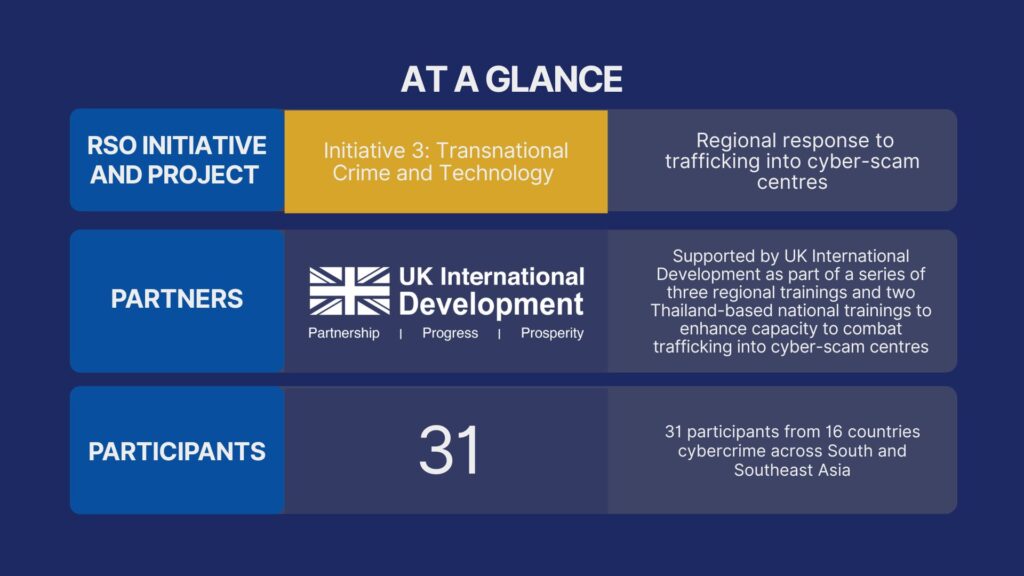
In response, and building on two earlier regional workshops in Colombo and Bangkok, the RSO convened a final four-day interregional online investigations workshop in Chiang Saen, bringing together 31 participants from 16 countries to strengthen coordination between those actively investigating cyber-scam centres and to continue to develop their ability to apply online investigation skills to cyber-scam centre investigations.

A view of the Golden Triangle Special Economic Zone, a known hub for criminality, including trafficking in persons and fraud, which continues to operate and expand in the Golden Triangle.
Uniquely positioned in the Golden Triangle, at the intersection of the Thai, Lao PDR, and Myanmar borders, Chiang Saen offered not just a training location—but a practical case context. By focusing on law enforcement cooperation, live operational environments, and more complex tools to conduct online investigations, this event deepened previous regional learnings, and connected frontline immigration officers and investigators to those primarily conducting online investigations into trafficking networks.
“These sophisticated crimes require us to strengthen our capabilities in Open-Source Intelligence (OSINT). OSINT provides us with the means to act proactively rather than reactively. Through these techniques, we can identify early warning signs of recruitment, map suspicious online behaviour, trace digital footprints across platforms, and analyse criminal patterns that span multiple jurisdictions and regions.”
– Fuad Adriansyah, RSO Co-Manager (Indonesia)
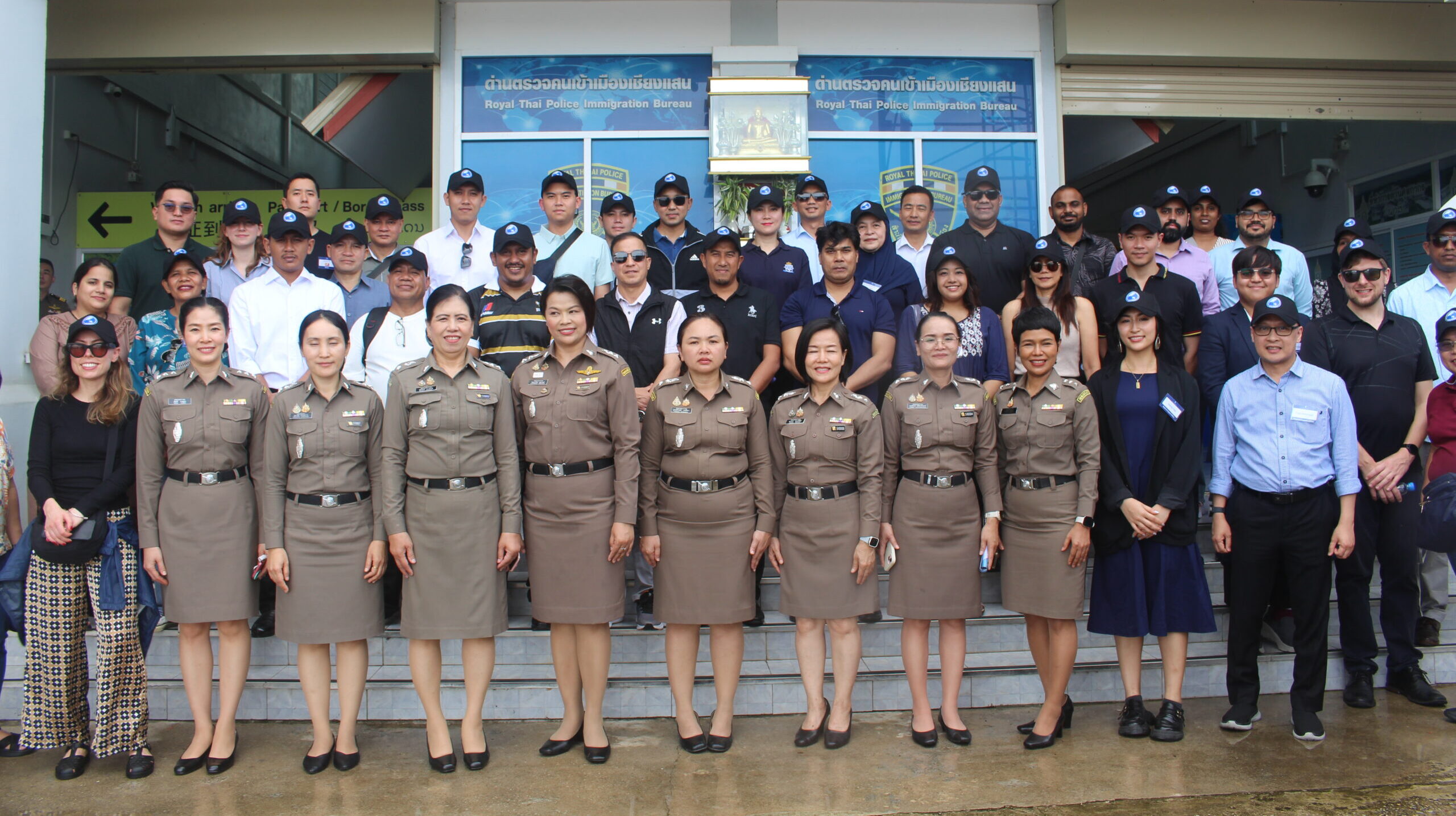
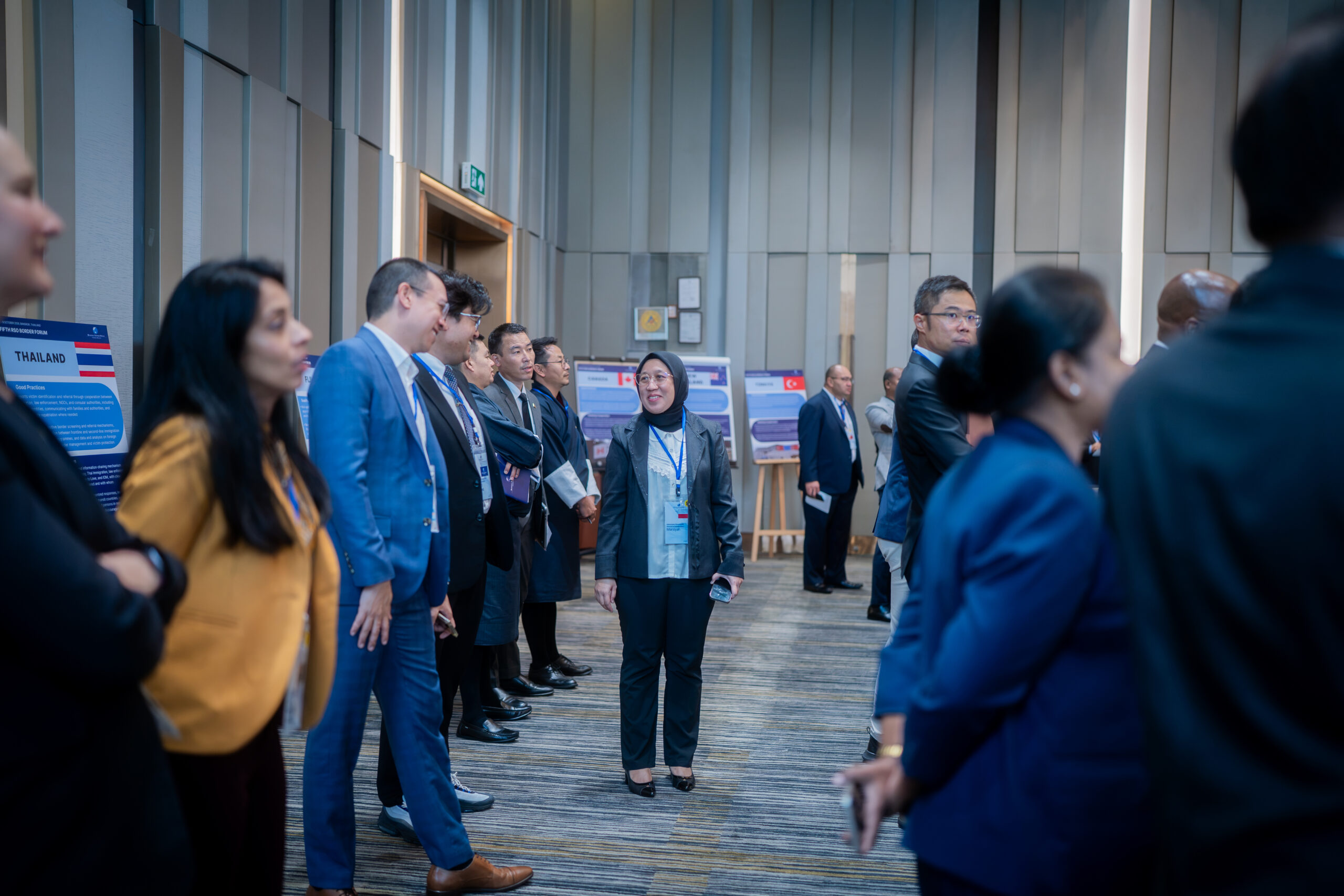
A key component of the workshop was knowledge sharing between frontline immigration officers and practitioners conducting online investigations through a field visit and operational briefing at the Chiang Saen Immigration Office.
Participants received a briefing on the operational challenges of working in the Golden Triangle region, where the convergence of three borders creates complex jurisdictional and enforcement difficulties. A field visit to Chiang Saen Immigration gave participants valuable context on the work of Thai authorities to prevent trafficking in persons, and on-the-ground realities of investigative priorities, vulnerabilities, and transnational crime in the Golden Triangle.
The visit also enabled participants to engage directly with Thai Immigration officers, providing delegates with enhanced practical understanding of Thailand’s immigration system, including the types of evidence available at immigration bureaus and the types of information requests they could make, supporting more proactive cross-border collaboration.
“It was great to have so many participants from our regional workshops join this interregional event. Being able to see their investigative skills develop over the past several months and having so many of the same participants return for an additional workshop has proven to be a strong model for supporting continued learning and engagement. We’ve seen real improvements in terms of capacity, but equally important has been fostering relationships and cross-border connections between investigators that will hopefully translate into successful investigations moving forward.”
– Ryan Winch, Transnational Crime and Technology Programme Manager, RSO


As cyber-scam operations continue to evolve, sustained investment in capacity building for frontline responders and strengthening of inter-regional networks remain as critical areas of focus to support a cohesive regional response to this global challenge.
The RSO will continue supporting participants through ongoing engagement and resource sharing over the coming months. Participants can expect regular follow-up communications, with the RSO providing support for questions that arise as they apply their new skills in real-world investigations. Participants were on-boarded to the RSO Alumni Network, supporting continued informal engagement amongst practitioners and access to professional development.
OSINT workshops will continue through the rest of 2025, with two additional national-level workshops planned in Thailand over the coming months.