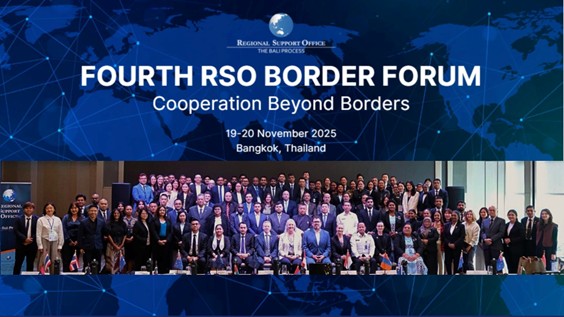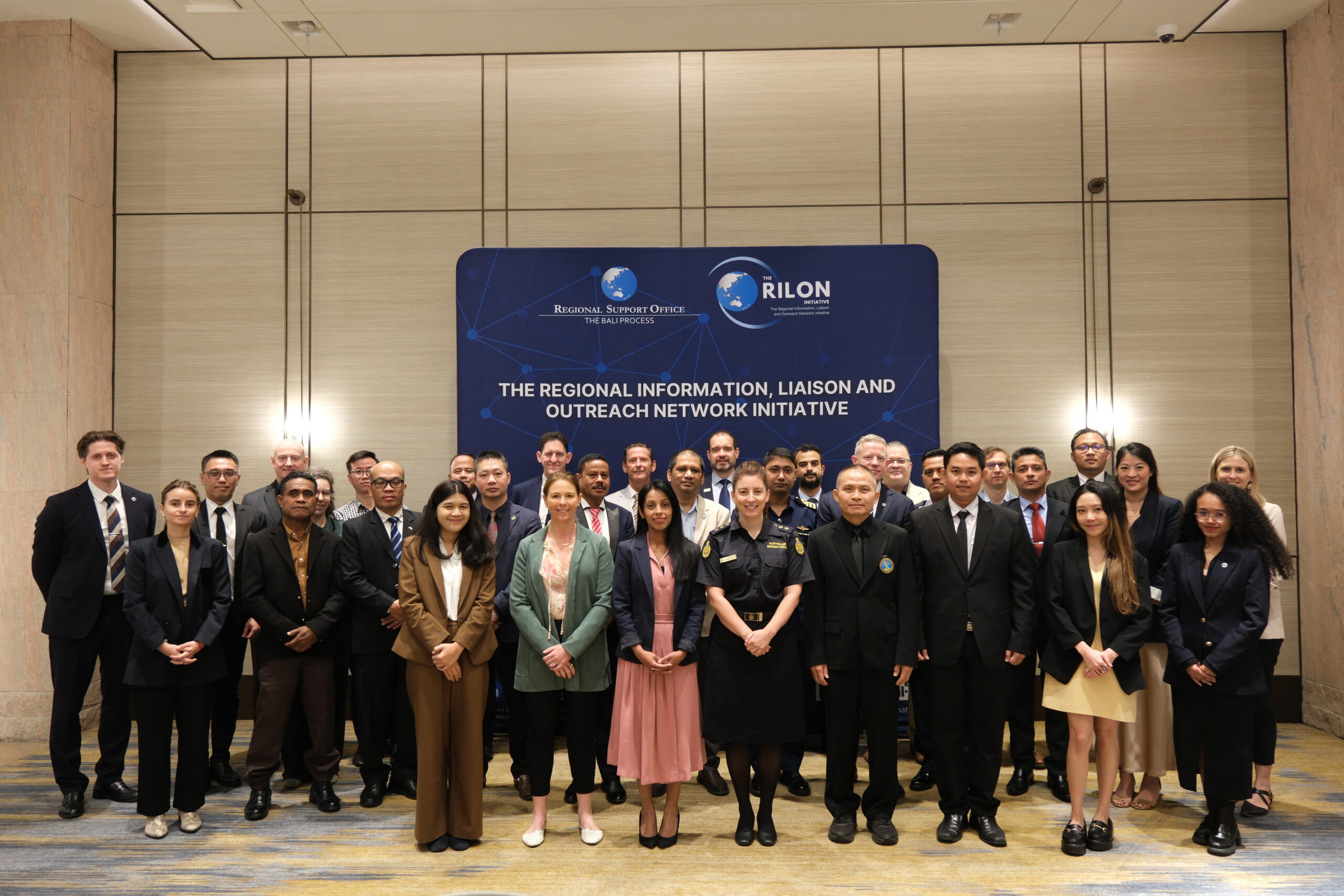

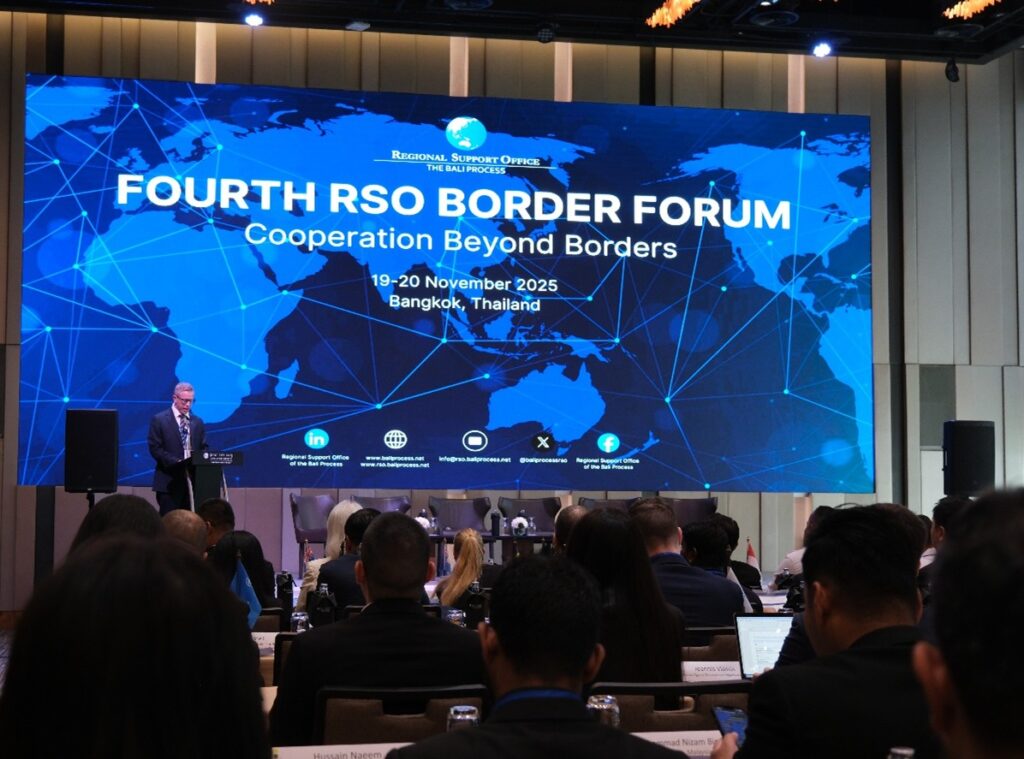
19 – 20 November 2025 • Bangkok, Thailand
As irregular migration routes shift and smuggling networks evolve faster than any one country can track alone, collaboration across borders isn’t optional—it’s the only way forward.
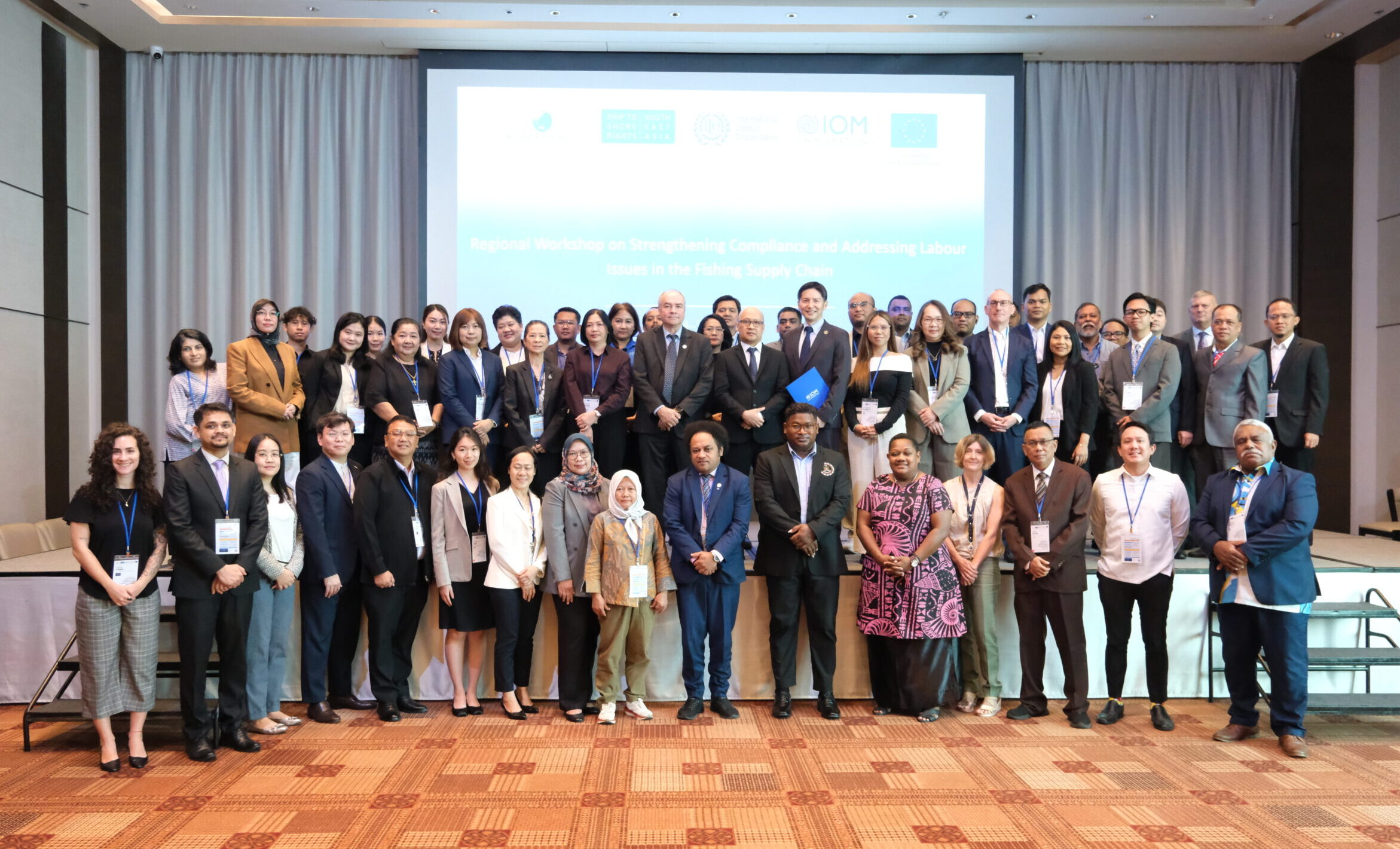
The Fourth RSO Border Forum brought together 140 Bali Process operational and border migration personnel to confront this shared challenge and build cooperation beyond borders.
Across the region, border and migration agencies are confronting increasingly agile criminal networks that exploit irregular migration pathways, technology gaps, and permissive entry systems.
The Border Forum is the RSO’s flagship capability development event bringing together operational personnel and frontline practitioners from across the broad geographical reach of the Bali Process, with sessions designed for senior and mid-level officials from border, immigration, law enforcement, aviation and maritime agencies actively engaged in frontline and interagency coordination.
Hands-on, practical, and delegate-driven sessions are designed to build operational skills and generate outputs that can be directly applied to participants’ day-to-day work, to strengthen the region’s collective response, prioritising cooperation that is practical, operational, and grounded in the day-to-day realities of those managing borders.
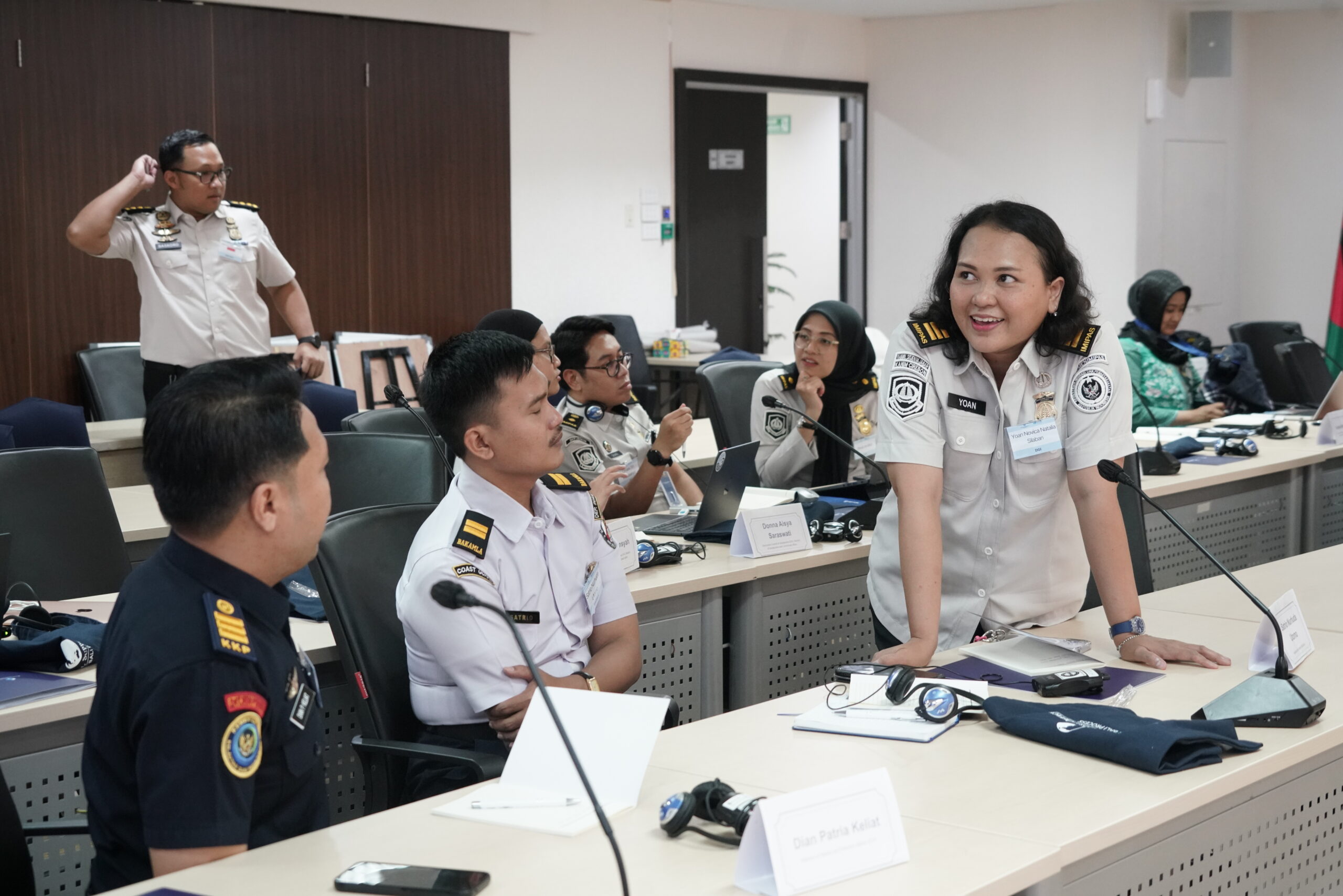
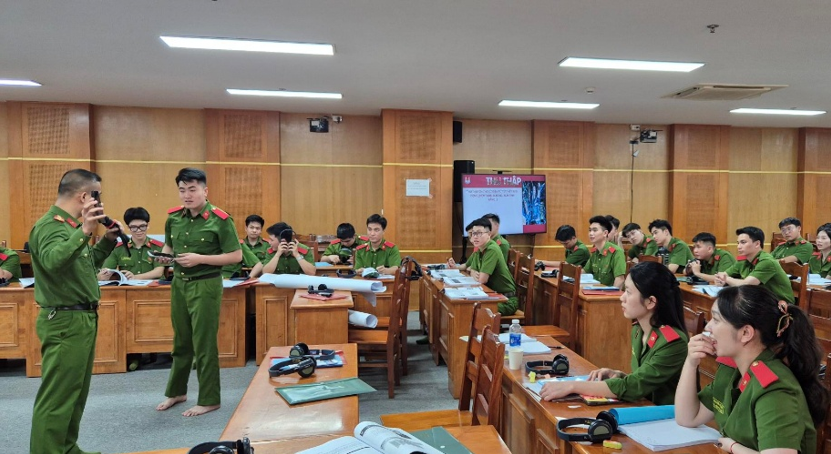
Through scenario-based activities, simulations and facilitated discussions, participants built a shared picture of smuggling and trafficking trends, stepped into the mindset of smugglers, strengthened victim-centred interviewing skills, and explored real-time cooperation models to address travel document fraud, missing migrants, corruption and border management in challenging security environments.
Held in Bangkok, Thailand, a major aviation and transit hub, the Forum emphasised skills that could support and enhance ways of working once back in the field. Operational and border migration personnel worked through real aviation document fraud cases with the Bangkok Immigration Control Experts Team, mapped gaps in maritime information-sharing, practised trauma-informed interviewing techniques, and explored missing-migrant identification through internationally recognised protocols.
Across sessions, pressing operational challenges facing the region surfaced:
- fragmented inter-agency cooperation,
- emerging cyber-enabled recruitment,
- insider facilitation,
- and rising fatalities along irregular routes.
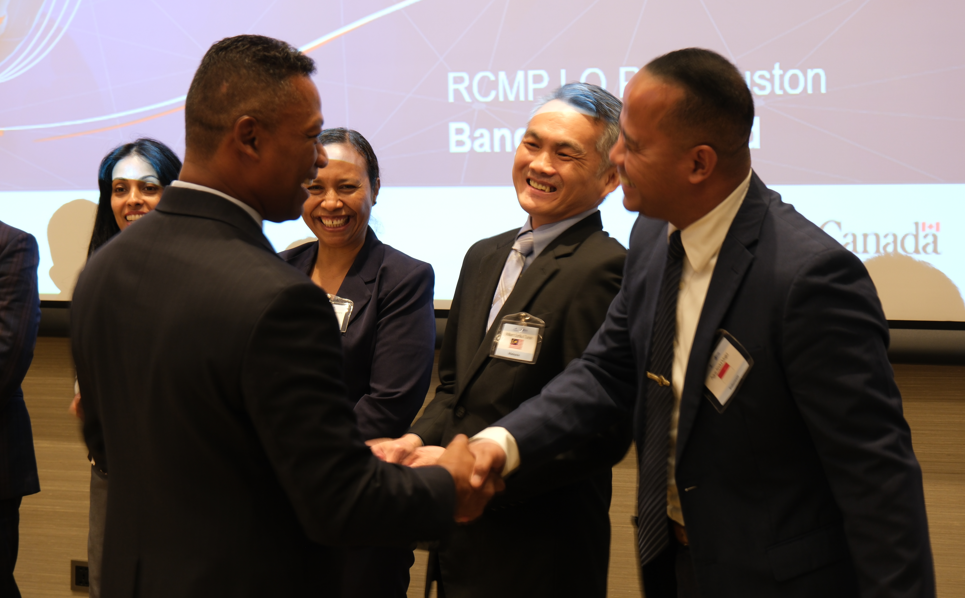
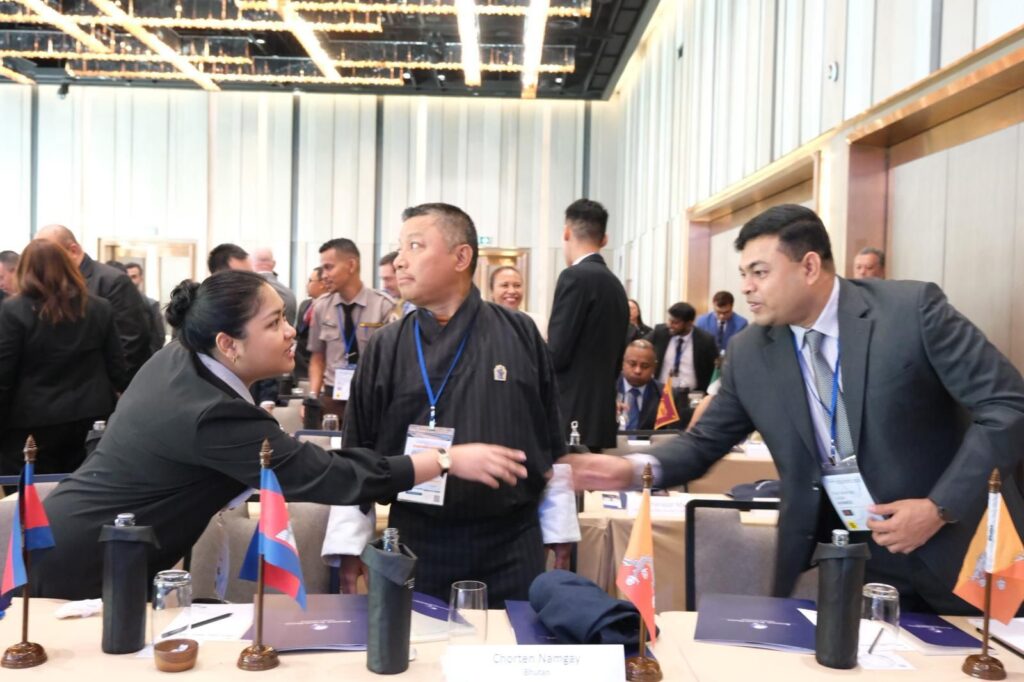
Networking sessions and small-group work gave space for delegates to exchange their own cases, compare national practices and form new contact points, reinforcing person-to-person relationships as the basis for future joint investigations and cross-border information-sharing.
The Forum opened with remarks from David Scott, RSO Co-Manager (Australia), who underlined that no single country can respond alone as smuggling and trafficking networks rapidly adapt and automation reduces face-to-face screening opportunities.
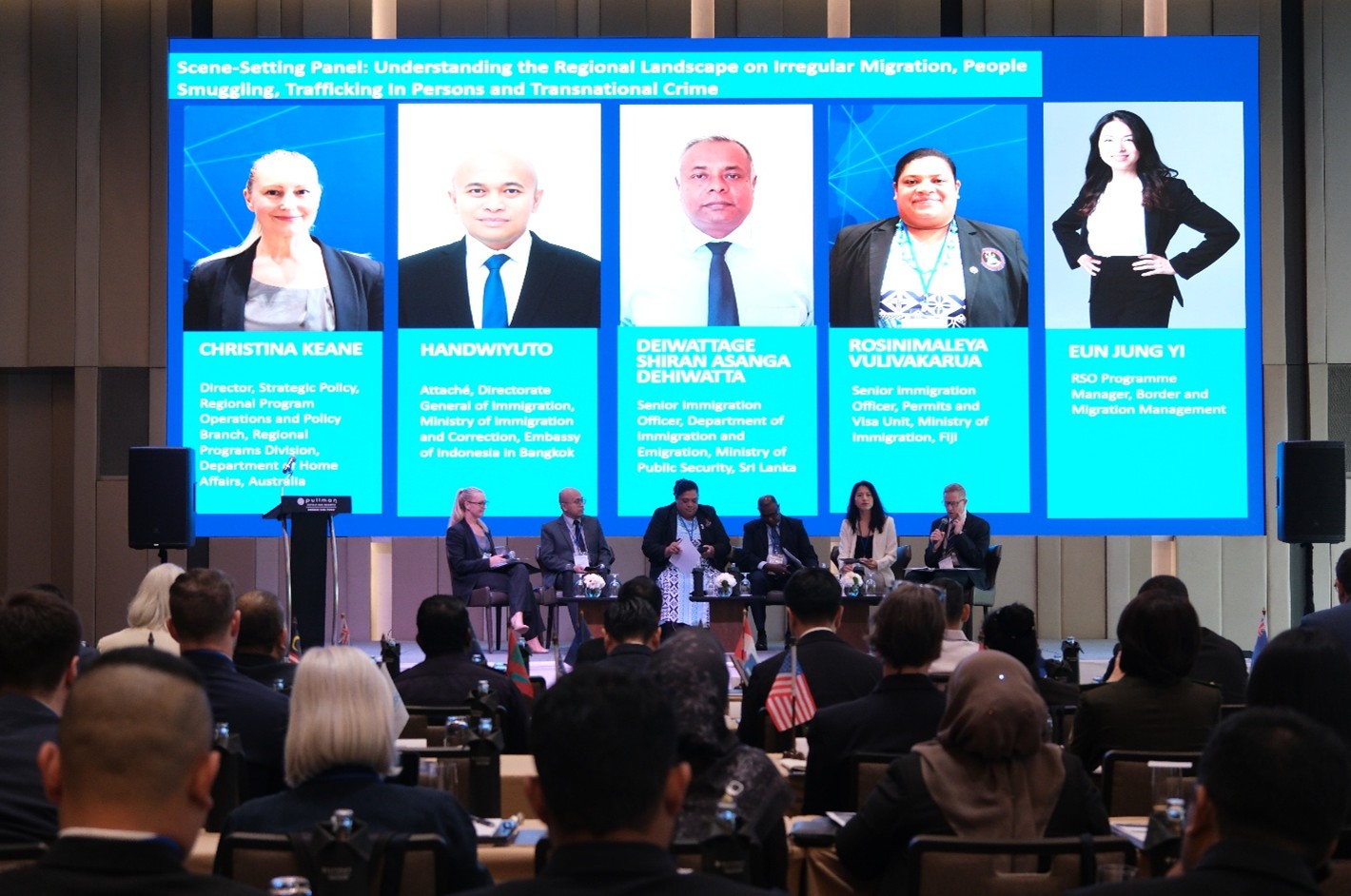
A scene-setting panel featuring Australia, Indonesia, Sri Lanka, Fiji and the RSO provided a cross-regional overview of shifting air, land and maritime routes, the growing challenge of online recruitment for trafficking into forced criminality and cyber-enabled crime, and the operational strain on operational and border migration personnel working with limited time and resources. Panelists stressed that what happens in one jurisdiction quickly affects others, urging delegates to recognise shared patterns and pressure points.
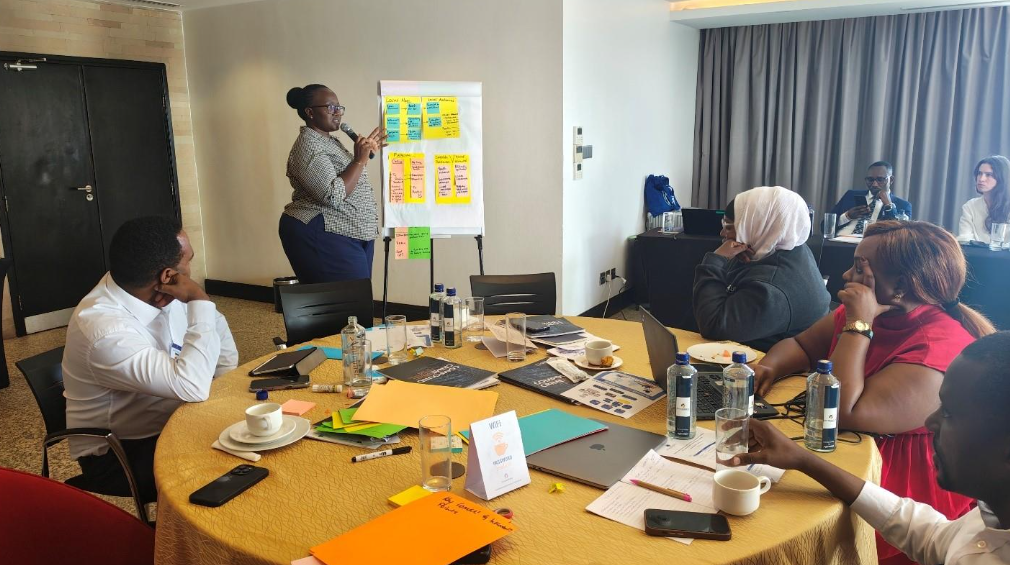
In small-group discussions, delegates linked these regional trends to their own borders, identifying common issues such as fragmented inter-agency coordination, slow formal information-sharing, gaps in skills-based training and difficulties in systematically identifying victims and migrants in vulnerable situations. The first round of thematic workshops allowed participants to choose between sessions on corruption and insider facilitation, maritime information-sharing, and smuggling operations from an adversary perspective. These workshops allowed delegates to translate the morning’s analysis into concrete operational scenarios and jointly explore where systems are strongest—and where they are most exposed.
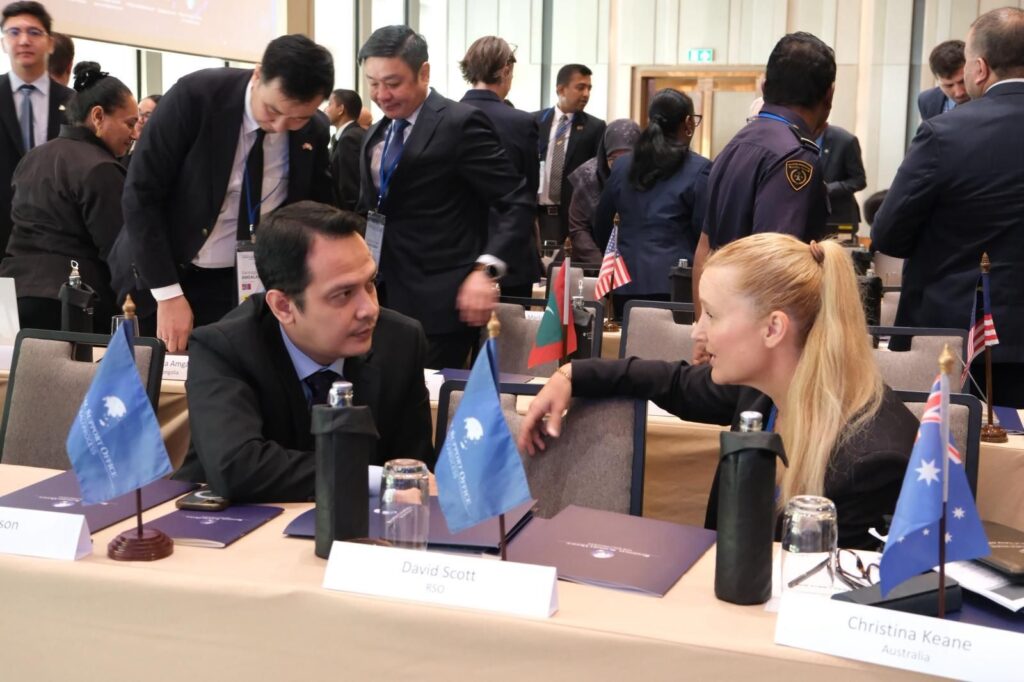
Day 2 opened with a recap of key messages from delegates themselves: the need for stronger engagement with airlines and technology providers; more targeted, practical training for the right officers; and deeper cross-border cooperation through trusted, real-time channels. Participants then moved into a second workshop rotation, with new and repeat offerings on fraudulent travel documents in aviation, trauma-informed interviewing, border management in challenging security environments and cooperation on the identification of missing migrants.
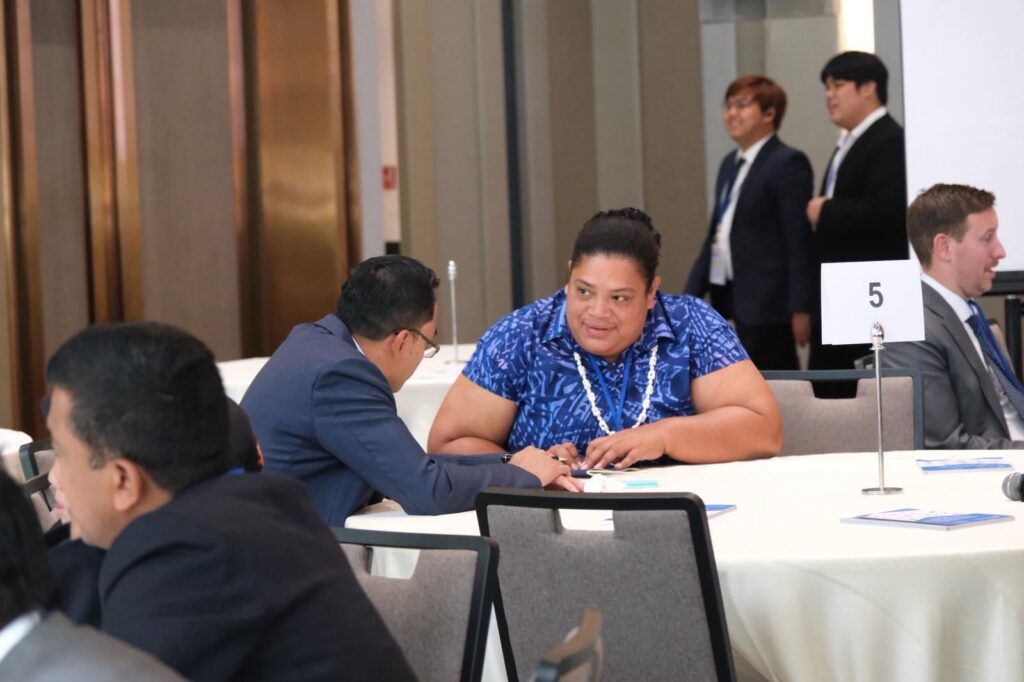
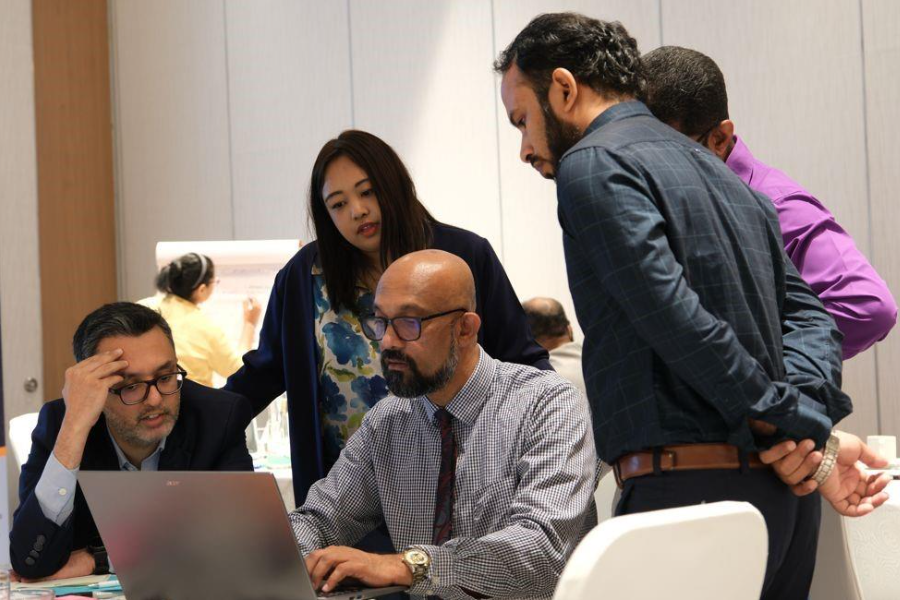
These sessions gave operational and border migration personnel a chance to test investigative decisions, practice document-fraud detection techniques drawn from real cases and strengthen models for maritime and land-border coordination.
In the final plenary and small-group reflections, chairpersons drew together practical actions for national and regional follow-up. Delegates agreed that Forum findings should be channeled back to their capitals and senior officials and will be further discussed at the Fourth RSO Constructive Dialogue meeting for Senior Officials in January 2026, helping to shape concrete next steps for cross-border practice, targeted training and strengthened cooperation across the Bali Process region.