
9-12 June • Jeju, Republic of Korea
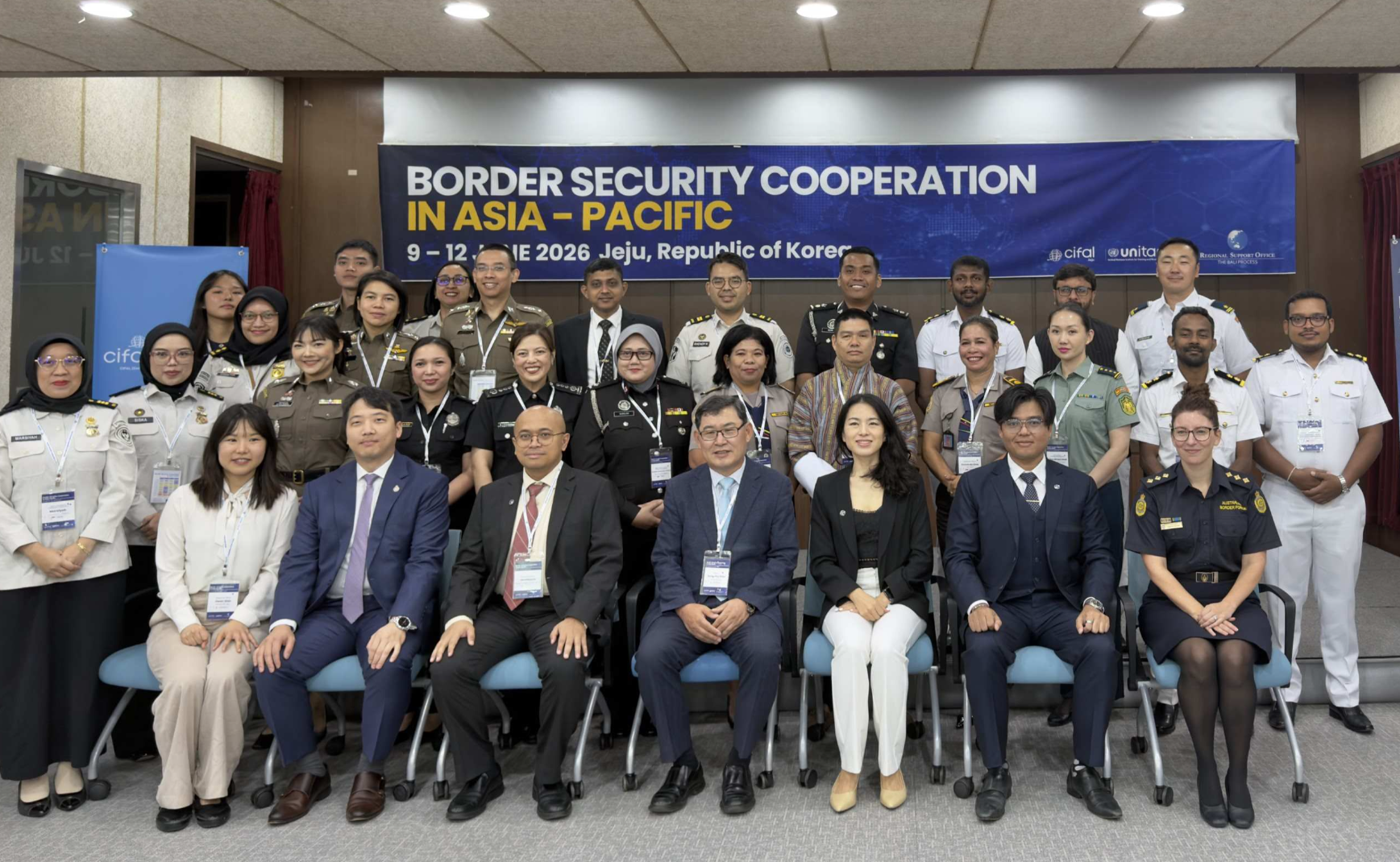
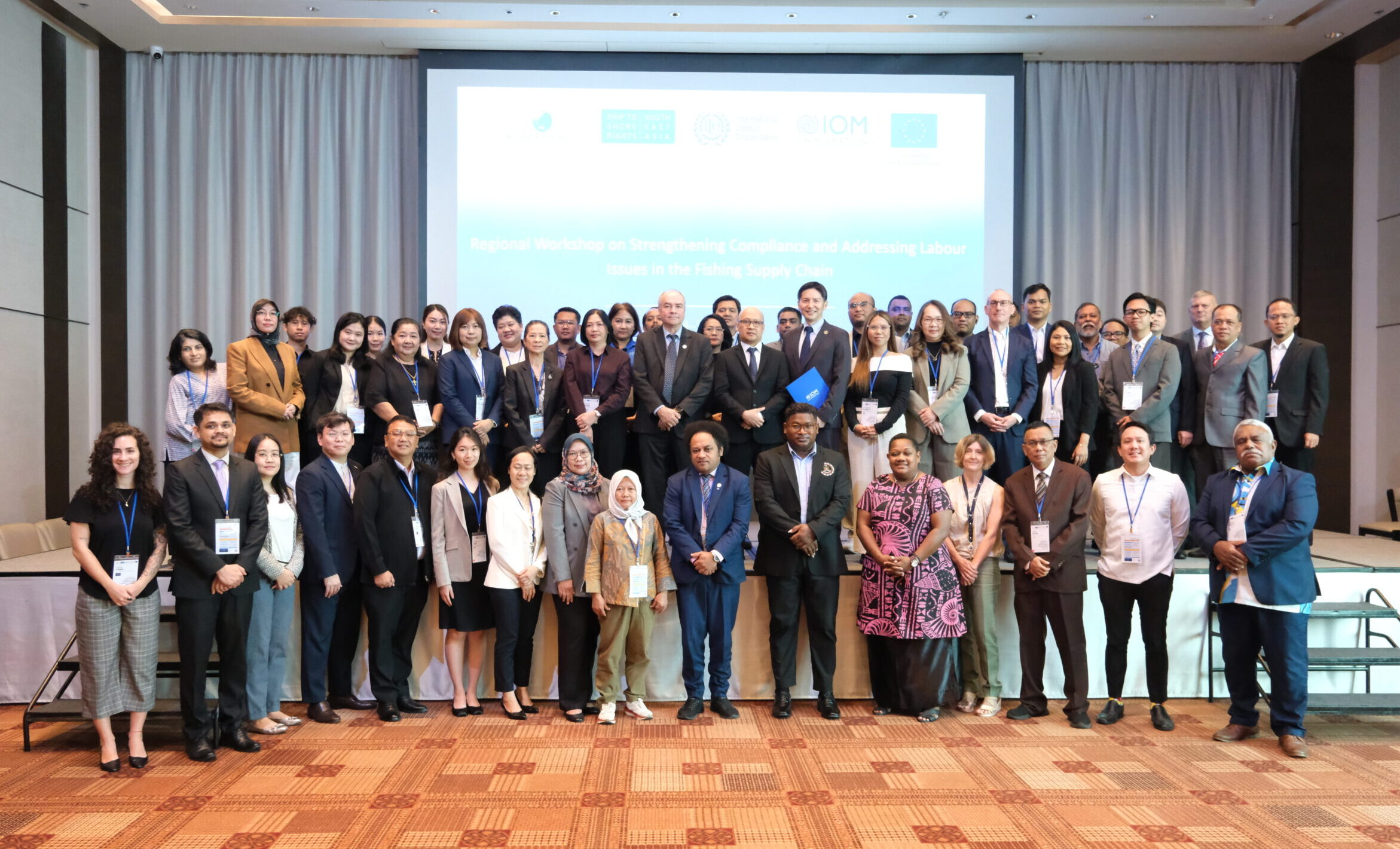
The Regional Support Office of the Bali Process (RSO) brought together immigration and border officials from nine Member States for a four-day workshop on Border Security Cooperation in Asia Pacific in Jeju, Republic of Korea, aimed at strengthening how frontline agencies assess risk and coordinate across borders.
 Border management across the Asia–Pacific region is evolving rapidly in response to growing mobility, digitalisation, and increasingly complex migration dynamics. States are balancing facilitation of legitimate travel and trade with the need to safeguard identity integrity, detect fraud, prevent transnational crime, and manage irregular migration flows.
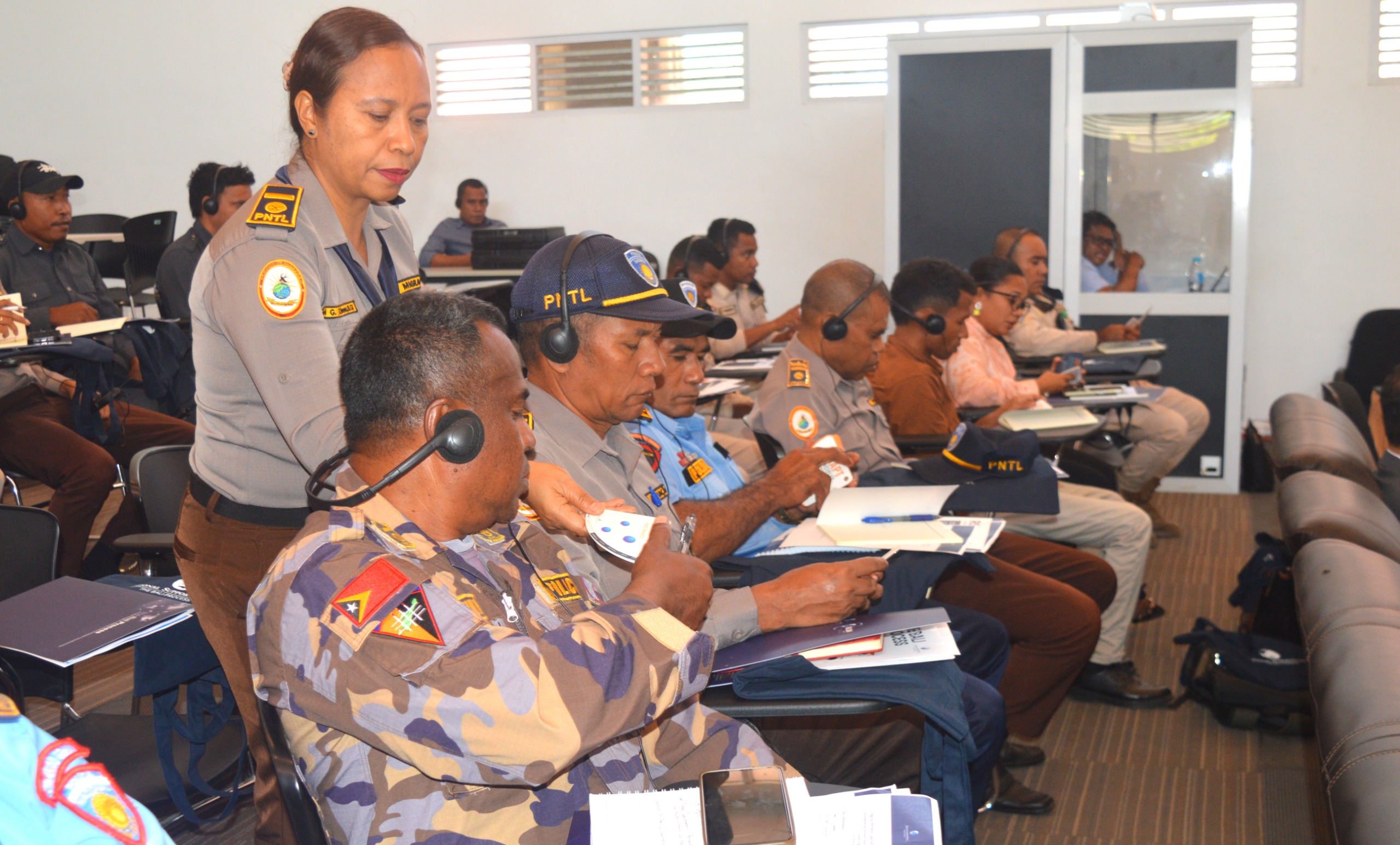
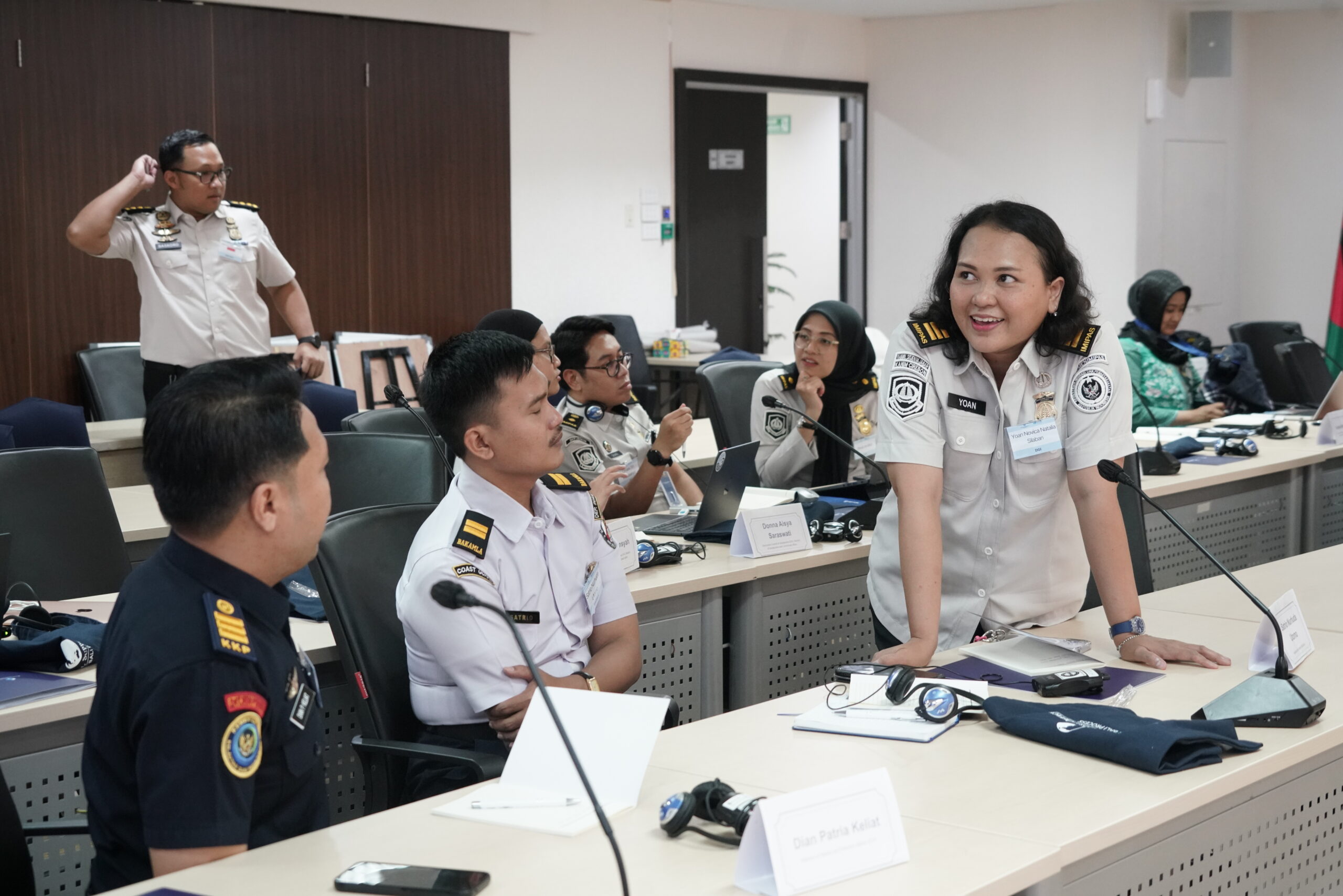
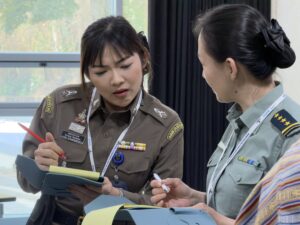
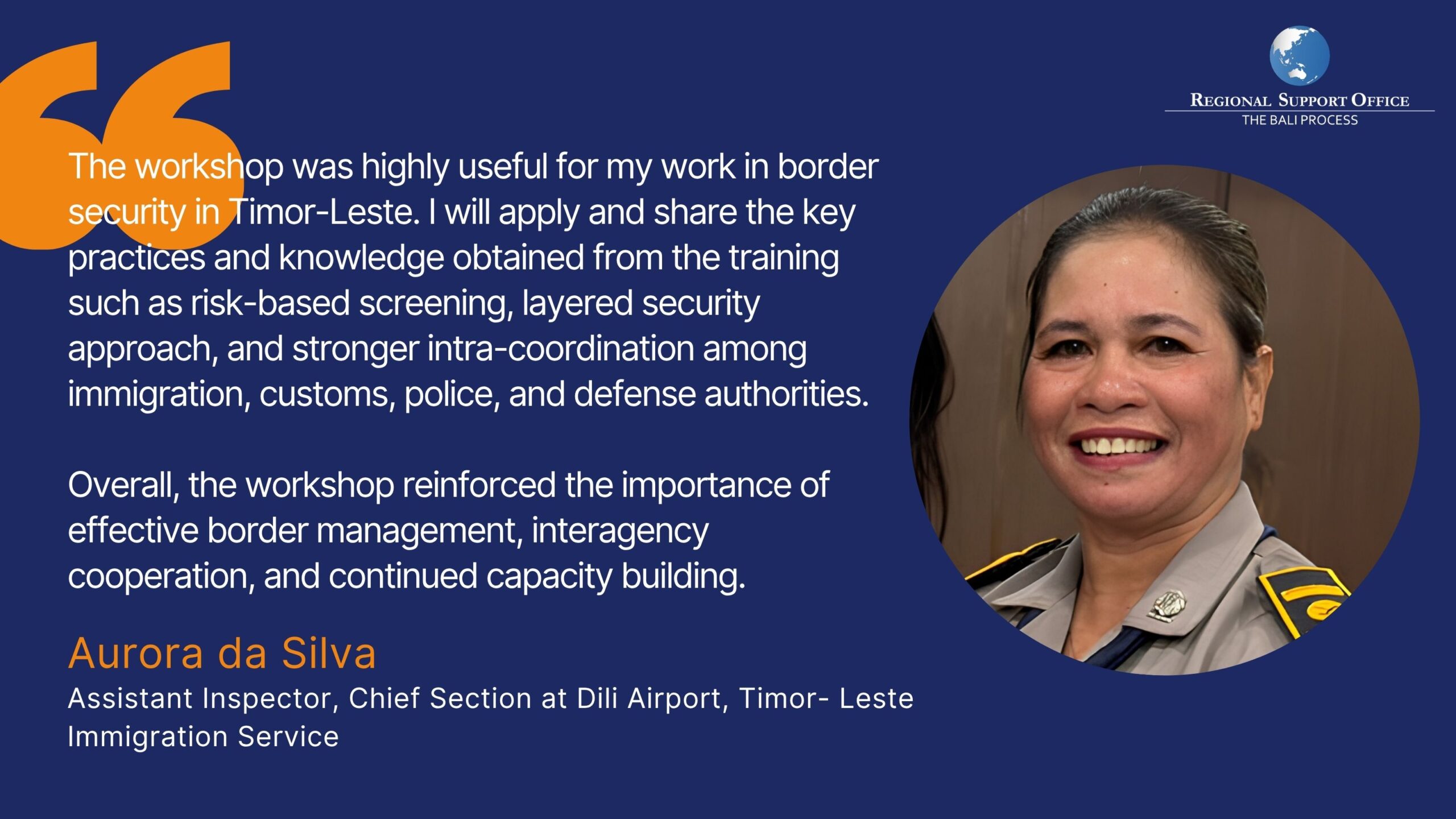
Frontline officials from Bhutan, Indonesia, Malaysia, Mongolia, Pakistan, the Philippines, Sri Lanka, Thailand and Timor-Leste spent the week exchanging experiences and testing new approaches to air border management—from document issuance and identity verification to the handling of inadmissible passengers and migrants in vulnerable situations.
The workshop was led by the RSO, with sessions co-hosted by the United Nations Institute for Training and Research (UNITAR) Jeju International Training Center (CIFAL Jeju). The workshop was also supported by facilitators from the Australian Border Force (ABF), Canada Border Services Agency (CBSA), the Australian Government Department of Home Affairs (DHA), the International Civil Aviation Organization (ICAO) and Indonesian Immigration.
 Border management across the Asia Pacific is evolving towards more technology enabled governance, driven by the growing use of biometric systems, digital travel documents, risk-based targeting tools and cross-border information sharing. At the same time, frontline agencies are responding to evolving challenges, including changing irregular migration patterns, document fraud and online facilitated people smuggling.
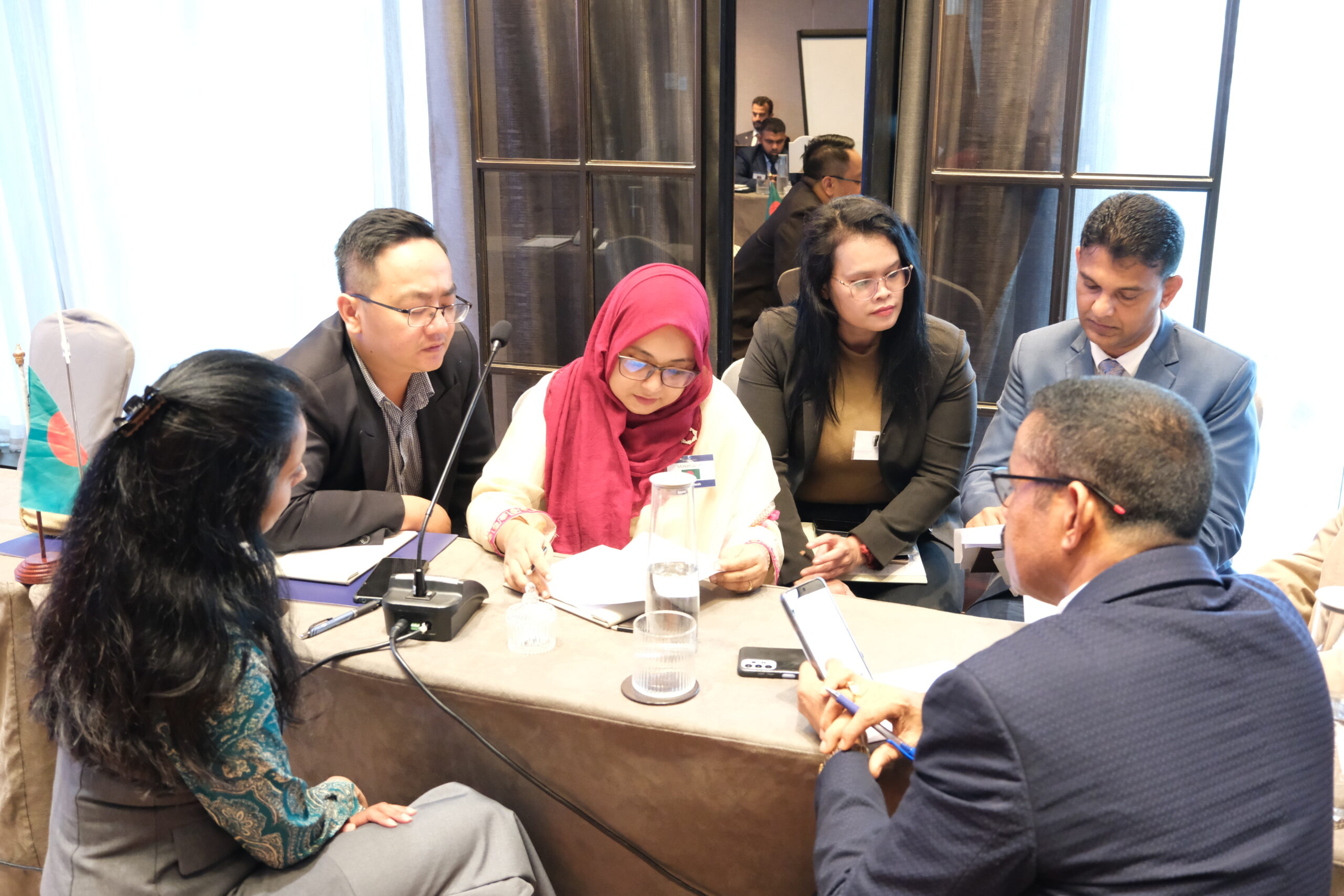
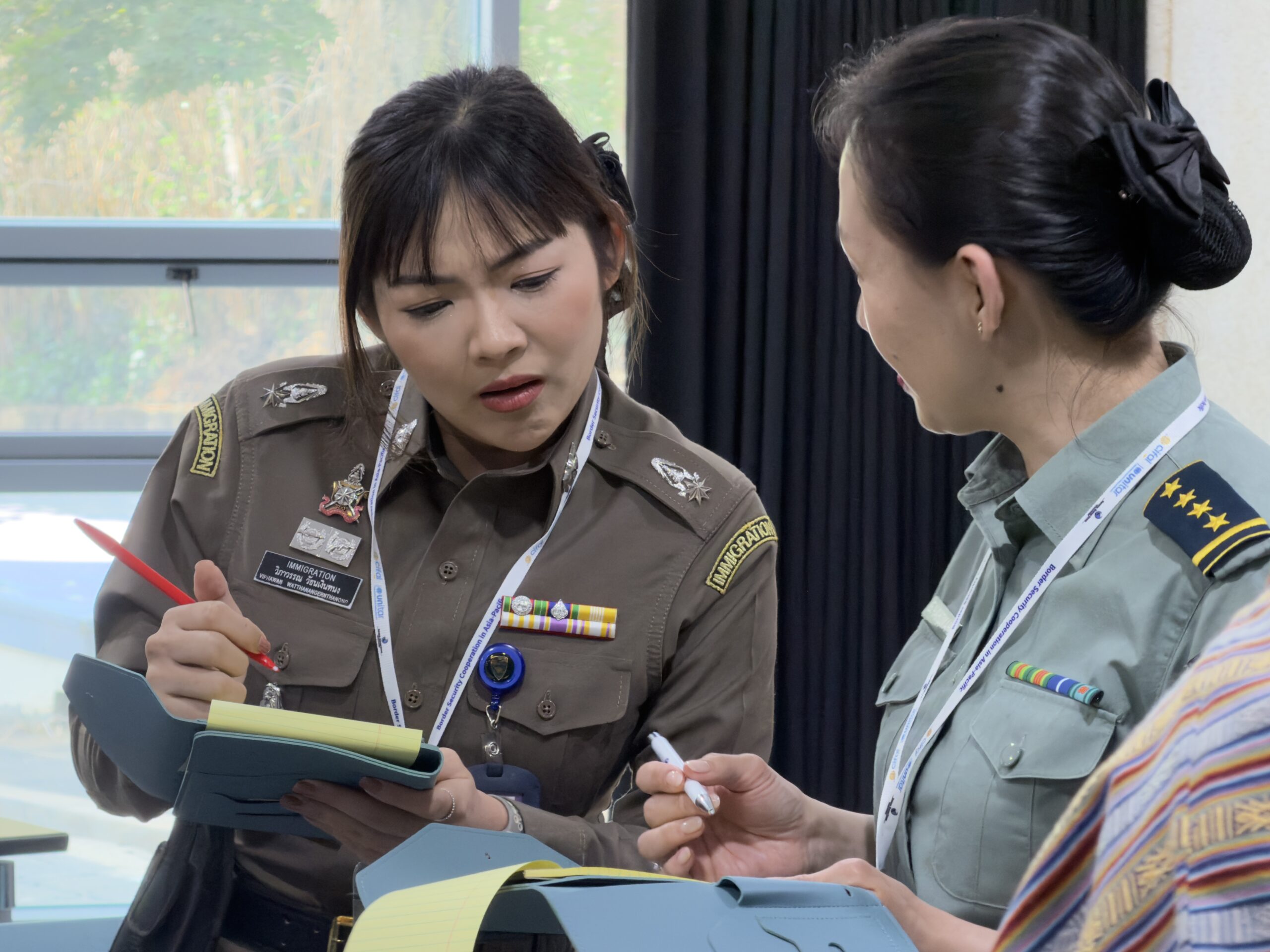
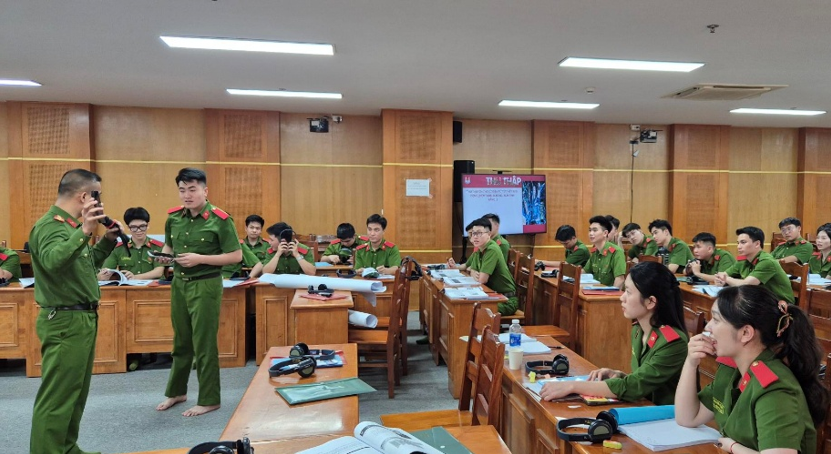
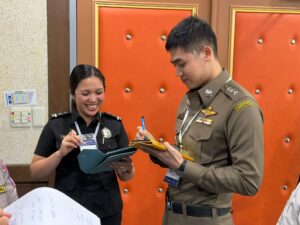 Against this backdrop, expert trainers took participants through the fundamentals of document examination and verification: how a document is issued, how identity is verified, and how officers decide who warrants a closer look. Participants worked through simulated scenarios and practical exercises to sharpen their interviewing techniques, gaining a hands-on sense of how these skills translate into day-to-day practice.
A recurring theme across the week was the relationship between technology and the officers who use it. Advanced Passenger Information, Passenger Name Records, biometrics and autogates, guided by , are changing how borders operate. Participants agreed that these systems only strengthen border security when paired with trained officers, clear escalation pathways and the legal authority to act on what the data shows.
Officials also explored how Artificial Intelligence (AI) is increasingly used to support identity verification and passenger data analysis, while also enabling new forms of document fraud, including photomorphing—a form of identity document fraud where a photo on a legitimate document is digitally blended or manipulated, AI-generated documents, and boarding pass swaps. Several participants noted that fraud is shifting from physical tampering to digital manipulation, requiring both stronger verification tools and closer cooperation with airlines.
Participants conducted site visits at Jeju Coast Guard Headquarters and Jeju International Airport. Observing how Jeju’s own frontline officers manage sea and air borders—screening travellers, coordinating across agencies and applying the technologies discussed earlier in the week—gave participants a practical reference point for the concepts covered in the sessions.
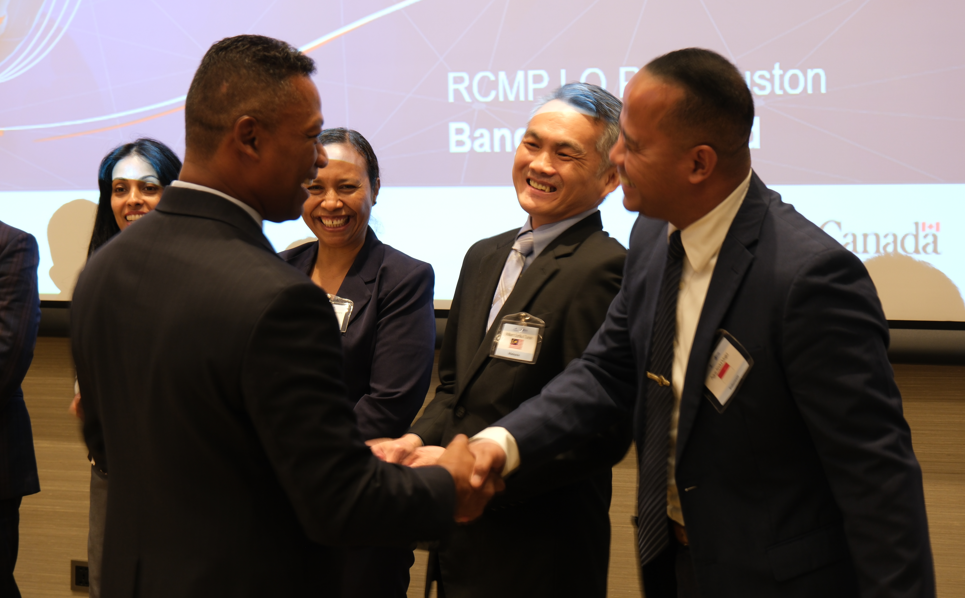
Reflecting on the week of activity, participants highlighted that inter-agency and cross-border cooperation underpins the key components of effective border security, indicating the need for clearly defined roles, regular information-sharing and reliable liaison channels. Country presentations throughout the week reinforced a similar point from different angles — that liaison networks and airline engagement are often central to identifying and responding to emerging risks.
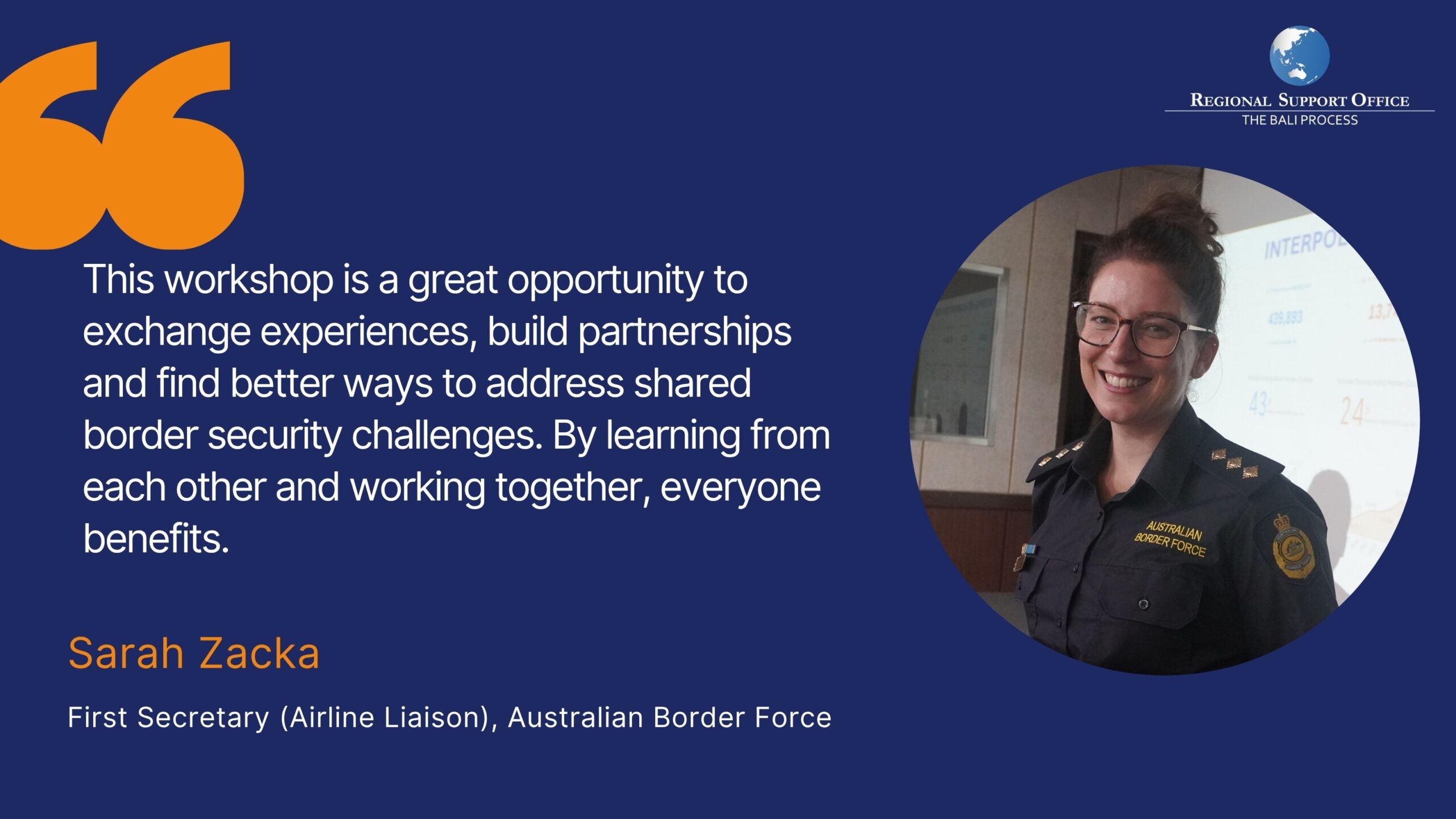
By the end of the workshop, each delegation had identified opportunities and good practices to further strengthen national border management processes, along with priority actions to take forward at the national level. Participants also tested risk-based assessment approaches against real trafficking and smuggling scenarios and drew on peer exchange to see how systems such as Advance Passenger Information) and PNR (Passenger Name Record) targeting, intelligence and biometrics are applied across different national contexts.
Looking ahead, the RSO will reconvene participants to support implementation of the action plans developed during the workshop, offering technical guidance, peer exchange, and targeted follow-on support. In their own agencies, participants will brief colleagues, review standard operating procedures, and put what they learned into practice.
These insights will also inform the RSO’s future engagement on border management, particularly in areas where Member States have identified shared priorities: frontline intelligence collection, document and identity verification, and inter-agency coordination and information sharing.