
4 – 5 June 2026 • Bangkok, Thailand
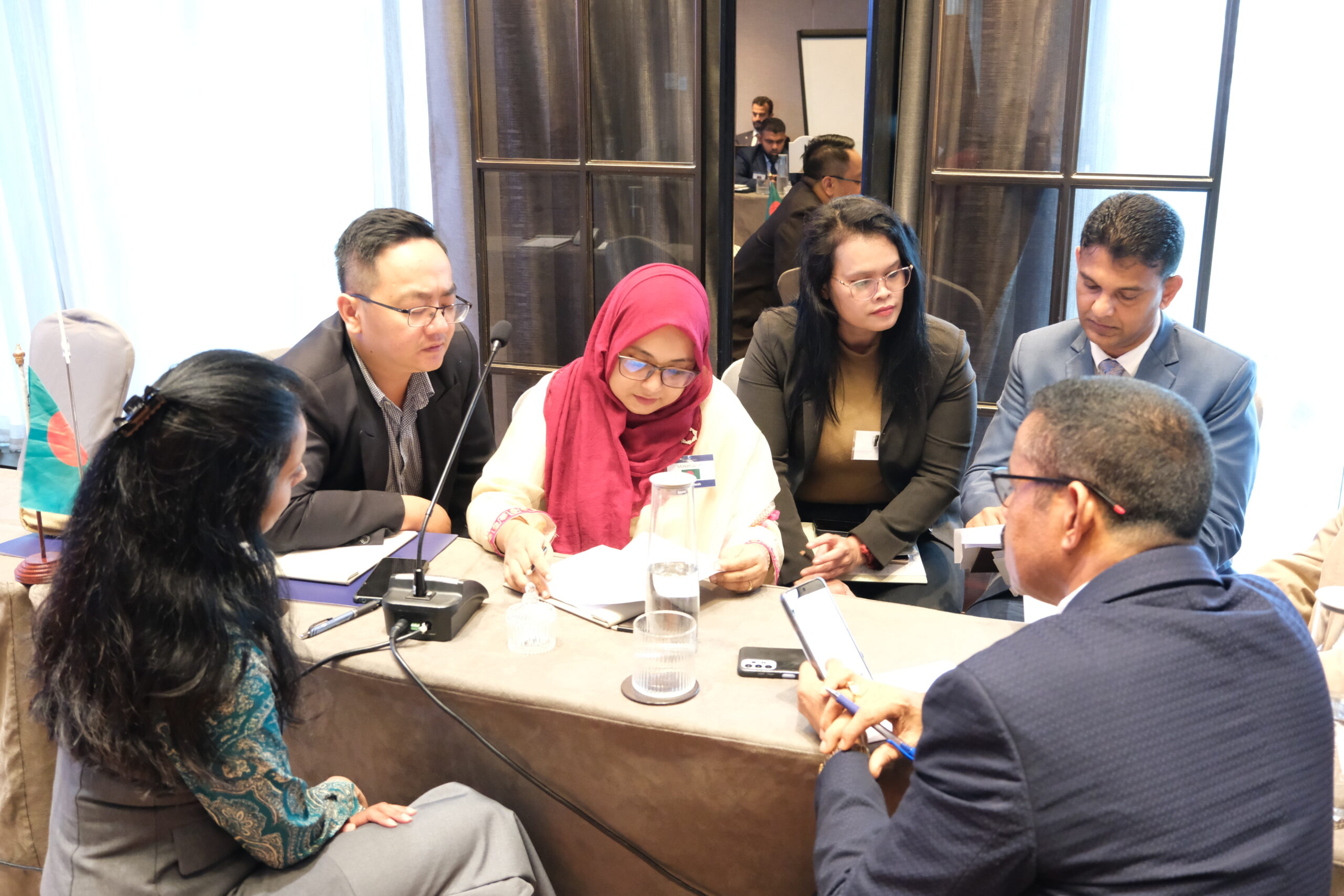
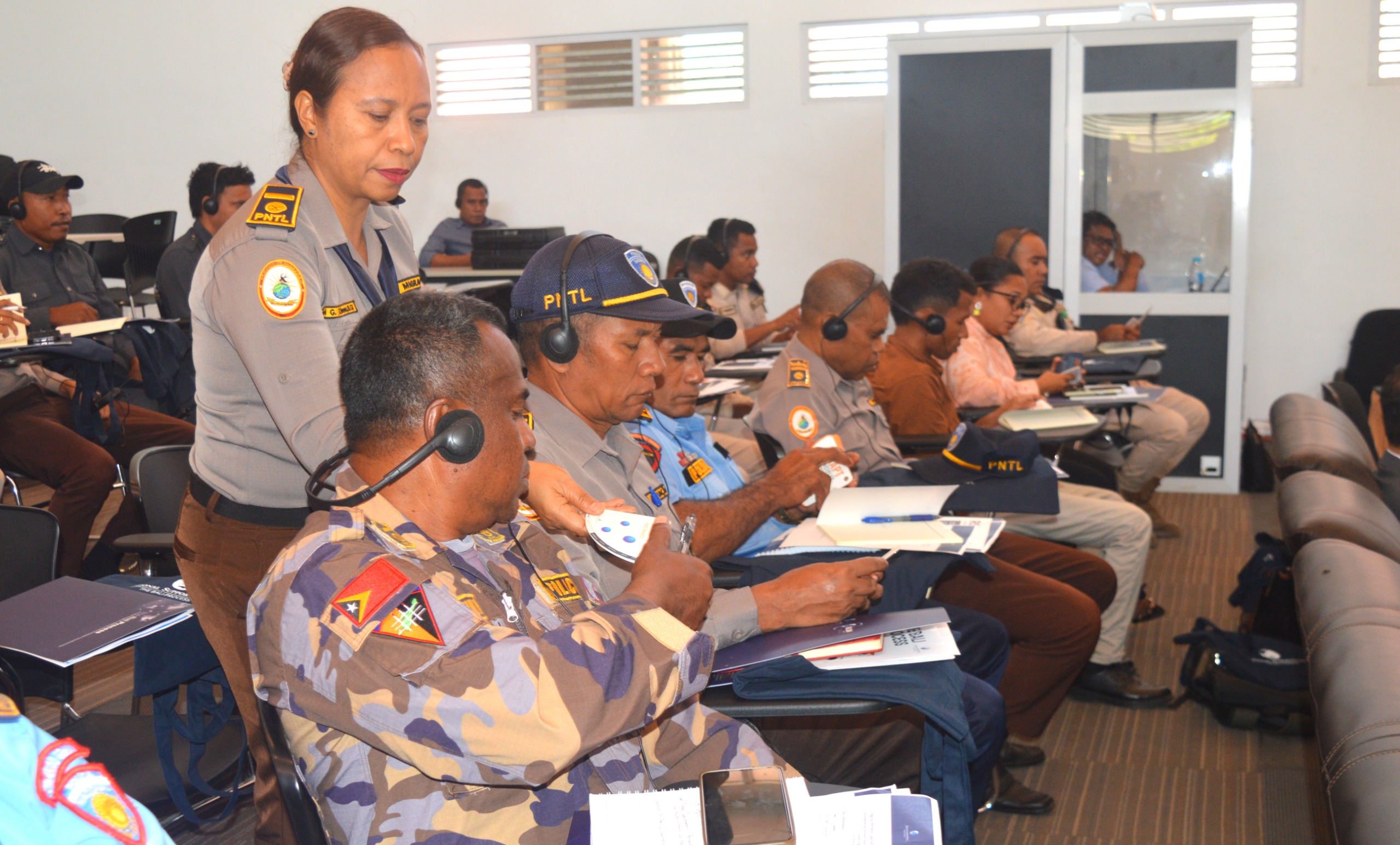
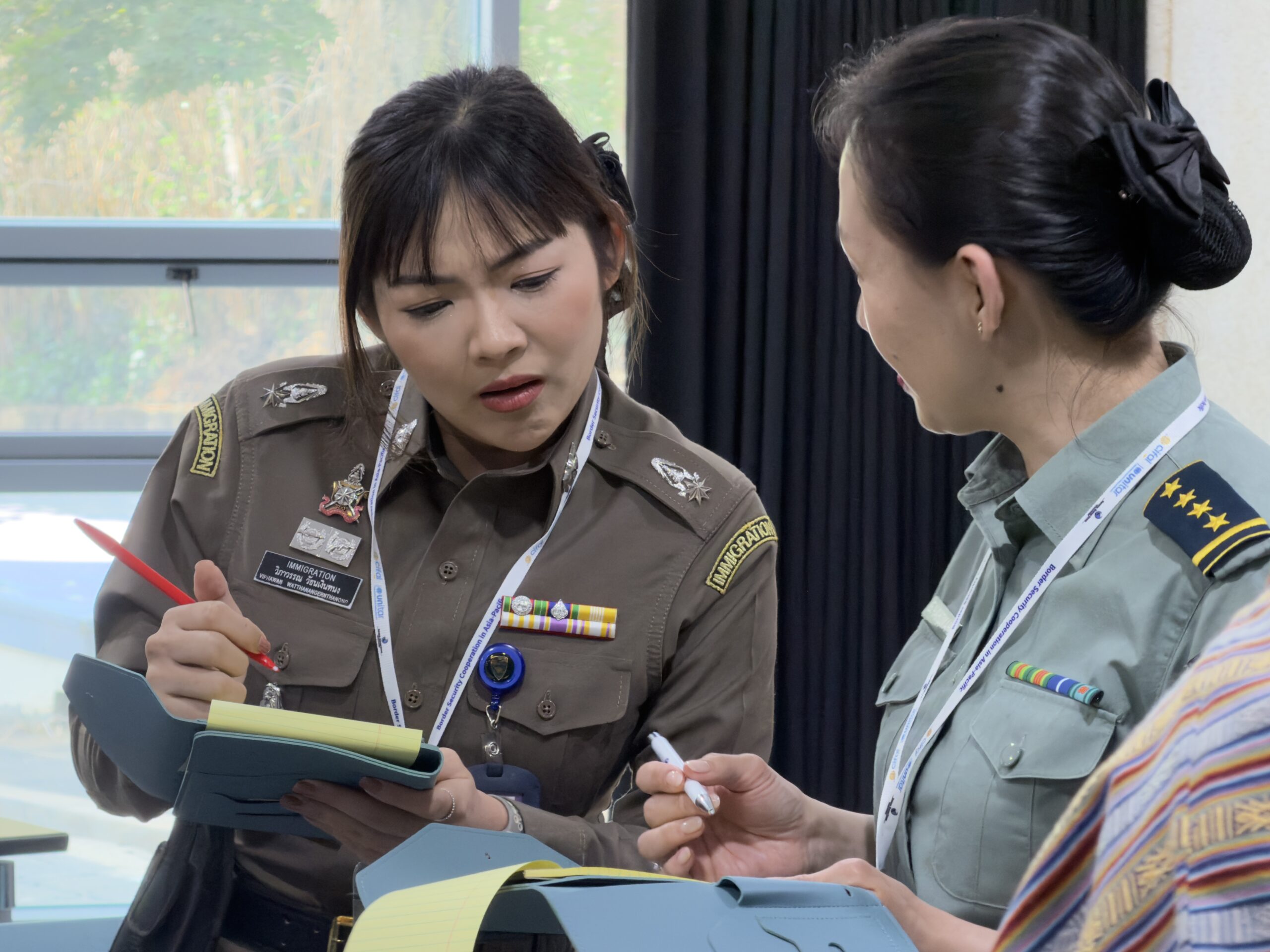
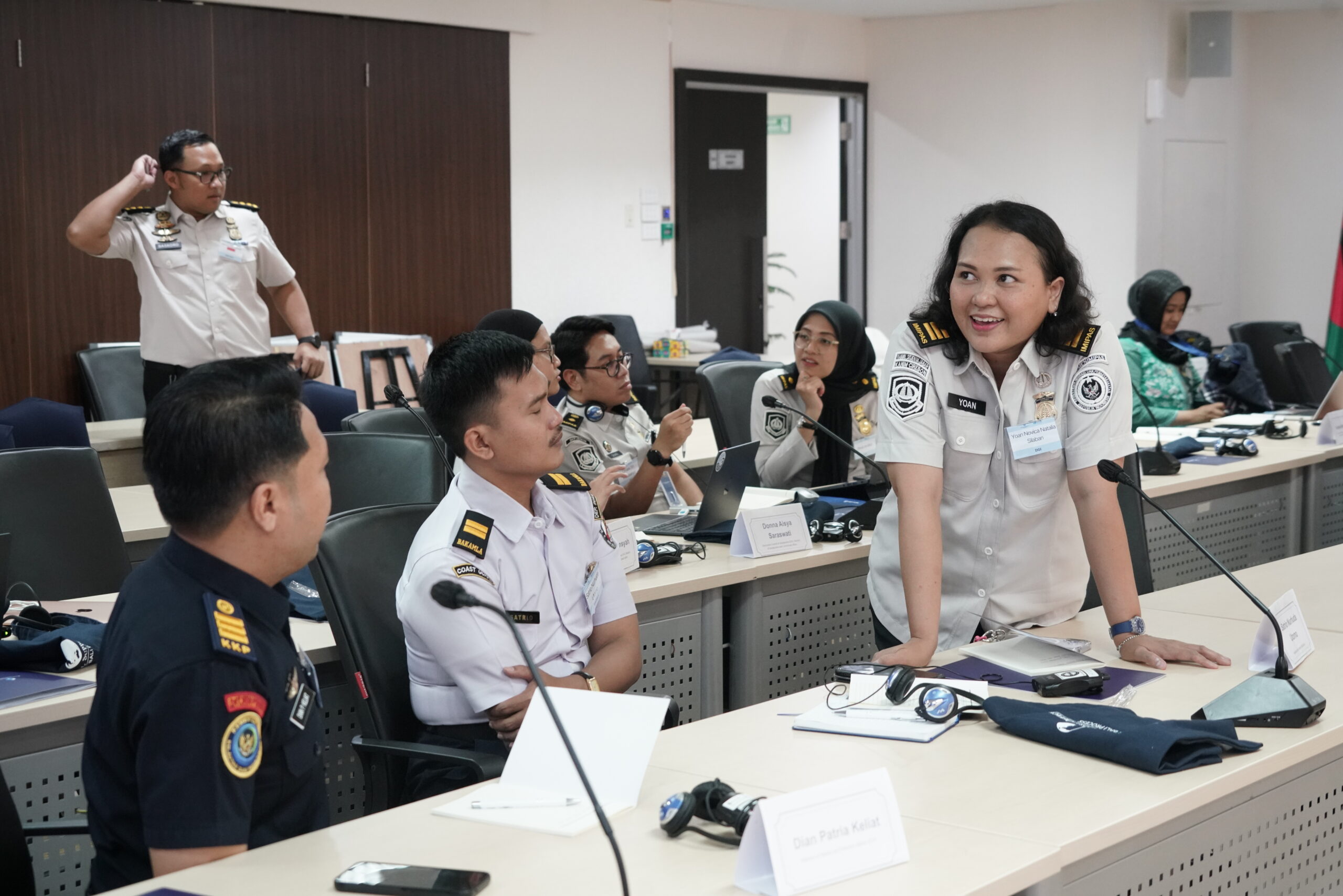
The Pacific tuna fishery accounts for roughly 60 per cent of global production, but the sector continues to contend with risks of human trafficking and forced labour. To confront these challenges, governments, industry leaders, international organisations, and worker representatives convened for a Regional Workshop on Strengthening Compliance and Addressing Labour Issues in the Fishing Supply Chain.
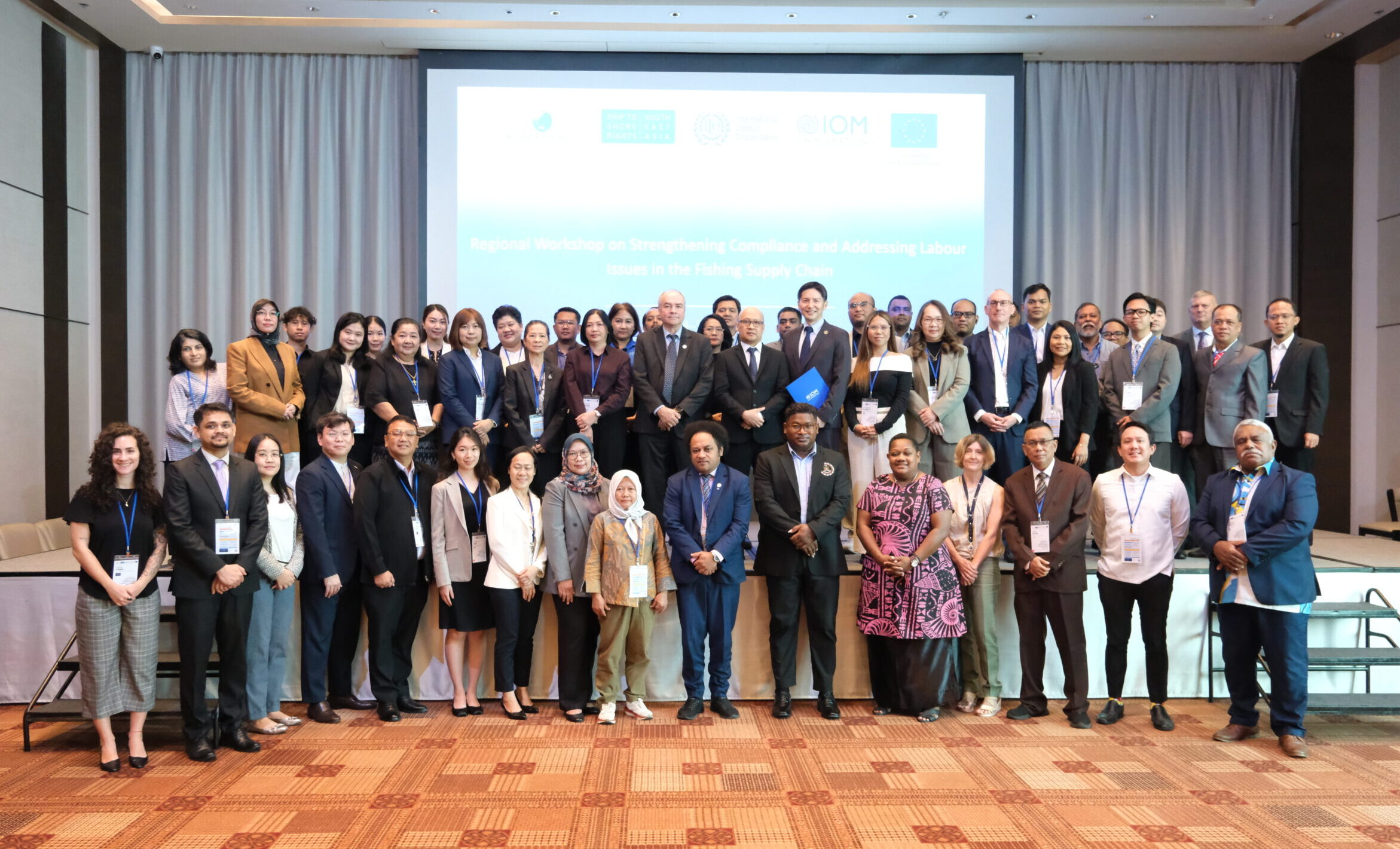 Jointly organised by the Regional Support Office of the Bali Process (RSO), the International Labour Organization (ILO), and the International Organization for Migration (IOM), the gathering reflected a shared recognition that effective responses to transnational crime call for enhanced cross-sector cooperation and concluded with agreements on a series of practical actions to address labour exploitation across the supply chain.
Collaborative responses to cross-border concerns
The Pacific tuna fishery remains a major source of revenue and employment for Pacific Island countries, including jobs for migrant fishers from Indonesia, the Philippines, and other countries in South and South-East Asia.
However, the sector continues to face risks of labour exploitation and labour rights violations, including forced labour and trafficking in persons. Reported risks include deceptive recruitment, excessive recruitment fees, contract substitution, withholding of wages, retention of identity documents, excessive working hours, hazardous working conditions, weak access to grievance mechanisms and limited integration of labour indicators into fisheries and port inspection systems.
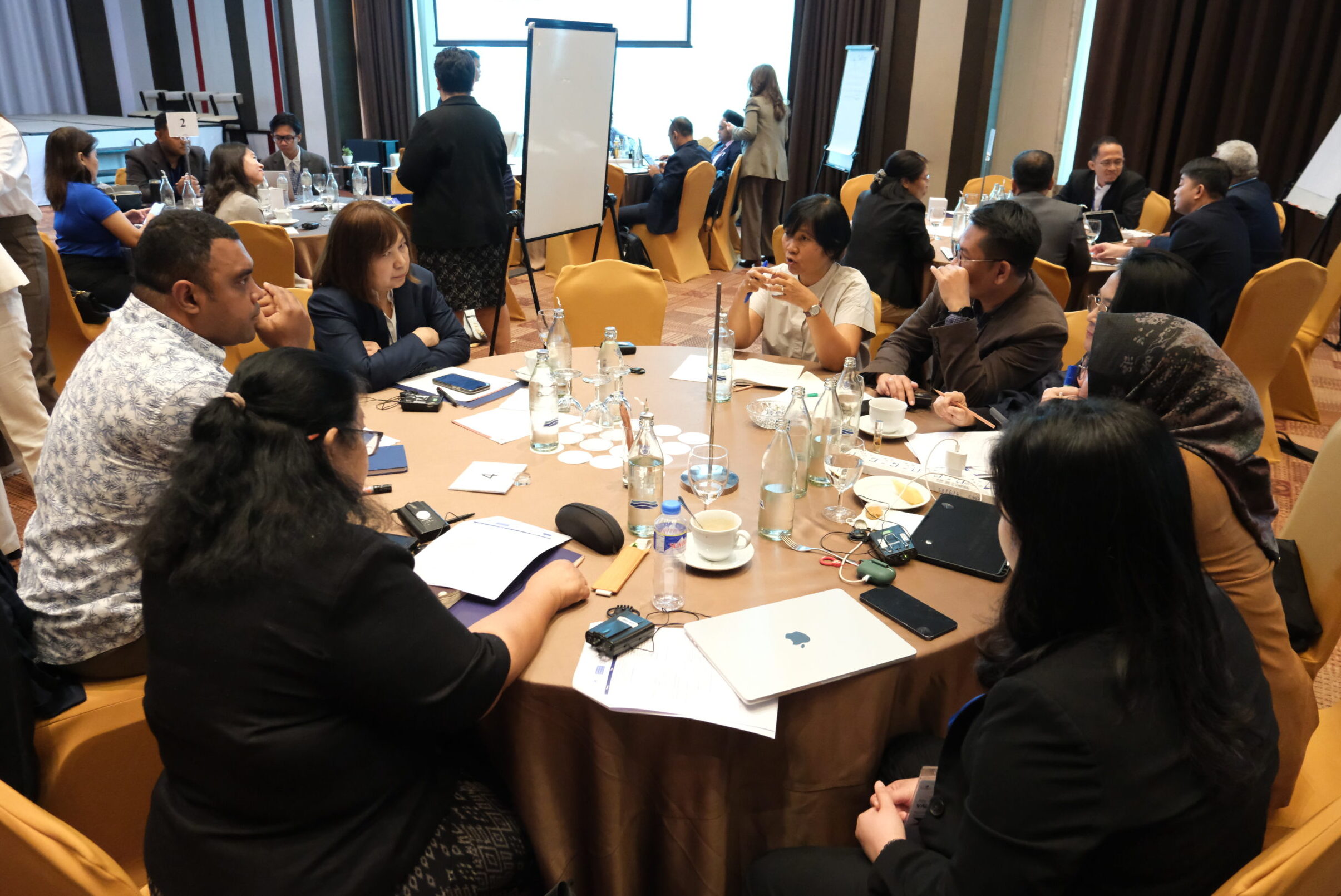
Workshop participants discussed how governments can better regulate recruitment, improve access to remedy and grievance channels, integrate labour-sensitive indicators into vessel inspections and enforcement, and strengthen early detection of exploitation. The discussions also brought together seafood industry actors — including the Seafood Task Force, tuna buyers and vessel operators — to strengthen responsible business conduct, improve recruitment and labour standards, strengthen supply chain due diligence and promote more transparent sourcing practices.
“The fishing sector is central to livelihoods across South-East Asia and the Pacific. Our partnerships with ILO, IOM and other civil society, government, and industry actors are critical to understanding the dynamics within the sector and supporting efforts to combat transnational crime.”, said Fuad Adriansyah, Co-Manager (Indonesia), RSO
“Strengthening compliance in the fishing supply chain requires cooperation across borders, sectors and mandates. Through this workshop, the ILO aims to support practical dialogue and coordinated action to advance fair recruitment, decent work, and stronger labour protection for fishers and migrant workers in the South-East Asia and the Pacific corridor,” said Tuomo Poutiainen, Deputy Regional Director, ILO Regional Office for Asia and the Pacific.
“Compliance is not only about rules. It is about dignity, fairness, and building a fishing sector that is safe, sustainable, and just. Our approach must be centred on protection, with migrant workers at the heart of our efforts,” remarked Iori Kato, Regional Director, IOM Regional Office for Asia and the Pacific.
Building on regional momentum
In 2024, the Western and Central Pacific Fisheries Commission adopted a binding Conservation and Management Measure on crew labour standards, establishing a regional framework to improve working conditions, prevent labour rights violations and reinforce accountability on fishing vessels. This workshop builds on regional momentum and contributes to broader efforts to promote safe migration and decent work in the blue economy through the EU-funded Ship to Shore Rights South-East Asia programme, implemented by ILO in collaboration with IOM and FAO.