
29 June – 1 July 2026 • Dili, Timor-Leste
For the first time in Timor-Leste, the RSO delivered frontline training and a roundtable for international and civil society organisations to strengthen information sharing and regional cooperation to address irregular migration and people smuggling in the region.
 As the newest member of the Association of Southeast Asian Nations (ASEAN), Timor-Leste is a key partner in regional efforts to address people smuggling. Its extensive coastline and archipelagic geography, combined with its role as both a transit and destination point for travelers in the region, present an opportunity to strengthen maritime security cooperation to address people smuggling.
The training and roundtable were led by Secondees of the RILON Irregular Migration and Maritime People Smuggling Response Group, building on the momentum of similar activities held in Jakarta as part of RSO Member State Spotlight: Indonesia in June 2026. The Dili event marks the Response Group’s continued expansion across the region, extending its information-sharing mechanisms to a new frontline partner in addressing maritime people smuggling.
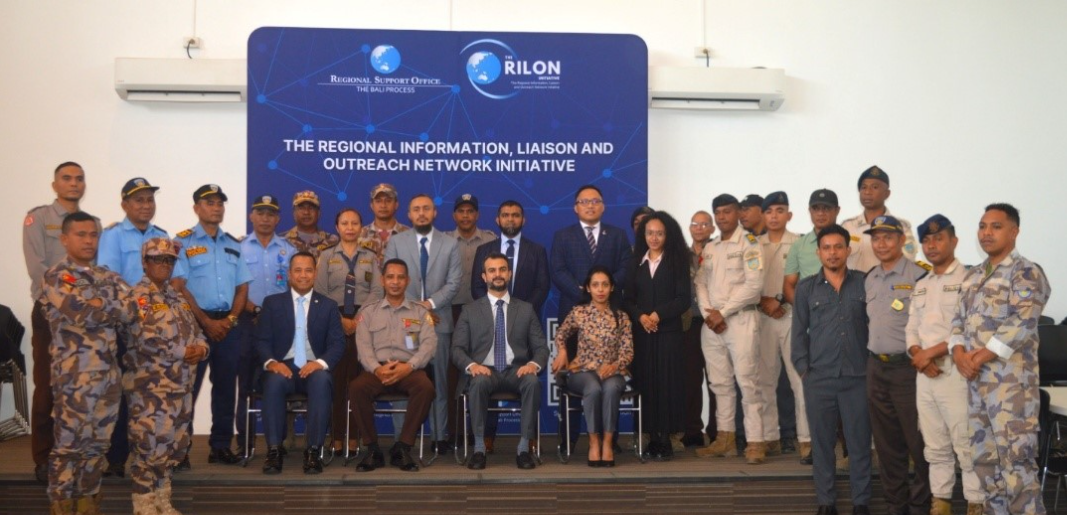
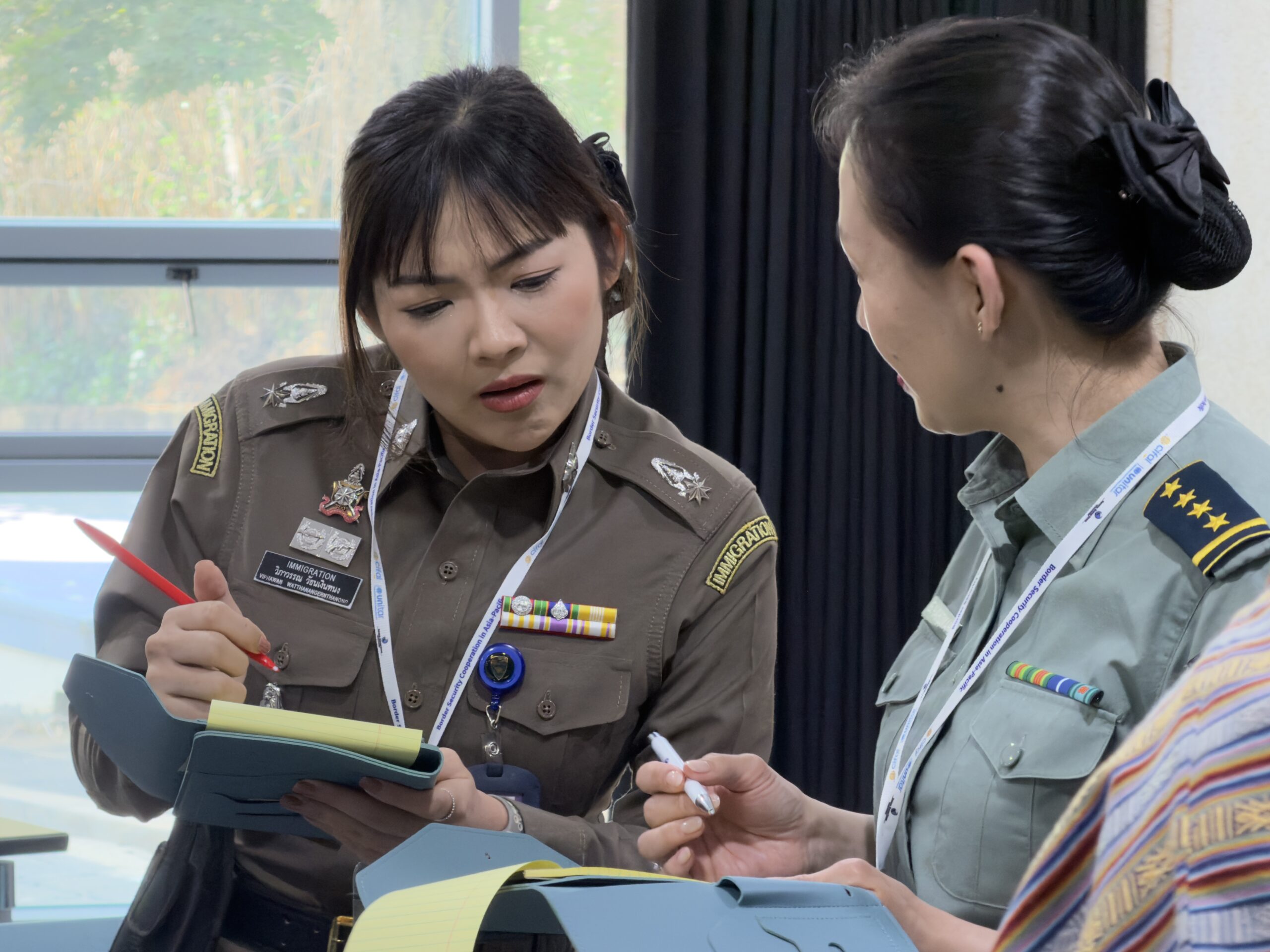
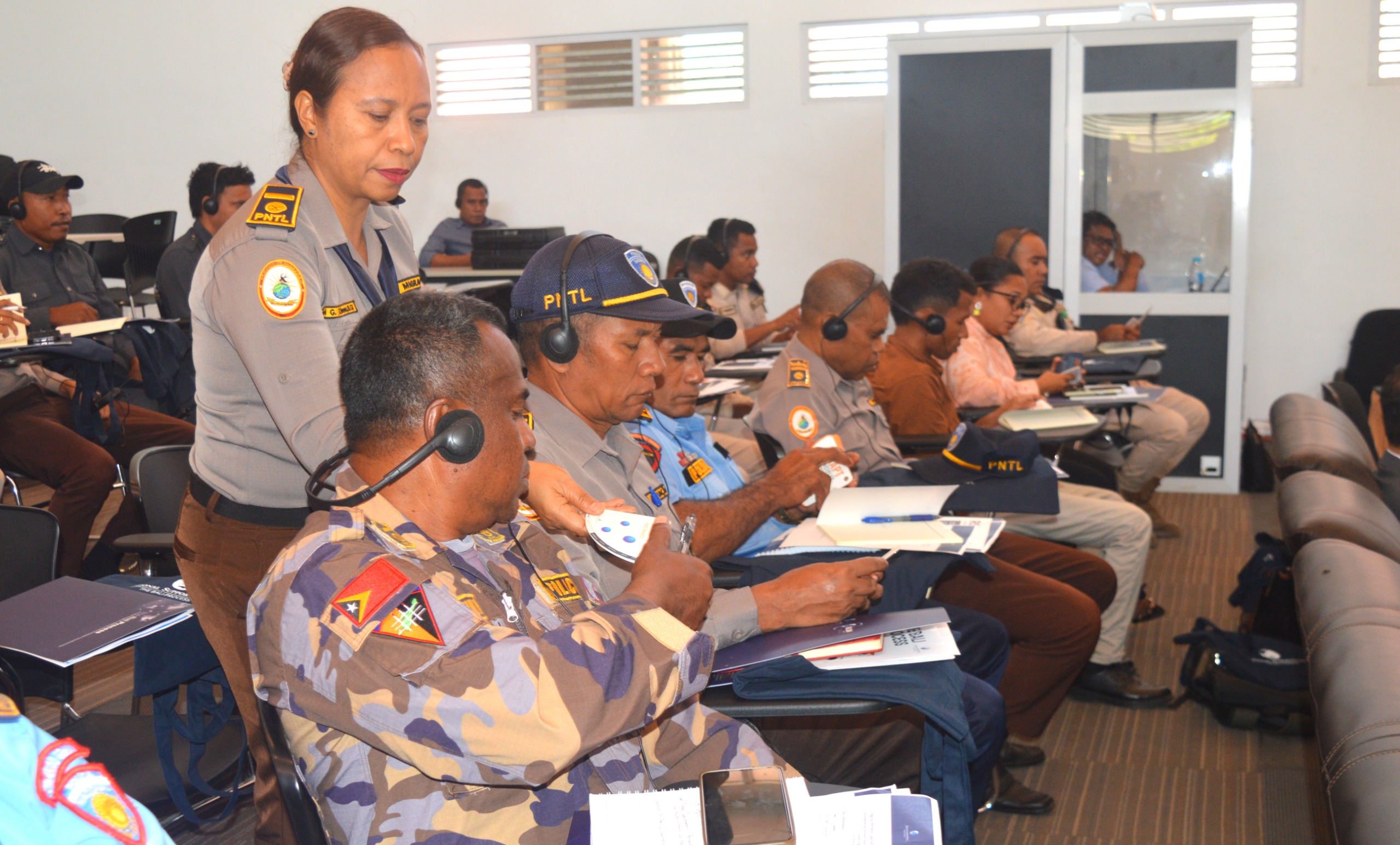
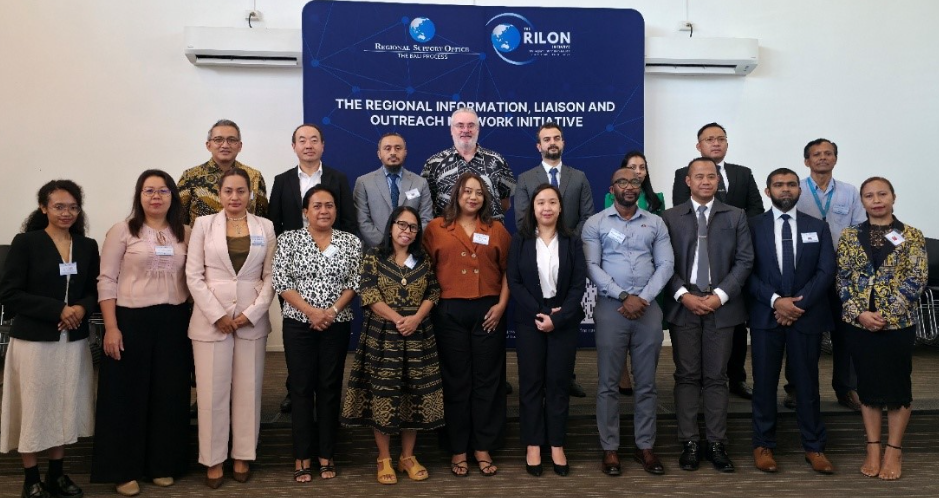
The RILON training in Dili brought together frontline officers from across Timor-Leste’s migration and security landscape — the National Police/PNTL (including its Maritime and Border Police Units), the Migration Service, and the anti-trafficking commission (KLATU) to improve early warning capabilities of frontline officers and enhance responses to irregular migration and maritime people smuggling. Participants left with a common understanding of emerging migration-related risks and trends, as well as the importance of stronger links and coordination across agencies both within Timor-Leste and with regional partners.
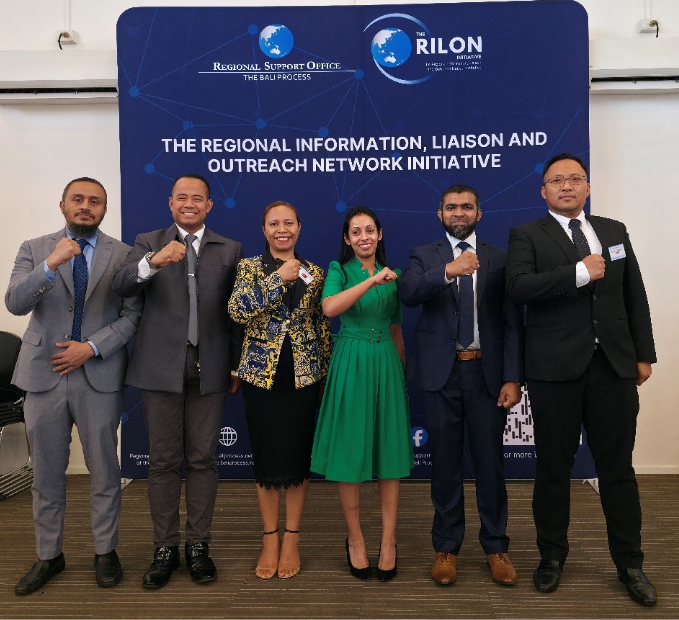
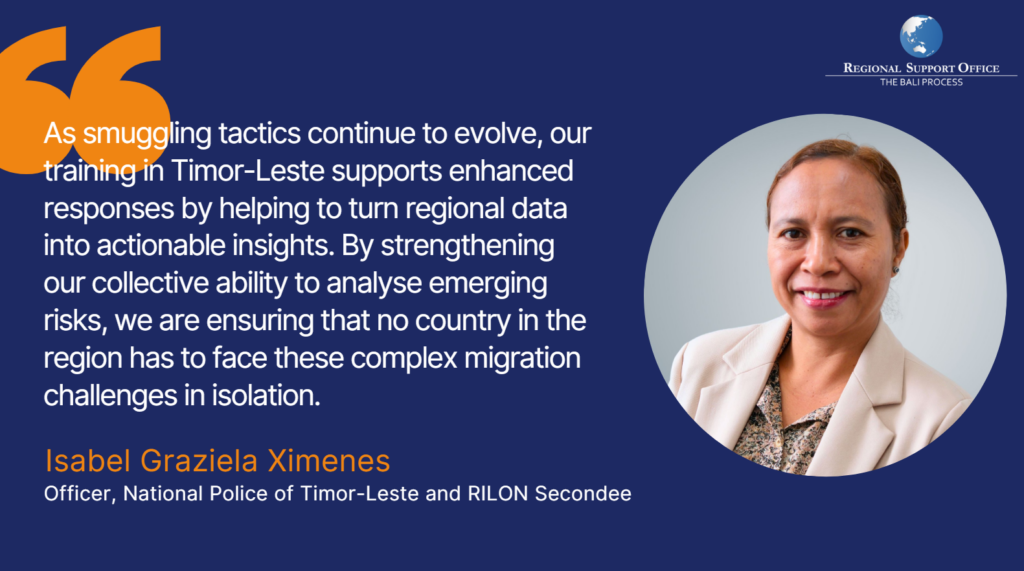
Led by RILON Secondees from Australia, Bangladesh, Indonesia, Timor-Leste, and Malaysia, the training encouraged participants to share information more effectively across agencies, and exchange non-operationally sensitive information with their regional counterparts under the RILON Initiative. These efforts directly support improved national coordination and contribute to stronger regional responses.
 A tabletop exercise demonstrated how coordinated analysis and timely information exchange can strengthen preparedness and cross-border responses. Participants applied skills relevant to their day-to-day roles as frontline officers, practising how to identify key lines of inquiry, determine what evidence to collect, and coordinate with the appropriate national agencies. The exercise also reinforced the importance of regional information sharing—including keeping partner countries informed when their nationals are involved, or when they are identified as transit or destination countries.
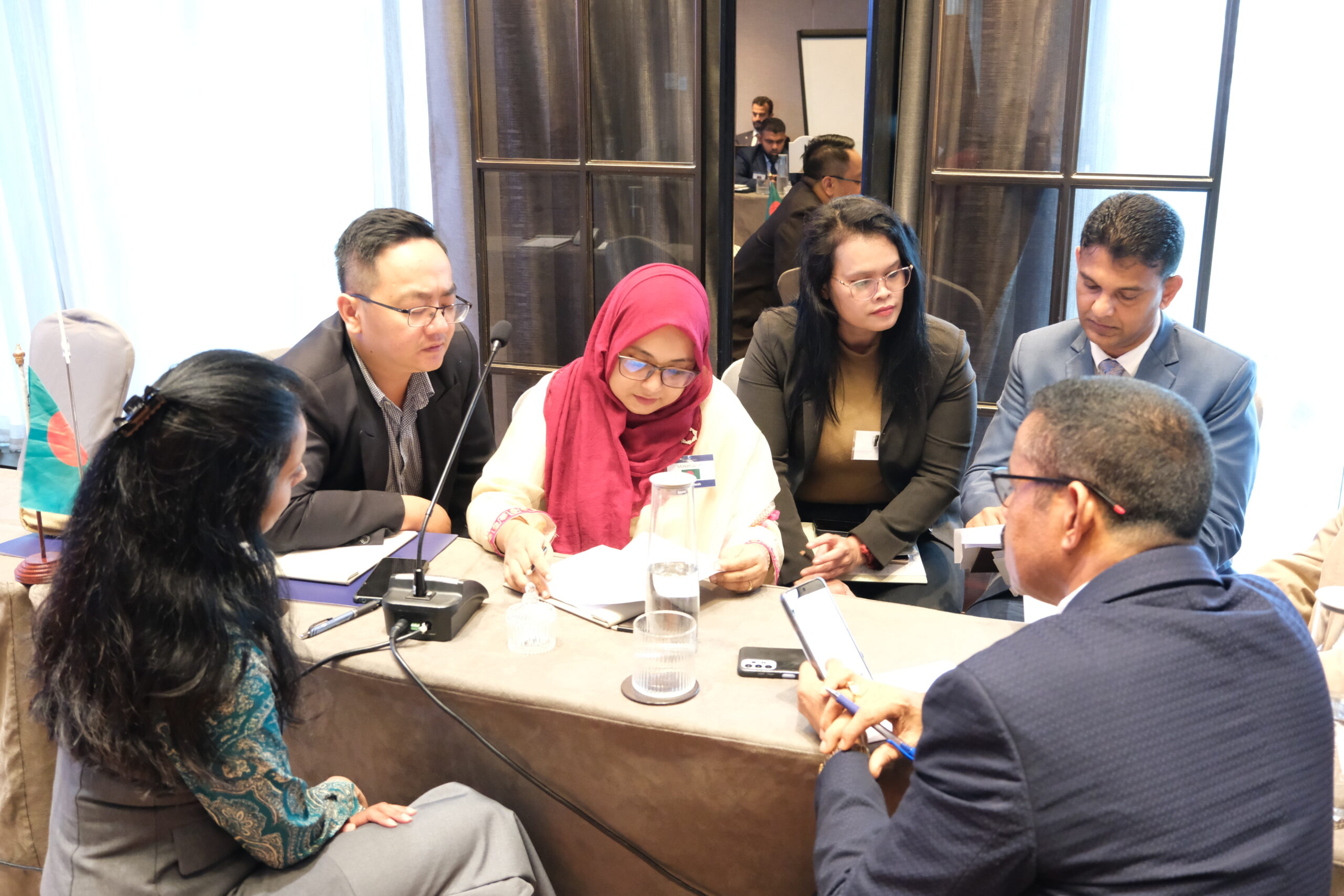
Following on from the frontline training, Secondees were joined by representatives from international and civil society organisations—including the International Organization for Migration (IOM), International Labour Organization (ILO), United Nations Children’s Fund (UNICEF), and ALFeLa, a Timor-Leste-based NGO working on legal assistance for women and children—expanding the dialogue, deepening understanding of the RILON Initiative, and underscoring Timor-Leste’s growing role as a regional convenor on issues related to irregular migration and maritime people smuggling.
Representatives from the Embassies of Australia, Indonesia, Malaysia, and Thailand, along with Timor-Leste’s Ministry of Foreign Affairs, also took part, offering their own perspectives on irregular migration and maritime people smuggling.
Across discussions, participants exchanged national and regional viewpoints, built a deeper shared understanding of the RILON Initiative, and looked at where cross-sector collaboration could go further. What came through consistently was the value of shared frameworks, trust between partners, and inclusive partnerships in making cross-border responses work.
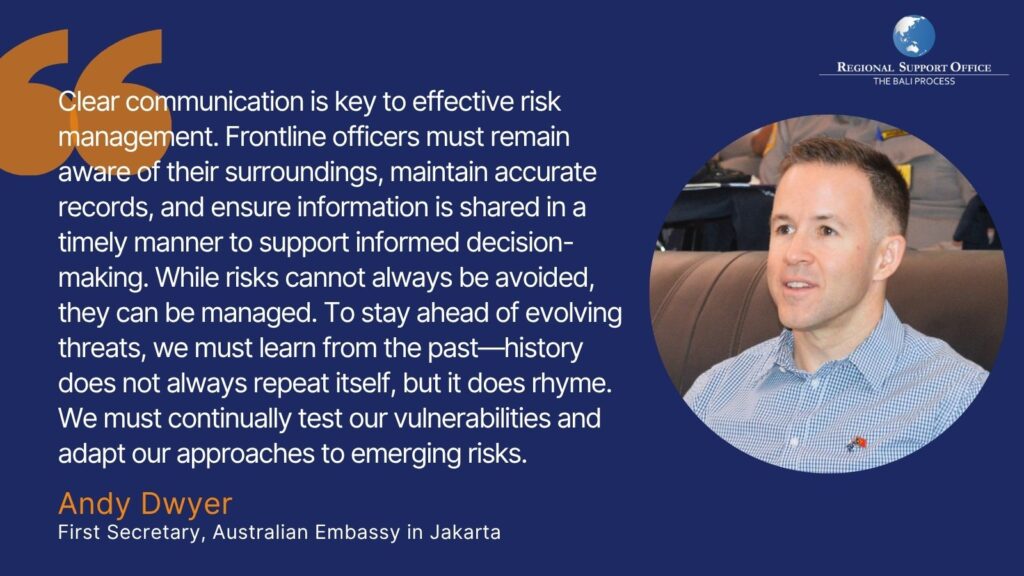
Looking ahead, the Response Group’s growth signals a shift from ad hoc information-sharing to a more anticipatory regional mechanism — one where trusted relationships between secondees and partner agencies translate into earlier warning and faster coordinated response. As the RILON Initiative becomes more embedded in the work of participating Member States and further thematic priorities are identified, this shared analytical foundation will be key to staying ahead of evolving maritime people smuggling routes and tactics across the region.