
30 March – 1 April 2026 • Bangkok, Thailand
The establishment of the Regional Information, Liaison and Outreach Network (RILON) Maritime People Smuggling Response Group brought together frontline practitioners and policy counterparts from across the region to lay the foundations for timely, trusted, and actionable information sharing to counter irregular migration and maritime people smuggling in the region.
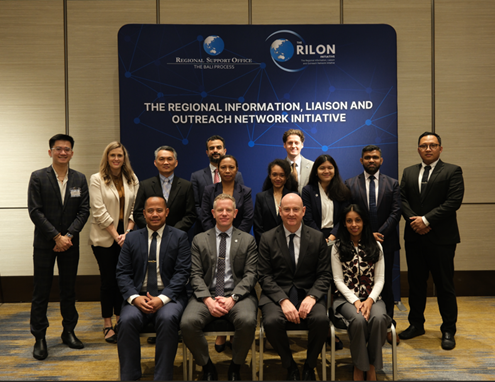
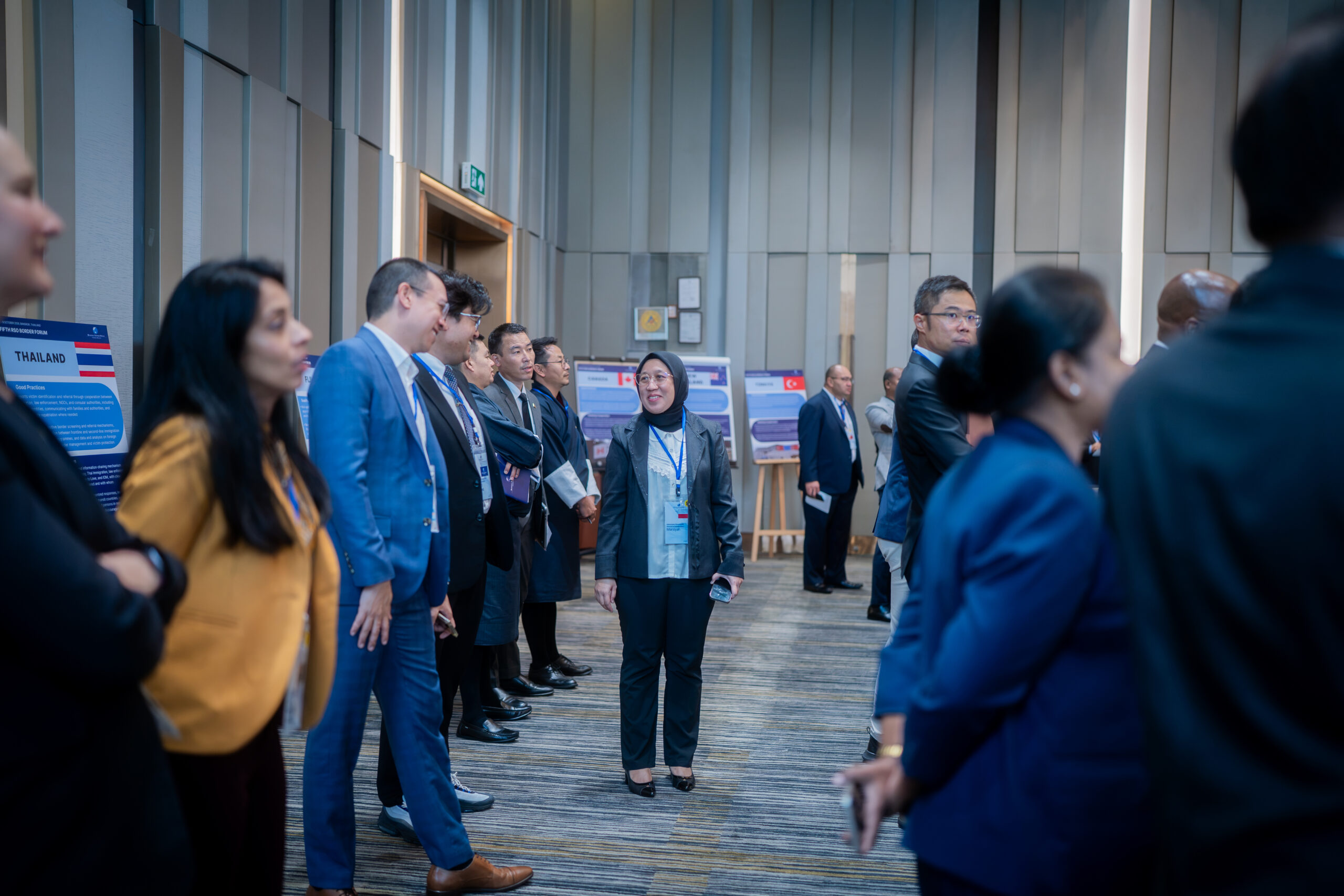
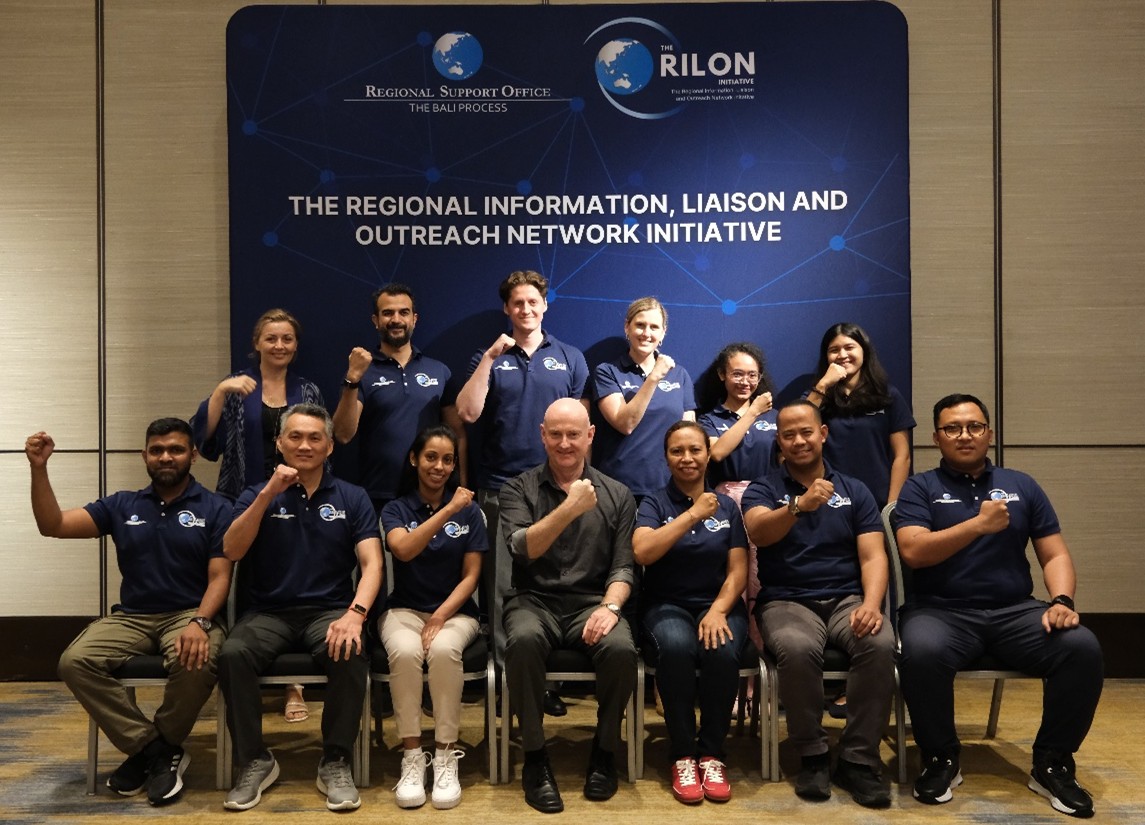
Providing an early opportunity to bring participating Members together and strengthen shared understanding, the Regional Support Office of the Bali Process (RSO) held a foundation-setting three-day Induction Programme for participating Members in Bangkok, Thailand.
Maritime people smuggling, particularly across the Andaman Sea and Bay of Bengal corridor, remains one of the most complex migration challenges in the region. According to the International Organization for Migration (IOM), more than 6,500 people embarked on dangerous maritime journeys in 2025, with over 860 deaths and disappearances recorded in the Andaman Sea and Bay of Bengal alone—an increase of more than 40 per cent compared to 2024.1 These movements are driven by a combination of protracted displacement, limited regular migration pathways, and the growing role of organised smuggling networks that exploit vulnerable populations.
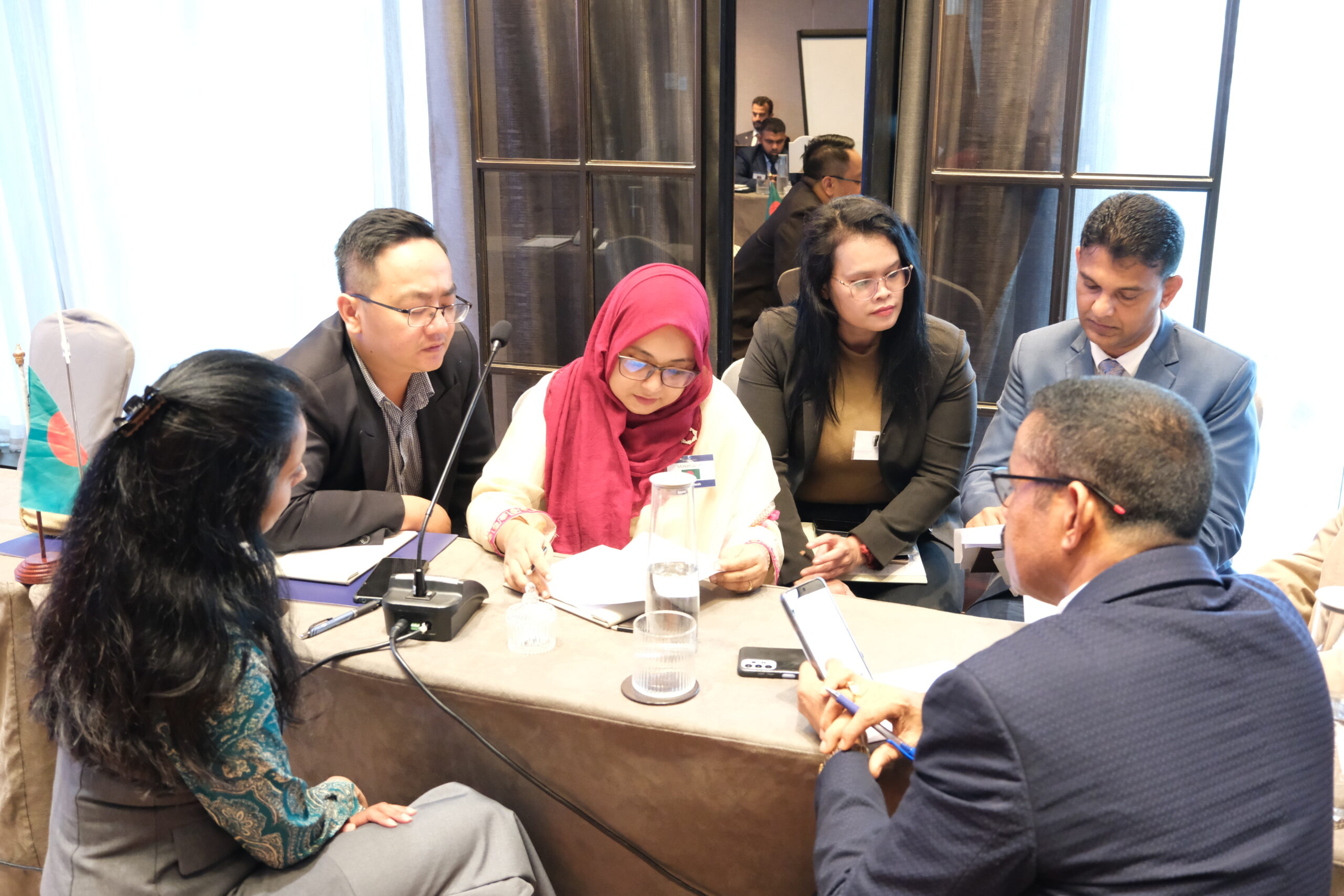
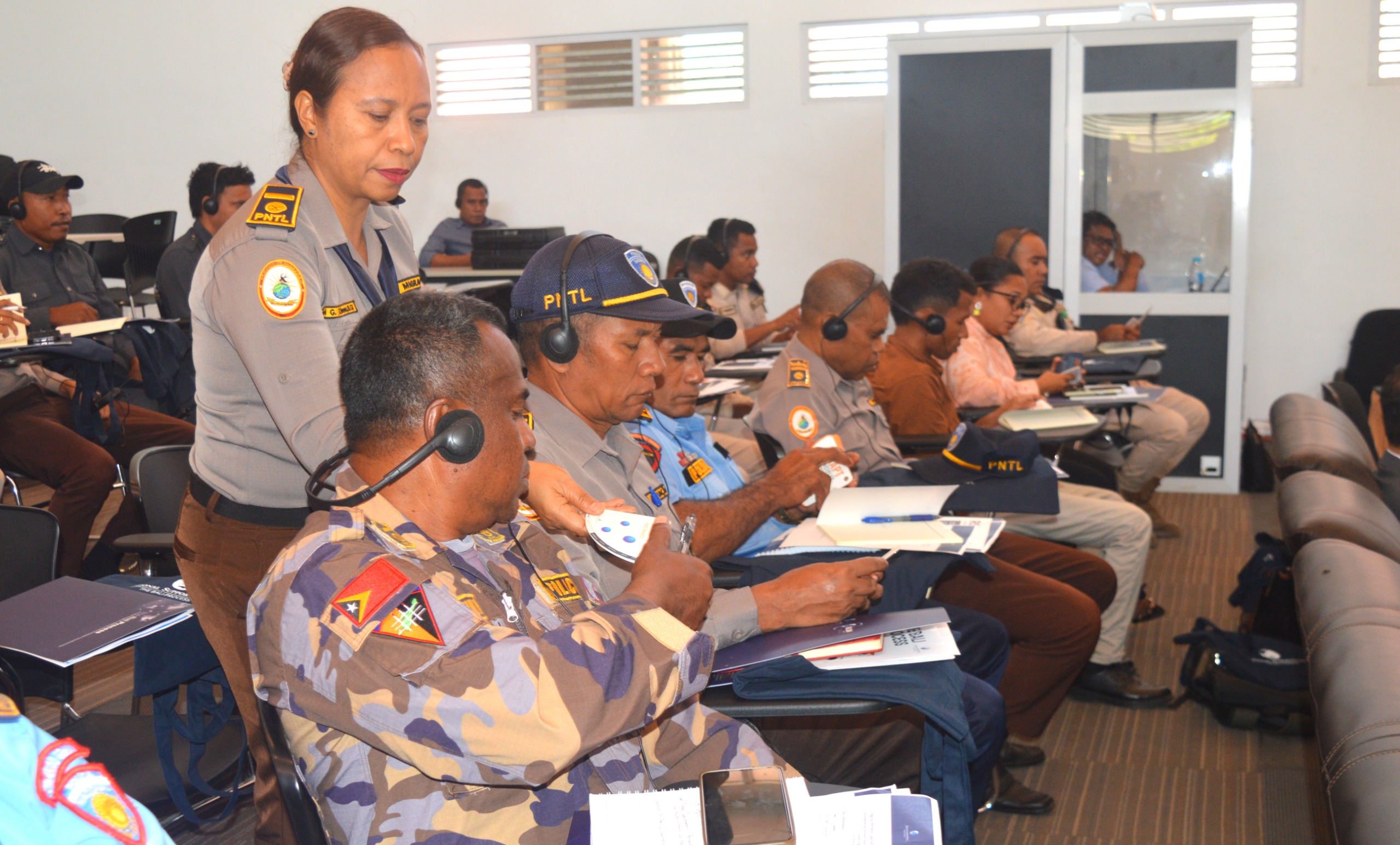
The establishment of the RILON Maritime People Smuggling Response Group brings together representatives from six most-affected countries: Australia, Bangladesh, Indonesia, Malaysia, Thailand, and Timor-Leste. Participating Member States are seconding officers to the RSO office in Bangkok, Thailand, where officials will work together over a six to nine-month period, with the view to strengthen sustained networks and connections that can support cross-border coordination and responses. Secondees from Australia and Indonesia have already taken up their placements in the RSO office, with further incoming placements currently being coordinated.
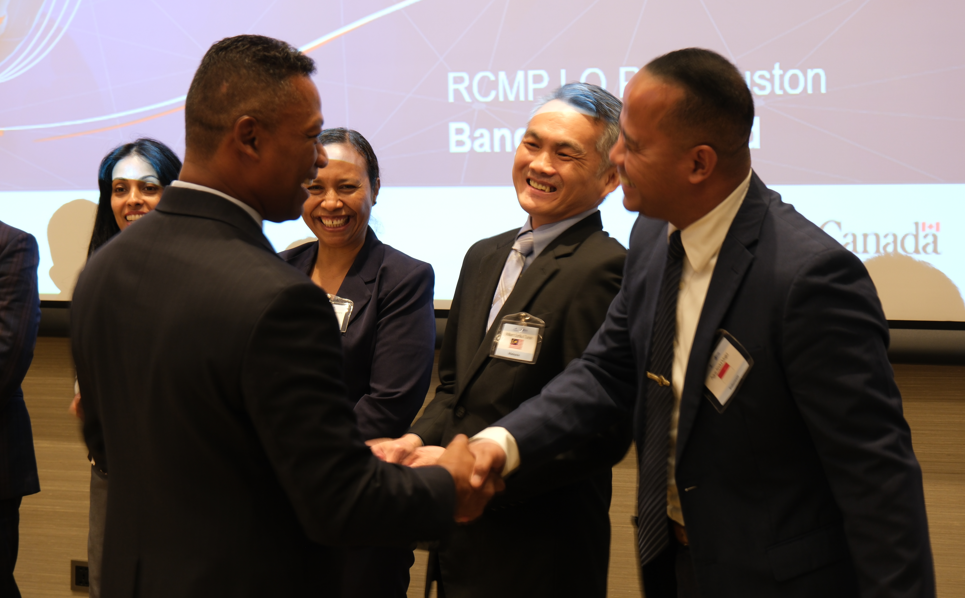
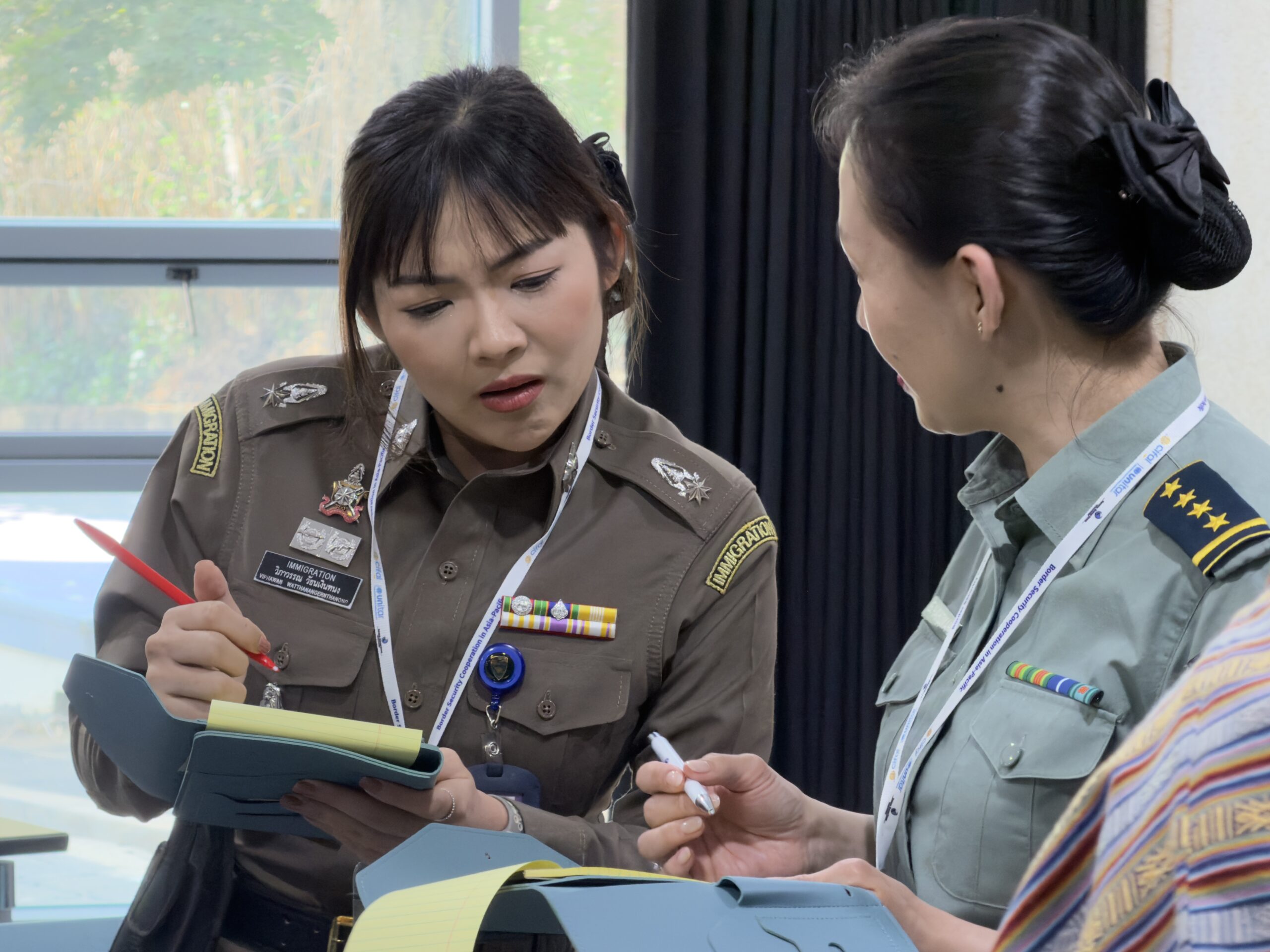
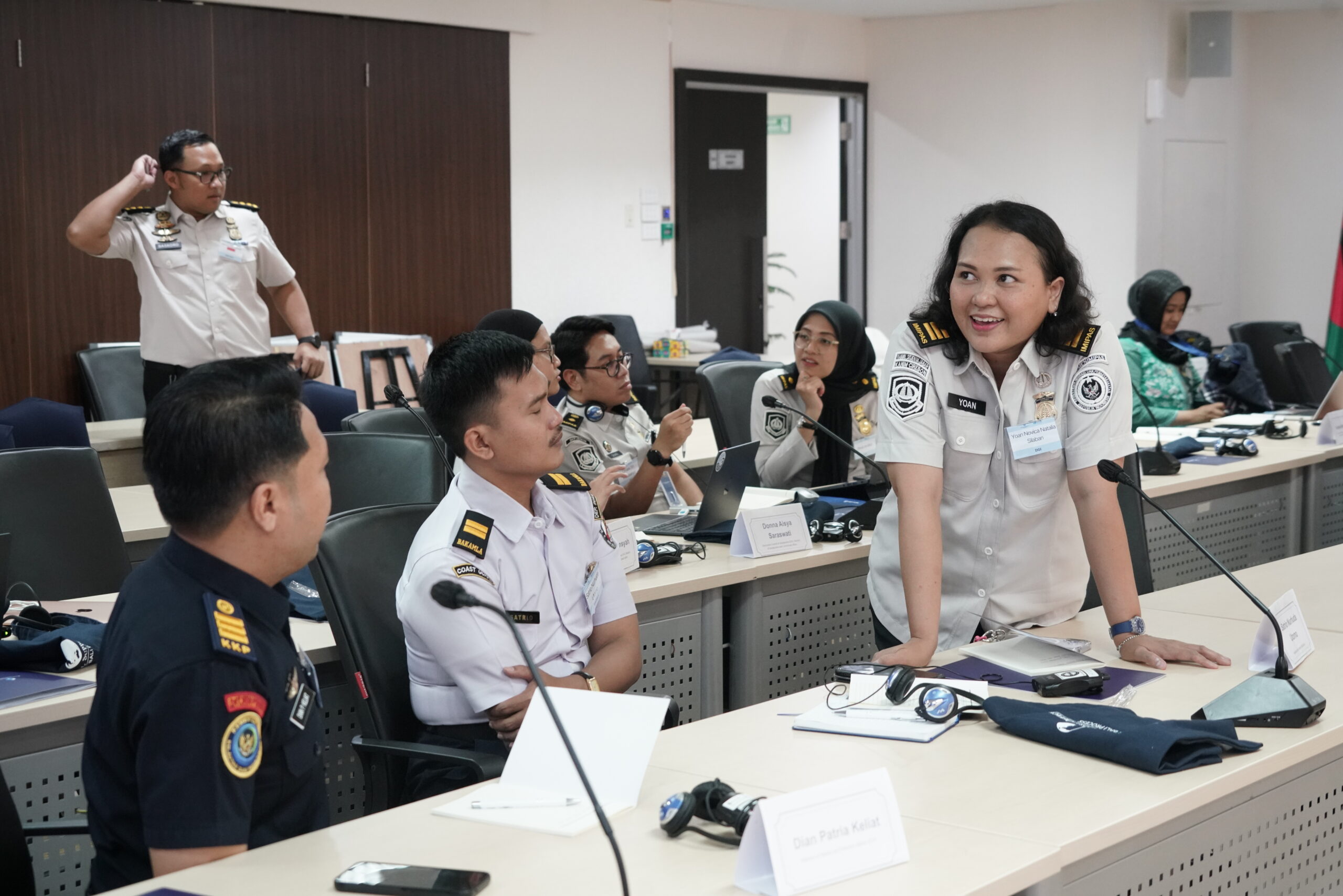
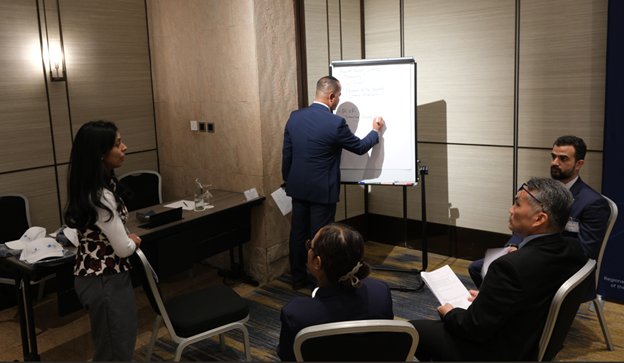
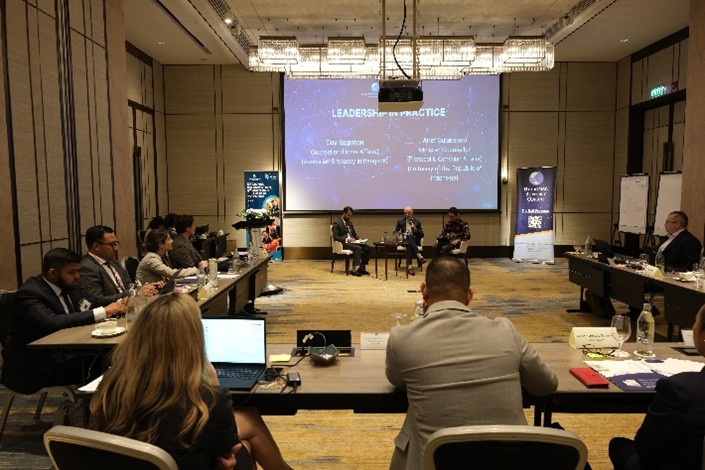
Across the three-day induction programme, participants engaged in leadership development activities, information sharing training, country presentations, and contributed to structured discussions on the RILON Response Group Terms of Reference and Work Plan.
Team building activities fostered trust and cohesion among the Maritime People Smuggling Response Group cohort. RILON secondees also had the opportunity to meet with the RSO Co-Managers from Australia and Indonesia, alongside RSO programmes and thematic leads.
Fuad Adriansyah, RSO Co-Manager (Indonesia) said: “The establishment of the Regional Information, Liaison and Outreach Network (RILON) Maritime People Smuggling Response Group provides an important milestone as a model for bringing together Member States around a priority challenge. The RSO was delighted to welcome representatives from Australia, Bangladesh, Indonesia, Malaysia, Thailand and Timor Leste, with the Induction Programme providing a first step in exploring strengthening ways of working, building trust and shared understanding that can be taken forwards.”
1. Shared realities: highly adaptive smuggling networks and urgent need for cross-border cooperation
Despite differing national contexts, discussions revealed strong alignment on two overarching challenges confronting the region:
First, smuggling networks are increasingly adaptive, decentralised, and digitally enabled, leveraging social media, encrypted communications, and informal financial systems to recruit, move, and exploit migrants.
Second, countries face persistent limitations in maritime domain awareness, driven by long and porous coastlines, archipelagic geography, high volumes of unregistered fishing vessels, and resource constraints that limit continuous surveillance. These shared realities reinforced the need for cooperation that extends beyond national boundaries.
2. Timely, trusted, and actionable information sharing as a key enabler of regional coordination efforts
Throughout discussions, the importance of shifting responses away from a sole focus on migrants and towards the broader smuggling ecosystem—particularly organisers, financiers, recruiters, and facilitators—was consistently emphasised. This network‑centric lens is essential, considering that fragmented approaches undermine effectiveness of responses, and that whole‑of‑government and inter‑agency coordination is essential at both national and regional levels.
In this context, information‑sharing emerged as a critical enabler of regional coordination efforts to counter maritime people smuggling, but only when it is timely, trusted, and actionable. Participants underscored that sharing smaller volumes of relevant, non‑operationally sensitive information can often have greater impact than large datasets that are difficult to interpret or act upon. This approach reduces legal and political risks while enabling earlier intervention and informed decision‑making.
3. Sustained capacity and trust-building needs
A strong theme throughout the Induction Programme was the demand for sustained capacity‑building, particularly in intelligence and trend analysis, digital and financial investigations, victim identification and referral, and cross‑border operational coordination. The secondment model was highlighted as a key value proposition of the RILON Initiative, offering both individual professional development and longer-term institutional benefits for participating agencies.
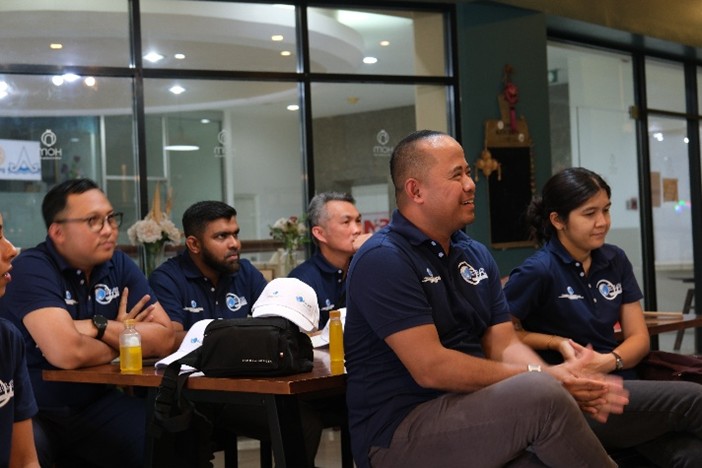
“Transnational crimes such as maritime people smuggling cannot be addressed without the cooperation of other countries in the region— I feel grateful to be involved in the RILON Maritime People Smuggling Response Group and look forward to working with other colleagues from across the region to tackle shared challenges.” – Agus Abdul Majid, Deputy Director for International Cooperation of the Directorate General of Immigration of the Republic of Indonesia and RILON Secondee
The RILON Initiative and the Maritime People Smuggling Response Group aims to play an important step in strengthening the regional information‑sharing architecture for the Bali Process. Through the connections and shared working established by secondees, the Maritime People Smuggling Response Group aims to provide a platform that actively supports sustained regional action—enabling more coordinated, anticipatory, and effective responses to irregular migration and maritime people smuggling across the region.