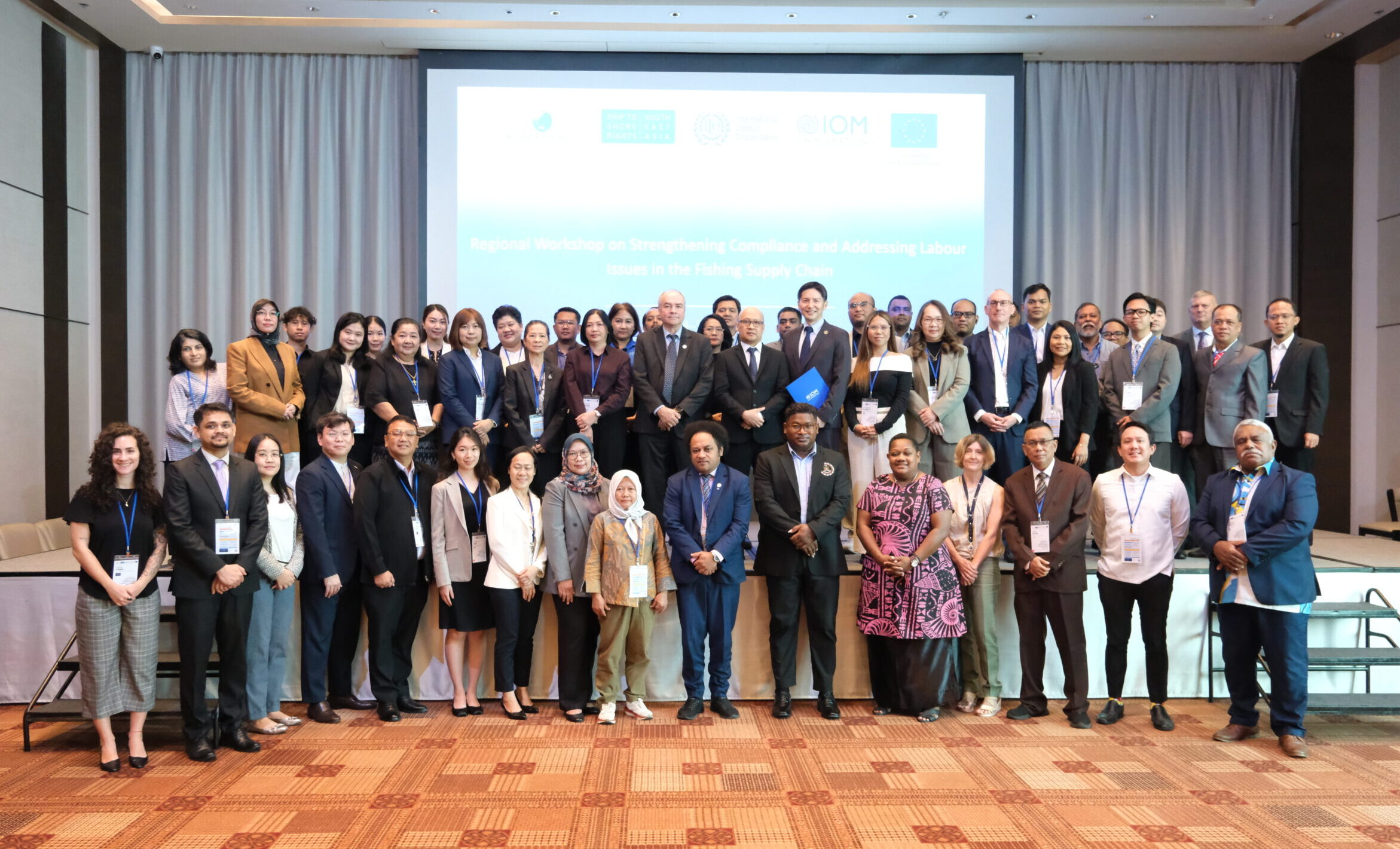

Prosecutors from across the region convened for a two-day workshop in Bangkok over 19-20 March to discuss complexities and good practices for prosecuting cases of trafficking for forced criminality tied to cyber-scam centres in Southeast Asia. The workshop was co-organised by the Regional Support Office of the Bali Process (RSO), Thailand’s Office of the Attorney General (OAG), the International Justice Mission (IJM), United Nations Office on Drugs and Crime (UNODC), and ASEAN–Australia Counter Trafficking (ASEAN-Act).

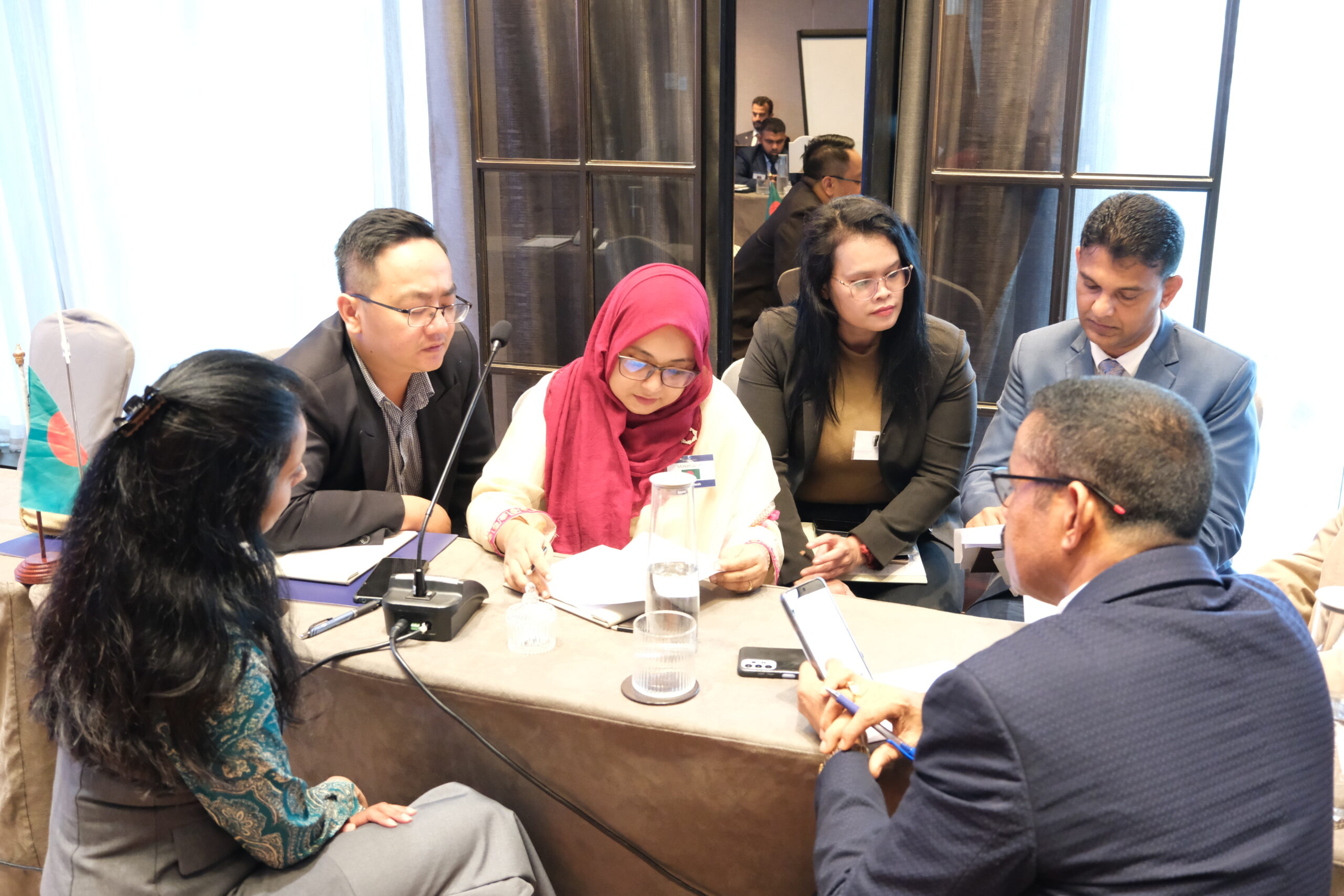
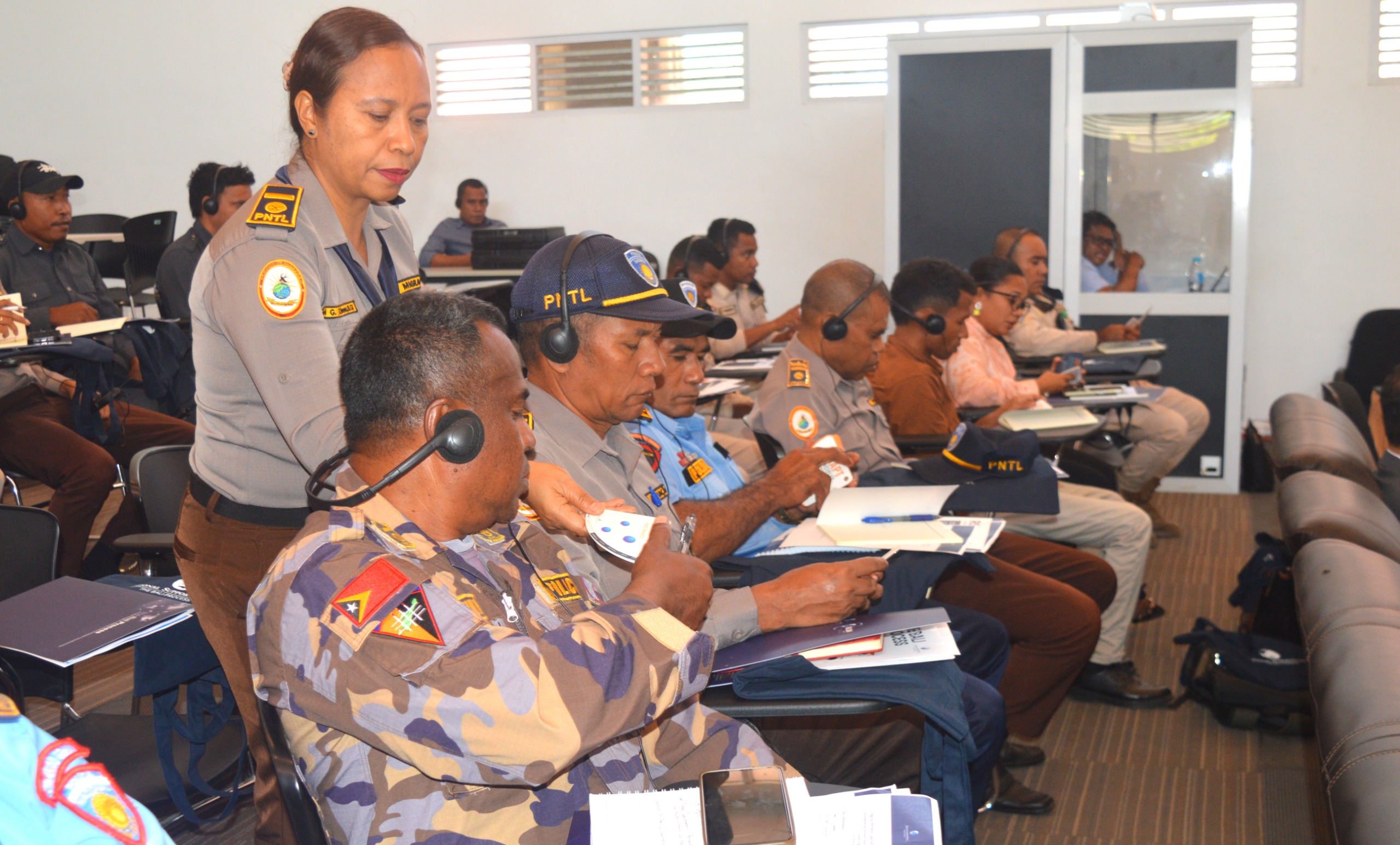
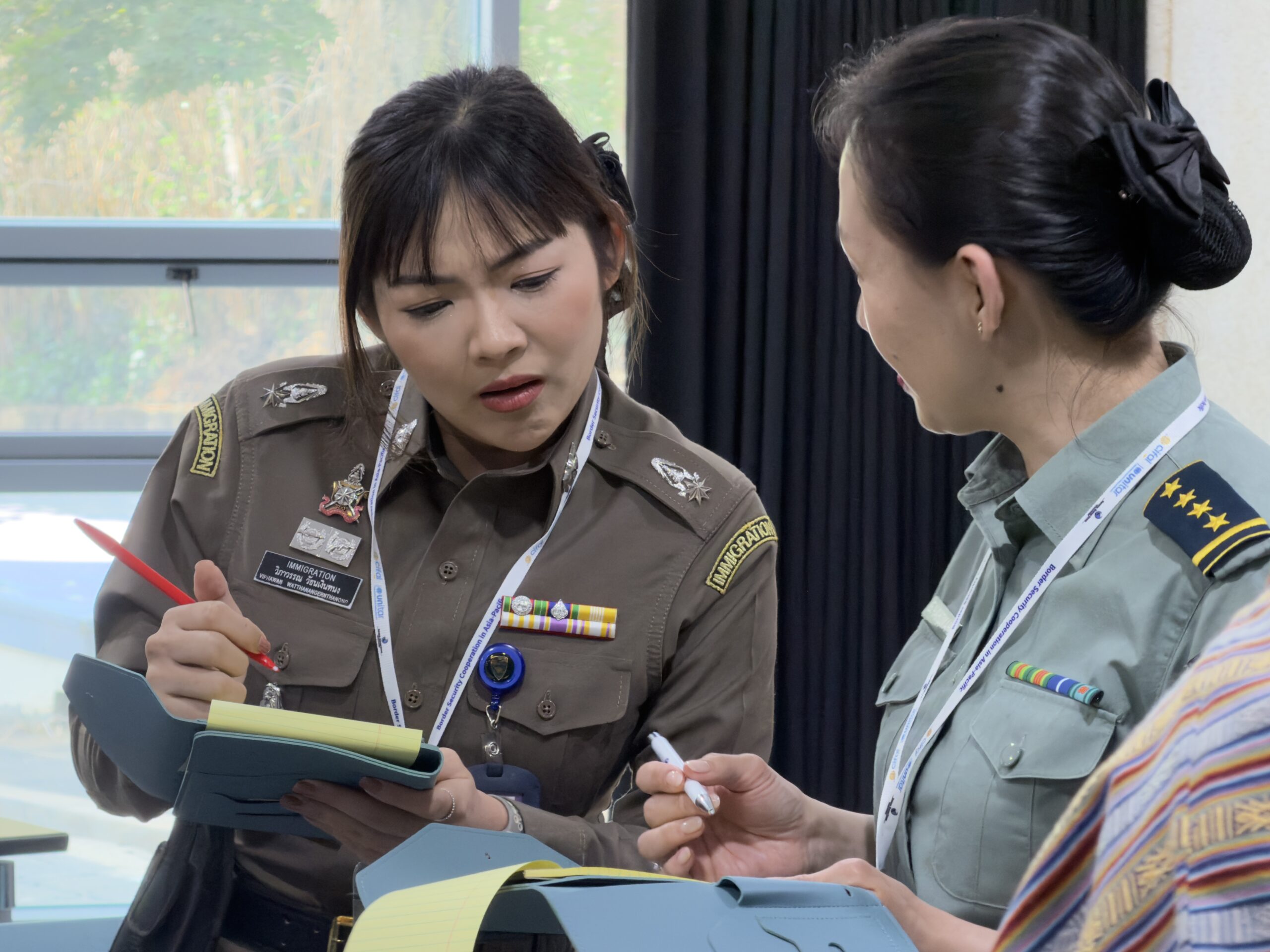
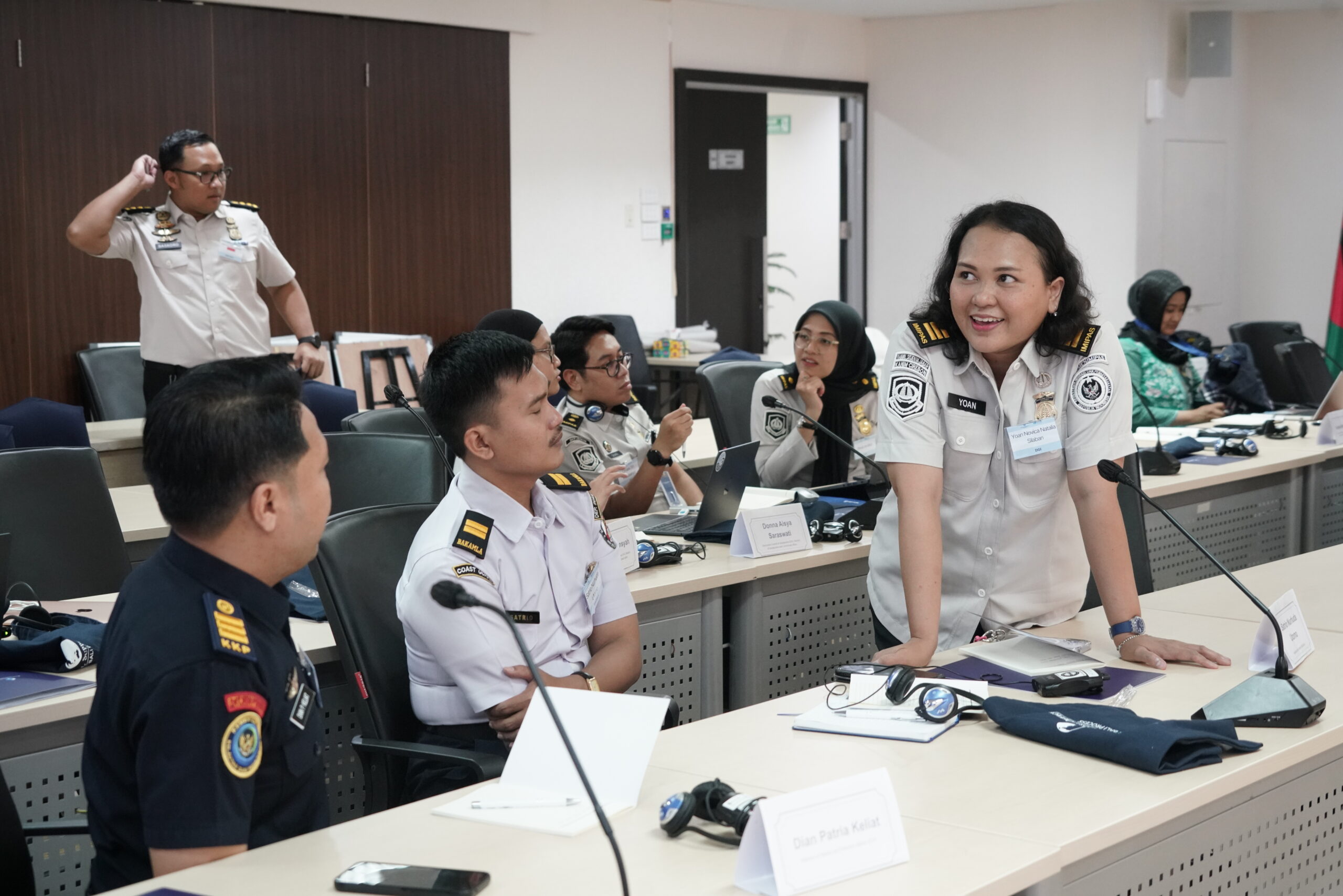
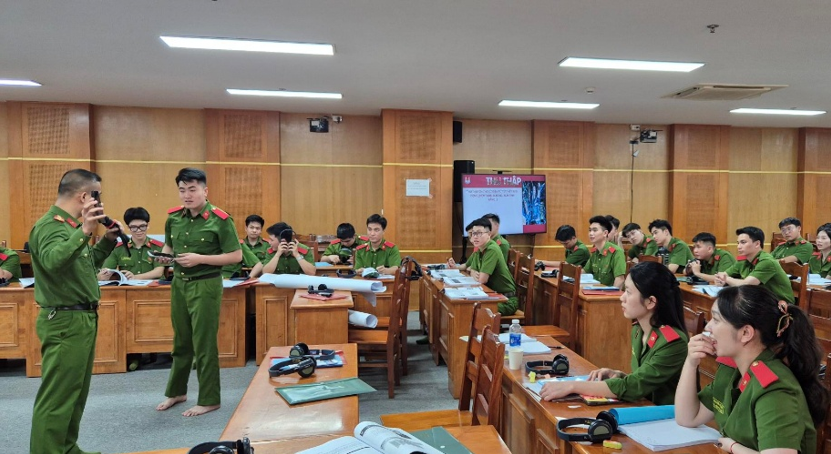
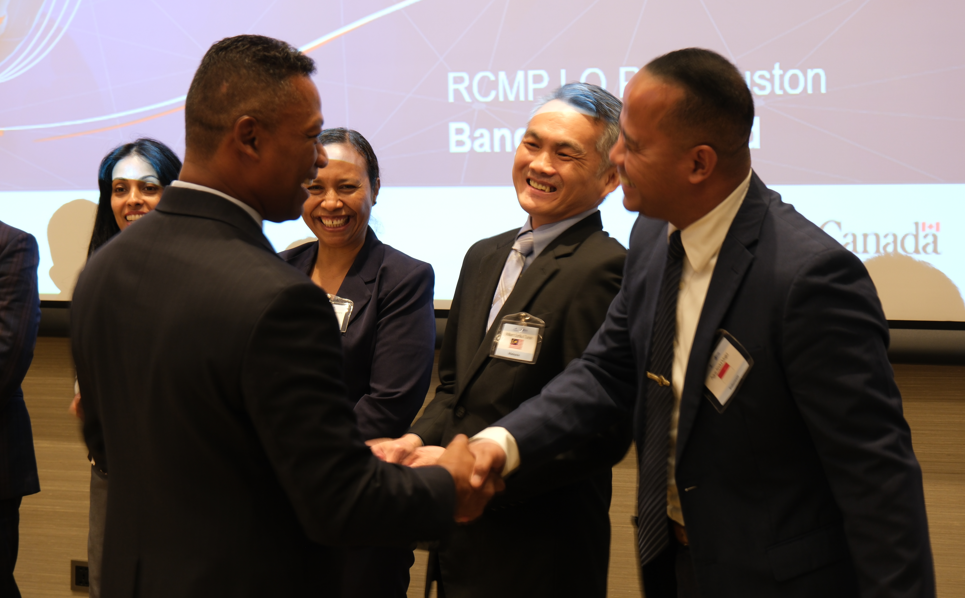
Throughout the Workshop participants engaged in conversations to foster regional collaboration and strengthen prosecutorial networks across borders.
Participants at the Workshop, which included prosecutors and law enforcement directly involved in managing cases of trafficking for forced criminality, called for ramped-up regional engagement to increase the number of prosecutions.

They also called for taking an increasingly strategic focus when selecting which cases to pursue, with a focus on more senior organised crime figures responsible for operating trafficking networks.
Participants also emphasised the need for better victim identification practices and for increased access to services for survivors of trafficking, which within the context of prosecutions would create better opportunities for victims to identify and report those running the cyber-scam centres.
“Prosecutions related to trafficking in persons into these scam centres have not matched the scale of the current situation,” RSO Co-manager (Australia) David Scott emphasised. “Those responsible need to be held to account, and the criminal networks need to see that law enforcement and prosecutors are serious about trafficking in persons for forced criminality.”
Further discussions focused on strengthening both formal and informal prosecutorial networks across the region and on increasing the use of mutual legal assistance (MLA) to share information and evidence across borders. The need to build stronger communication with the private sector was also brought forward during discussions, with participants noting that increased private sector engagement could assist in locating and sharing evidence from social media platforms, and that strengthened coordination could lead to more proactive identification of trafficking networks.

The Workshop was opened by Mr. Phairach Pornsomboonsiri, Deputy Attorney General of the Kingdom of Thailand.
Ryan Winch, the RSO’s Transnational Crime and Technology Programme Manager, noted that, “The real value of this technical workshop can be found in how applied the discussions were throughout. Hearing each country delegation discuss cases they’re pursuing and the strategies they’re employing for doing so was helpful both in terms of encouragement to move prosecutions ahead more actively, but also because of the dialogue it sparked between prosecutors from different national contexts.” He also underlined how the networks formed during this event were expected to be of great value, given the specialised nature of discussions and the unique nature of the insights that participants would be able to share with each other.
The rapid growth of cyber-scam centres across many parts of Southeast Asia has upended traditional patterns of trafficking in persons, becoming a major driver of trafficking for forced criminality across the region. The complexity of these trafficking cases has presented prosecutors in Southeast Asia with multifaceted challenges, including applying trafficking laws to novel and varied forms of trafficking, the significant potential for the misclassification of cases, navigating complex legal frameworks, and overcoming unique evidentiary hurdles.

Case studies were a central focus throughout the Workshop as participants identified strategies and challenges for prosecuting cases of trafficking for forced criminality.
Recognising the need for ongoing efforts to strengthen prosecution and cross-border collaboration, participants from Cambodia, Indonesia, Malaysia, the Philippines, Thailand, and Viet Nam identified areas where additional focus will be important. Suggested next steps included ramping up related capacity-building programs for prosecutors and law enforcement, increasing awareness amongst prosecutors and law enforcement about unique features of cases involving trafficking for forced criminality, supporting targeted research initiatives to develop a wider understanding of the issue and to support evidence collection processes, and investing in public awareness campaigns to prevent trafficking for forced criminality before it occurs.
The RSO looks forward to continuing these discussions, working with our partners in growing this network of prosecutors and law enforcement, as well as continuing to bring together Bali Process Members to address trafficking for forced criminality and cyber-scam centres. To read more about the Workshop in Thai, see Thailand’s Office of the Attorney General’s news article.