
18-22 August 2025 • Jakarta, Indonesia
The Regional Support Office of the Bali Process (RSO) convened government representatives, law enforcement officers, civil society partners, and regional stakeholders in Jakarta for a week-long series of activities through the RSO Member State Spotlight: Indonesia.
The week of activity highlighted Indonesia’s critical regional role as Co-Chair of the Bali Process, and fostered dialogue across Bali Process Members and international counterparts. Activities over the five days included:
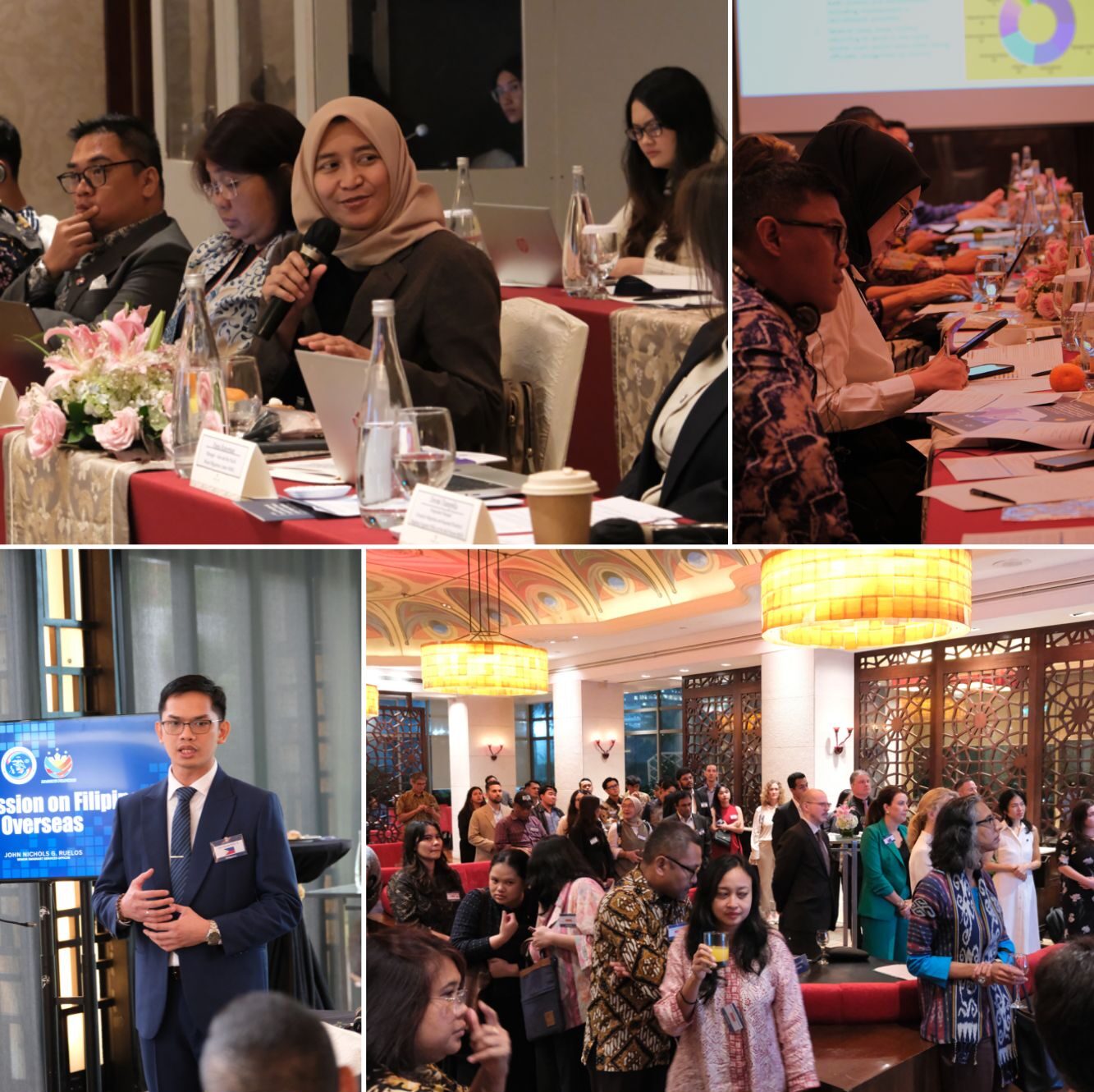
- Panel Discussion on Migration Perceptions and Information Gaps in Indonesia, co-hosted with the Mixed Migration Centre.
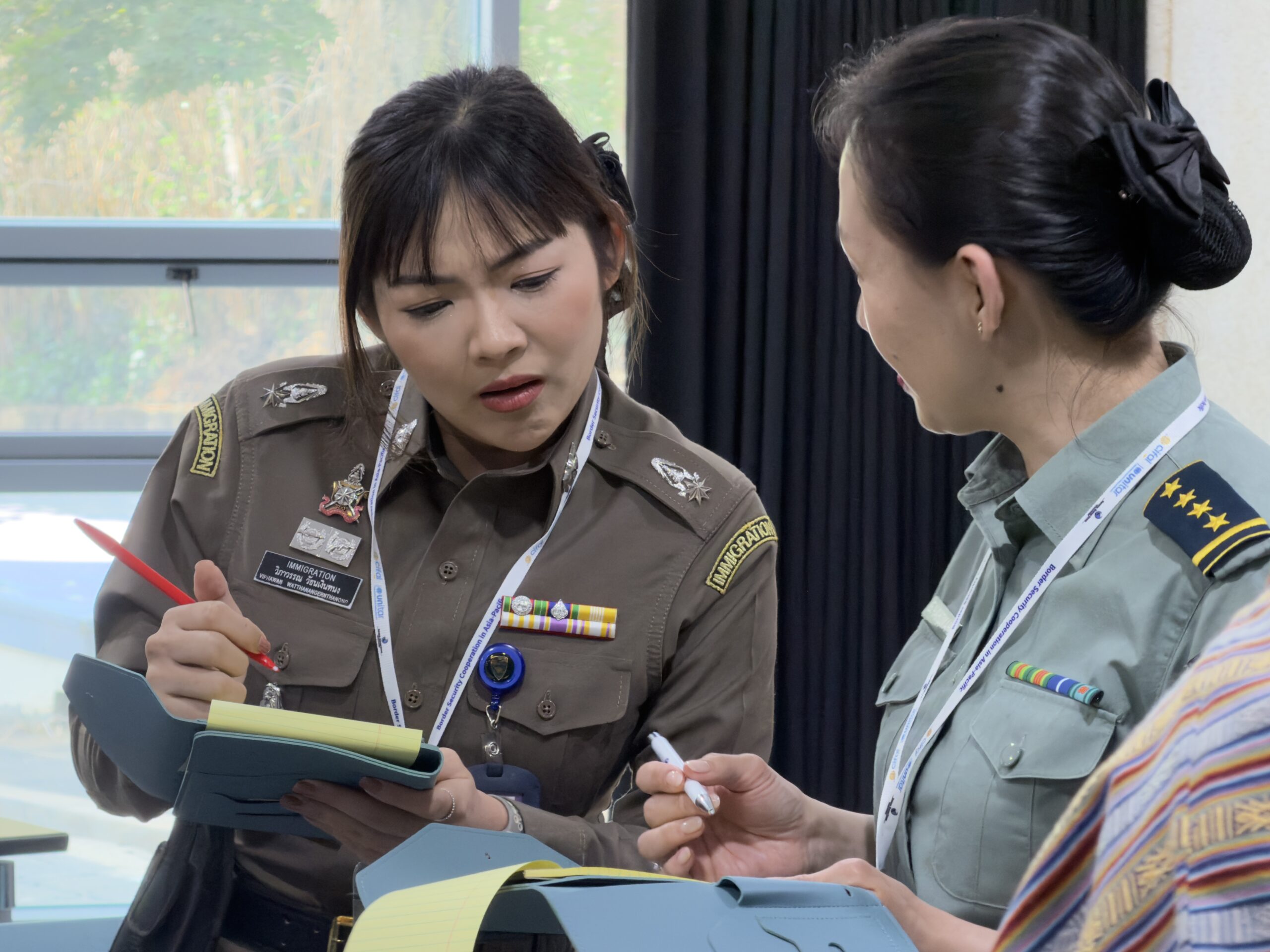
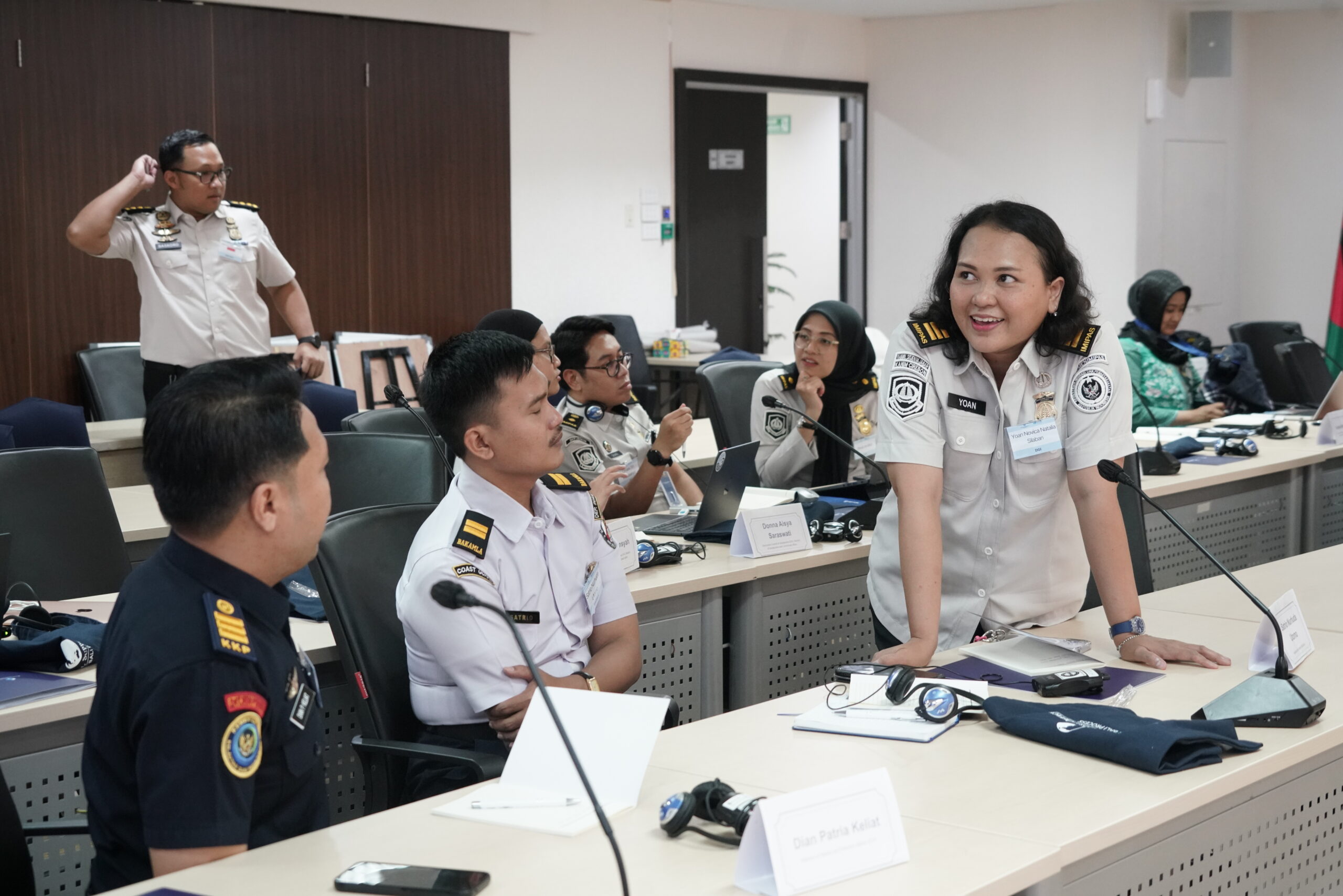
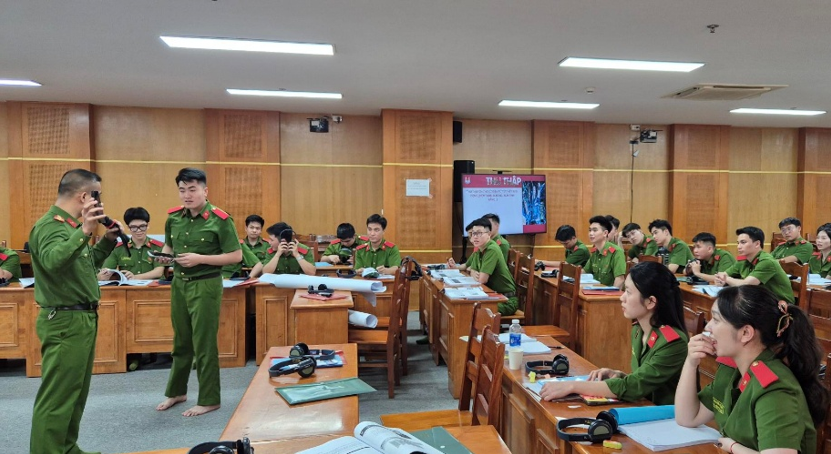
- Training Workshop on Border Management and Screening and Referral of Migrants who May Be in Vulnerable Situations, with participants from Indonesia and Malaysia.
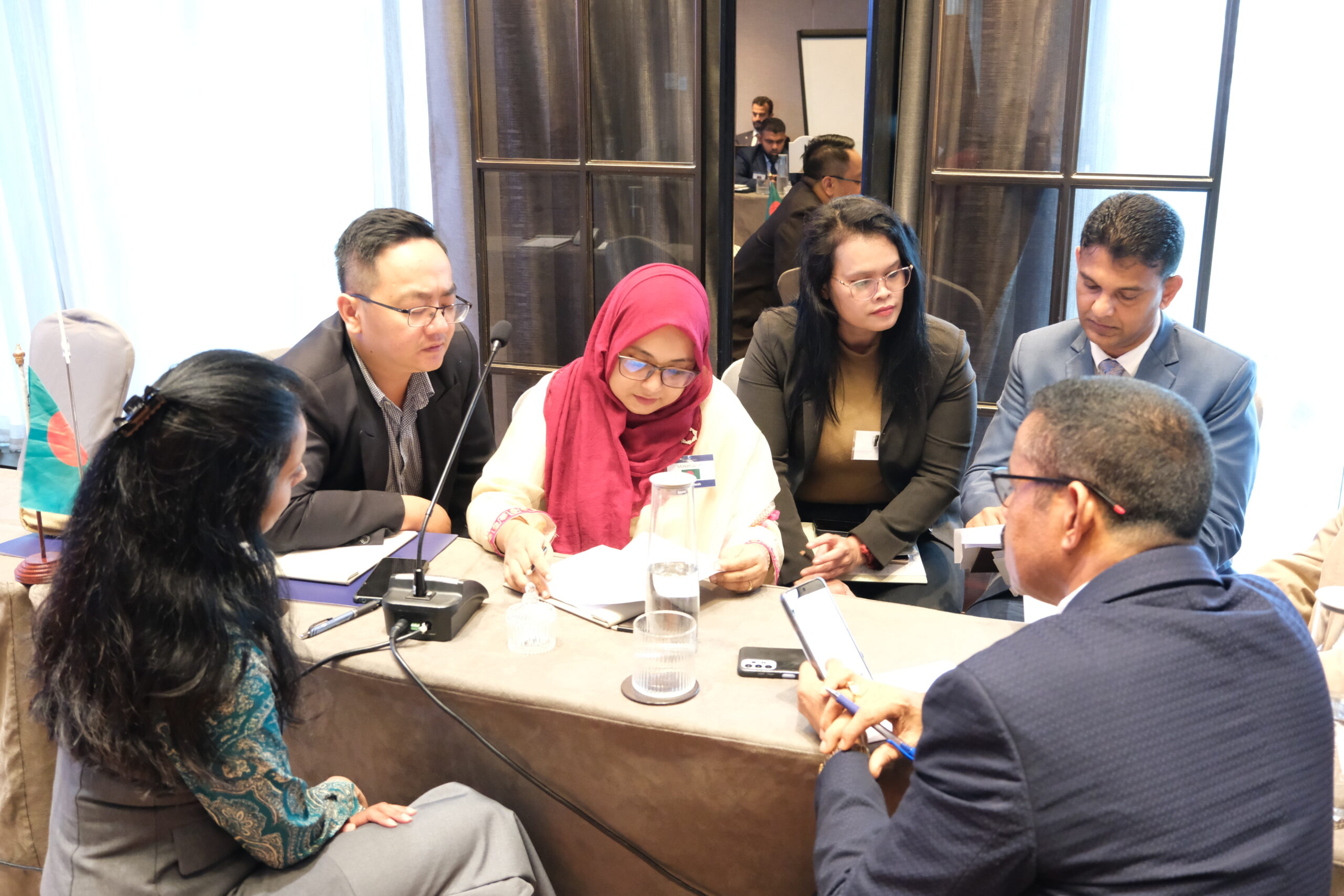
- Regional Consultation on Effective Public Information Campaigns to Prevent Trafficking and Smuggling, with representatives from 14 Bali Process Member States.
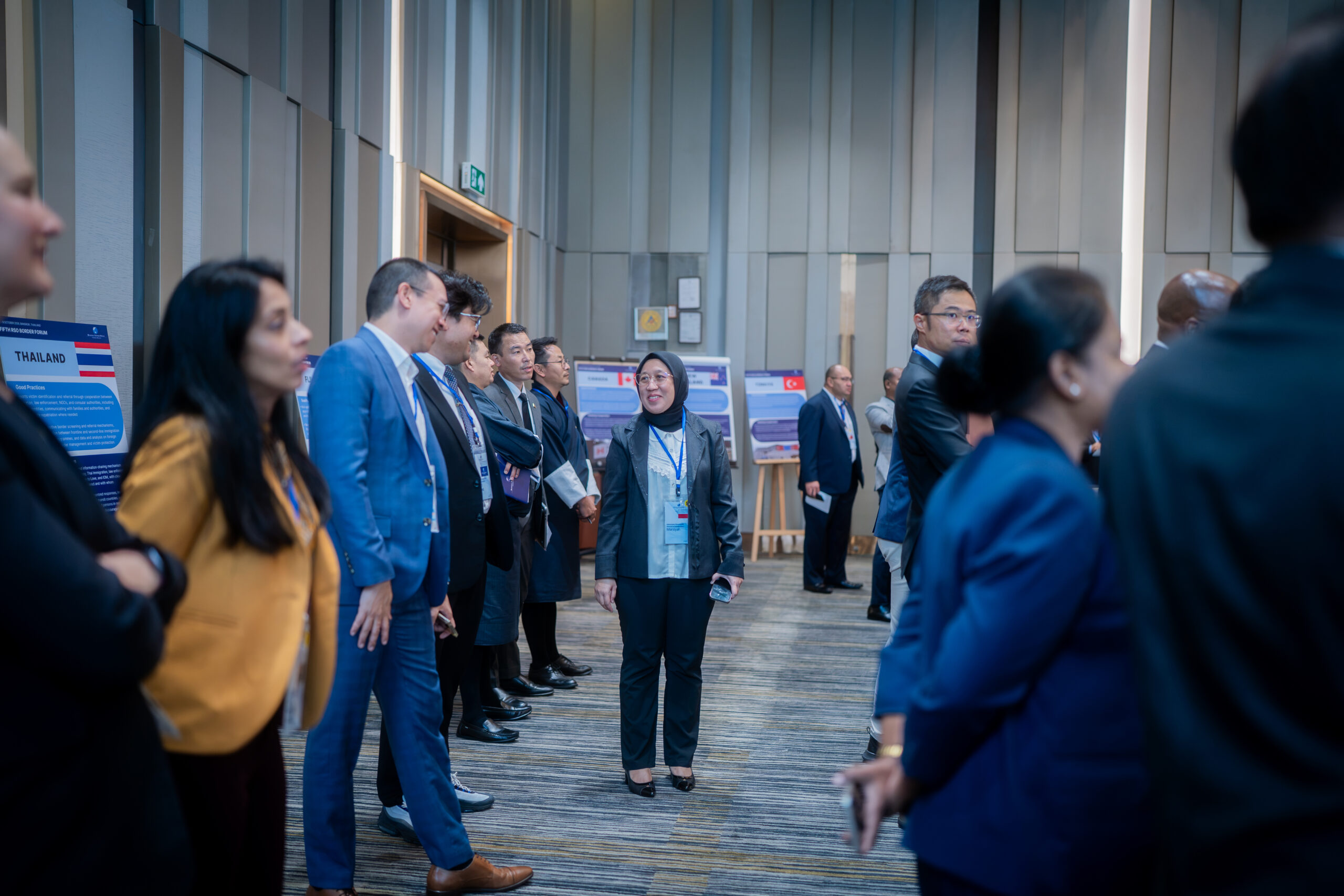
- RSO Members’ Engagement Function, bringing together Bali Process senior officials and diplomats, and representatives from Indonesian Government agencies, civil society and regional partners for dialogue and networking.
When people on the move lack access to accurate information, they become more vulnerable to exploitation and deception. Indonesia’s strategic location—serving as a country of origin, transit, and destination—makes addressing these gaps even more urgent.
The Member State Spotlight week of activity opened with a Panel Discussion on Information, Perception, and Migration Realities in Indonesia, co-hosted with the Mixed Migration Centre (MMC). The discussion drew on findings from research by the RSO and MMC’s, Community Perceptions and Information Needs of Persons at Risk of Irregular Migration in Bali Process Member States, which highlighted how community perceptions and information flows influence migration decisions, and offered actionable recommendations to design targeted public information campaigns that can trigger safer choices and reduce vulnerabilities.
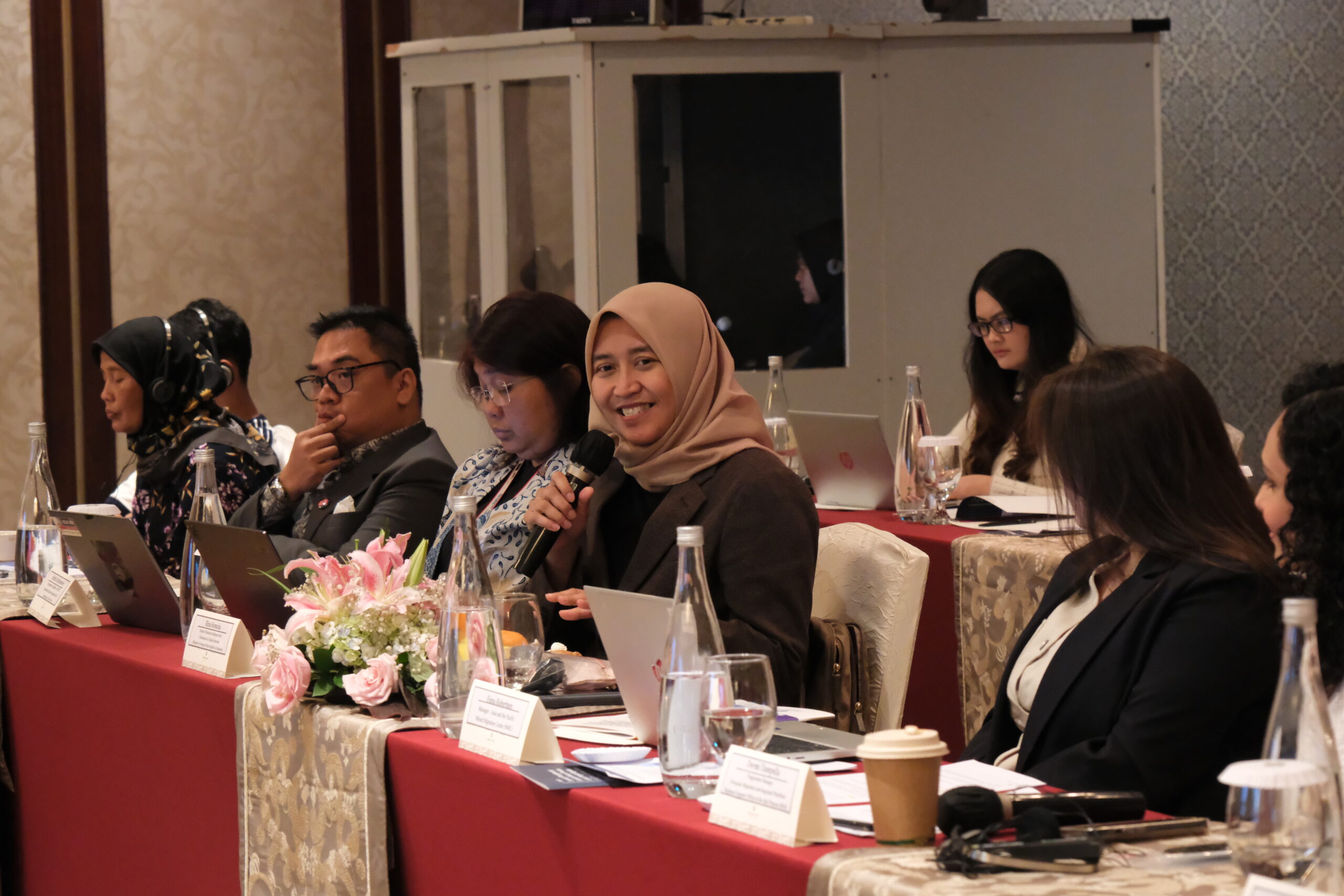 Bringing together counterparts from the Ministry of Foreign Affairs, Ministry of Immigration and Corrections, Ministry of Communication and Digital, the Indonesian National Police, and other key agencies alongside The International Organization for Migration (IOM), The International Labour Organization (ILO), The United Nations Office on Drugs and Crime (UNODC), The UN Refugee Agency (UNHCR), and International Justice Mission (IJM) Indonesia, the session provided a platform for inter-agency dialogue to strengthen evidence-based policymaking. Testimony from a person with lived experience of being trafficked added urgency, underscoring the risks created by misinformation and irregular channels.
By sharing Indonesia-specific insights, the event advanced the RSO’s Awareness Raising and Public Information Campaigns project under the RSO’s 2024–2026 Work Plan. It enhanced officials’ understanding of irregular migration dynamics and fostered collaboration across ministries—ensuring evidence informs policies, public messaging, and protection frameworks at both national and regional levels.
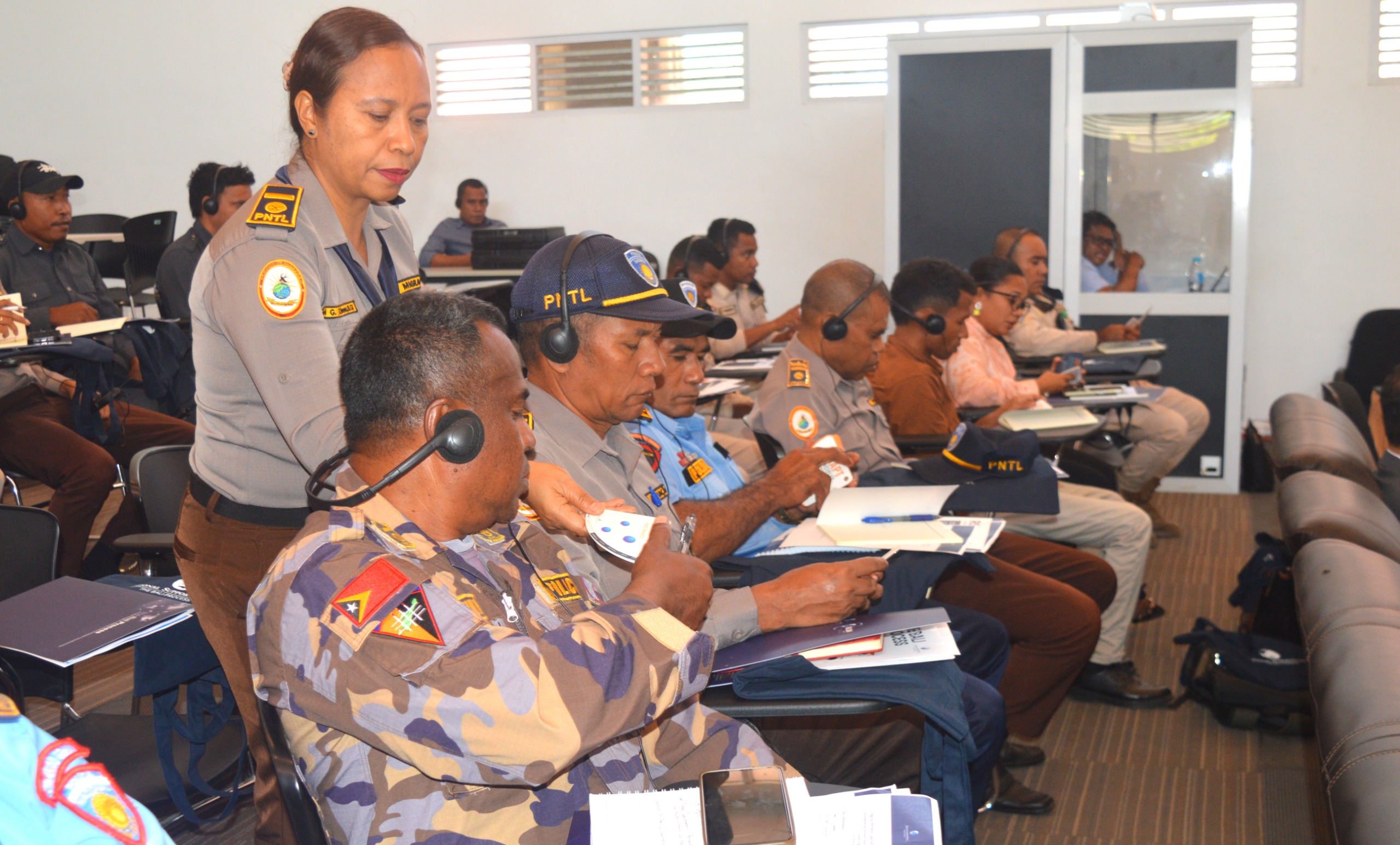
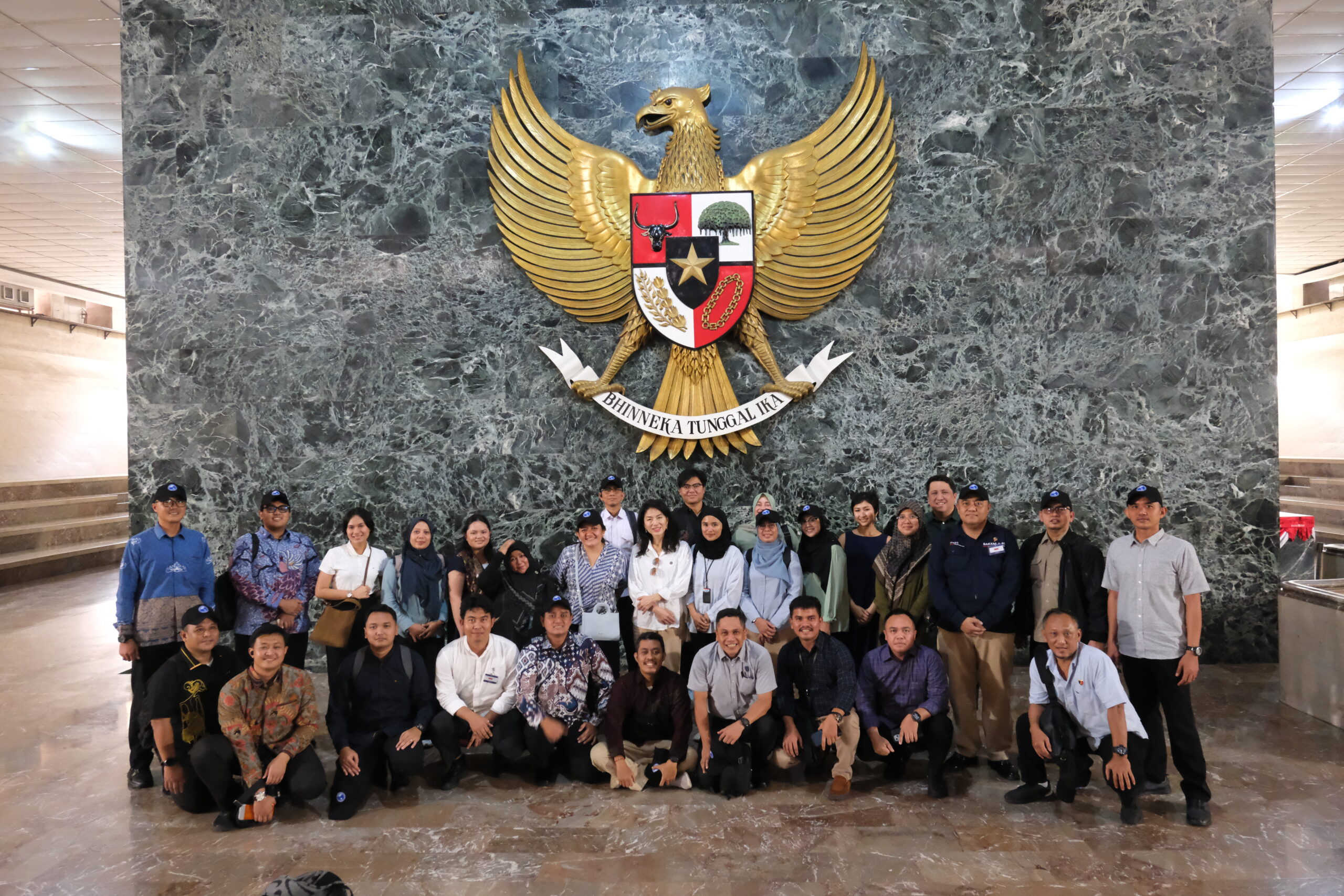 Although the loss of lives as a result of irregular maritime ventures continues to rise, regional economic and social pressures continue to drive people to embark on risky journeys. Coordinated, protection-focused interventions at critical border and arrival points is crucial to support timely and effective responses. From 19–22 August, the RSO delivered a four-day Training Workshop on Border Management and Screening and Referral of Migrants Who May Be in Vulnerable Situations.
Participants joined from Indonesian agencies in Aceh, Medan, Dumai, and Riau, and Malaysia’s National Strategic Office—Council for Anti‑Trafficking in Persons and Anti‑Smuggling of Migrants—bringing perspectives from critical points of arrival in irregular maritime journeys that have seen a growing number of landings and rescues.
Through scenario-based modules, participants practiced identifying vulnerability indicators, applying protection-sensitive screening, and mapping referral pathways, supported by hands-on use of the RSO–UNHCR Screening and Referral Toolkit, a mobile application for border officials designed to support faster, more consistent screening and referral practices. Each officer developed a Return-to-Work Action Plan to embed lessons in their daily operations.
The workshop promoted inter-agency experience sharing, enhanced understanding of regional referral mechanisms, and enabled new connections to further operational cooperation between Indonesian and Malaysian agencies. By the close, participants reported stronger skills to detect trafficking and smuggling cases, improved legal awareness, and reinforced networks for cross-border cooperation. Participants now join some 200 peers in the RSO Alumni Network, reinforcing a growing community of practitioners committed to ongoing peer-to-peer learning and cross-border collaboration.
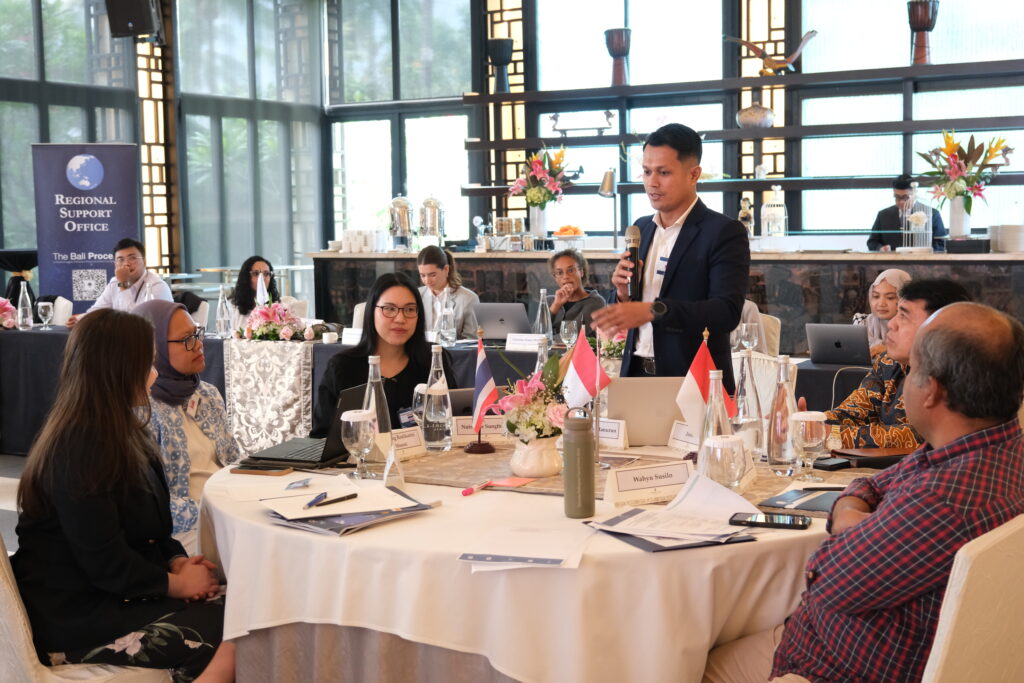 People on the move can face significant risks—especially where irregular migration pathways leave them vulnerable to exploitation, trafficking, and abuse. Access to reliable information is critical to help individuals make informed choices along their migration journeys.
On 20–21 August, the Regional Consultation on Addressing Irregular Migration through Effective Information Campaigns convened representatives from 13 Bali Process Member States including Australia, Bangladesh, Cambodia, Canada, Indonesia, Lao PDR, Malaysia, Philippines, Pakistan, Sri Lanka, Thailand, New Zealand, and Viet Nam.
Delegates exchanged insights on:
- Designing and delivering targeted campaigns to prevent trafficking and smuggling
- Leveraging existing communication channels in countries of origin, transit, and destination
- Addressing gaps in guidance and capacity for public messaging
The consultation will directly inform the refresh of the Bali Process Handbook on Addressing Irregular Migration through Effective Campaigns and the Training Package on Monitoring and Evaluating Migration-related Information Campaigns, ensuring Member States have up-to-date tools to reach at-risk communities.
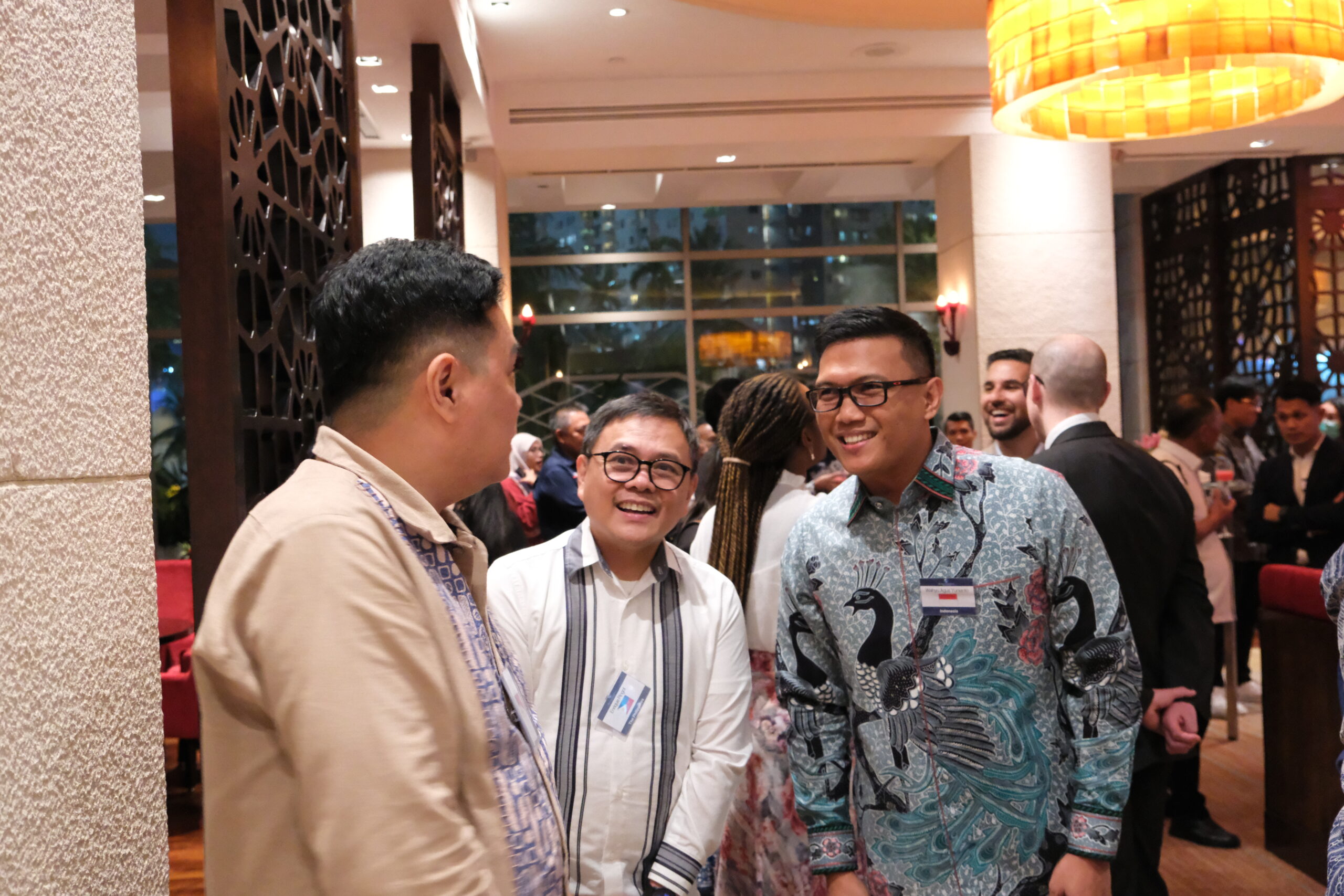 The RSO Members’ Engagement Function brought together members of the diplomatic corps from Bali Process Member and Observer States, senior Indonesian government officials, colleagues from international organisations and regional partners. The networking event supported new connections across governments, international organisations, and civil society actors working to address irregular migration, people smuggling, trafficking in persons, and related transnational crime.
To bring to life the complex realities behind irregular migration, the event featured a performance by multimedia artist Fairuz Sulamain, created in collaboration with an individual who shared their firsthand experience of navigating forced displacement through irregular migration channels, and their encounter with people smugglers.
Through paper cuttings, collages, and stop-motion animations, the performance offered a vivid and personal perspective on the pressures and challenges that can drive such journeys.
Through this targeted week of dialogue, training, and partnership-building, the RSO and Indonesian counterparts reinforced their shared commitment to protection-sensitive migration management, evidence-based policymaking, and effective communication strategies.
These efforts will continue under the RSO 2024–2026 Work Plan, to promote lessons and connections forged in Jakarta into sustained regional cooperation and practical action that can effectively address evolving realities of irregular migration in the Asia-Pacific region.