
24-26 June 2025 • Bangkok, Thailand
Maritime people smuggling remains a persistent challenge in the Asia-Pacific region, marked by complex transnational dynamics and high human costs. Organised criminal networks continue to exploit individuals who may be in a vulnerable situation by facilitating dangerous sea journeys, often aboard overcrowded and unseaworthy vessels. These operations not only threaten the lives and rights of those on the move, but also place considerable strain on national law enforcement, border control systems, and regional cooperation frameworks. In response, efforts to strengthen regional capability, coordination, and preparedness are critical to disrupting smuggling networks, protecting lives at sea, and promoting safe, orderly, and regular migration.
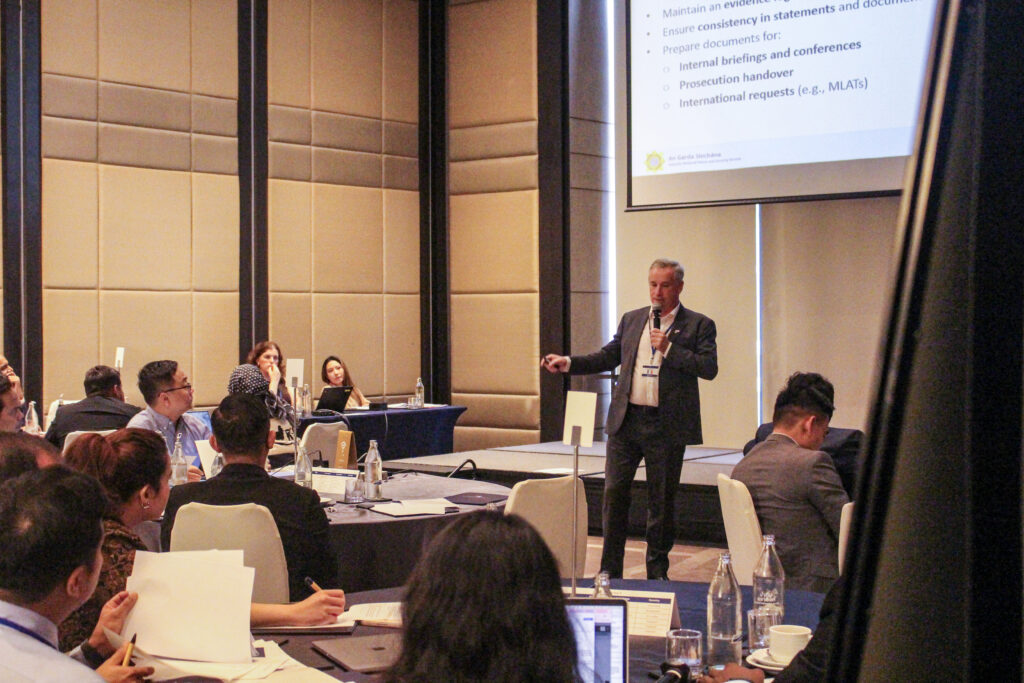
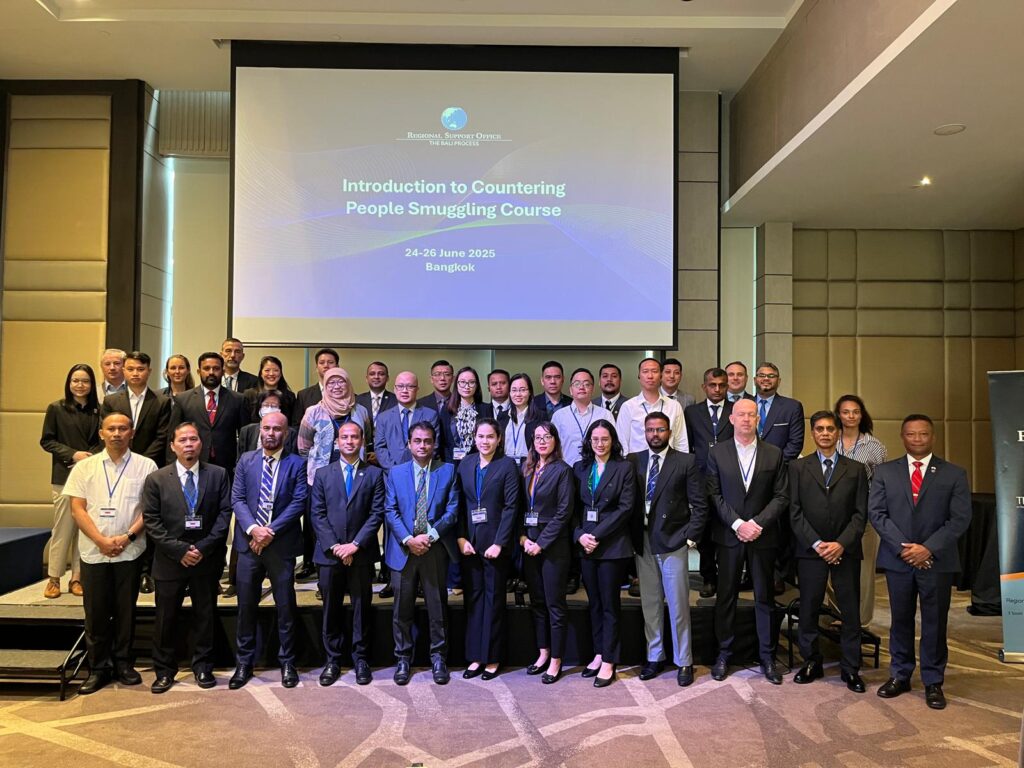
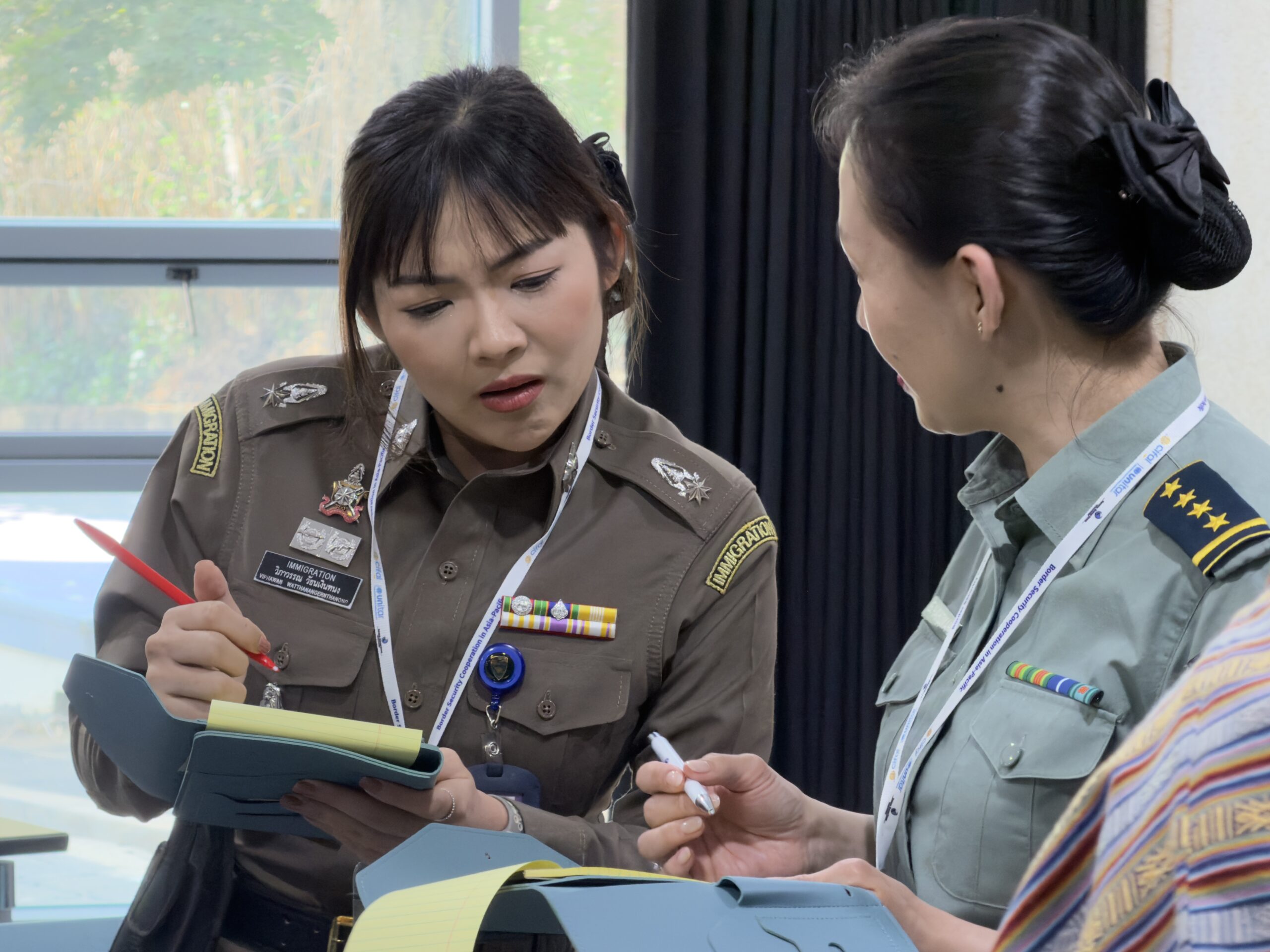
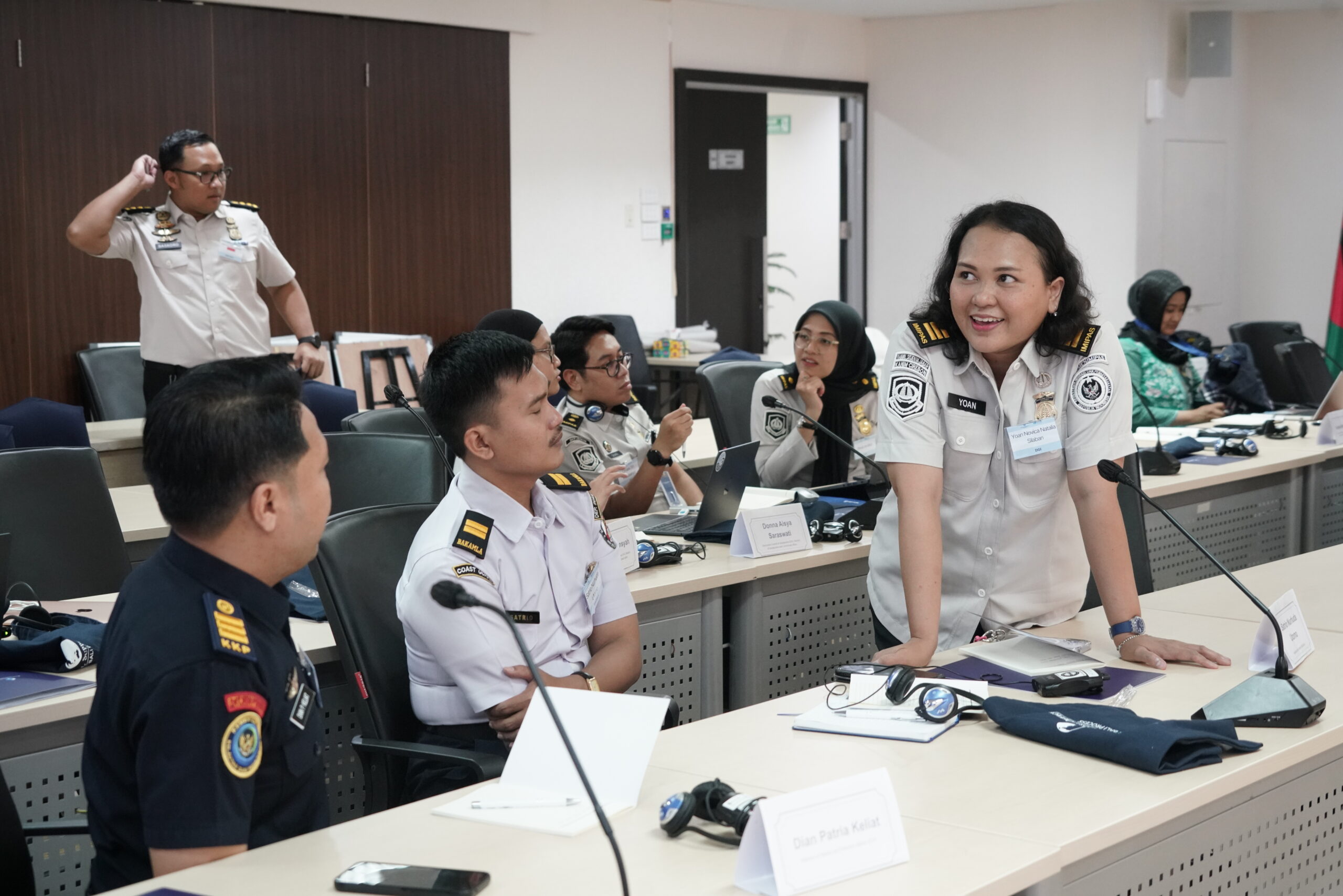
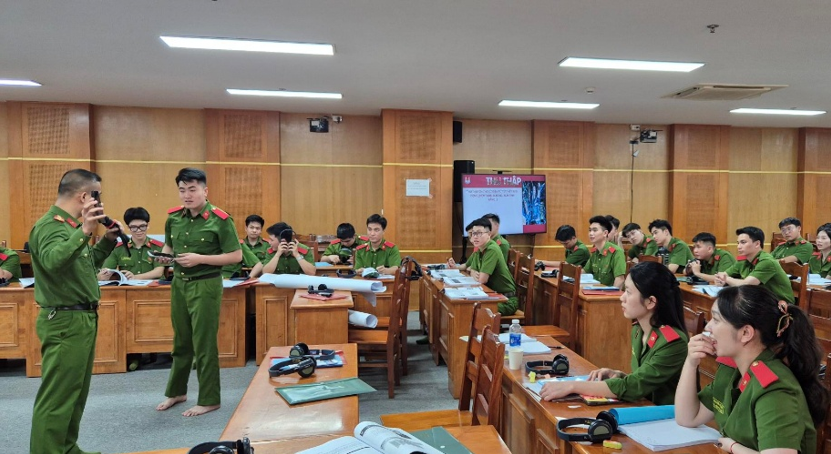
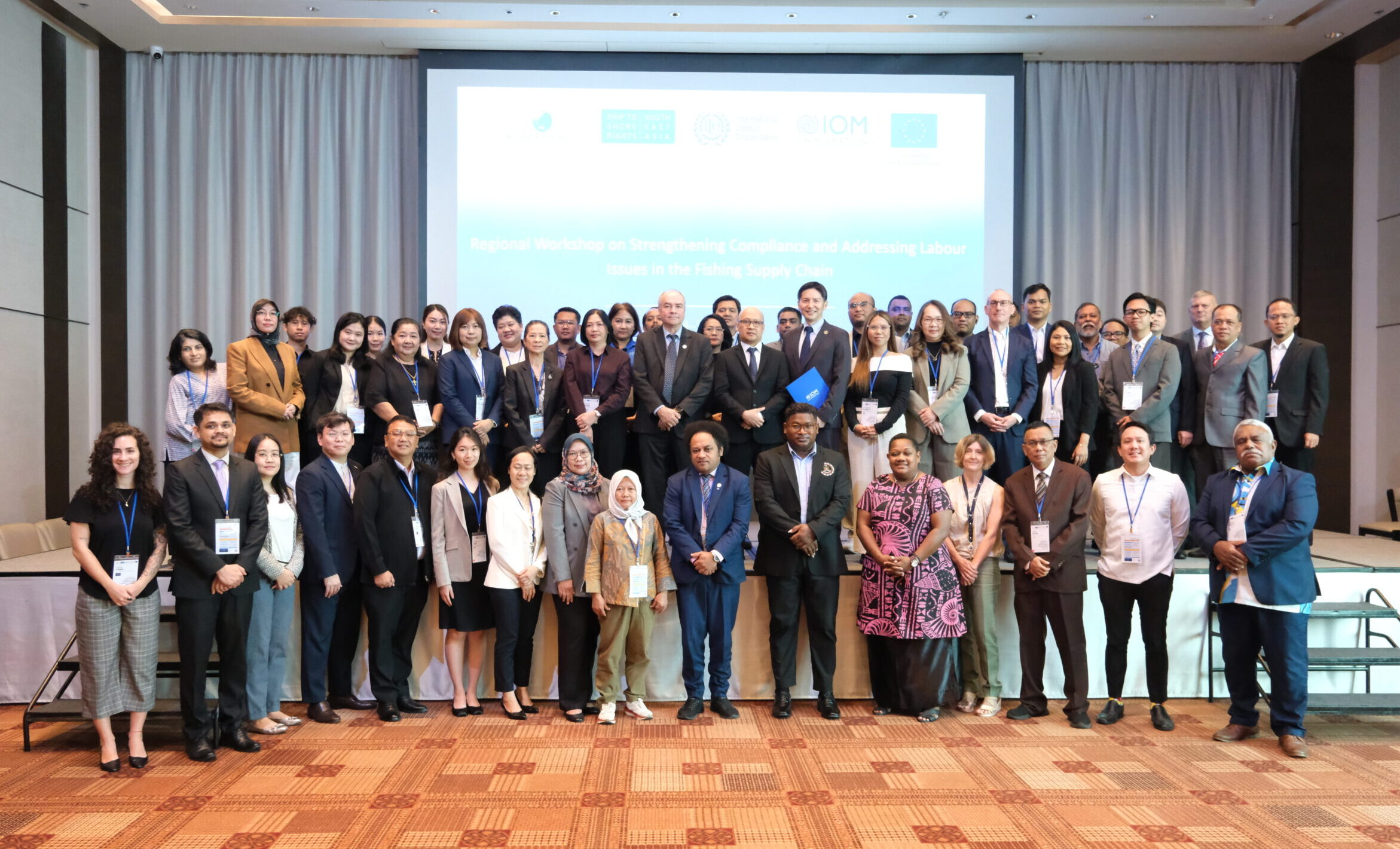
The Regional Support Office of the Bali Process (RSO) Introduction to Countering People Smuggling Course brought together 29 law enforcement, border, and immigration officials from Bangladesh, Indonesia, Malaysia, Sri Lanka, Thailand and Viet Nam to strengthen regional coordination and operational readiness to respond to people smuggling.
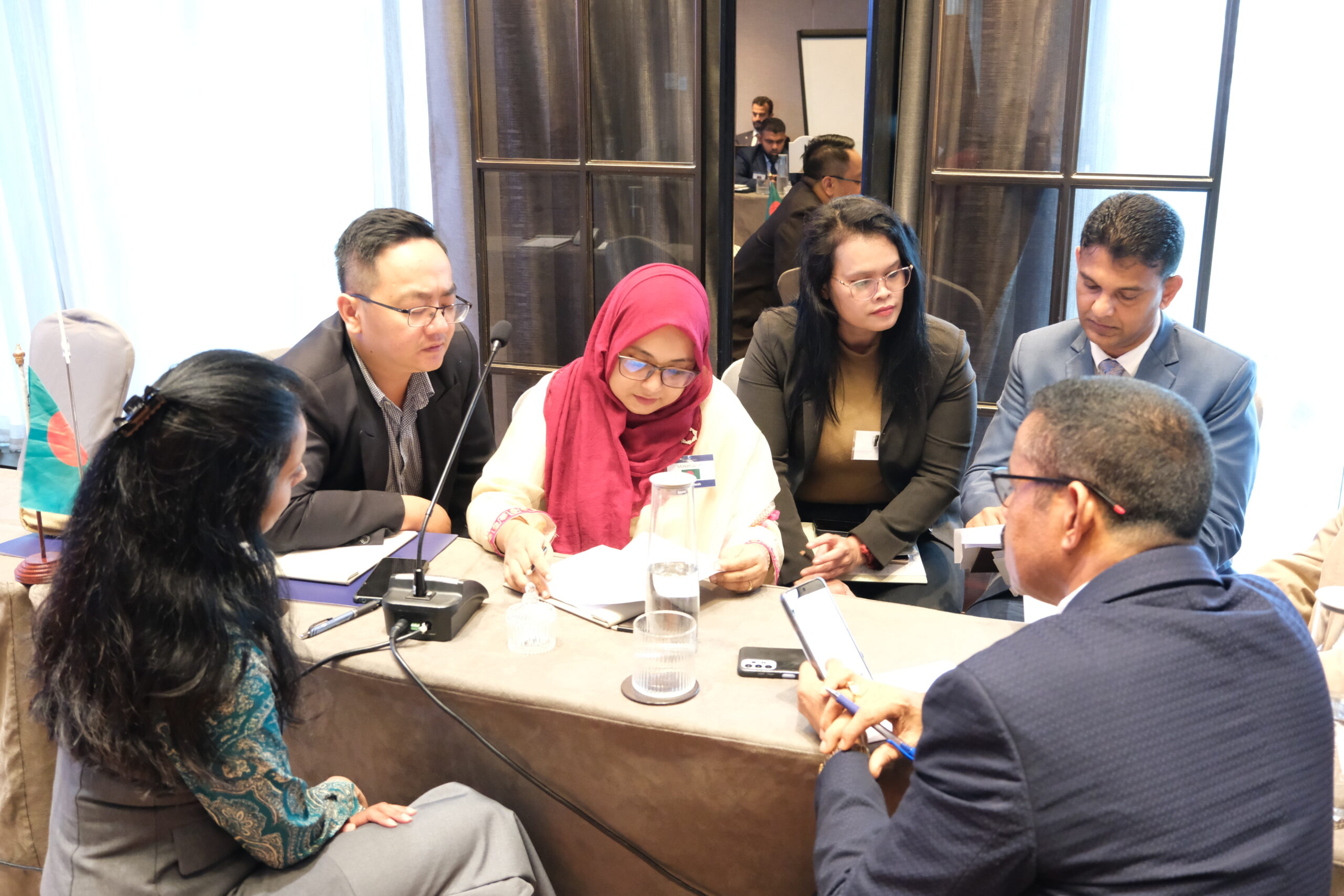
The course equipped participants with foundational knowledge and practical tools to detect, investigate, and dismantle people smuggling networks. Participants engaged in interactive sessions, case studies, and practical exercises. By fostering cross-border dialogue and collaboration, the course focused on enhancing the collective capacity across the region to effectively respond to this complex issue, while creating an environment conducive to exchanging insights, sharing experiences, and disseminating best practices between participants.
The course was delivered as part of a broader RSO initiative designed to strengthen regional coordination and operational readiness to respond to people smuggling. It follows a series of regional engagements this year, including a webinar—‘Sailing Season Has Begun’ and a Regional Meeting on Countering People Smuggling and Related Transnational Crime, held jointly with the Government of Malaysia as ASEAN Voluntary Lead Shepherd on People Smuggling.
Throughout the course, people smuggling was discussed not only in terms of its legal and operational challenges but also as a deeply human issue—one that tests systems, institutions, and the collective moral compass.
People smuggling in the Andaman Sea region is a longstanding and complex issue, driven by organised criminal groups that facilitate the unlawful, irregular movement of persons, including those seeking refuge. The Andaman Sea is exploited as a key maritime route, with people smuggling activities placing pressure on countries including Bangladesh, Thailand, Malaysia, and Indonesia.
Through a variety of training modules, interactive activities and case studies, the RSO provided participants with hands-on experience in understanding and applying international and legal frameworks including the UN Protocol against the Smuggling of Migrants (SOM Protocol). The training supported knowledge and skills that could enhance investigations of smuggling groups, and enhanced officers’ ability to recognise and address the vulnerabilities of displaced individuals.
The course also supported opportunities for reflection and action planning. Participants prepared and delivered country presentations outlining their national contexts, legal and policy responses, operational challenges, and future priorities.
Some key themes to emerge included:
People smuggling and humanitarian responsibilities:
- Participants from Bangladesh, Indonesia, Malaysia, and Sri Lanka shared first-hand experiences of responding to people smuggling cases, many of which involved overcrowded or unseaworthy vessels and passengers in distress.
- Participants highlighted the need for strengthened maritime domain awareness, timely response systems, and better coordinated disembarkation processes.
Responding to the needs of migrants in vulnerable situations:
- Participants discussed practical challenges faced by frontline officers when encountering migrants who may be traumatised, in need of medical care, or at risk of exploitation.
- An introduction to the RSO Screening and Referral Toolkit provided a practical framework for implementing gender-sensitive and trauma-informed approaches, and participants responded positively to its potential use in operational settings.
Legal and policy fragmentation:
- Inconsistencies across Member State policies and frameworks pose a key challenge to effective cooperation and the prosecution of smugglers. Several participants raised the issue of overlapping or unclear distinctions between people smuggling and trafficking in persons within national legal frameworks. Presentations underscored the importance of continued legislative review and regional dialogue to support more harmonised responses.
Inter-agency coordination and information sharing:
Participants shared experiences of both effective collaboration and common operational challenges—such as overlapping mandates, slow communication, and difficulties in accessing actionable intelligence.
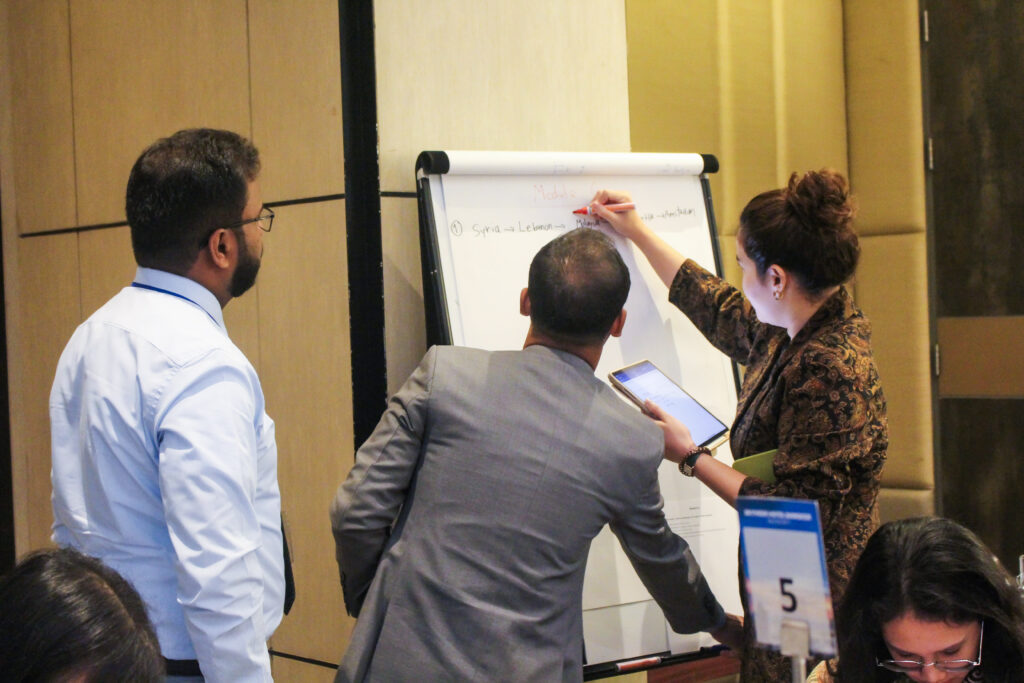
The course culminated with the development of individualised Return-to-Work Action Plans. Each participant identified concrete actions they could implement upon returning to their home agency, including initiating inter-agency coordination meetings, conducting awareness briefings for colleagues, reviewing or updating internal standard operating procedures, and sharing course materials to support ongoing capacity building within their teams. These Return-to-Work Action Plans will serve as a basis for continued post-course engagement and support.
In September, the RSO will support the delivery of the advanced two-week International People Smuggling Investigations Program (IPSIP) in Cox’s Bazar, Bangladesh, in partnership with the Jakarta Centre for Law Enforcement Cooperation (JCLEC), Australian Federal Police, New Zealand Police and Royal Canadian Mounted Police. Cox’s Bazar is a known maritime departure point in the region. By bringing together maritime officials, immigration, border and law enforcement from across the region together in this key location, the course partners hope that participants will strengthen situational awareness and understanding of the key challenges, current trends and opportunities for cross-border investigations.
In the coming months, the RSO also will support the establishment of two regional mechanisms bringing together senior policy officials through the Six Country Irregular Migration Group (SCIM) and frontline responders through the Regional Information Liaison and Outreach Network (RILON) Initiative Andaman Sea Response Group.
The RSO will continue to progress support for regional cooperation, capability development, and information sharing through its 2024-2026 Work Plan, with a focus on countering maritime smuggling captured through RSO Initiative 2: Regional Cooperation to Counter People Smuggling. You can read more about the RSO’s efforts across this initiative in this blog: Maritime smuggling in Southeast Asia: shifting tides, shared challenges.