
2 October 2024 • Manila, Philippines
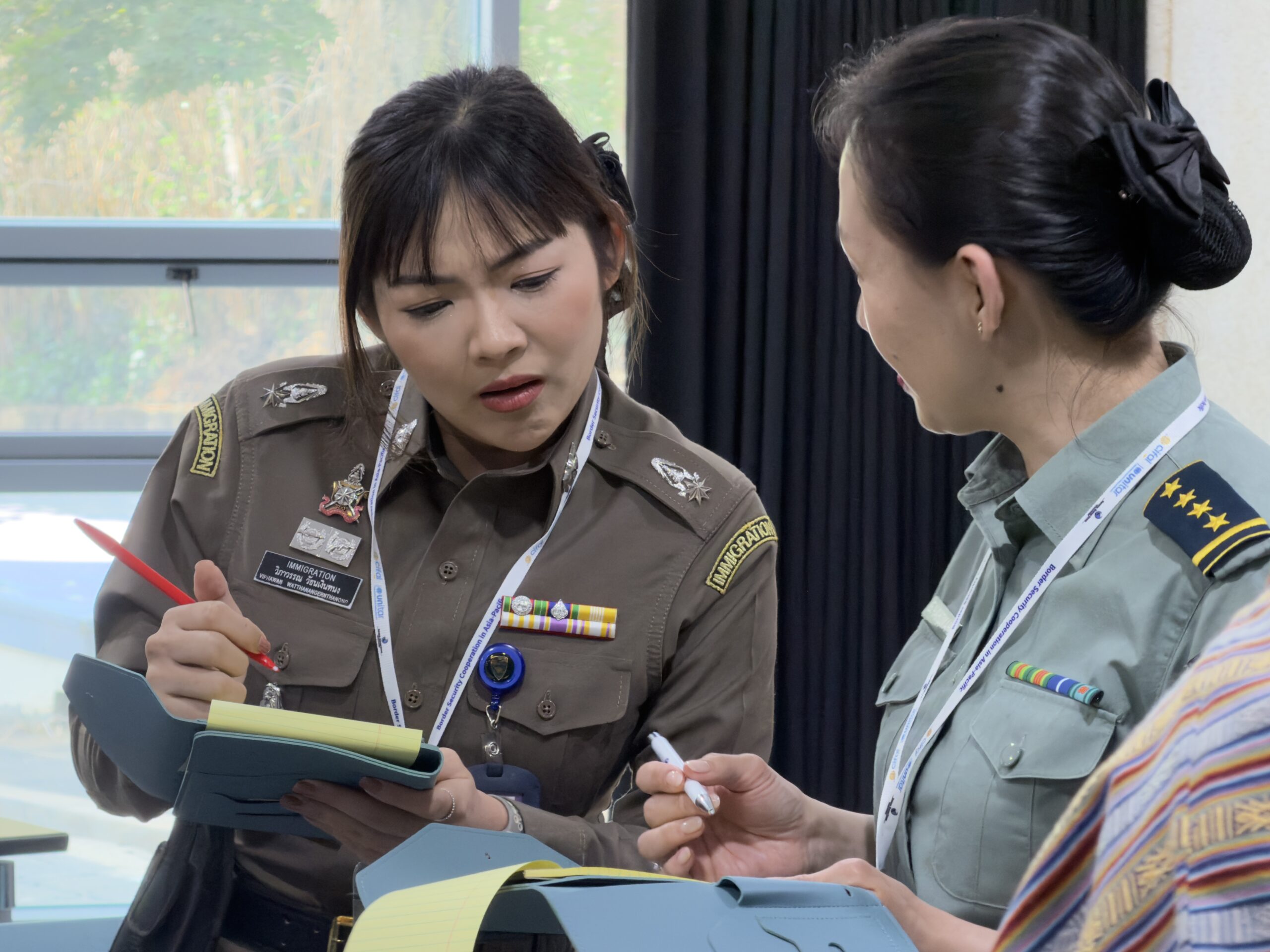
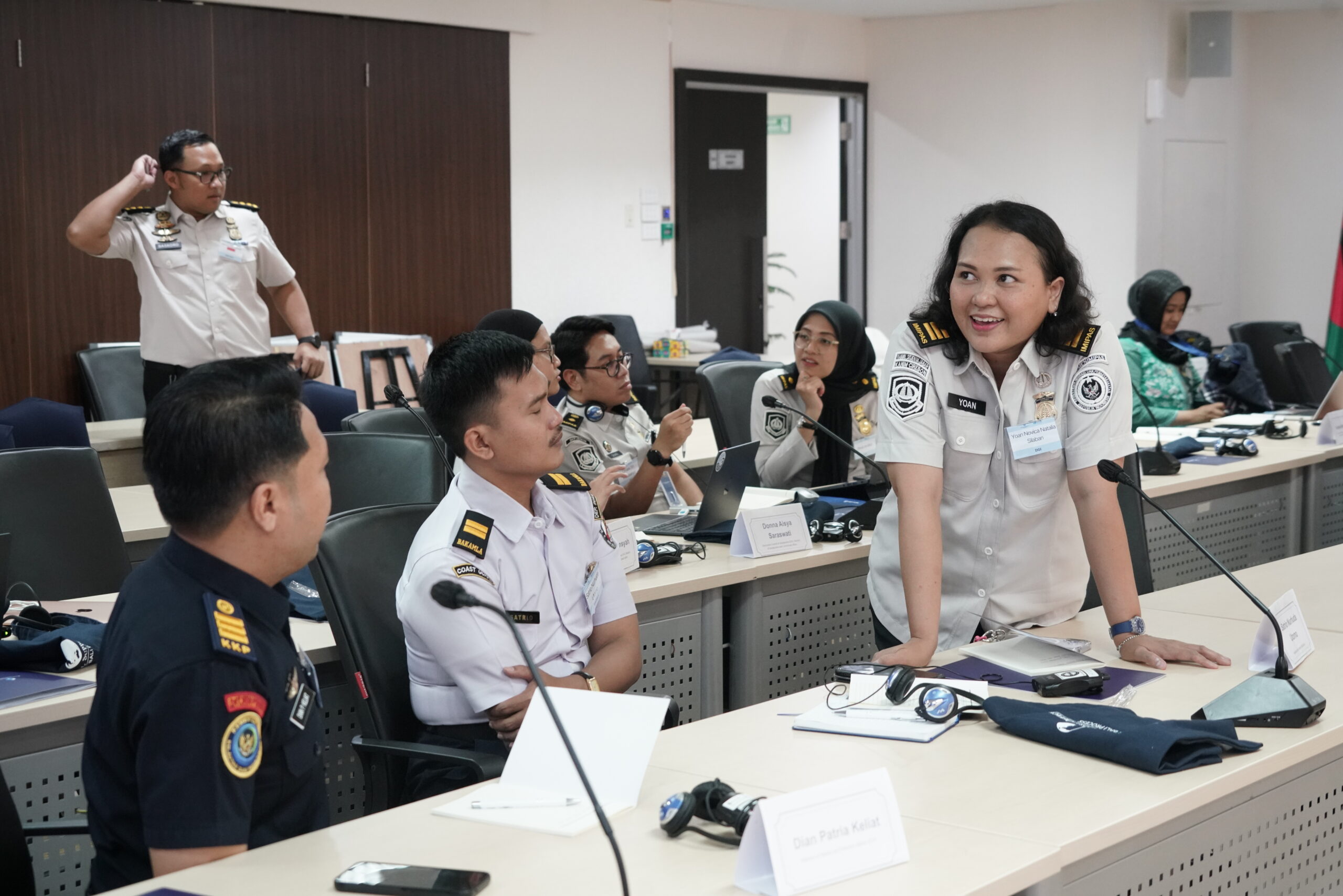
As trafficking networks operating cyber-scam centres continue to generate large criminal proceeds across Southeast Asia, coordinated national and regional responses have become increasingly important. To address this in the Philippines—where recent operations have identified significant numbers of victims of trafficking for forced criminality —the Inter-Agency Council Against Trafficking (IACAT) and the Regional Support Office of the Bali Process (RSO) held a Thematic Dialogue, bringing together representatives from 18 Philippine Government agencies, alongside 12 embassies and international organisations.

During the dialogue, the Philippines highlighted their commitment to whole-of-government coordination in addressing trafficking for forced criminality into cyber-scam centres. By connecting agencies directly combating cyber-scam operations with those working across other government branches, the event supported information sharing, and active discussions to enhance coordination and awareness raising between relevant agencies.
A significant development highlighted during discussions was the Philippine Government’s recent decision to ban Philippine Offshore Gaming Operators (POGOs) by the end of 2024. This policy shift targets the frequent misuse of POGO licences by cyber-scam operations running the centres and the ban was emphasised as a step forward in the Philippines’ coordinated effort to counter trafficking for forced criminality into the centres. Participants noted the need to remain vigilant and responsive, as victims of trafficking and organised crime groups are likely to be displaced from the Philippines as a result of the ban, and the need for continued adaptability and coordination in regional law enforcement efforts remains central.
 Opening speeches were delivered by Assistant Secretary Michelle Anne Lapuz from the Philippines Department of Justice, and First Secretary Jennifer Bryant from the Department of Home Affairs, Australian Embassy in the Philippines. They highlighted the need to improve coordination and to continue prioritising scam centre responses, even as progress is being made within the Philippines. Both speakers emphasised the importance of platforms for discussion such as this thematic dialogue, while also calling for additional efforts to support coordinated responses through information sharing, increased resourcing and alignment of capacity-building initiatives.
With both embassies and international organisations joining the event, the thematic dialogue facilitated information sharing between national agencies and regional partners. RSO briefings on regional trends and emerging challenges contextualised the Philippines’ experience within broader regional patterns, supporting the development of evidence-based policies and responses—both in terms of countering transnational crime and scam centre operators, as well as to improve support for victims of trafficking.
During these discussions, the RSO’s Transnational Crime and Technology Programme Manager, Ryan Winch, emphasised how cyber-scam operations have evolved into a global challenge. “With trafficking victims now reported from over 60 countries, and with scam centers themselves increasingly being found outside of Southeast Asia, coordinated responses across governments, civil society and the private sector are essential. As we move forward, we must look to work across national and regional boundaries to prevent successes like we’re seeing in the Philippines resulting simply in the displacement of organised crime to other areas.”
Cyber-scam centres are compounds where trafficking victims are forced to conduct sophisticated online scams under the threat of violence. Victims are often recruited through legitimate-looking job advertisements, however upon arrival, find themselves confined in heavily guarded facilities, their documents confiscated, and forced to work excessive hours defrauding victims worldwide. Often using social media, dating applications and messaging platforms, they are forced to build relationships with potential scam victims before convincing them to invest in fraudulent investment schemes.
 A panel featuring representatives from the Philippine Government Presidential Organized Crime Commission and Department of Justice, International Justice Mission, Humanity Research Consultancy (HRC), and the RSO examined how enhanced coordination can strengthen investigations. One focus was the need to prioritise ‘following the money’ practices in investigations related to trafficking for forced criminality. Panellists discussed the importance of training law enforcement in the effective collection and analysis of cryptocurrency evidence, recognising its growing role in financial transactions associated with cyber-scam centres. These specialised skills were identified as central for stronger investigations and prosecutions against the criminal organisations operating cyber-scam centres.
The Dialogue also explored how criminal networks exploit social media and communication platforms, primarily Telegram, to facilitate transnational crime. HRC presented findings and invited feedback on an upcoming RSO-HRC policy brief, highlighting how criminal networks use these platforms to traffic individuals, launder money, and facilitate crime more widely, and recommended strengthened monitoring and collection of evidence from these public channels.
Participants discussed how inter-agency coordination can improve victim identification and support services. Presentations throughout the event highlighted a core challenge —the complex nature of victimhood in cyber-scam cases, where trafficking victims may be coerced into committing scams under the threat of violence from perpetrators.
The dialogue facilitated discussions between consular officials and Philippine Government representatives on how to best access referral processes and support for trafficking victims, while also incorporating strategies to prevent re-victimisation.
As a key facilitator of regional cooperation through the Bali Process framework, the RSO continues to support coordinated responses to trafficking for forced criminality into cyber-scam centres. The thematic dialogue in the Philippines demonstrates how bringing together national agencies, diplomatic missions and international organisations can strengthen both national and regional responses to this issue.
Drawing from this model of engagement, the RSO welcomes opportunities to support similar coordination initiatives with other affected Member States. Through facilitating knowledge exchange, connecting relevant stakeholders across borders, and providing evidence-based research and analysis, the RSO works to enhance regional cooperation and strengthen national response mechanisms.
Member States interested in exploring opportunities for thematic dialogues or other coordination initiatives in their national context are encouraged to contact info@rso.baliprocess.net.