
29 January 2026 • Bangkok, Thailand
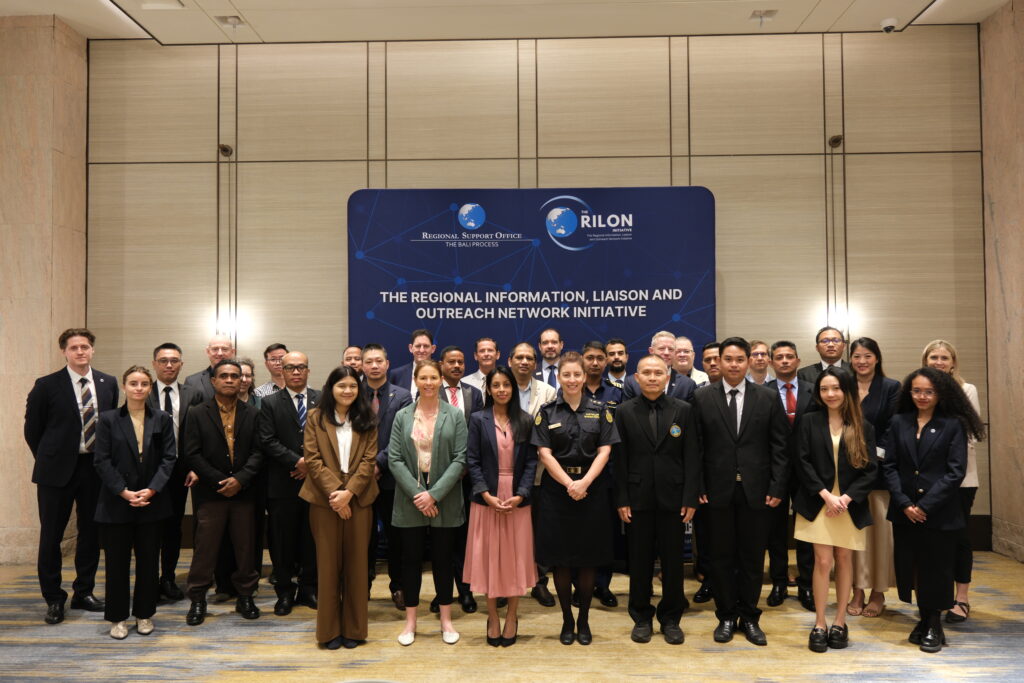
647 people known to have died at sea in Asia’s migration routes over 2024—which also recorded the seventh year-on-year increase in migrant deaths in the Asia Pacific according to data from the International Organization for Migration (IOM). These numbers show no sign of reversing. Against this backdrop, the RSO held its inaugural Information Sharing and Regional Responses Workshop, which convened regional experts from international organisations and frontline officers from Australia, Bangladesh, Indonesia, Malaysia, Sri Lanka, Thailand, Timor-Leste, and Viet Nam to align on practical steps to strengthen inter-agency coordination and information sharing to counter maritime people smuggling.
 In an increasingly complex maritime smuggling landscape, and with the known significant humanitarian toll that comes with maritime people smuggling ventures, structured information sharing provides a critical support to effective government responses that can enhance protection and security for the region.
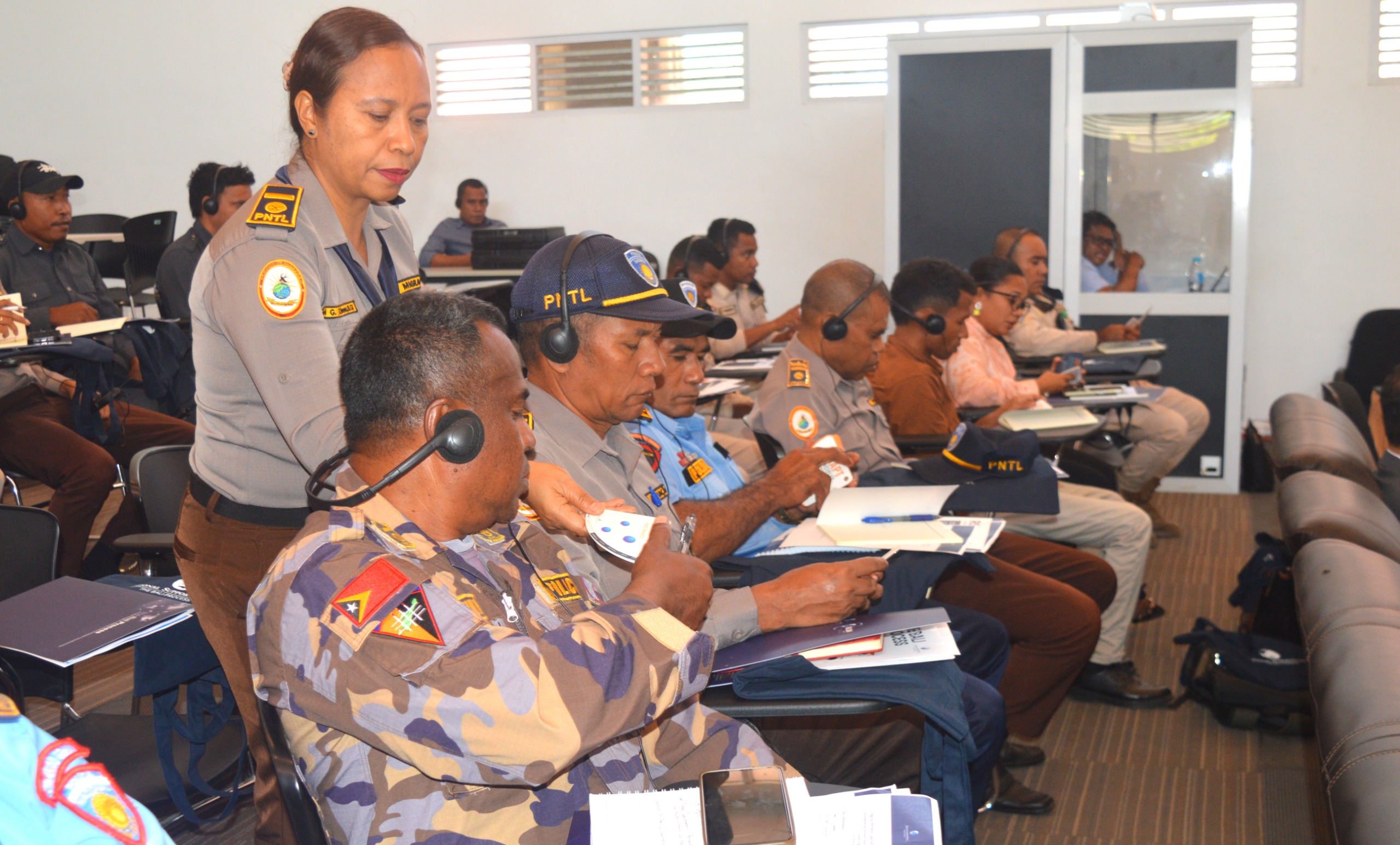
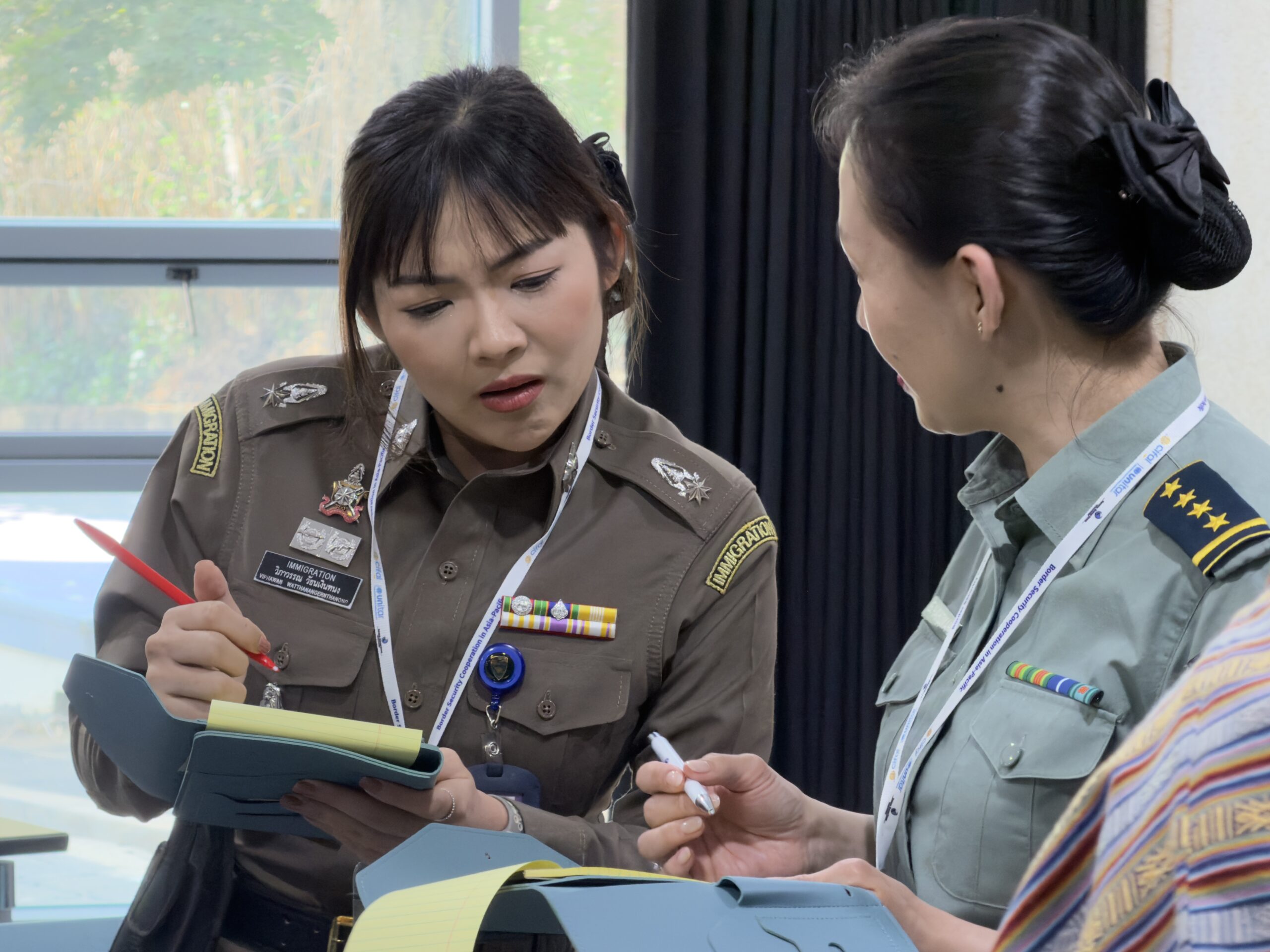
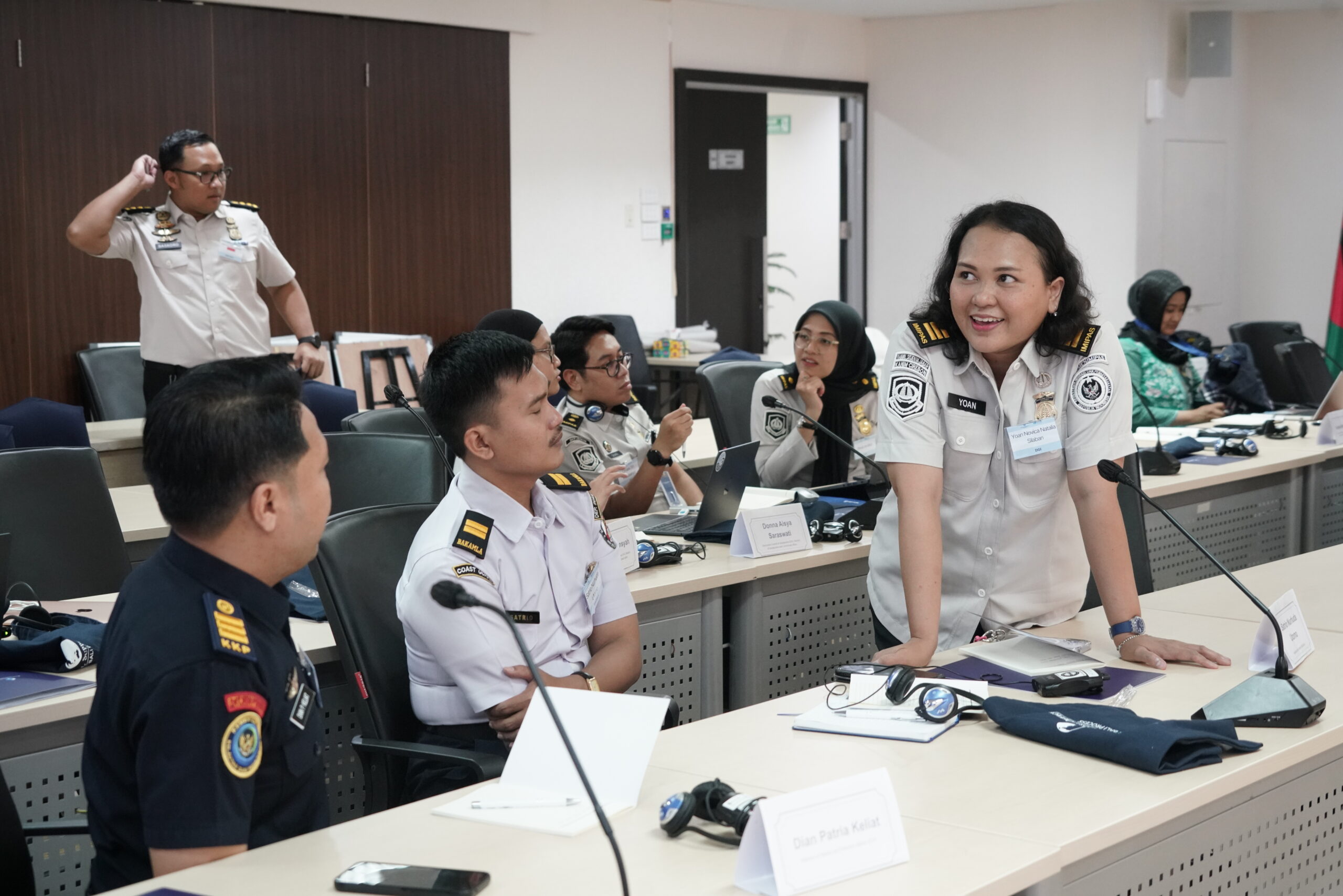
By bringing together frontline operational officers who play a critical role in countering maritime people smuggling from law enforcement, immigration, coastguard, and border management agencies—and whose task depends on close cooperation, trust and the ability to share information with cross-border colleagues, the workshop provided an opportunity to strengthen existing working modalities and co-develop practical solutions.
The workshop opened by stepping directly into the shifting realities of maritime people smuggling. Through a scene-setting presentation and case studies from INTERPOL and the Australian Border Force, participants explored how smugglers continue to adjust routes and tactics in response to enforcement pressure and regional disruptions. The discussion reinforced a practical truth: when information moves quickly and across agencies, responses become more coordinated and far more effective.
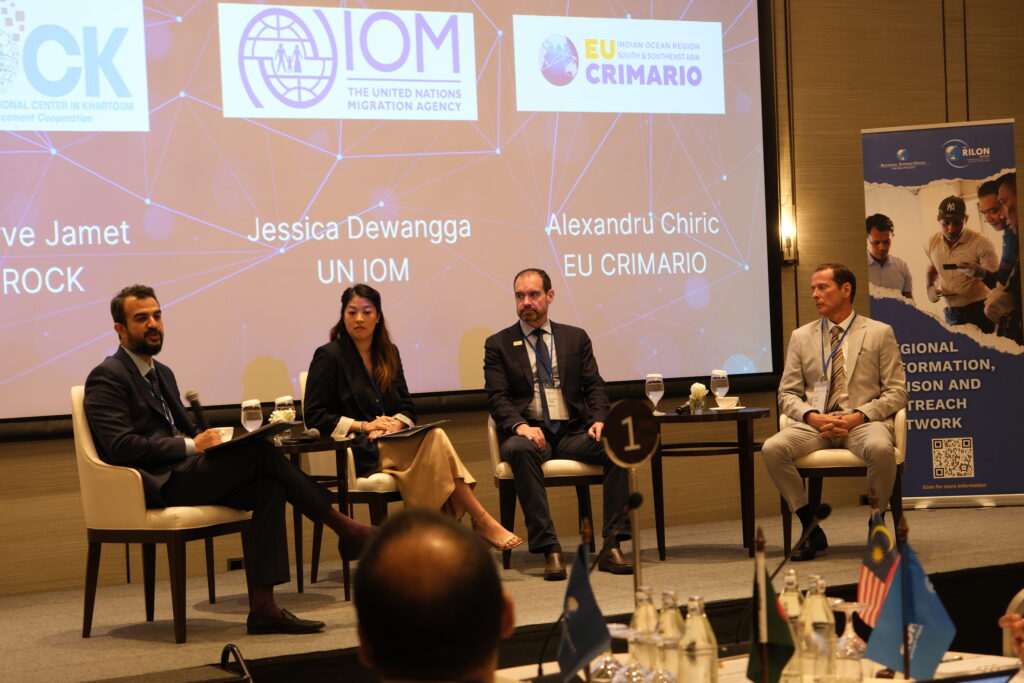
A panel of practitioners then shared experiences from the Regional Operational Center in support of the Khartoum Process (ROCK), EU CRIMARIO, and the International Organization for Migration (IOM). Drawing on real-time applications of the Indo-Pacific Regional Information Sharing Platform (IORIS) and the Data Exchange Solution for Counter-Smuggling (DESC), speakers illustrated how these platforms are actively connecting authorities, eabalng data sharing, and supporting evidence-based responses to maritime people smuggling across the Indo-Pacific.
“Effective information sharing is essential to disrupting maritime people smuggling networks. By enabling real-time coordination between countries, shared intelligence helps identify trafficking routes, track suspect vessels, and enable swift law enforcement action.”- Ha Duc Quang, INTERPOL
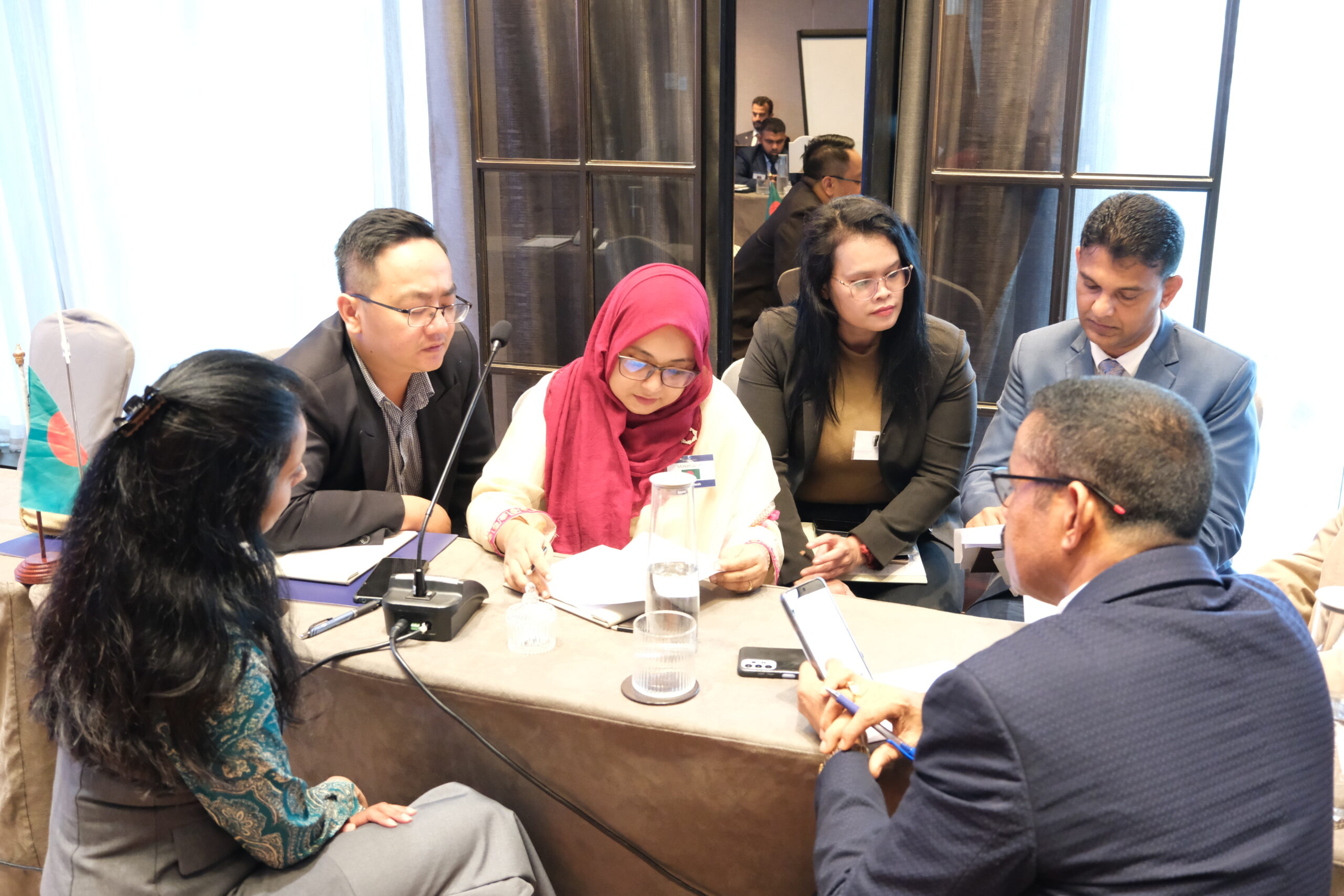
 Interactive sessions invited participants to look beyond immediate operational tasks and reflect on the broader conditions that shape effective regional information sharing. Discussions examined how strategic alignment, risk mitigation, resource allocation, pathways to formalisation, and the presence or absence of senior-level endorsement influence the sustainability and impact of cross-border cooperation.
These considerations were then tested through a tabletop exercise simulating a cross-jurisdictional maritime people smuggling scenario using the IORIS maritime information-sharing tool. Working through the scenario in real time, participants navigated decision-making under uncertainty, exposing the policy tensions and coordination complexities inherent in managing cross-border maritime incidents, particularly when tactical responses must be deployed across multiple jurisdictions simultaneously.
As discussions unfolded, several shared challenges came into focus.

Participants agreed that better strategic alignment is needed to make cross border information sharing truly effectives— whether through deeper regional cooperation, better standardisation of national frameworks, or clearer governance mechanisms. Legal, policy, and reputational risks continue to shape how and when information is shared across borders, with trust emerging as a central and often determining factor in whether cooperation moves forward.
Sustainability was also consistently raised. Effective information sharing requires more than intent; it depends on adequate workforce capacity, fit-for-purpose systems, and reliable funding. Without sustained resource allocation, even well-designed mechanisms risk losing momentum over time.
Participants were candid about the operational gaps they continue to face, from fragmented information flows to limited trusted channels for cross-border coordination. In response to these challenges, the RSO introduced the Regional Information Liaison and Outreach Network (RILON) as a practical step forward.
Positioned within the existing regional architecture, RILON is designed to complement established mechanisms rather than duplicate them. It aims to address identified gaps by strengthening connectivity, enhancing coordination, and fostering trusted engagement among Bali Process Member States, creating more consistent and reliable pathways for information sharing across the region.
A distinctive feature of RILON Initiative is the secondment model; officers from Bali Process Member States to the RSO offices for defined periods to support cross-border engagement, institutional cooperation, and information exchange.
In January 2026, the RSO welcomed its first RILON Secondee from the Australian Government—Assistant Director of Regional Processing Operations from Home Affairs’ Offshore Programs and International Cooperation Division, Leza Ahmed-Wyatt—who will support enhanced regional information sharing to address maritime people smuggling through working closely with secondees from other Bali Process Member States, who will be on-boarded to the RSO over coming months.
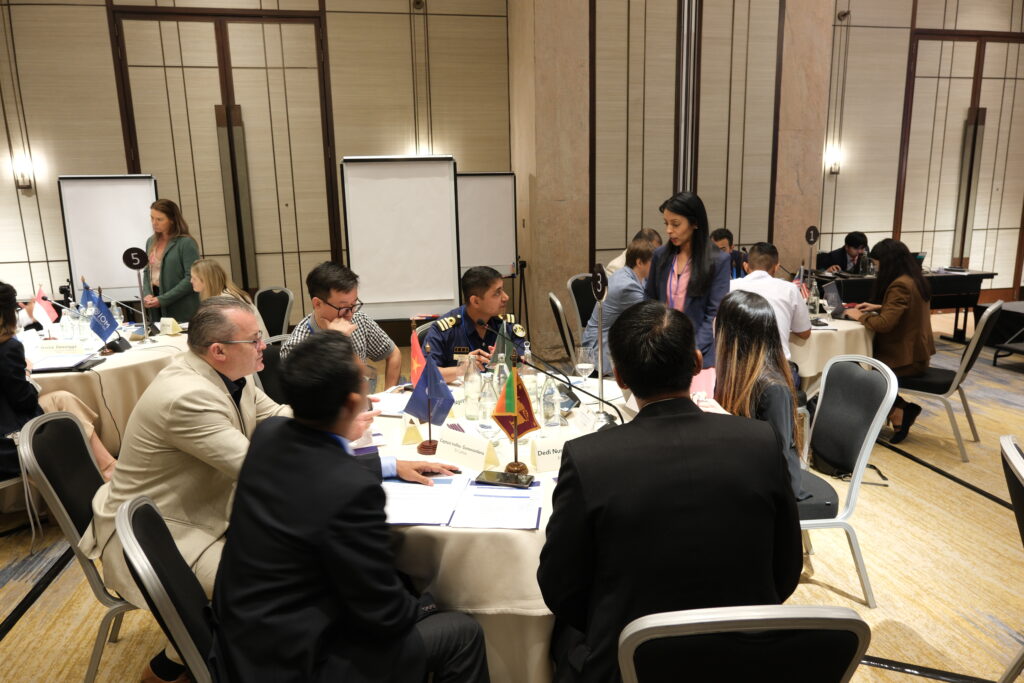
By bringing secondees representing relevant agencies together in the RSO office in Bangkok for a time-limited period, RILON aims to strengthen relationships, improve regional capability, and advance joint initiatives aimed at promoting effective and coordinated responses to shared border challenges.
Member States are eager to explore synergies under the pilot RILON secondee group, and to strengthen collaboration with existing information sharing mechanisms such as IORIS and the INTERPOL Specialized Operational Network (ISON), maximising interoperability between information sharing networks and information sharing platforms and tools.
Participants agreed on the need for standardisation through protocol guidance (SOPs and MoUs), targeted capability building training, and senior-level alignment to drive governance, legal and policy support.
Key insights and priority actions from the workshop will be captured in an outcome report. The RSO will continue to support Member States in advancing structured information-sharing frameworks, reinforcing peer-to-peer cooperation, and translating regional dialogue into coordinated operational outcomes.