
By RSO Co-Managers Fuad Adriansyah & David Scott |
Published in the Jakarta Post on 3 June 2024.

Across Southeast Asia, a clandestine world operates that is far removed from most of us—a world where human lives are commodified, irregular movement of persons is facilitated, and transnational organized crime (TOC) operates across borders.
Despite concerted efforts by governments across the region to date to tackle these issues, trafficking in persons and people smuggling continue to pose a significant challenge to regional stability and security. According to the International Labor Organization (ILO), it is estimated that the value of forced labor and trafficking in persons currently stands at US$150 billion annually.
The sprawling networks of smuggling and trafficking syndicates not only undermine legal economies but also inflict immeasurable suffering and often life-changing impacts on countless victims—with increased targeting of young, educated, and internationally minded graduates in search of job opportunities to start their careers. The syndicates are also getting one step ahead by using new technologies to aid their activities.
As nations such as Indonesia grapple with this challenge, it is imperative to reinforce the criticality of robust and coordinated action that can lead to the dismantling of the chains of exploitation that entangle the region.
Established in 2002, the Bali Process on People Smuggling, Trafficking in Persons and Related Transnational Crime has long been a cornerstone of regional collaboration in the Asia-Pacific. Nearly two decades later, the importance of the Bali Process has never been more critical in addressing the intricate challenges of trafficking in persons and people smuggling. With globalization, increased migration, and technological advancements, illicit activities have evolved, presenting new threats that require contemporary and adaptive responses.
Trafficking in persons and people smuggling exploit the most vulnerable populations, generating billions of dollars for criminal networks while causing immeasurable human suffering. Today, these issues are exacerbated by a range of factors, including increased global migration demand and rapid technological advancements, especially post-COVID-19. Natural and humanitarian disasters, economic disparities, conflict, and political instability all act as drivers for people to move. These push factors create fertile ground for traffickers and smugglers to exploit desperate individuals.
Technical advancements through social media and encrypted technology have seen traffickers increasingly using sophisticated methods for recruitment, communication, and financial transactions, and have increased the challenges facing law enforcement in addressing these activities.
Against this backdrop, the Bali Process—operating with the engagement and technical support of the Regional Support Office (RSO) based in Bangkok, Thailand—serves as an essential platform for regional cooperation and coordination.
Co-chaired by Indonesia and Australia and guided by the principles and direction set out in the 2023 Adelaide Strategy for Cooperation—brings together 49 member countries and organizations, fostering a collaborative approach to combating trafficking in persons and people smuggling. Further enhanced by the efforts of its four working groups and the associated Government and Business Forum, the Bali Process remains a lynchpin in expanding prevention, protection, and prosecution efforts through enhanced regional cooperation, joint capacity-building initiatives, and policy development efforts.
For example, in 2023, the RSO policy guide Trapped in Deceit was one of the first publications that shone a light on the issue of trafficking into forced criminality across Southeast Asia and became a launchpad for subsequent regional dialogue, policy development, and action.
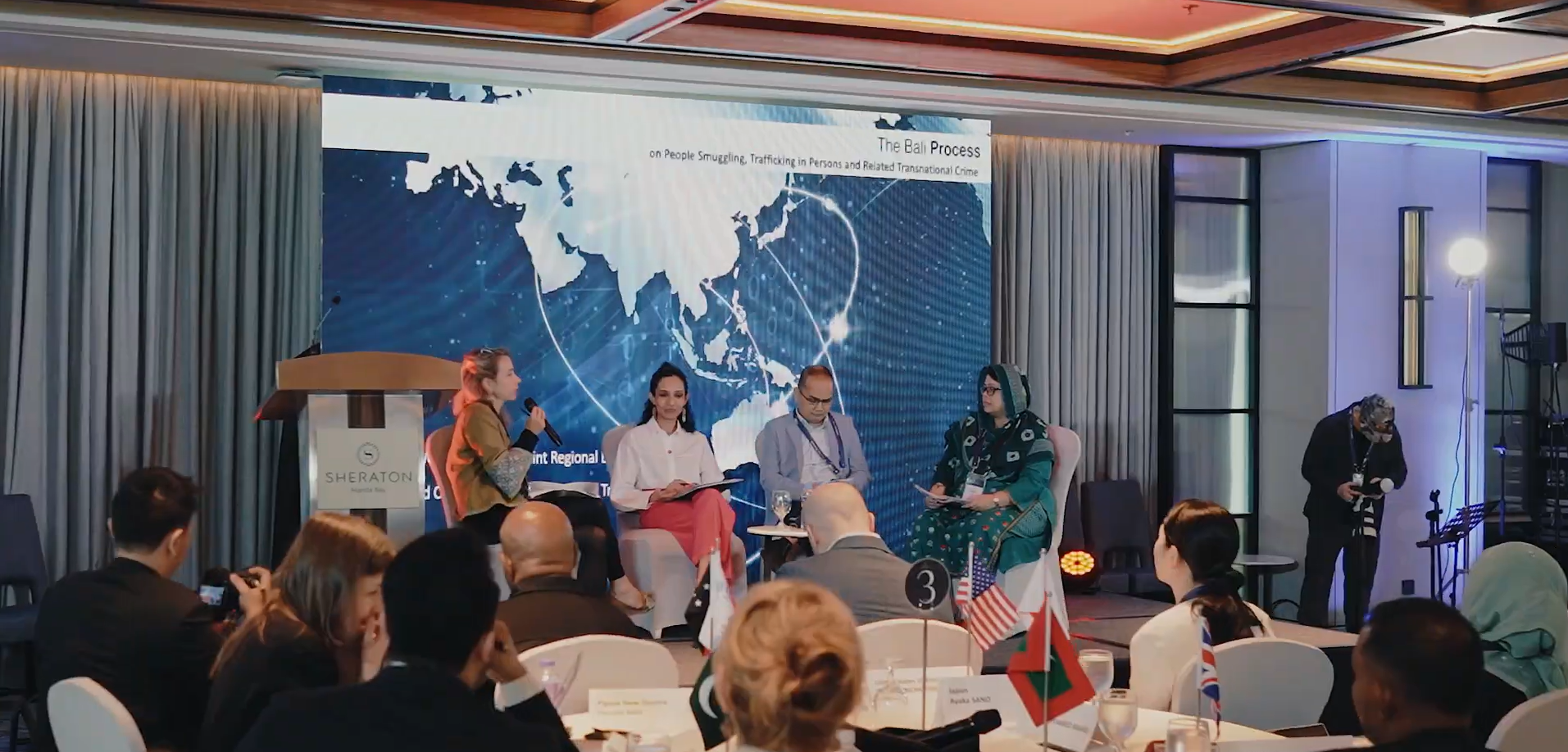
Furthermore, aimed at addressing the complex challenges of maritime people smuggling in the Andaman Sea region, including the Rohingyas, regional stakeholders convened in Bangkok for the RSO Roundtable on Combating Maritime People Smuggling, held from 19 to 20 February. The event was an outcome of the third Extraordinary Meeting of the Bali Process Consultation Mechanism, held in Bangkok in December 2023. The roundtable was an important step in bringing together the most impacted Member States for dialogue at a practical and operational level, setting the stage for continued action to prioritize law enforcement collaboration and capacity building, with a focus on information sharing and investigation.
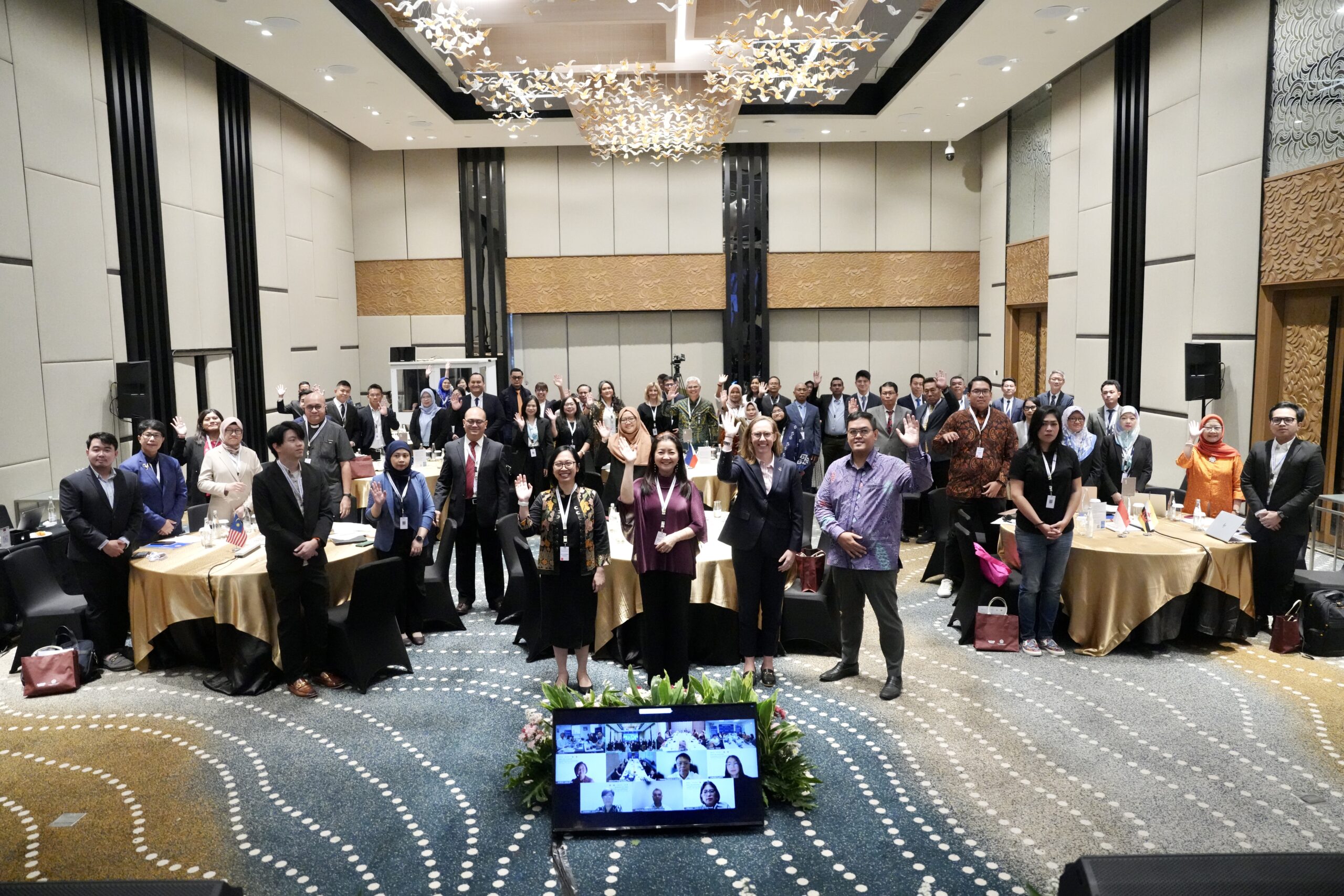
This week, to further regional efforts toward coordination and action, the RSO is hosting in Jakarta a technical experts meeting on following the money in trafficking in persons. Government representatives and regional experts will explore the current trends and challenges on illicit money flows associated with trafficking in persons and money laundering, and investigate avenues to tackle this cross-border phenomenon more effectively.
Through effective regional cooperation, the Bali Process can play an active role in facilitating dialogue and sharing information both between and beyond Member States in the region, helping to harmonize law enforcement and policy efforts. In an era where trafficking in persons and people smuggling are increasingly transnational crimes, such cooperation is vital. Countries can share positive practices, information, and strategies, creating a unified front against these threats.
Beyond operational capacity building and knowledge production, the RSO continues to seek to explore new and innovative avenues that support Bali Process Member States to counter people smuggling, trafficking in persons, and related transnational crime. Underpinning this work are efforts to create and expand new partnerships with Member States, the private sector, academia, civil society, tech actors, funders, and other regional bodies such as ASEAN. By sharing resources, knowledge, and expertise—and avoiding duplication—we can enhance the impact of our efforts.
The RSO will continue seeking out opportunities to strengthen engagement and connection to ASEAN mechanisms, building upon the strong foundation laid by Indonesia during 2023. With the new Bohol Work Plan on Trafficking in Persons 2023–2028, and the ongoing work toward developing the ASEAN Community Vision 2045—a 20-year vision to address current and future challenges and trends inside and beyond the region—the opportunities for strengthening partnerships abound.
In 2024, the Bali Process and RSO remain a beacon for regional cooperation in addressing the complex and evolving challenges of trafficking in persons and people smuggling. By strengthening partnerships, leveraging technology, and committing to victim-centered approaches, the Bali Process and RSO can continue to play a pivotal role in safeguarding vulnerable populations and dismantling the networks that perpetuate these crimes.
The stakes are high, but with a concerted effort and continued engagement, Bali Process members can work together to lead the way toward a safer and more just region.