
27-28 May 2025 • Kuala Lumpur, Malaysia
In May 2025, the UN Refugee Agency (UNHCR) reported two boat tragedies off the coast of Myanmar, estimating that 427 Rohingya perished at sea. The same report stated that nearly one out of five people embarking on irregular maritime journeys in this region have been reported as dead or missing so far in 2025.
 Despite these known risks, conflict, economic instability, and limited access to regular migration pathways continue to drive people to undertake dangerous sea journeys, often facilitated by smugglers who profit from their vulnerability and desperation.
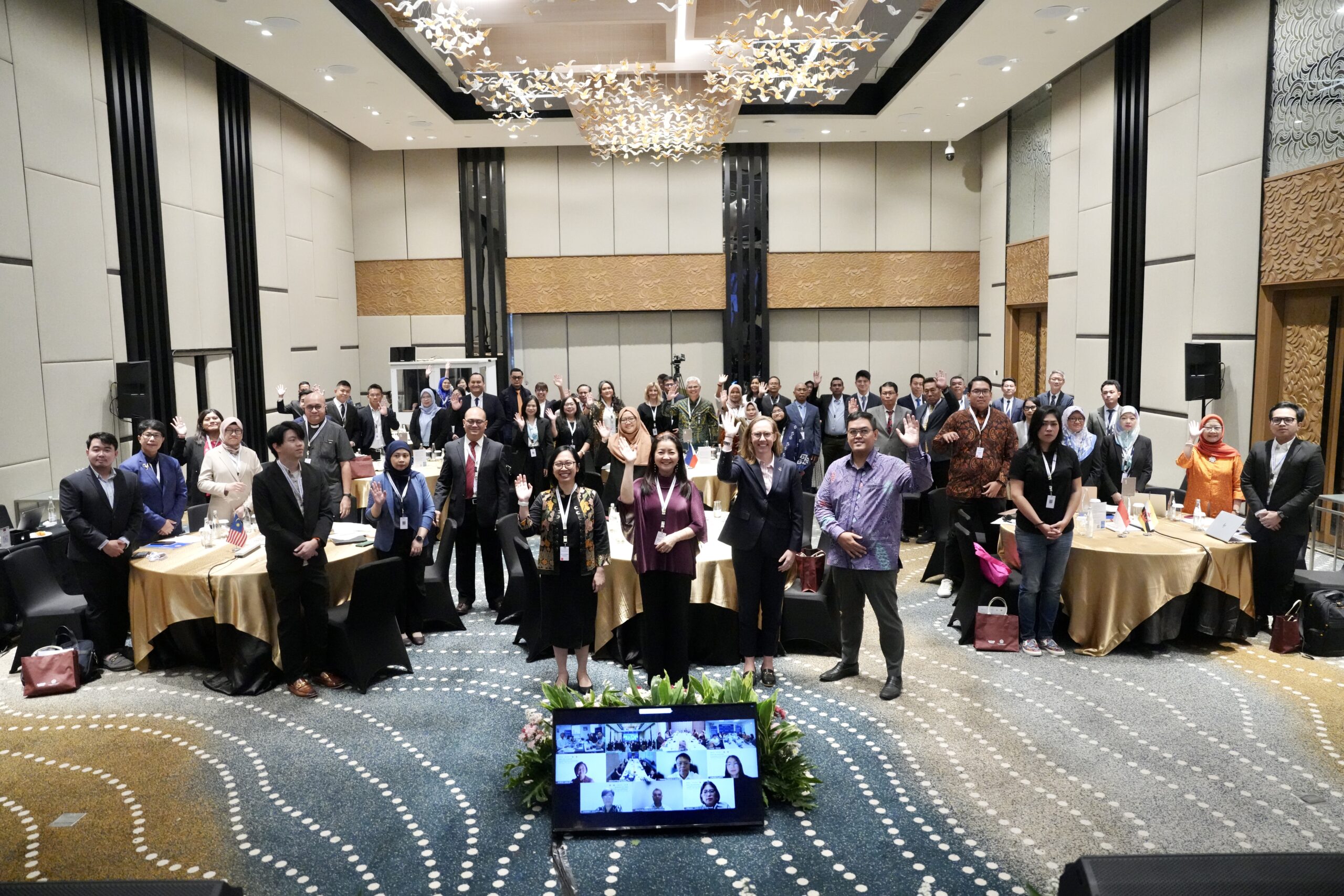
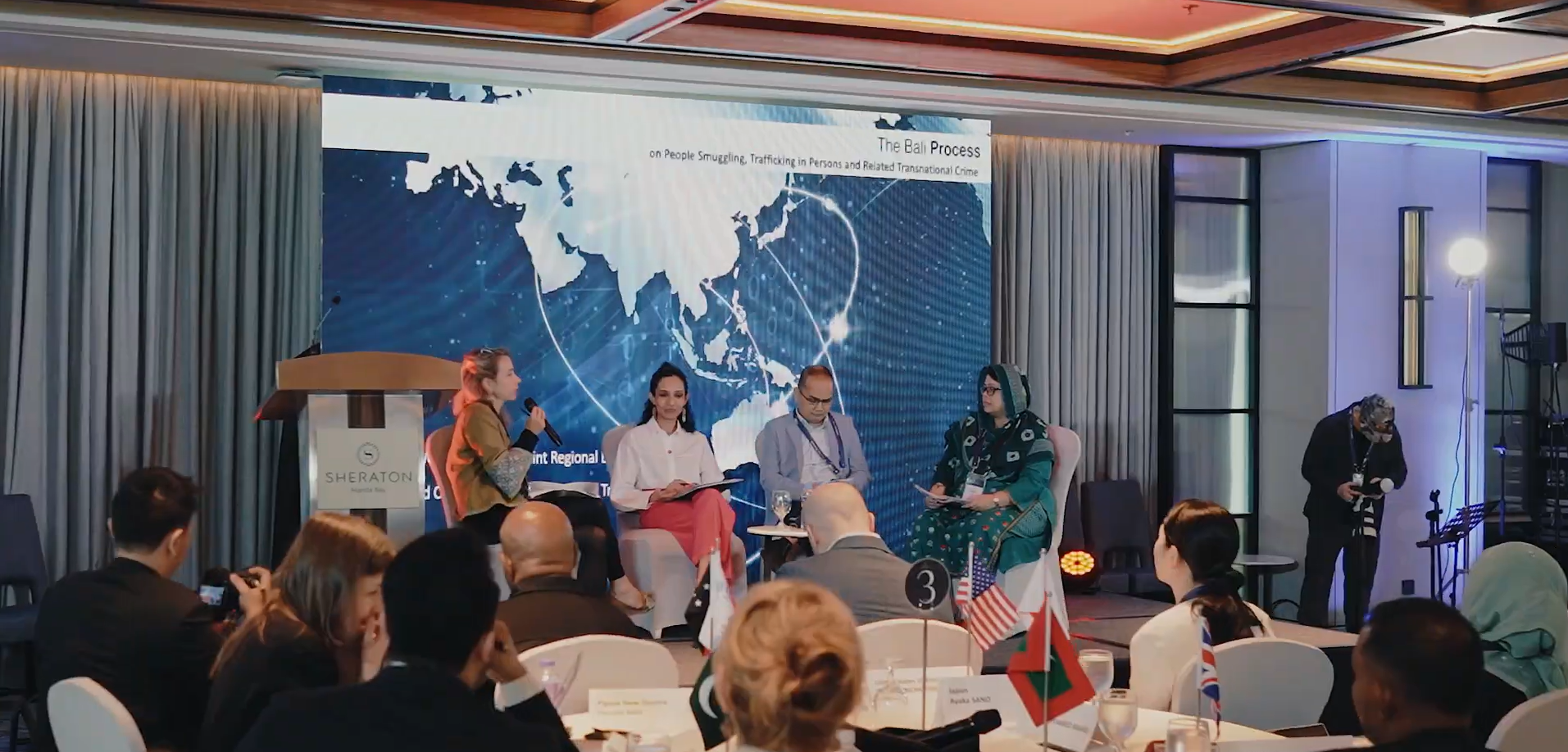
To enhance practical support that strengthens regional coordination in countering people smuggling in the Andaman Sea region, the Regional Support Office of the Bali Process (RSO) and the Government of Malaysia—the Association of Southeast Asian Nations (ASEAN) Voluntary Lead Shepherd on People Smuggling—jointly convened a Regional Meeting on Countering People Smuggling and Related Transnational Crime.
The two-day meeting brought together senior officials and practitioners from Bali Process Member States— Australia, Bangladesh, Brunei, Cambodia, Indonesia, Lao PDR, Malaysia, the Philippines, Singapore, Sri Lanka, Thailand, Timor-Leste, and Viet Nam—to engage in cross-border dialogue and collaboration around priorities and issues affecting Bali Process Member States in the Andaman Sea region and beyond.
The meeting aimed to advance discussions and next steps in support of regional priorities identified at a 2024 Roundtable on Combatting Maritime People Smuggling in the Andaman Sea Region, held following the Third Activation of the Bali Process Consultation Mechanism. Bali Process Co-Chairs Australia and Indonesia activated the Consultation Meeting in response to a surge in irregular maritime movements in the Andaman Sea in 2023.
Delegates at the meeting noted that rising irregular maritime movements, particularly in the Andaman Sea, continue to reflect shifting migration patterns driven by conflict, persecution, and limited access to legal migration channels.
This echoed findings from an assessment by the RSO and the Mixed Migration Centre (MMC), which surveyed 612 persons in irregular situations in Bangladesh, Indonesia, Malaysia, and Thailand to help better understand and capture community perceptions and information needs. The assessment found that many migrants often opt for smuggling networks due to the high cost, inefficiency, or inaccessibility of regular migration systems.
Presentations from 13 countries revealed evolving smuggling tactics, including layered transit routes, artificial intelligence-enabled document fraud, and debt-based financing mechanisms that exacerbate vulnerabilities. These operational shifts demand adaptive responses and greater coordination across origin, transit, and destination countries.
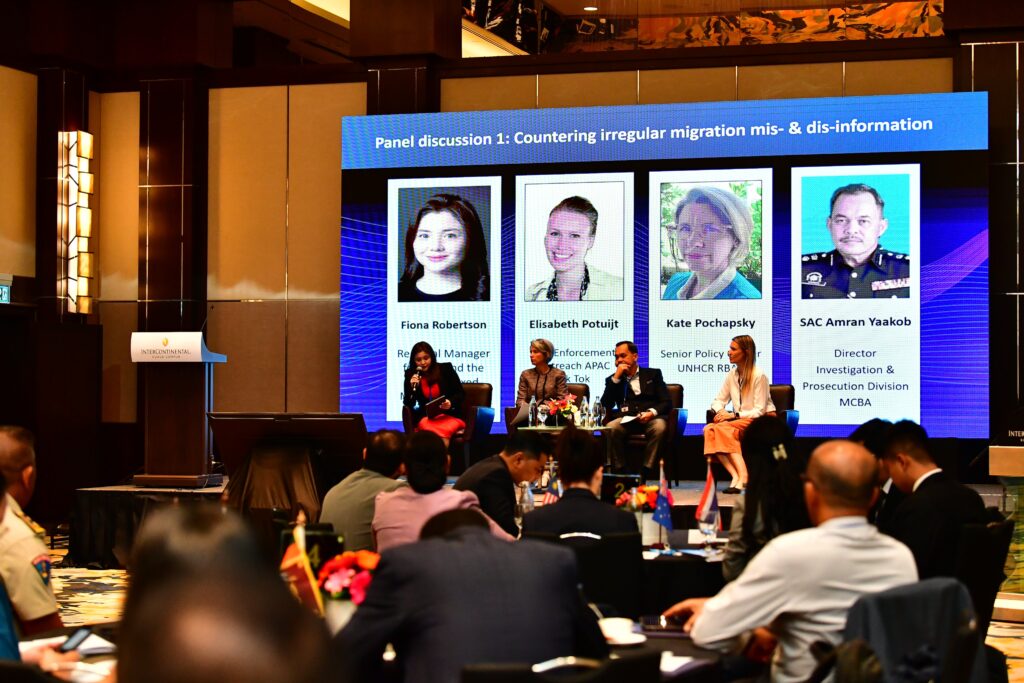
Members also highlighted that misinformation, often spread by smugglers via peer networks and digital platforms, is a key factor influencing irregular migration decisions. Countries shared experiences in deploying targeted campaigns via social media, schools, and community radio to counteract misinformation online.
The emergence of ‘secondary irregularity’—where migrants enter countries legally but continue onward movement through irregular means—was also flagged as a growing trend by delegates, posing challenges for enforcement across multiple transit points.
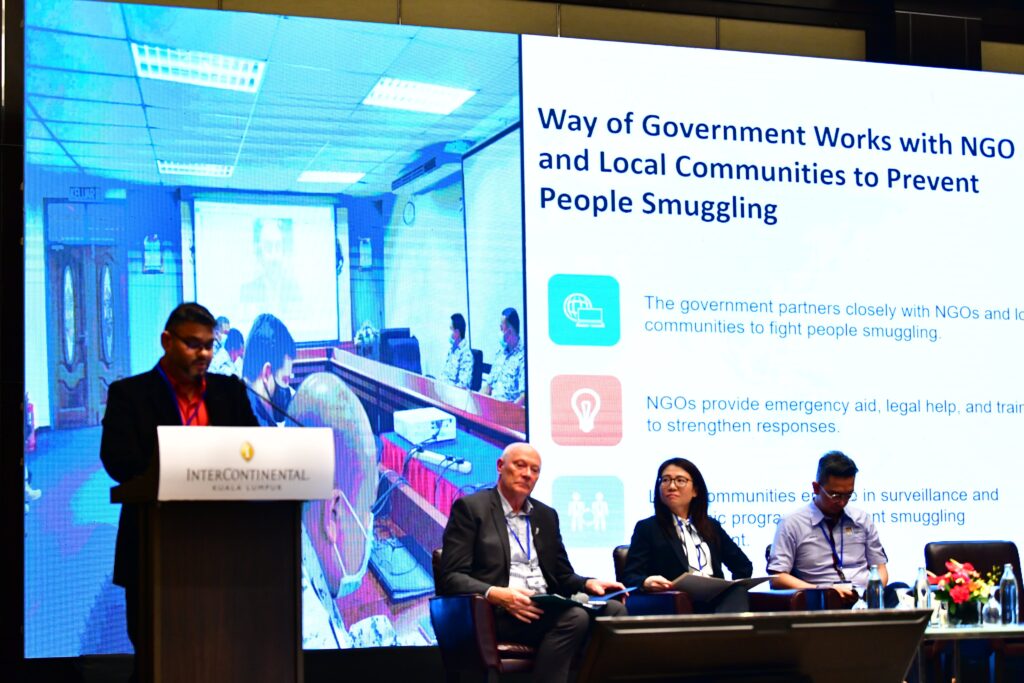
Strengthening law enforcement coordination was a central theme throughout the meeting. Participants shared experiences in joint operations, such as between the Australian Border Force and Malaysia’s Maritime Enforcement Agency in the Malacca Strait. Delegates also discussed proactive engagement models and joint investigations that have led to improved operational outcomes.
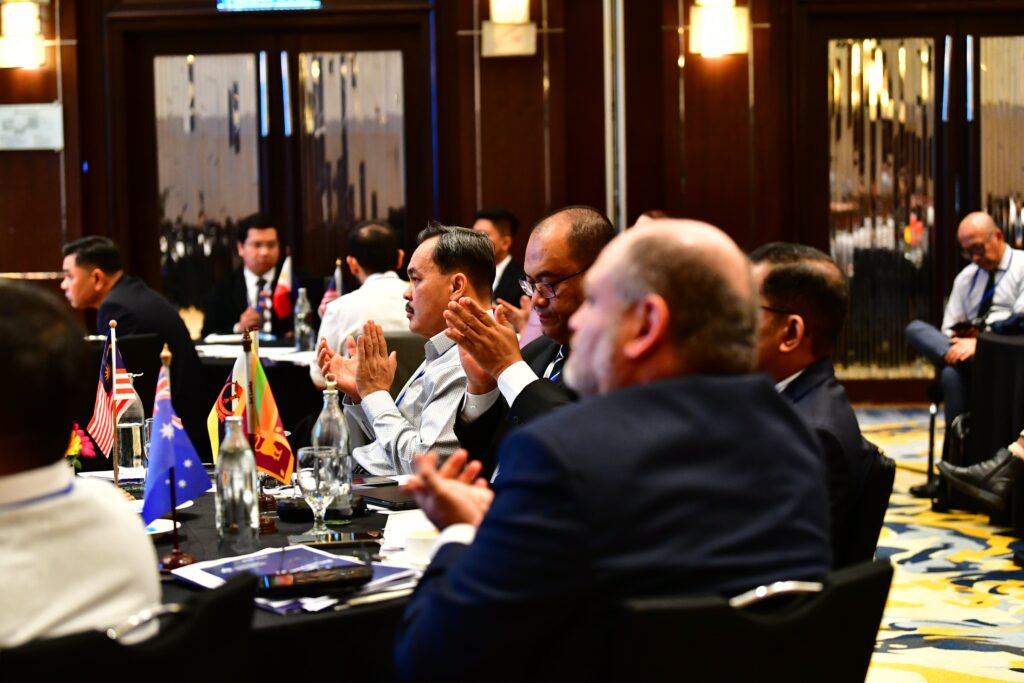
Financial intelligence was another area for focus, with delegates underscoring the importance of strengthening collaboration between financial intelligence units, law enforcement agencies, and private financial institutions to more effectively detect and disrupt illicit financial flows.
Participants acknowledged ongoing challenges posed by fragmented legal definitions and misalignment with the United Nations Smuggling of Migrants Protocol. Case studies from the Philippines and Viet Nam illustrated progress on visa screening and departure protocols, but overall, there was consensus on the need for harmonised legislation, clearer victim-perpetrator distinctions, and stronger whistleblower protections.
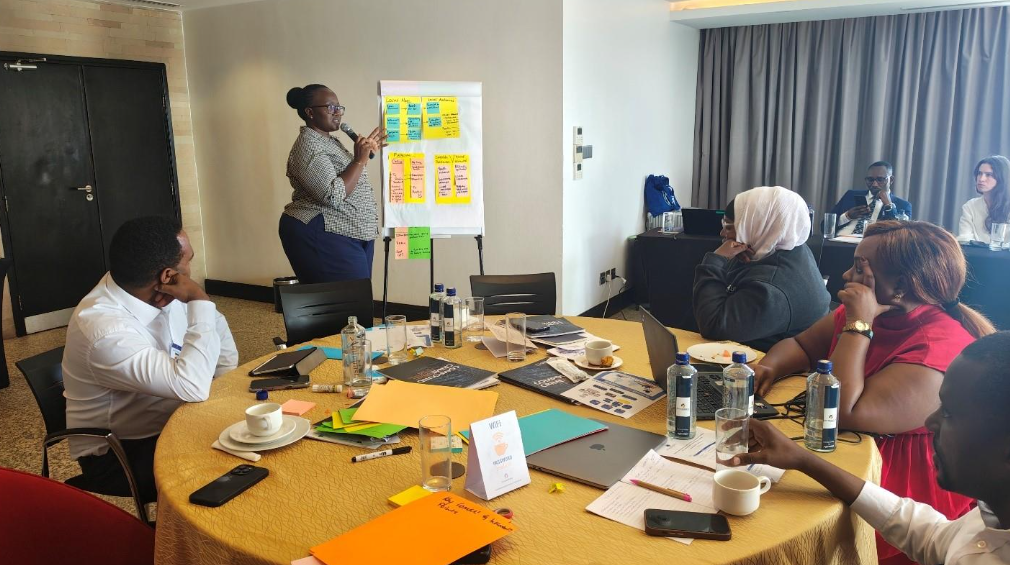
A dedicated session led by Malaysia’s Ministry of Home Affairs focused on discussing the operationalisation of the ASEAN Declaration on People Smuggling. Member States engaged in group discussions through real-time information sharing agreements, focal point networks, whole-of-society approaches, and targeted capacity building. The Ministry of Home Affairs Malaysia will present the findings to ASEAN Member States for further consideration, with strong support expressed for aligning the declaration with international standards and Bali Process objectives.
The draft ASEAN Declaration on People Smuggling generated active engagement and constructive feedback from Member States, presenting an opportunity for RSO to continue supporting collaborative regional dialogue to enhance cross-border cooperation, encourage coordinated policy responses, and support the development of regional frameworks.
The RSO is progressing support for regional cooperation and information sharing through its 2024-2026 Work Plan, with a focus on countering maritime smuggling captured through RSO Initiative 2: Regional Cooperation to Counter People Smuggling. You can read more about the RSO’s efforts across this initiative in this blog: Maritime smuggling in Southeast Asia: shifting tides, shared challenges
Countering mis- and dis-Information
As noted by delegates at the Regional Meeting, many migrants make decisions based on misinformation, spread by smugglers or through peer networks, and online via social media. In coming months, the RSO will commence research on the prevalence and impact of mis-and-dis information on irregular migration and conduct a cohort analysis of persons at risk of irregular migration to support Member State government efforts in countering misinformation. The RSO will also support the refresh of the Bali Process Handbook on Addressing Irregular Migration through Effective Information Campaigns.
Building capacity and connections
Capacity building is a vital part of efforts to support frontline responders to build knowledge and confidence in identification, disruption and investigations of people smuggling activities, and plays an important role in strengthening cross-border networks and information sharing.
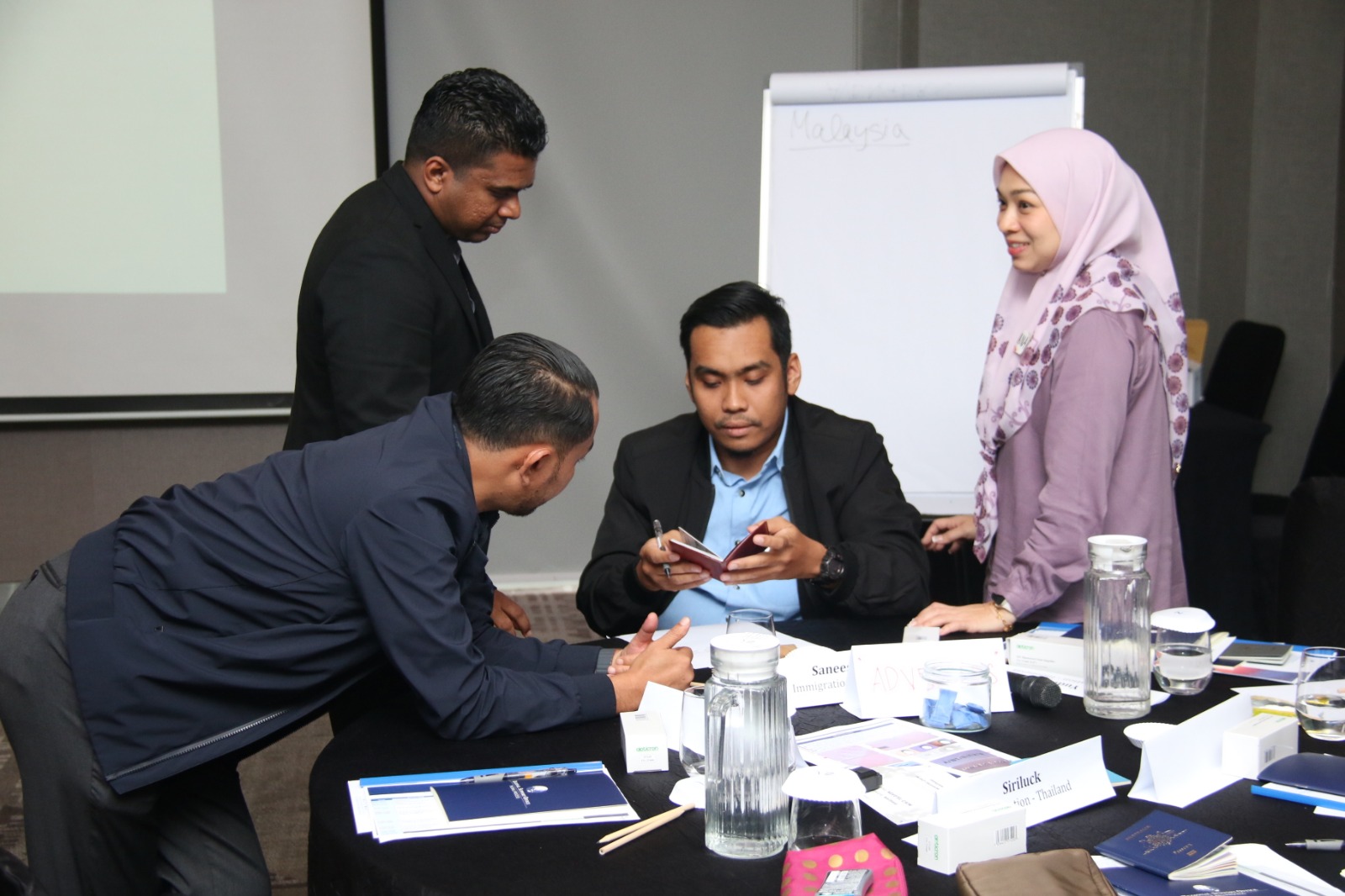
In June, the RSO held its Introduction to Countering People Smuggling Course in Bangkok, Thailand, bringing together law enforcement, border and immigration and maritime officers, prosecutors, and policy makers from Bangladesh, Indonesia, Malaysia, Sri Lanka, Thailand and Viet Nam. The training focused on strengthening understanding of current trends and regional dynamics, sharing best practices for interception, investigation, information-sharing and building regional connections to strengthen the collective capacity of cross-border counterparts to work together to counter people smuggling operations.
In September, the RSO will support the delivery of the advanced two-week International People Smuggling Investigations Program (IPSIP) in Cox’s Bazar, Bangladesh, in partnership with the Jakarta Centre for Law Enforcement Cooperation (JCLEC), Australian Federal Police, New Zealand Police and Royal Canadian Mounted Police. Cox’s Bazar is a known maritime departure point in the region. By bringing together maritime officials, immigration, border and law enforcement from across the region together in this key location, the course partners hope that participants will strengthen situational awareness and understanding of the key challenges, current trends and opportunities for cross-border investigations.
Enhancing information sharing and dialogue mechanisms
In the coming months, the RSO will also progress the establishment of two regional networks, bringing together senior policy officials from the most-affected countries through the Six Country Irregular Migration Group (SCIM) to support and strengthen dialogue and discussion of responses at a senior policy level.
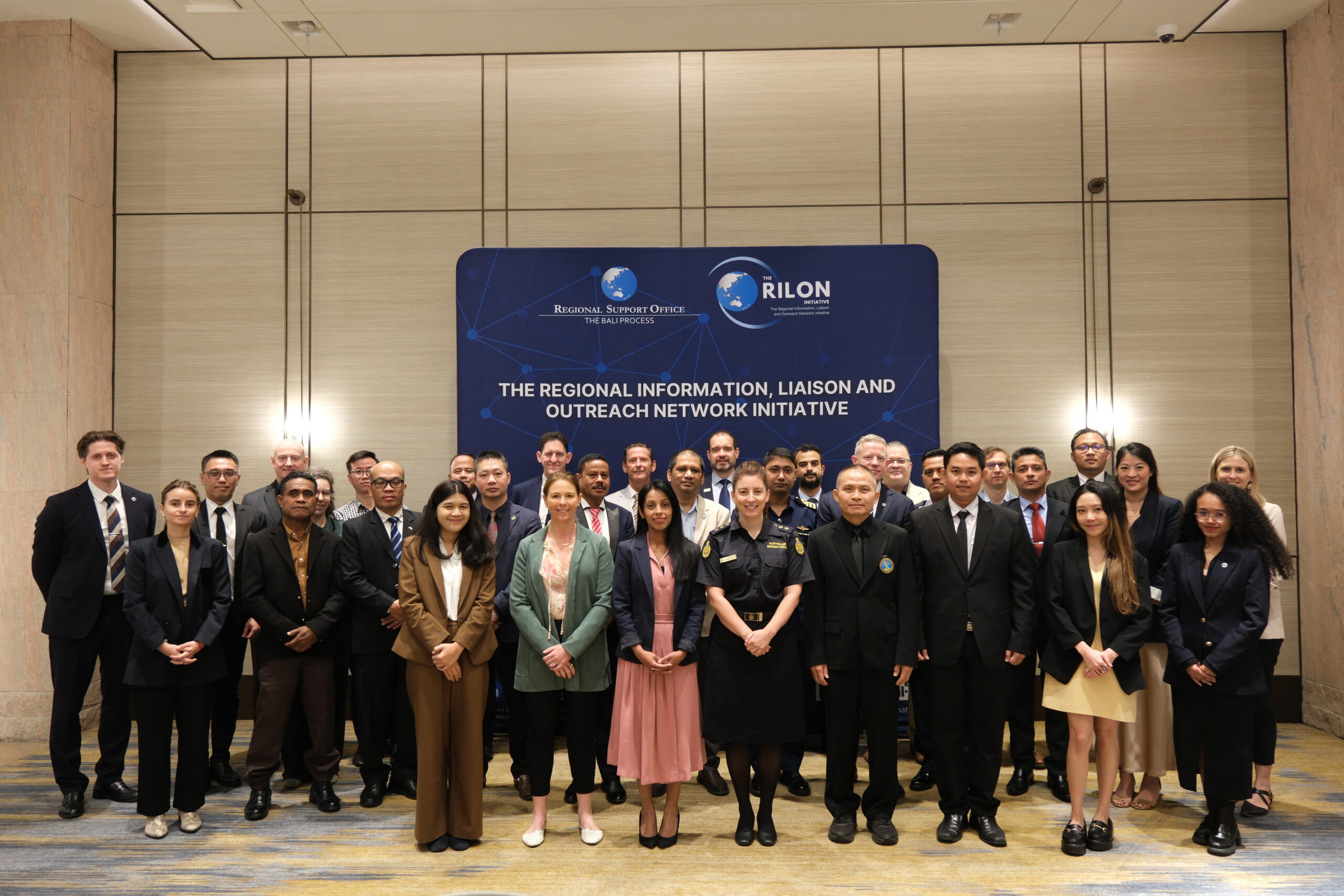
The Six Country Irregular Migration Working Group will also be supported by information exchange and coordination efforts initiated by the Regional Information, Liaison and Outreach Network (RILON) Initiative Andaman Sea Response Group, bringing together focal points drawn from law enforcement, border and immigration control, and maritime agencies from corresponding Member States.
A core part of this proposal will be the secondment of officers to the RSO office, working together as a dedicated unit over an extended period to promote the strengthening of cross-border networks and information sharing, supported by clear links to counterparts and agencies back in country.
The RILON Andaman Sea Response Group aims to lay the groundwork for a more cohesive regional response built on strengthened trust, professional networks and understanding, that can keep pace with the evolving tactics of smuggling networks. This includes through the development of formal information sharing Standard Operating Procedures (SOPs) and strengthening and formalising of focal point networks for the future.
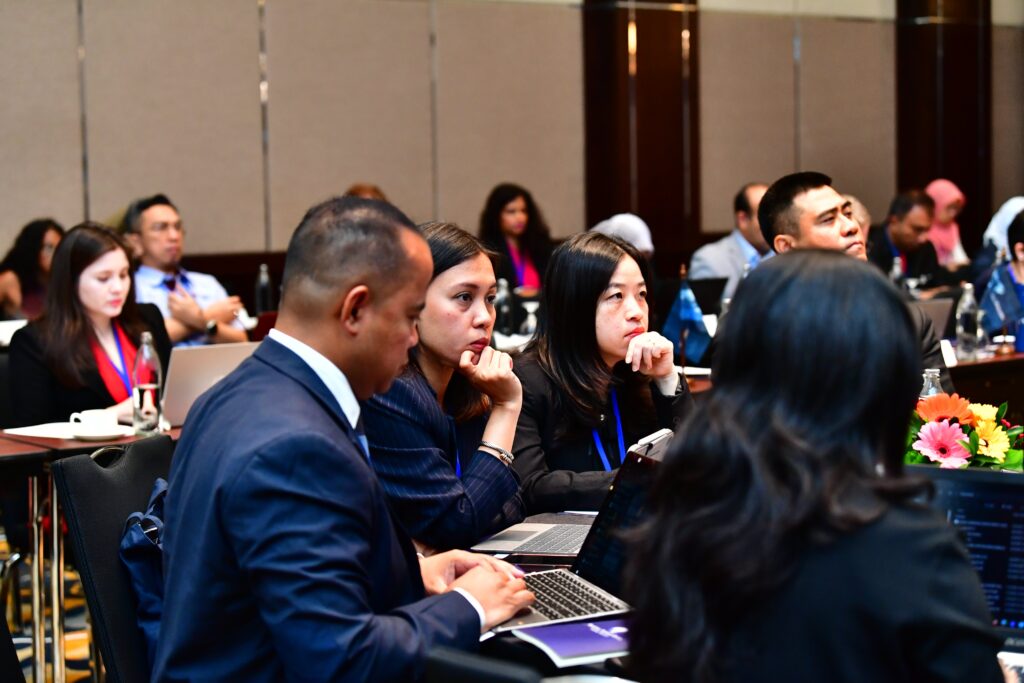
Discussions from the Regional Meeting on Countering People Smuggling and Related Transnational Crime will be captured in an Outcome Report, outlining key takeaways and proposed future actions.
Development of the draft ASEAN Declaration on People Smuggling remains a key opportunity to continue dialogue and progress shared commitments and opportunities.
As the region charts a course forward, one thing is clear: maritime smuggling challenges will not immediately disappear any time soon and cannot be solved in isolation.
The RSO stands ready to continue to provide support to Member States in their efforts to counter maritime people smuggling and chart a safer future for the region.