
29 – 30 September 2025 • Bangkok, Thailand
The Asia-Pacific region faces growing challenges from cyber-scam centre operations, with nationals from more than 70 countries reportedly trafficked into such centres across Southeast Asia and coerced into committing fraud and a range of related criminal activities. Emerging technologies are increasingly being exploited by transnational organised crime groups to sustain and expand these operations, enabling greater scale, sophistication, and cross-border reach.
While governments, civil society, and private sector actors have taken steps to respond, response efforts remain fragmented, with resources and initiatives often dispersed across multiple agencies, sectors and priority areas. Strengthening coordination and prioritising actions based on impact and feasibility has therefore become a crucial priority in and of itself, seeing that response efforts are aligned, resource use is optimised, and that collective responses are centred around the most effective measures.
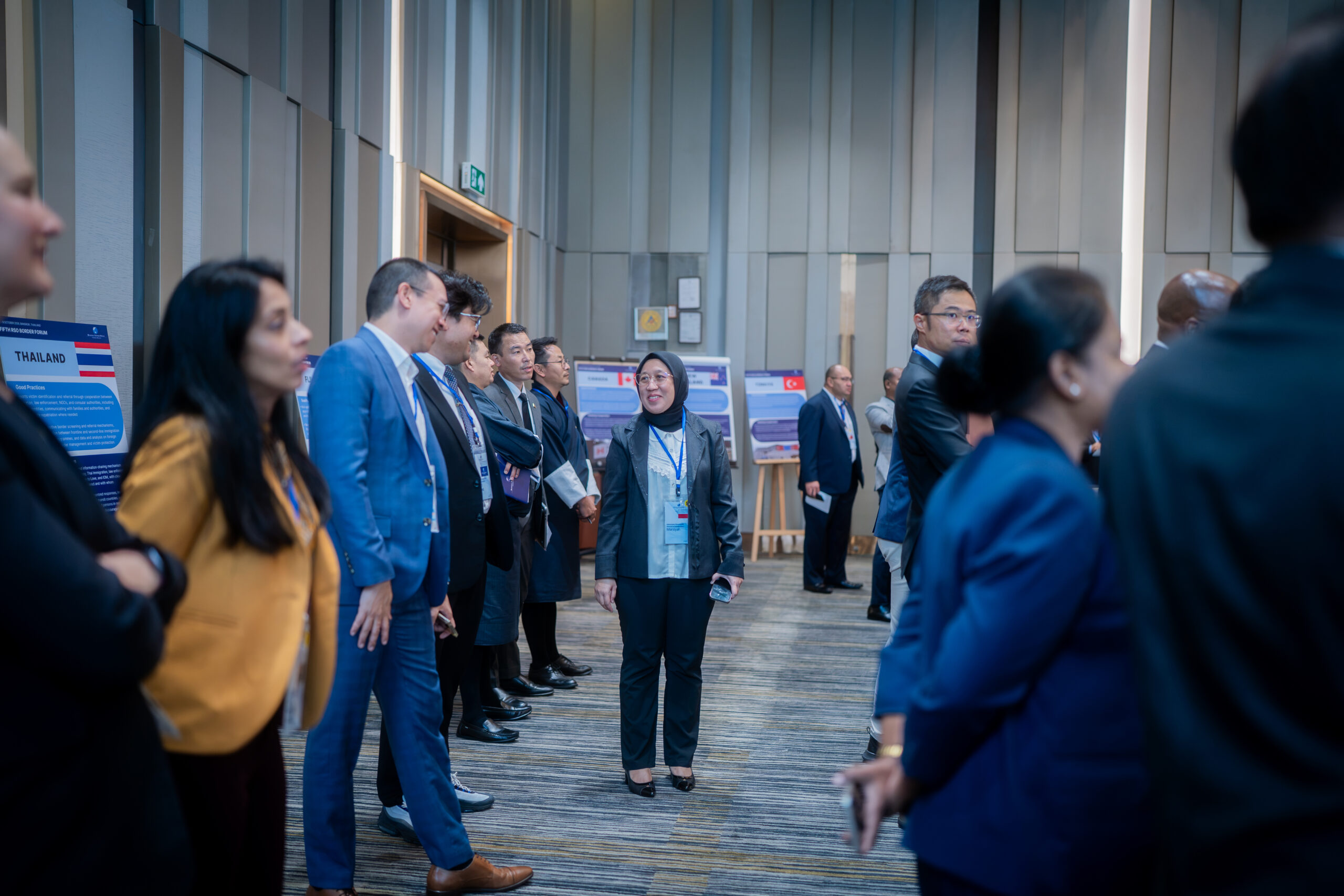
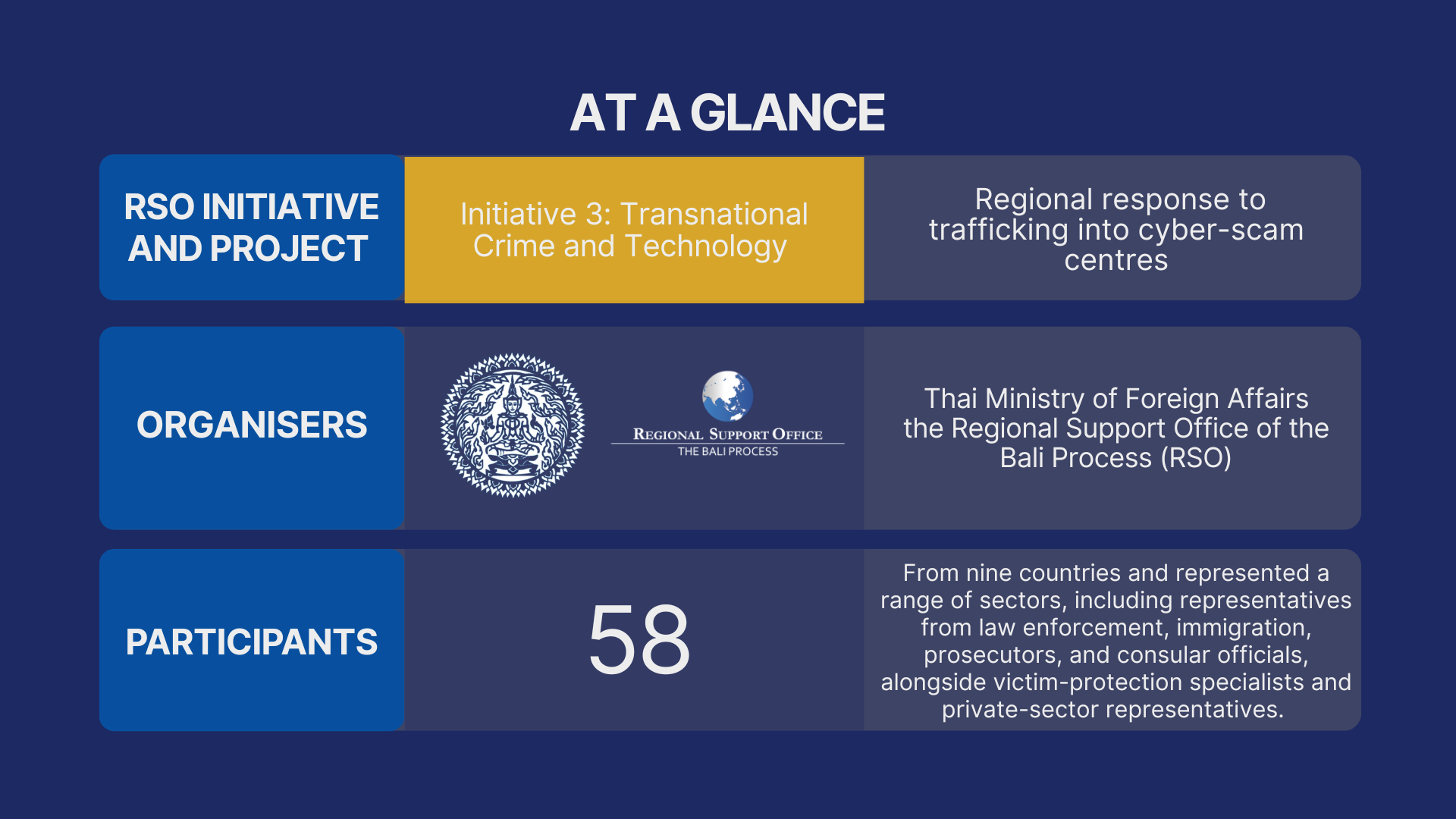
To support this coordination and prioritisation, the Regional Support Office of the Bali Process (RSO), in partnership with the Thai Ministry of Foreign Affairs, convened the Regional Conference on Strengthening Online Scam Centre Response and Coordination on 29–30 September 2025 in Bangkok, Thailand. The two-day event brought together 58 participants from across nine Bali Process Member States, including Thailand, Lao PDR, Viet Nam, Malaysia, Indonesia, the Philippines, Sri Lanka, Timor-Leste, and Australia. The Conference aimed to enhance regional coordination in addressing the nexus between cyber-scam operations, trafficking in persons, and other forms of transnational crime, and to see that possible response avenues could be more directly prioritised across the region.
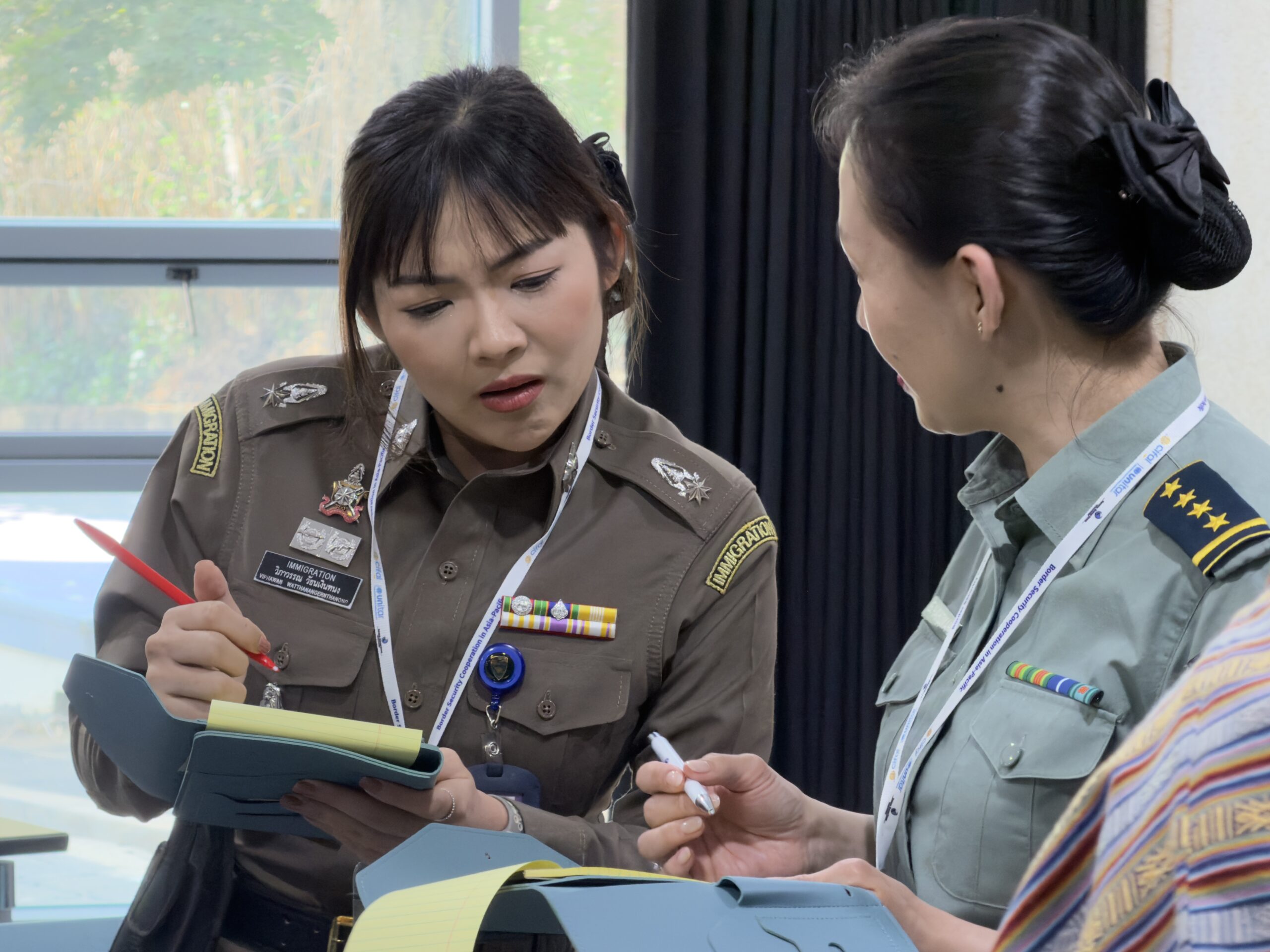
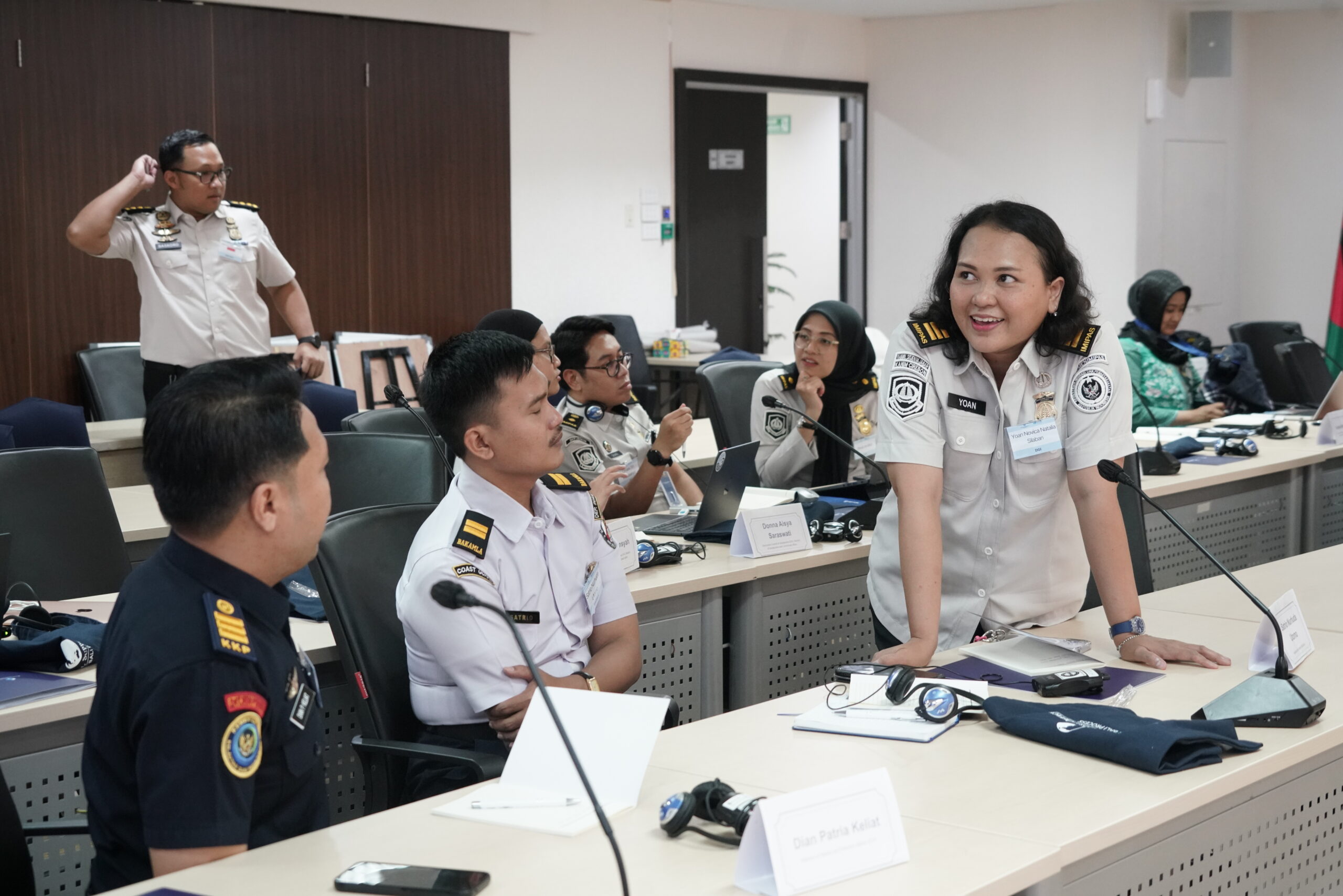
 Participants included representatives from law enforcement, immigration, prosecutors, and consular officials, alongside both civil society and private-sector representatives. Private-sector partners included True Corporation, a major Thai telecommunications provider, as well as social media companies TikTok and Meta, who shared emerging trends, insights and responses observed in relation to cyber-scam centres.
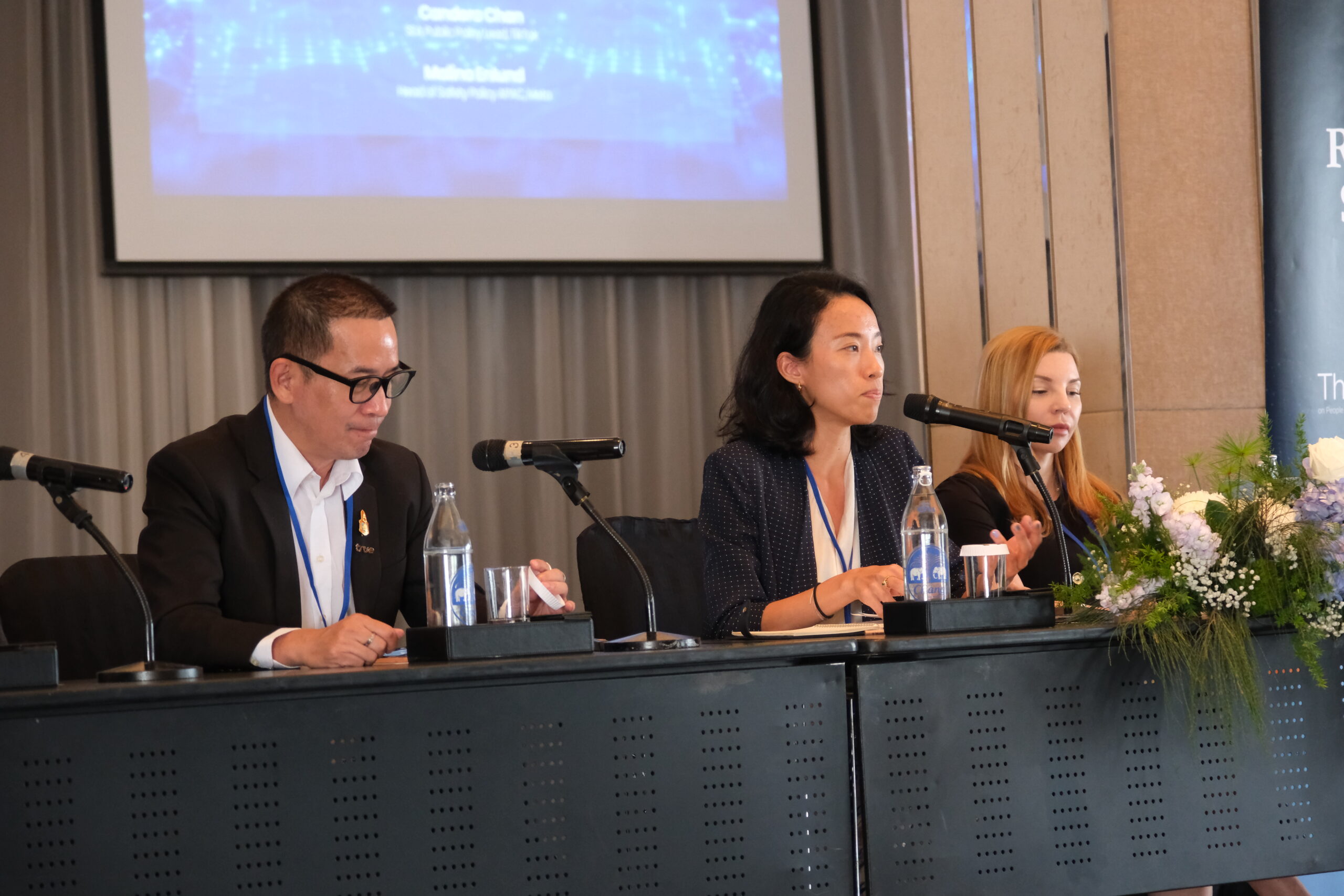
Technology and Online Scams Panel, including panelists representing True Corporation, TikTok and Meta
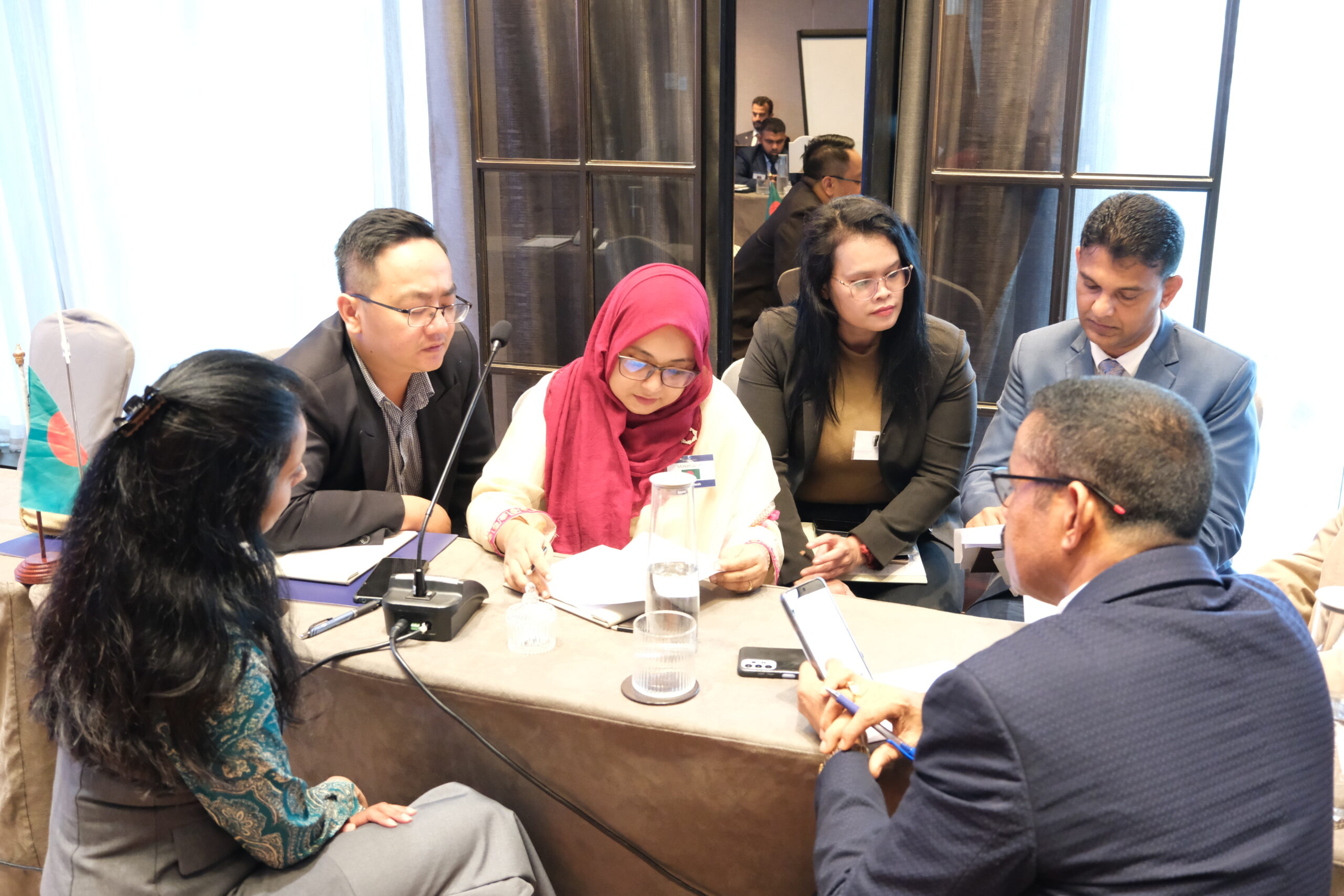
Throughout the two days, technical presentations and discussions between participants fed into rapporteur sessions, which saw Member States share their countries’ perspectives on each day’s discussions and identify priority response options, highlighting areas where additional resources, enhanced coordination, and innovative approaches are most needed. An in-depth strategic prioritisation exercise during the Conference’s second day further enabled participants to discuss, assess and align on key response measures, fostering coordination and collaboration across sectors and national delegations.
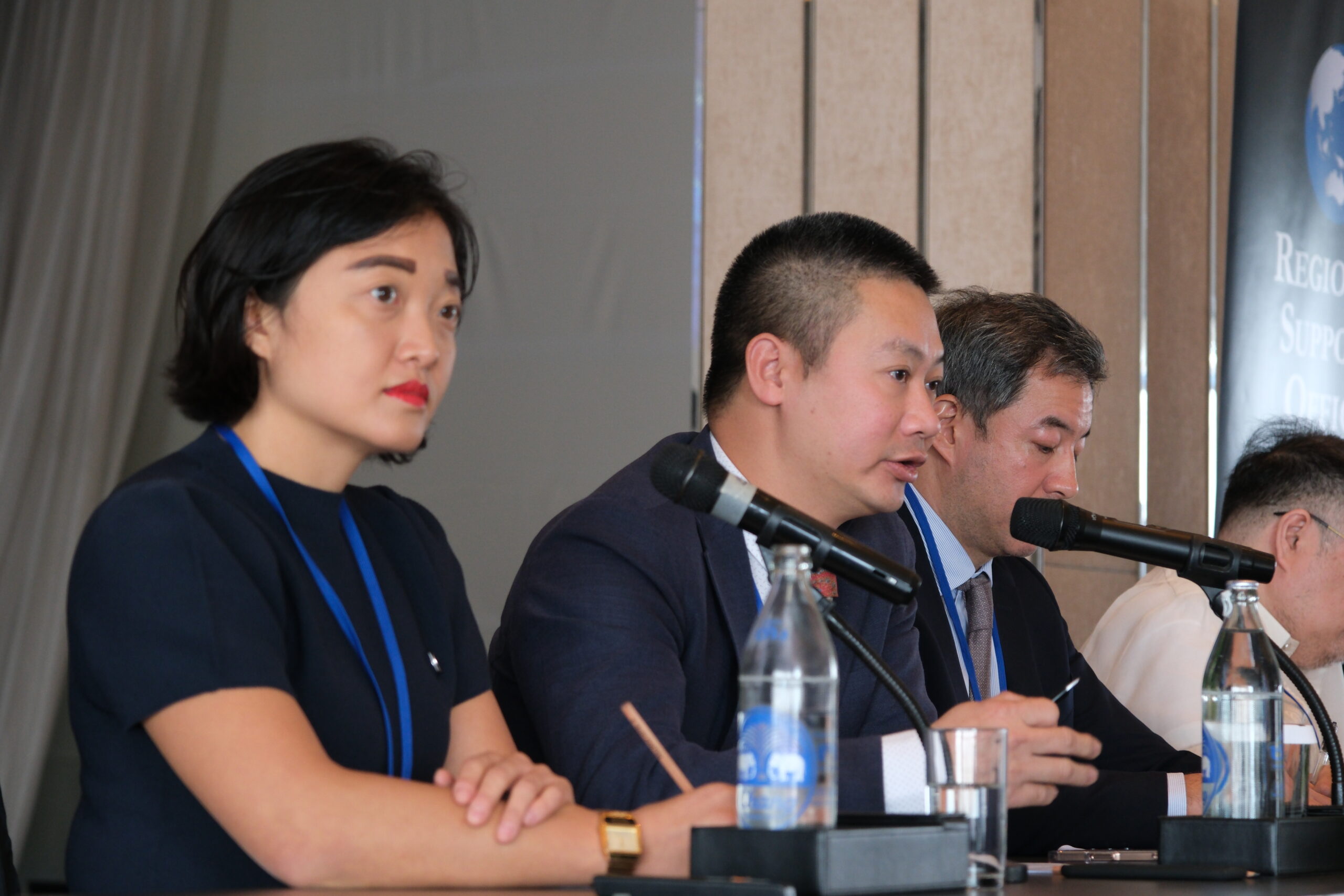 Day 1 provided a series of scene setting presentations related to cyber-crime, trafficking trends, and growing evidence of polycriminality within scam centres, with panel discussions focusing on investigation, prosecution, and utilisation of technology in response to cyber-scam centres, alongside focused breakout discussions. Participants also shared national updates, and highlighted challenges, trends, and promising practices relating to cross-border coordination and private-sector engagement, providing a clear picture of the regional cyber-scam landscape and operational obstacles.
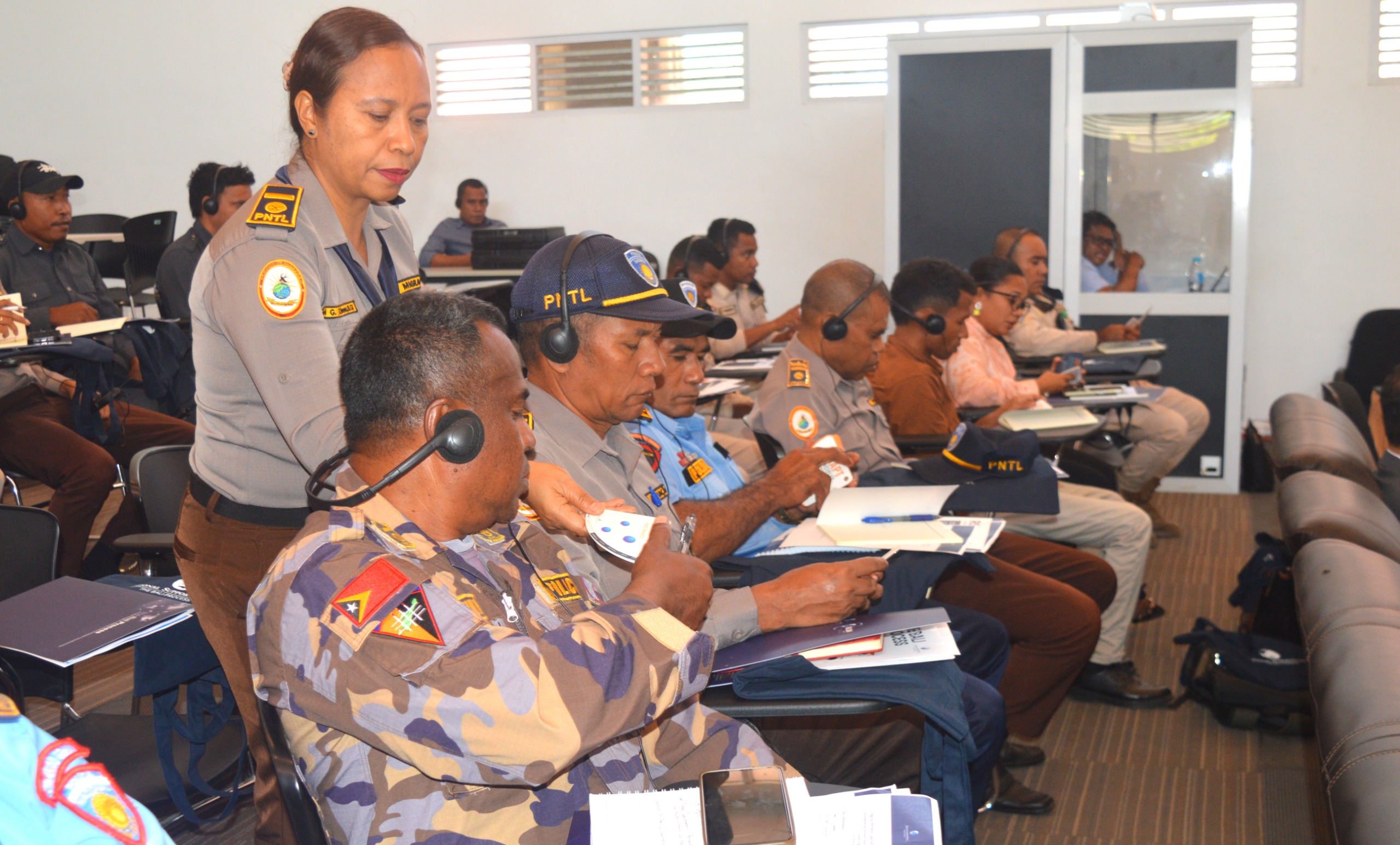
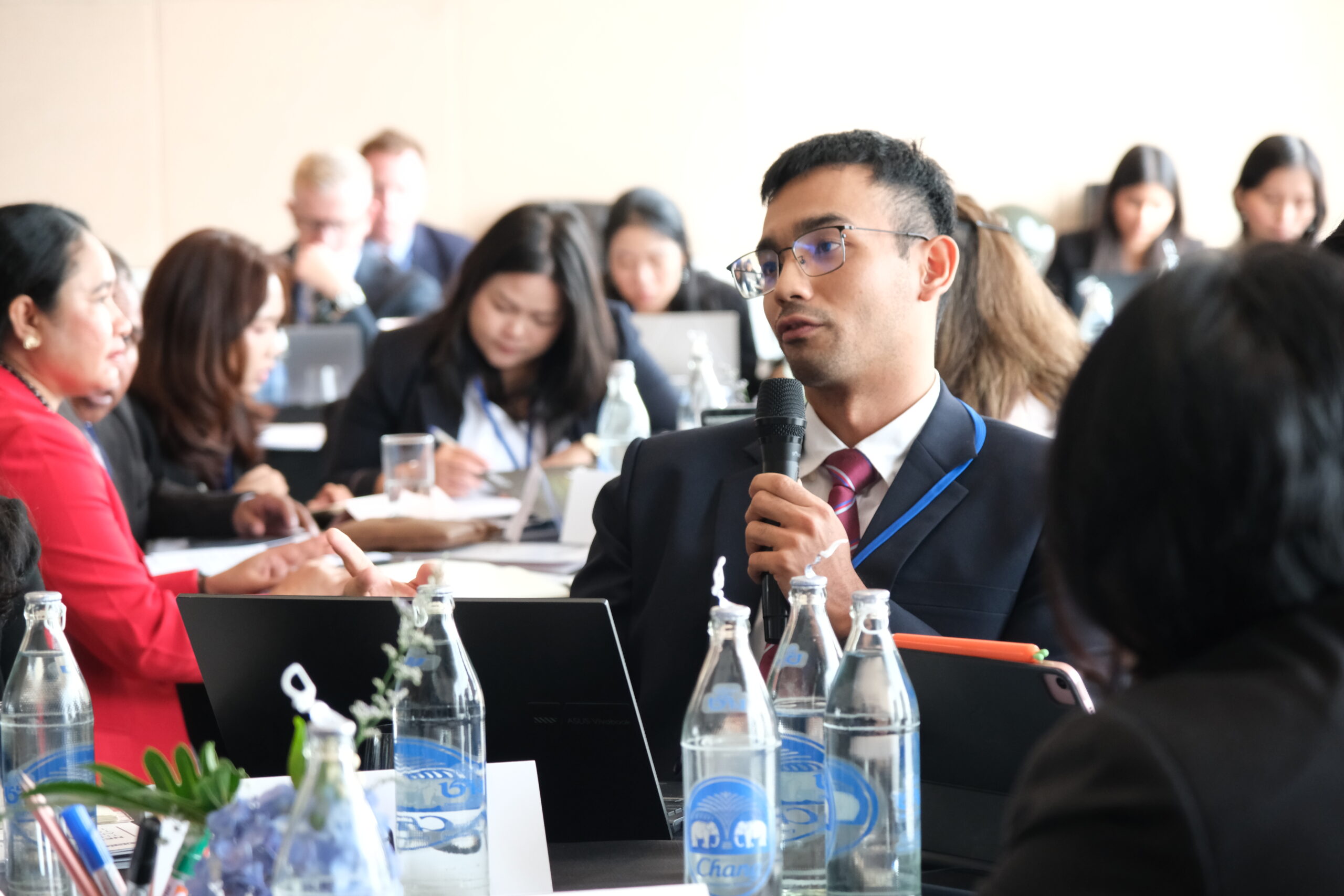 Day 2 focused on victim identification in the morning, and providing a clearer prioritisation roadmap through that second half of the day. Presentations and practical exercises led by the RSO, Freedom Collaborative and the International Organisation for Migration (IOM) guided discussions around victim identification and good practices for providing consular support. Breakout sessions and a strategic prioritisation exercise in the afternoon further advanced discussions around practical responses, cross-border coordination, and victim-centred approaches, and provided a clear set of next steps for Member States following the Conference.


Participants discussed the importance of sustaining momentum through stronger cross-border coordination, improved information sharing, and continued discussion among practitioners.
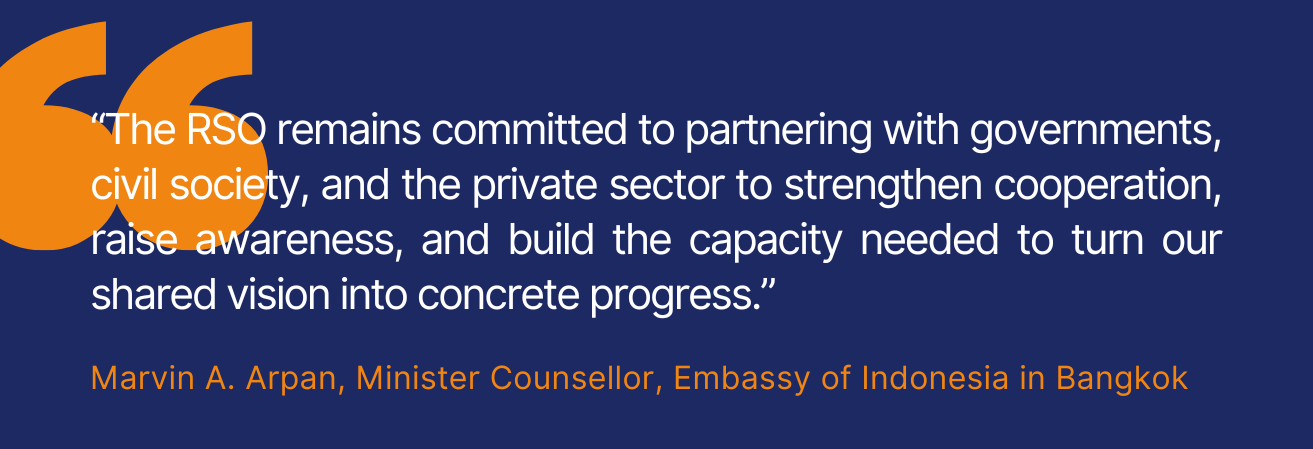
The RSO will continue to support capacity-building, policy dialogue, and coordination among Member States through its 2024–2026 Work Plan, particularly under Initiative 3: Transnational Crime and Technology and Initiative 5: Identification and support for migrants who may be in a vulnerable situation. Building on insights from the Conference, the RSO will also aim to strengthen technical expertise in online investigations and awareness on AI-driven crime through our Open-Source Intelligence (OSINT) workshops, while promoting victim-centred and rights-based responses.
To sustain engagement, the RSO and Thai Ministry of Foreign Affairs will circulate a post-event outcome report to participants, highlighting key response avenues that are under-utilised, would benefit from intensified coordination, or represent innovative approaches for the region to consider.