
29 September–4 October 2024 • Manila, The Philippines
Law enforcement agencies across the Asia-Pacific strengthened and intensified efforts to address trafficking for forced criminality into cyber-scam centres and trafficking in persons, as well as people smuggling—through coordinated investigations and deepened information sharing during INTERPOL’s largest ever counter-trafficking and migrant smuggling operation—Operation Liberterra II.

A cyber-scam centre in Pasay City was raided by Philippines law enforcement with support from INTERPOL during the Operation.
Investigations initiated through the Operation made clear the growing sophistication of transnational crime groups facilitating trafficking for forced criminality into cyber-scam centres. Globally, the Operation led to the rescue of 3,222 potential trafficking victims, as well as 2,517 arrests, including 850 specifically for human trafficking or migrant smuggling charges. In addition, the Operation led to some 17,793 irregular migrants being identified.
The Regional Support Office of the Bali Process (RSO) participated in the INTERPOL Operation, and provided technical expertise, logistical support and resourcing for the Asia-Pacific component of Liberterra II. In total, the global operation brought together law enforcement from 116 countries to coordinate investigations targeting human trafficking and people smuggling networks, with 14 countries in the Manila operation coordination unit (OCU) and an addition two joining the OCU online.
“In their relentless pursuit of profit, organised crime groups continue to exploit men, women and children—often multiple times over. While still preliminary, the results of this operation highlight the vast scale of the challenge facing law enforcement, underscoring that only coordinated action can counteract these threats.” said INTERPOL Secretary General Jürgen Stock.
The Operation’s Asia-Pacific component centred on strengthening coordinated responses to trafficking for forced criminality into cyber-scam centres, with the Philippines, which has seen significant success of late in addressing scam operations, hosting the OCU and serving as a regional coordination hub.
During the Operation, national law enforcement officers from Brunei, China, Cambodia, India, Kazakhstan, Kyrgyzstan, Malaysia, Maldives, Nepal, the Philippines, Singapore, Thailand and Viet Nam gathered in Manila and coordinated both national and cross-border elements of Liberterra II, supporting sharing of evidence and data across borders in support of both regional and global elements of the Operation.

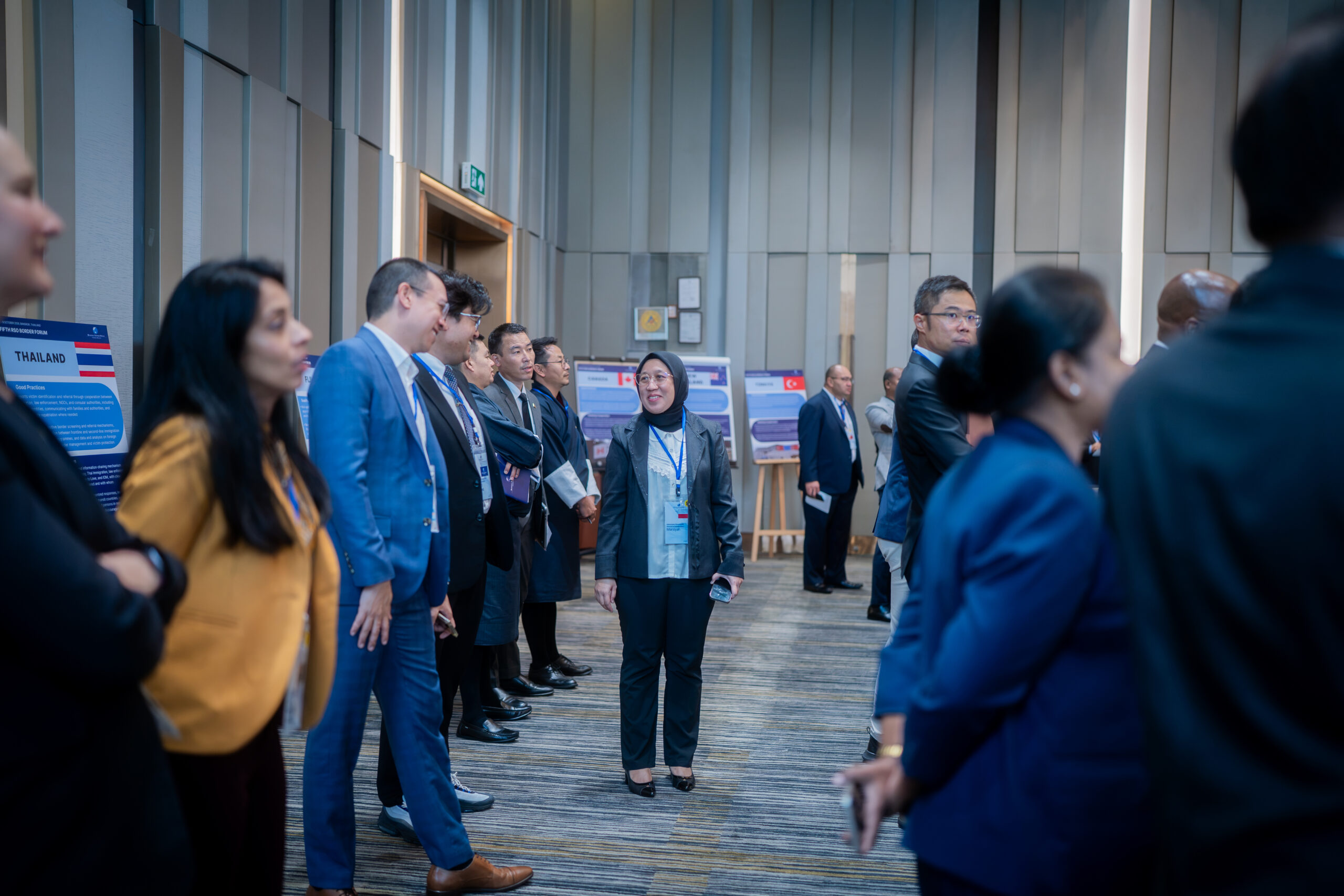
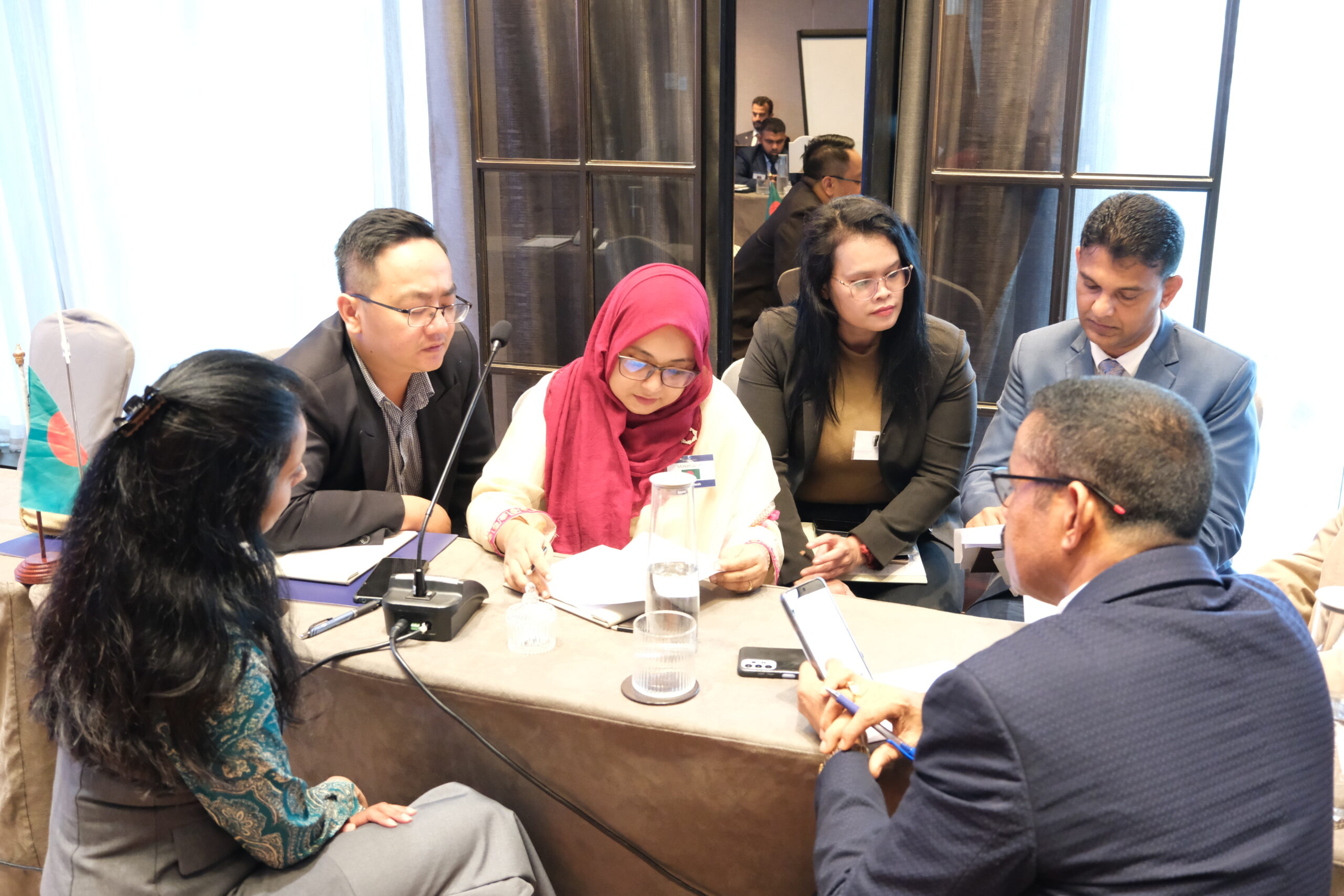
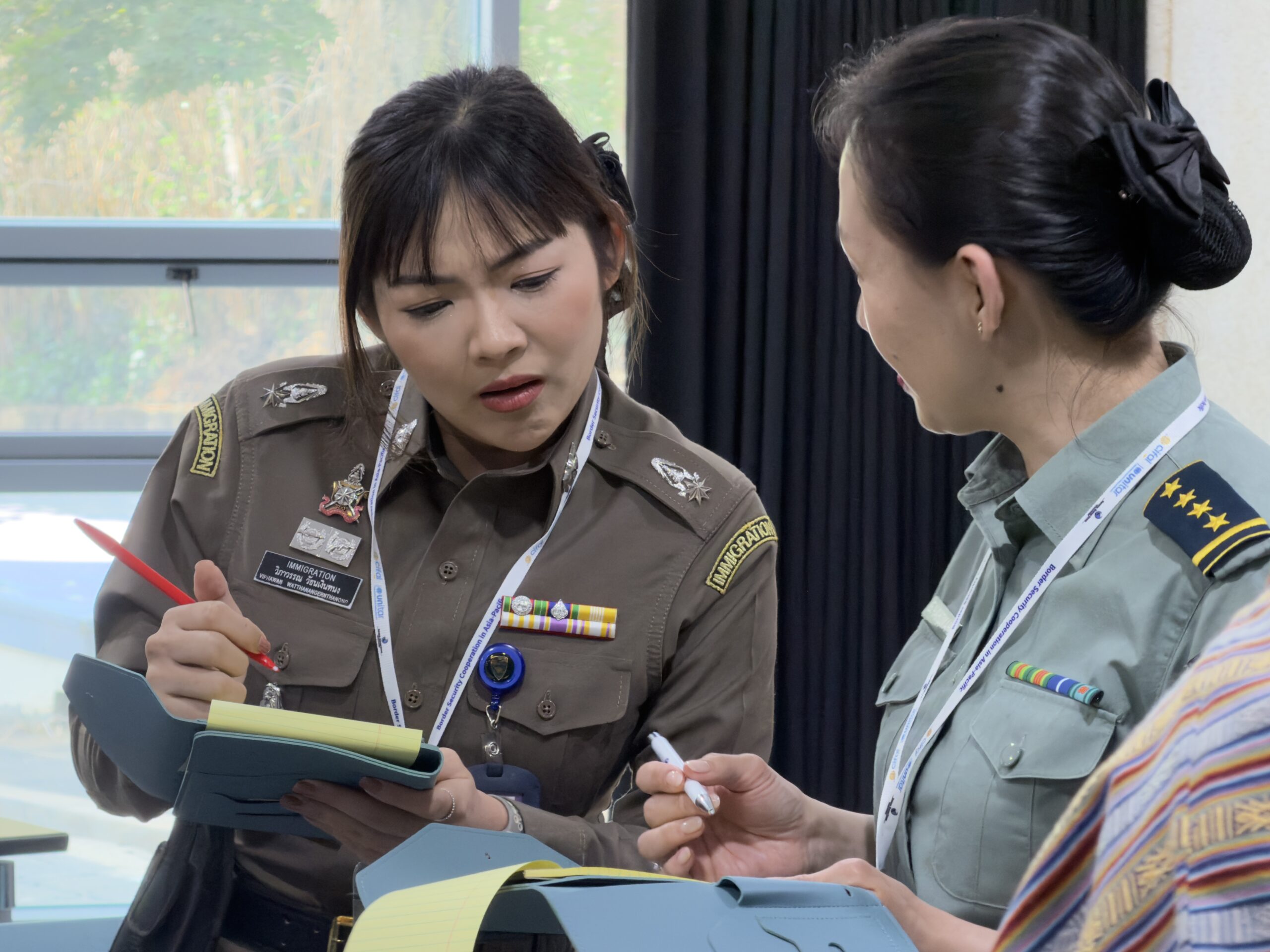
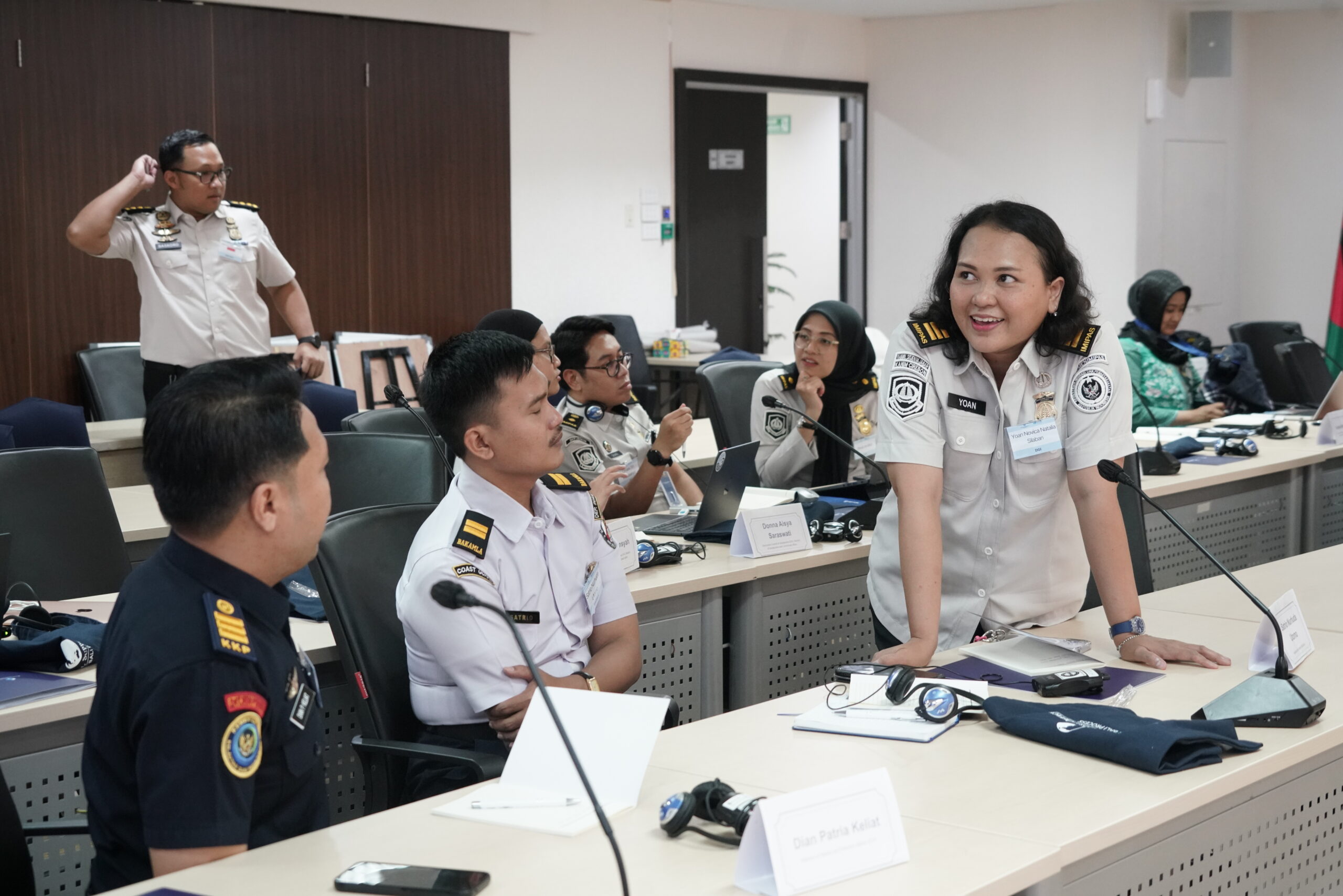
Participants at the Manila Operational Coordination Unit (OCU) during Liberterra II.
In addition, Bali Process Member and Observer States Australia, Canada, Italy, Iraq, New Zealand, Romania, Spain, South Africa, Türkiye, the UAE and the United Kingdom also took part in Operation Liberterra II. The structure of the Operation supported real-time cooperation across time zones and jurisdictions.
“Through supporting INTERPOL’s Operation Liberterra II, we were able to facilitate Bali Process Member States to join the Operation in person, and benefit from networking and face-to-face, rapid information sharing—essential pieces to a successful Operation at this scale,” underscored Ryan Winch, RSO Transnational Crime and Technology Manager.
“The results speak for themselves, with a scam centre in Manila being shut down specifically as a part of this Operation, and numerous potential victims of trafficking for forced criminality intercepted before reaching scamming compounds. Liberterra II showed what’s possible when law enforcement is actively working together across borders.”

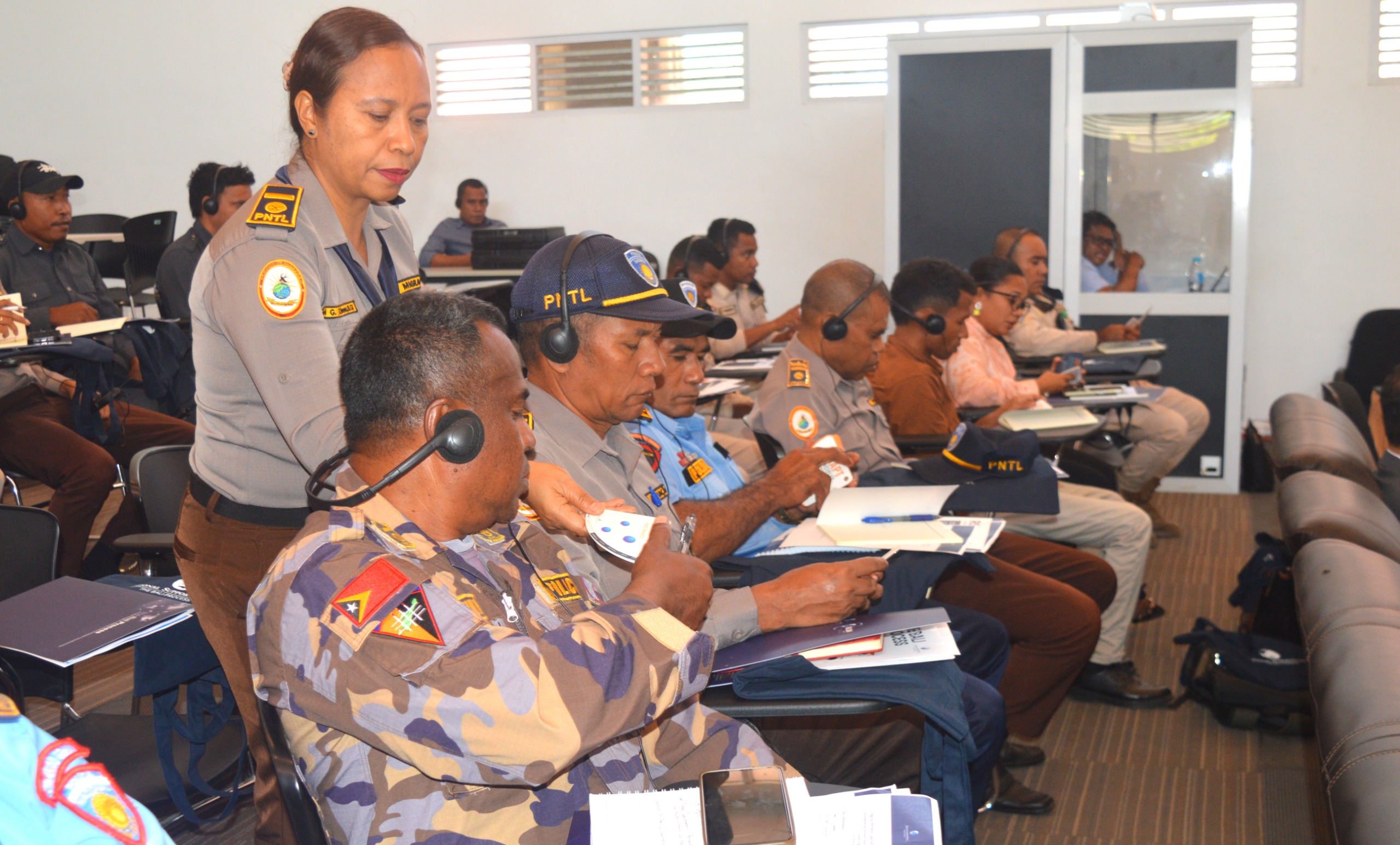
The RSO led capacity building sessions during the pre-operation training and provided updates for participants on the latest trends related to trafficking for forced criminality during the Operation.
The RSO delivered targeted pre-operational support to strengthen regional capacity for investigating cyber-enabled trafficking. Training programmes brought together officers from across the region to develop skills in victim identification, open-source intelligence (OSINT) gathering, and operational approaches to cyber-scam centre investigations. Alongside the RSO, regional experts on trafficking in persons presented during the training including from the United Nations Office on Drugs and Crime (UNODC) Central Asia Office, International Justice Mission (IJM) and Humanity Research Consultancy (HRC).
A significant element of pre-operational preparation involved studying a major cyber-scam facility in Bamban, Philippines. The facility, raided in March 2023, provided crucial insights into trafficking networks’ operations, insights which law enforcement were able to immediately use to inform their engagement in the Operation.

During the first day of Operation Liberterra II, a study tour of a previously raided cyber-scam centre was organised for Manila OCU participants.
The site had housed roughly 700 individuals, many victims of trafficking for forced criminality, including nationals from Bali Process Member States such as the Philippines, China, Viet Nam, Malaysia, and Indonesia.
“New Zealand welcomed the opportunity to participate in a coordinated effort to combat human trafficking risks around the world. What Operation Liberterra II showed was that we can work together against criminal elements who perpetuate these abhorrent crimes,” highlighted Ben Quinn, Irregular Migration Liaison Officer at the New Zealand Embassy in Bangkok, one of New Zealand’s participants in the Operation.
“INTERPOL member countries, with support from organisations like the RSO, consolidated efforts from Operation Liberterra I to pave the way for more international cooperation against trafficking in persons and related organised crime.”
During the study visit, officers examined the sophisticated infrastructure used to control victims and conduct scam operations. The Bamban complex, which included multi-storey office buildings used as dormitories and scam centres, alongside luxury villas where scam-operators lived, demonstrated how these operations are often able to operate in plain sight despite their massive scale, and also provided a platform for the Philippine National Police to highlight good practices for scam centre investigations and the shifts that have led to their increasing success in identifying and closing scamming facilities in the Philippines.

Supporting networking and information sharing within the OCU was a central objective of the Operation.
For operation details, see INTERPOL’s reporting on the global operational results. For information on trafficking into online scam centres, see the RSO’s 2023 policy brief. For additional information on the RSO’s work related to Transnational Crime and Technology, details can be found here.