
25–27 November 2025 • Colombo, Sri Lanka
Across South and Southeast Asia, people smuggling networks continue to evolve, with increasingly sophisticated logistics involving transport arrangements, accommodation networks, forged travel documents, digital facilitation, and difficult-to-trace payment channels. These dynamics have been especially visible during the recent sailing season linked to irregular maritime movements across the Andaman Sea.
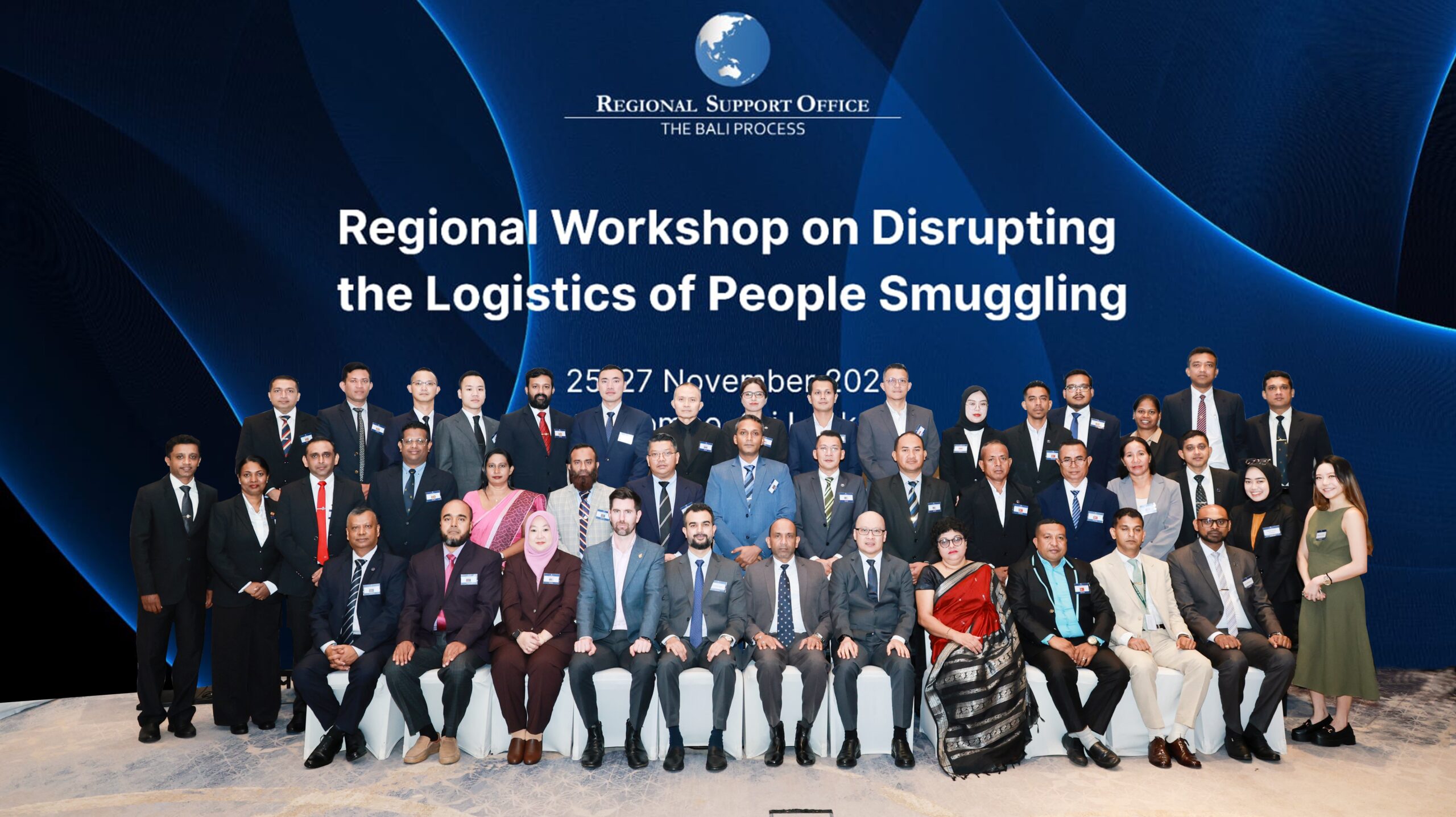
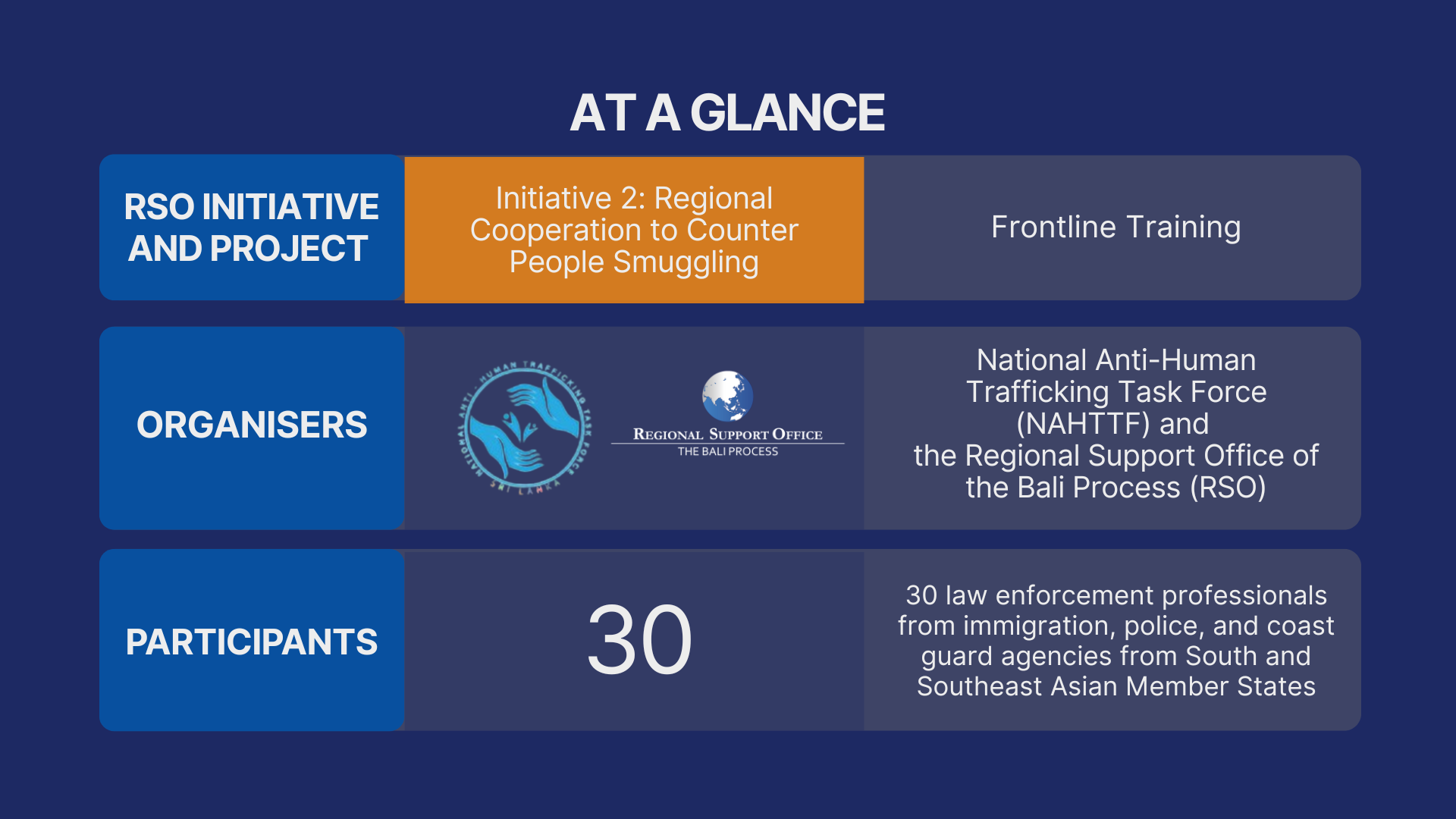
Against this backdrop, the Regional Support Office of the Bali Process (RSO) convened the Regional Workshop on Disrupting the Logistics of People Smuggling from 25–27 November 2025 in Colombo, Sri Lanka, with the support of Sri Lanka’s National Anti-Human Trafficking Task Force (NAHTTF).
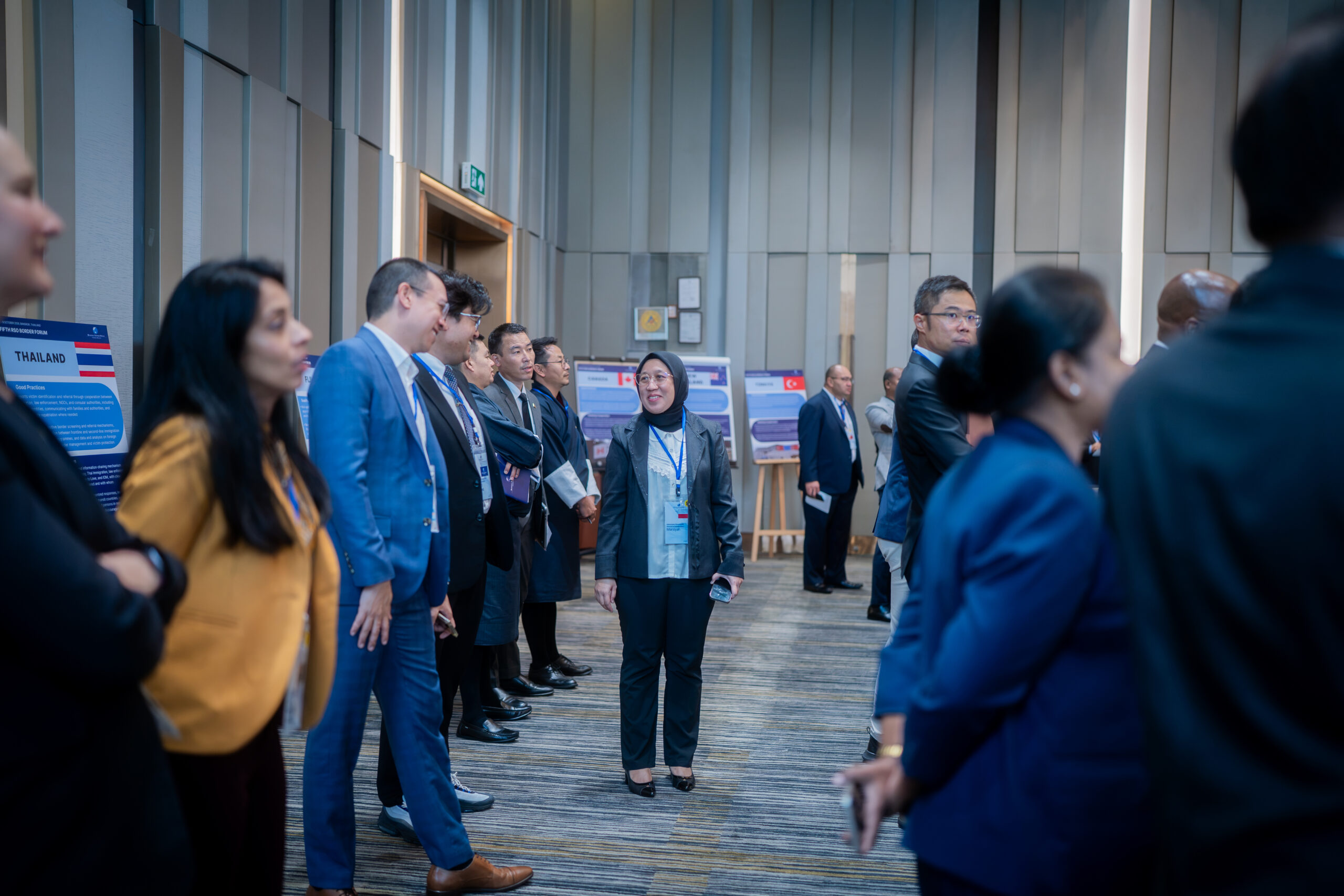
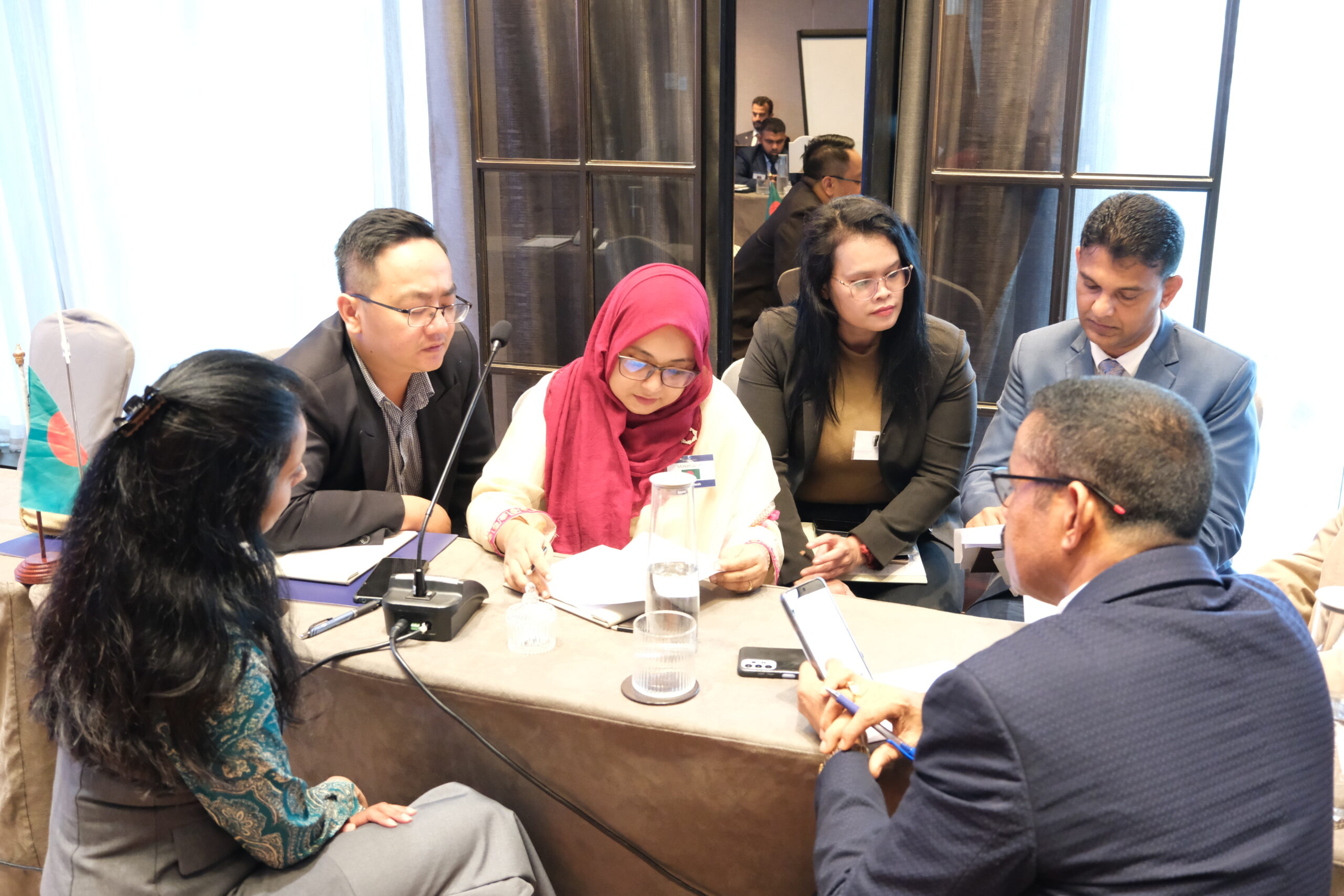
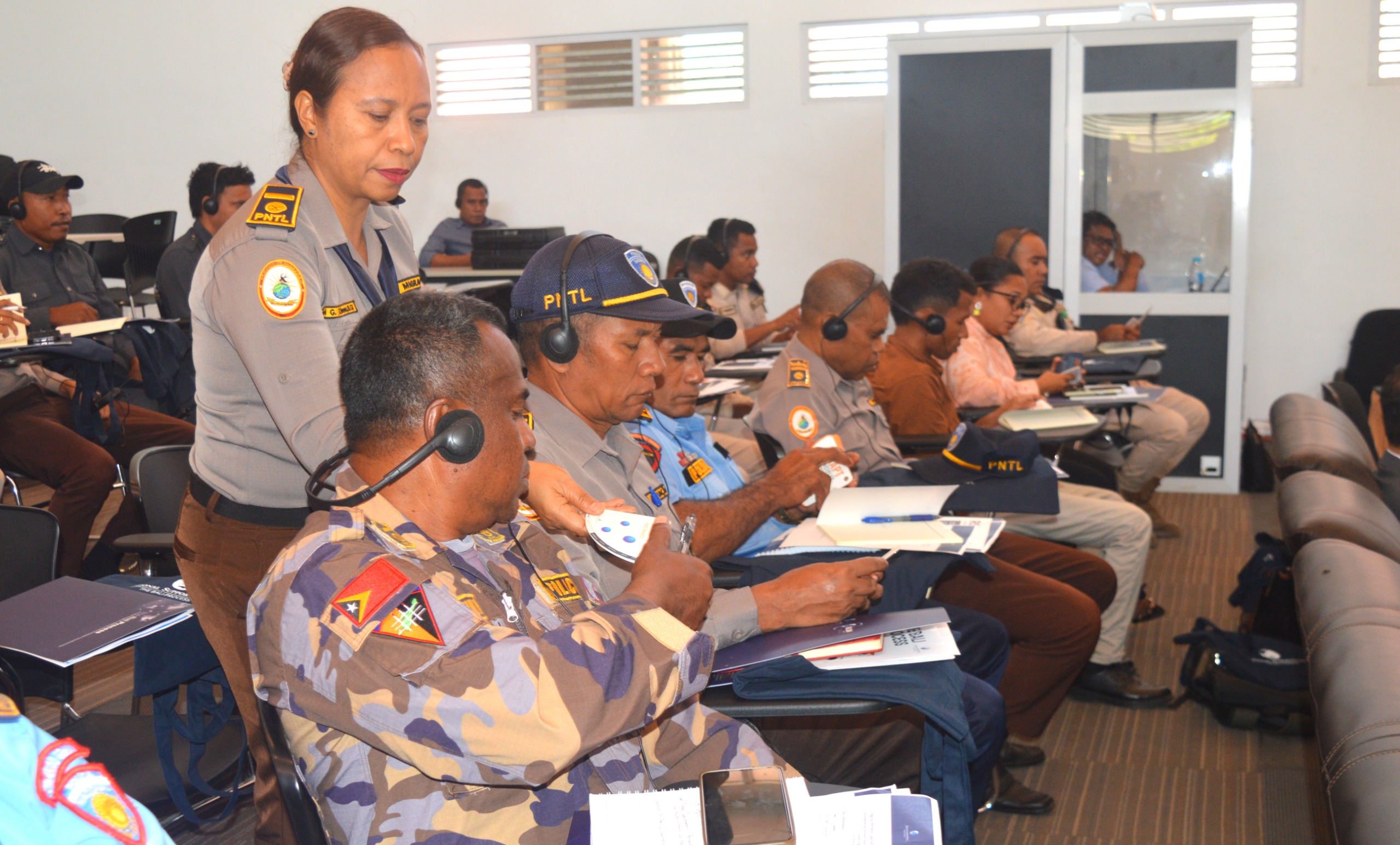
The workshop brought together 30 frontline officials from immigration, police, and border agencies representing Bangladesh, Indonesia, Malaysia, Sri Lanka, Thailand, and Timor-Leste to strengthen regional responses to people smuggling. Opening the workshop, Fuad Adriansyah, RSO Co-Manager (Indonesia), and Major General Nalinda Niyangoda, Chief of National Intelligence of Sri Lanka, underscored the importance of collective regional action and shared operational awareness in responding to increasingly adaptive and complex people smuggling networks.
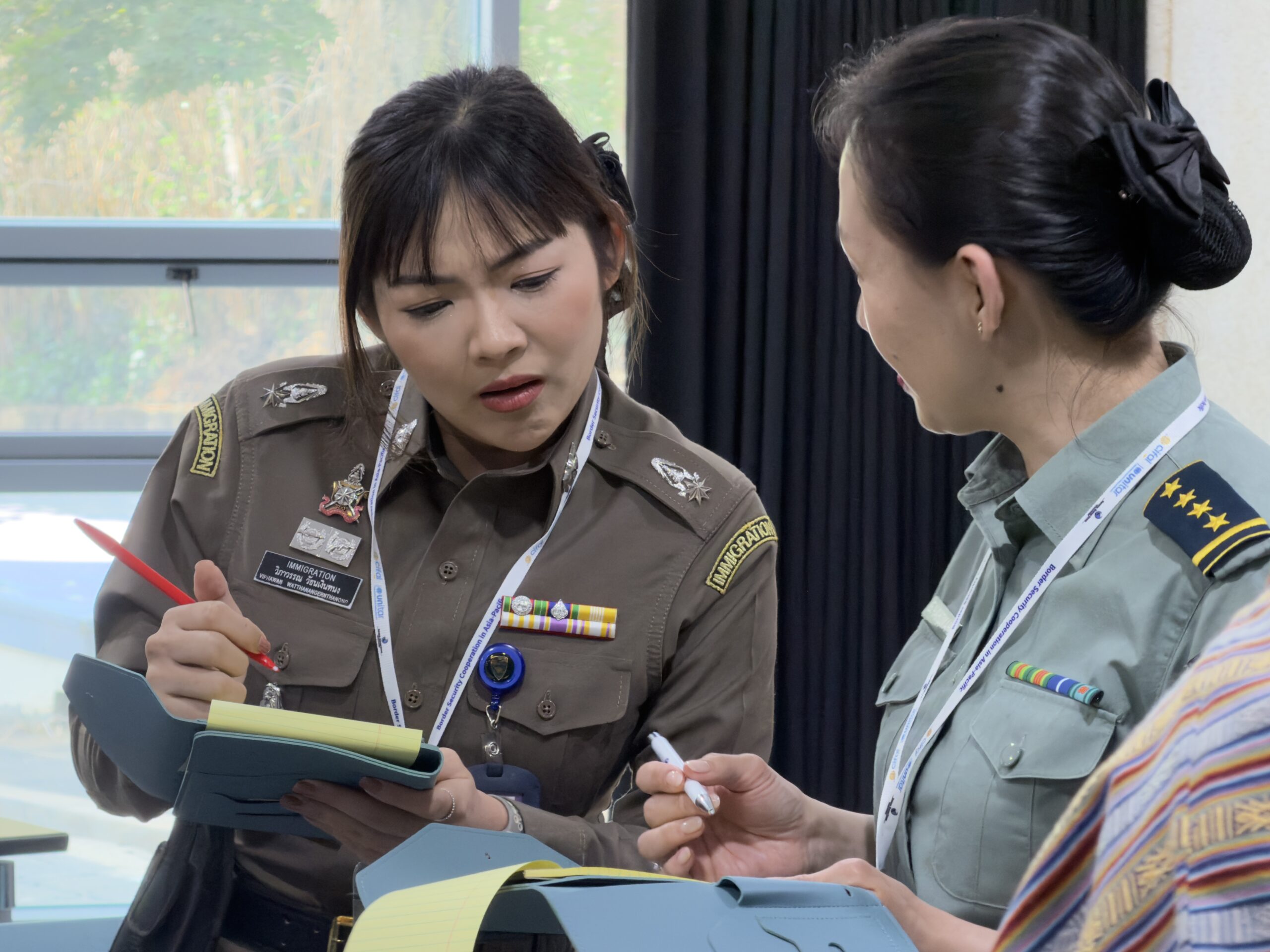
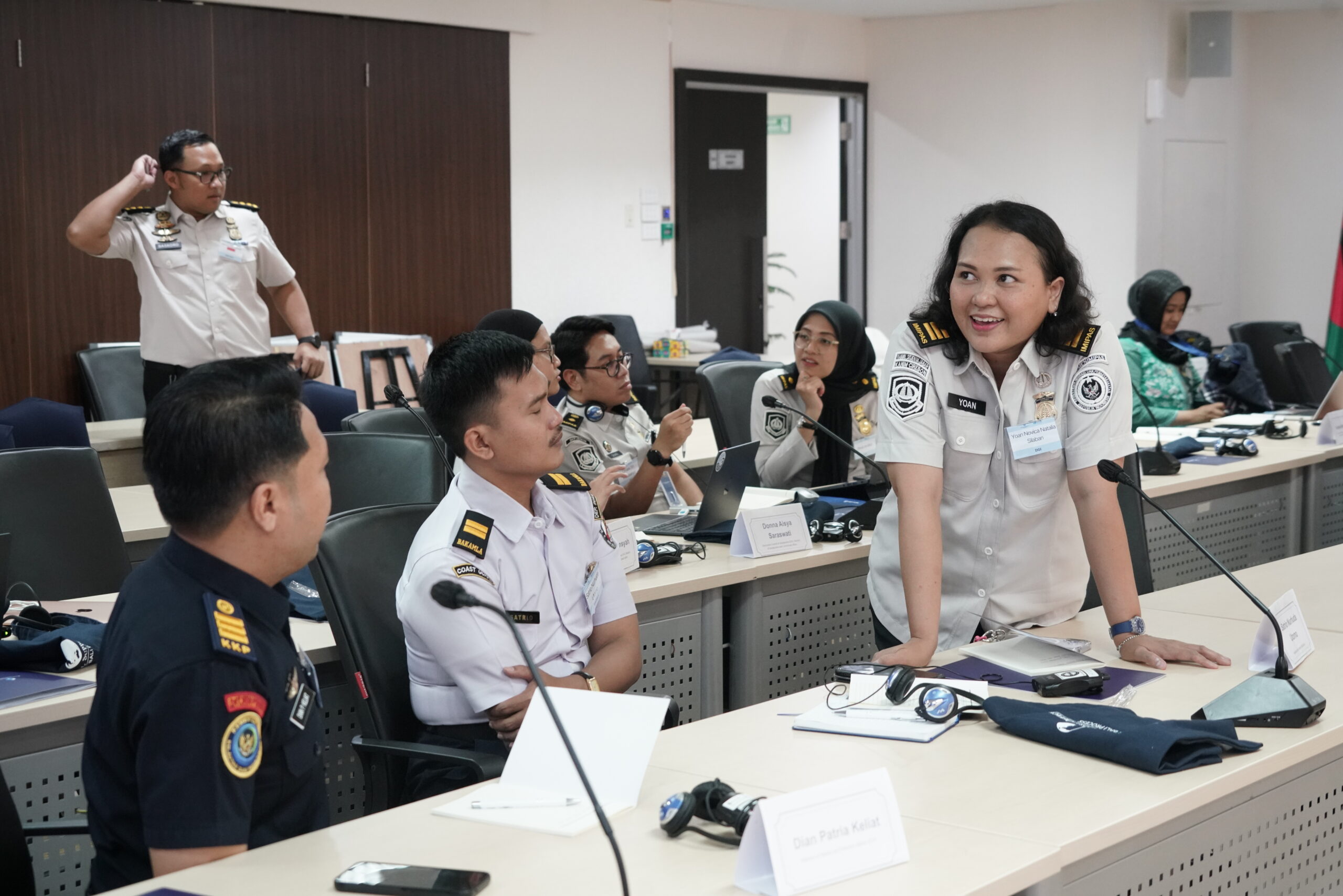
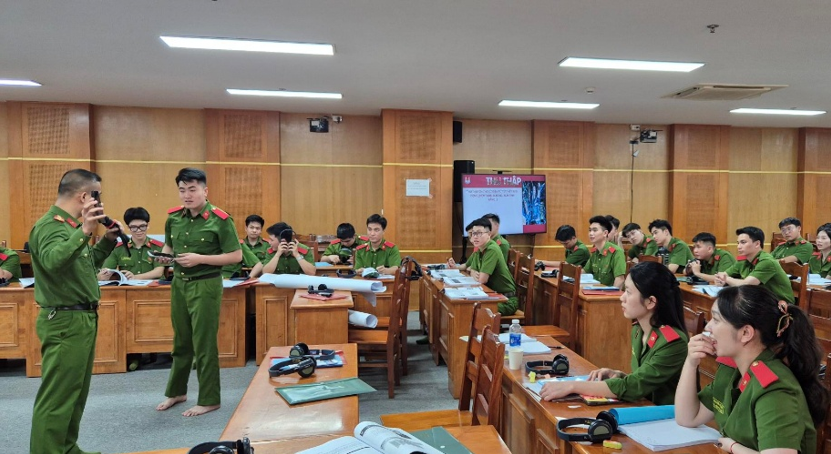
The workshop combined expert inputs, country-led discussions, and scenario-based activities to support operational learning and peer-to-peer exchange. Participants analysed regional smuggling trends, mapped routes and logistical hubs, and examined vulnerabilities across transport, documentation, communication, and financial flows.
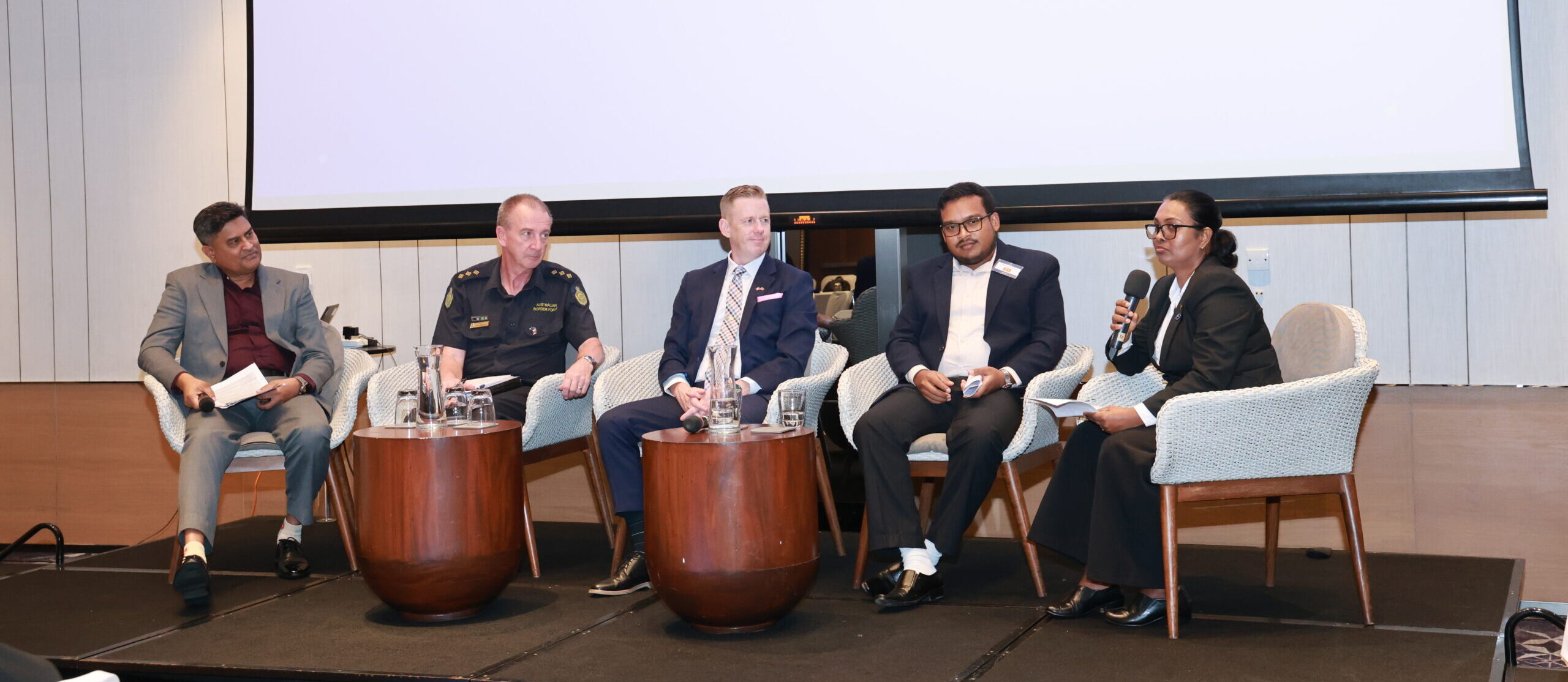
Technical sessions enhanced participants’ capabilities in document examinations, digital investigations, and financial disruption, while a multi-country tabletop exercise tested cross-border coordination in complex scenarios. These activities highlighted practical challenges related to real-time information sharing, investigative mandates, and inter-agency cooperation, reinforcing the importance of coordinated operational responses.
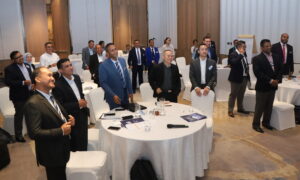 Focused on strengthening frontline capacity to identify, analyse, and disrupt the logistical enablers of people smuggling, the three-day workshop prioritised hands-on, practical engagement grounded in regional realities. Participants examined how the logistics elements establish the operational backbone of smuggling networks which are the critical points for intelligence-led disruption—from transport coordination to documentation, accommodation networks, digital communications and payment flows.
Key insights from these sessions include:
· Rapid expansion of digital facilitation: Smugglers increasingly use encrypted messaging apps, social media platforms, and online intermediaries for recruitment, coordination, document exchange, and payment arrangements, requiring stronger digital investigation capabilities.
· Persistent maritime risks in the Andaman Sea: Countries reported ongoing maritime movements, particularly linked to Rohingya departures during sailing seasons—highlighting the need for improved surveillance, coordinated alerts, and regional response mechanisms.
· Complex and opaque financial flows: Smuggling operations rely heavily on informal remittance systems, layered transactions, and third-party payments like hawala, complicating efforts to trace facilitators or disrupt financing.
· Inter-agency coordination gaps: Time-consuming information sharing, unclear mandates, and limited structured cooperation mechanisms continue to hinder effective cross-border and cross-agency responses, emphasising the need for streamlined communication protocols.
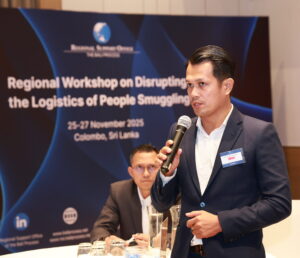 Discussions among participants highlighted key differences and similarities in their responses to people smuggling networks. The distinctions largely reflected each country’s position along the movement pathway with Bangladesh and Sri Lanka prioritising upstream prevention and route disruption at source; Thailand and Indonesia focusing on transit interdiction, referral mechanisms and multi-agency coordination; Malaysia emphasising converting intelligence into sustained investigations and systems-level disruption; and Timor-Leste highlighting capability-building and practical cooperation arrangements to strengthen regional connectivity.
Meanwhile, several common themes were presented including the need for faster intelligence exchange through clear focal points; the continued reliance of networks on small-boat maritime logistics and digital communications; and a shared view that disruption efforts must balance law enforcement action with protection responses—including screening, referral pathways and victim safeguards.
The RSO will continue to strengthen regional cooperation through initiatives such as the Regional Information Liaison and Outreach Network (RILON) Initiative which will support timely information sharing, operational coordination, and trusted peer-to-peer engagement among frontline agencies across the Bali Process Member State.
Targeted capacity-building activities and policy dialogue will remain an important part of efforts to support Member States in responding to evolving people smuggling and trafficking in persons challenges.
Planned activity in early 2026 include the Regional Technical Experts Meeting on Strengthening Counter Smuggling which will further strengthen regional dialogue and responses to people smuggling.