
By RSO Co-Managers Fuad Adriansyah & David Scott | Originally published in the Bangkok Post on 11 Dec 2024

Seized mobiles, foreign passports and false-based station gadgets are seen that two foreign hackers used to send false SMS and online messages asking phone users to click. (Photo: Cyber Crime Investigation Bureau of Royal Thai Police)
In recent years, a novel form of criminality has rapidly expanded across Southeast Asia, leaving in its wake a trail of human exploitation, financial harm, and, in many parts of the region, a weakening of the rule of law. Cyber-scam centres, operated by sophisticated transnational organised criminal groups, have emerged as a serious threat to both national and human security across Southeast Asia.
This trafficking serves as a stark reminder of the potential for emerging technologies to not only facilitate legitimate business and connect people but also to be abused in support of criminal endeavours.
Moreover, these scam centres do not operate in isolation. They are part of a complex and growing criminal ecosystem intertwined with other illicit activities such as drug and wildlife trafficking, organ trafficking, money laundering, and corruption. This poly-criminality amplifies their impact and sees them becoming even more challenging to counter.
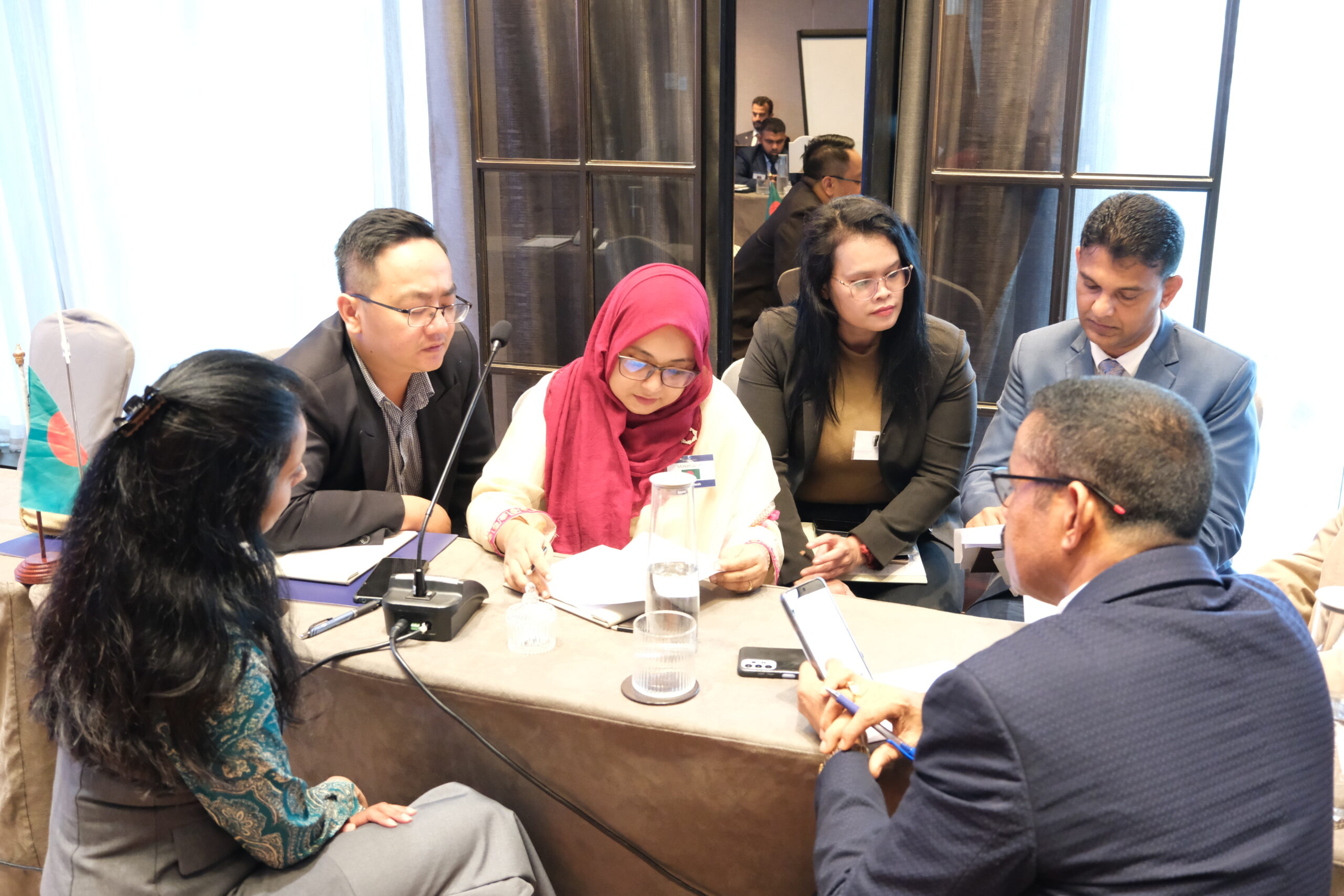
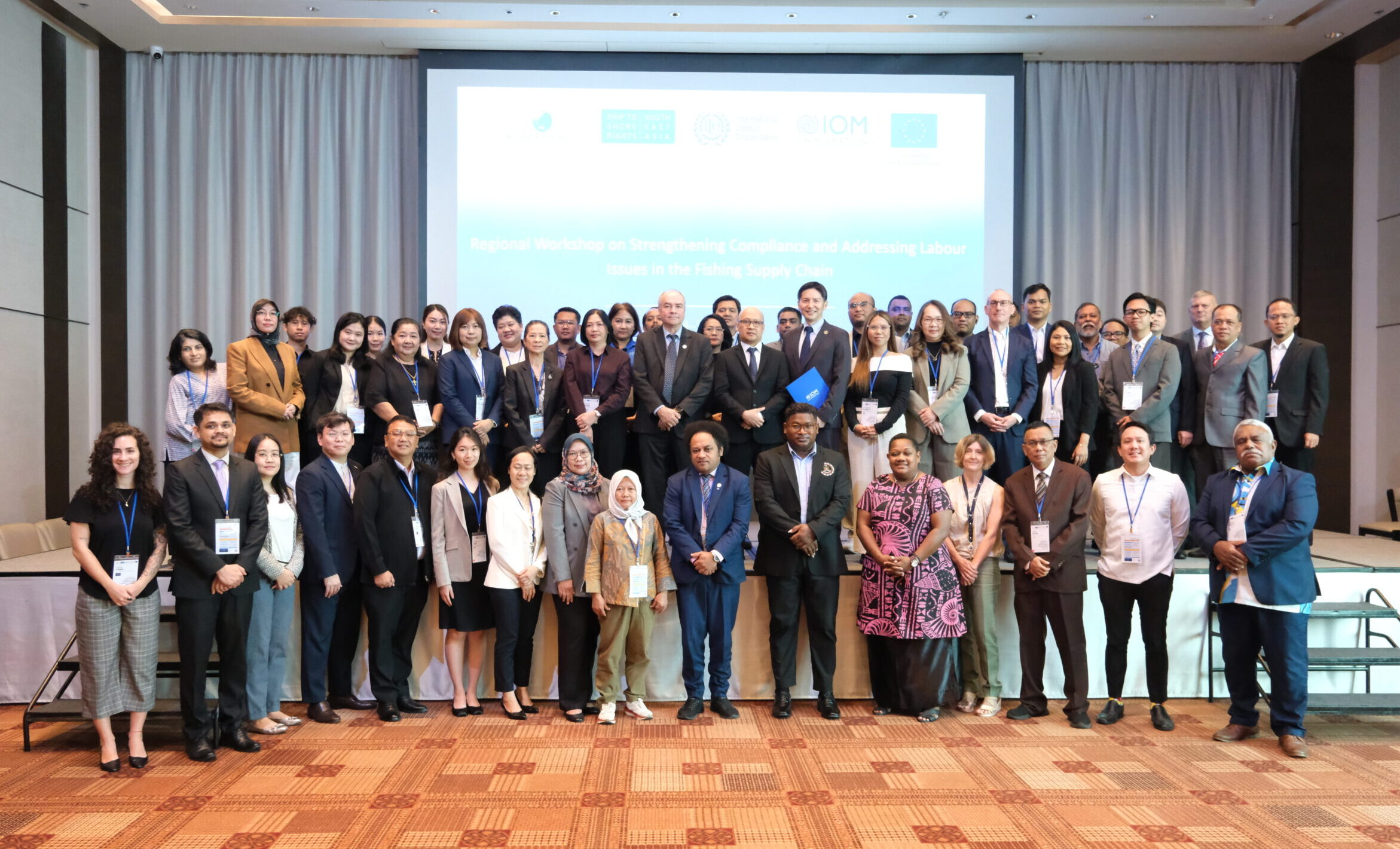
As part of ongoing efforts to address this complex issue, a regional workshop hosted by the Ministry of Foreign Affairs of the Republic of Indonesia and the Regional Support Office of the Bali Process was held in November in Bali, Indonesia.
A multi-stakeholder approach is essential in this effort, particularly in engaging the private sector. We must collaborate with social media platforms and job search websites to enhance content moderation efforts and prevent trafficking recruitment. By developing robust public-private partnerships, we can leverage technological expertise to identify and disrupt online trafficking recruitment efforts before they occur. This level of coordination between governments and private entities across borders is crucial to match the sophistication of these criminal networks and the scale of their recruitment efforts.
Crucially, we must also follow the money and seize funds linked to scam centre operations, as profit is the primary driver for organised criminal groups. This requires partnerships with financial institutions of all sizes, from major banks to emerging FinTech companies across multiple jurisdictions. By enhancing our capabilities to trace and seize illicit financial flows, including those involving cryptocurrencies and other new forms of finance, we can strike at the heart of scam centre operations.
As we look to address the root causes and systems facilitating cyber-scam centre operations, we must also not neglect the victims. Increased support for shelters and victim services is vital. Our response must include robust mechanisms for victim identification, protection, and reintegration, continuing to build and increase support for ongoing efforts in this space. This aspect of our response demands coordinated efforts across borders, as victims often need support in both destination and origin countries. A unified, multi-stakeholder approach to victim services — involving governments, civil society, and international organisations — will be essential to ensuring comprehensive care is provided to victims of trafficking to promote consistent identification followed by enhanced access to services, including during the return and reintegration process.
International organisations and regional bodies have a crucial role to play in facilitating this unprecedented level of cooperation. Asean’s Senior Officials Meeting on Transnational Crime (SOMTC), for instance, provides a platform for coordinating regional policy and law enforcement efforts against transnational crime, including those related to cyber-scam centres. The Bali Process, with its broad membership across the Asia-Pacific, is similarly well-positioned to foster dialogue and coordinate responses at the regional and inter-regional levels. These platforms can serve as key tools for the kind of multi-stakeholder cooperation that will be needed to combat the cyber-scam centre challenge effectively.
Law enforcement agencies must be empowered with the mandate and means to conduct cross-border investigations and operations. The private sector, particularly technology companies and financial institutions, must be more proactive in preventing their platforms from being exploited by these organised criminal groups. This multi-stakeholder approach, combining government action, private sector engagement, and civil society support, is our best hope for effectively countering this complex transnational threat.
The time for action is now. The security and prosperity of the Asia-Pacific, and indeed globally, depend on our collective resolve to address this challenge. Let us unite in action to protect our communities that we all value.