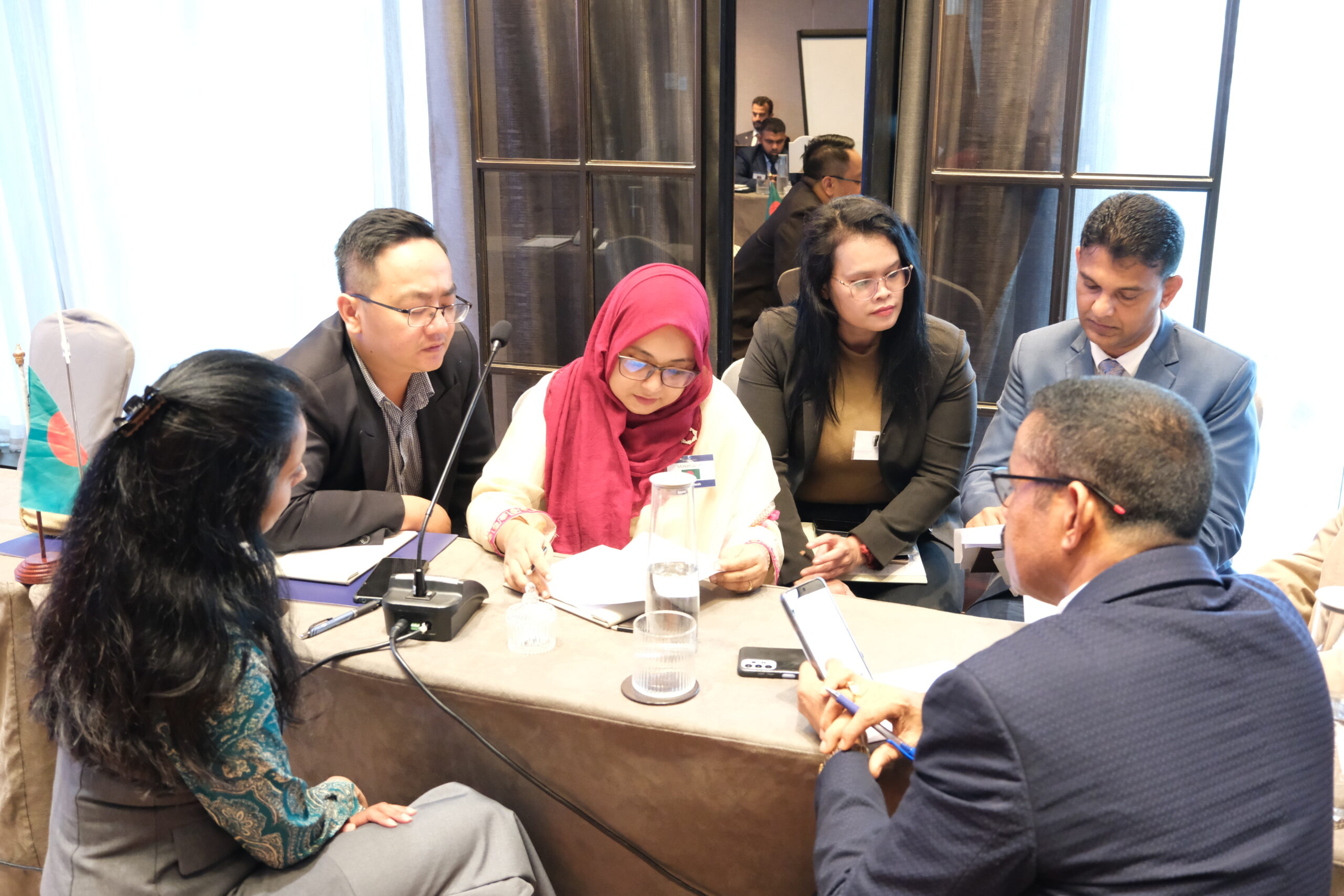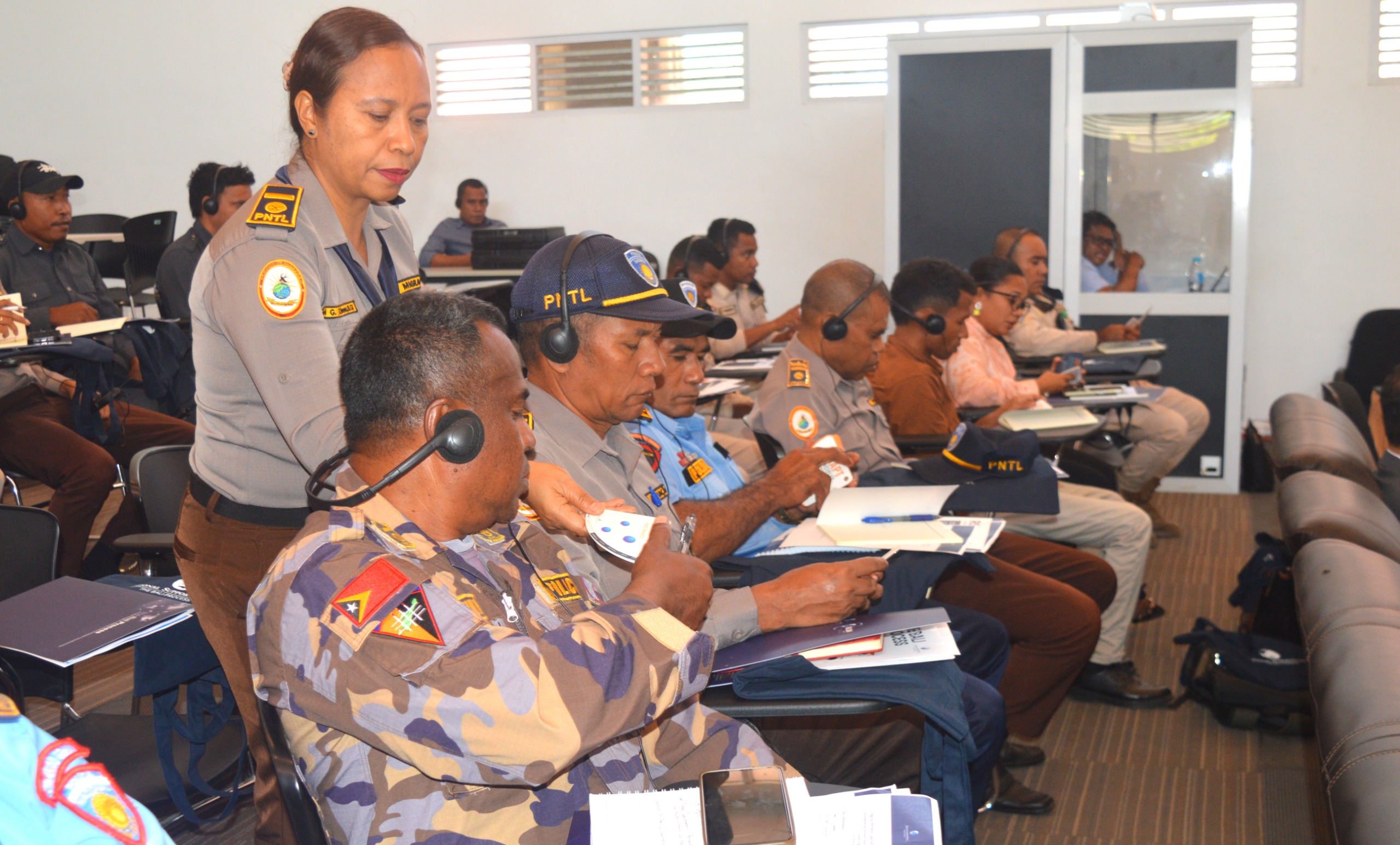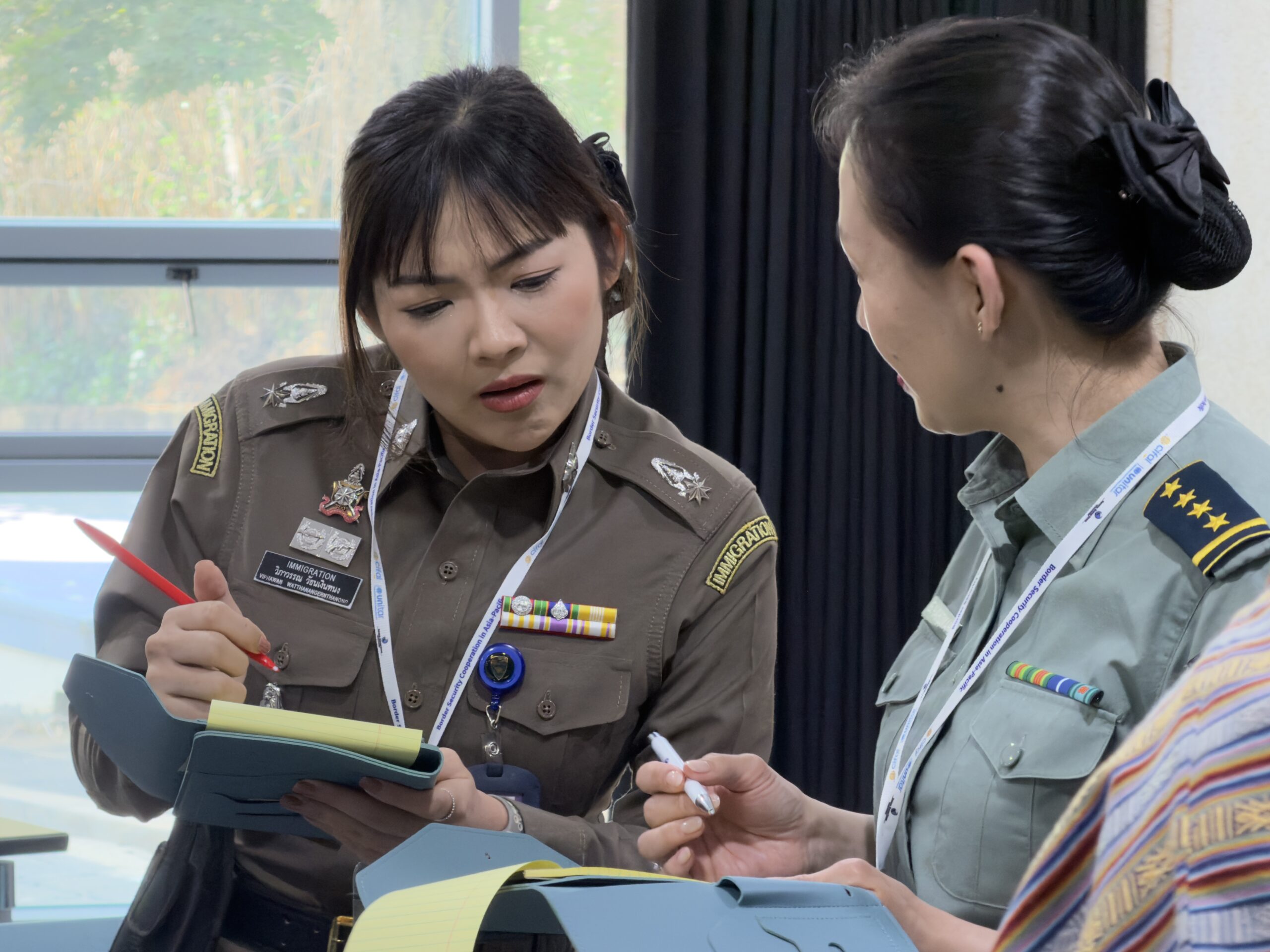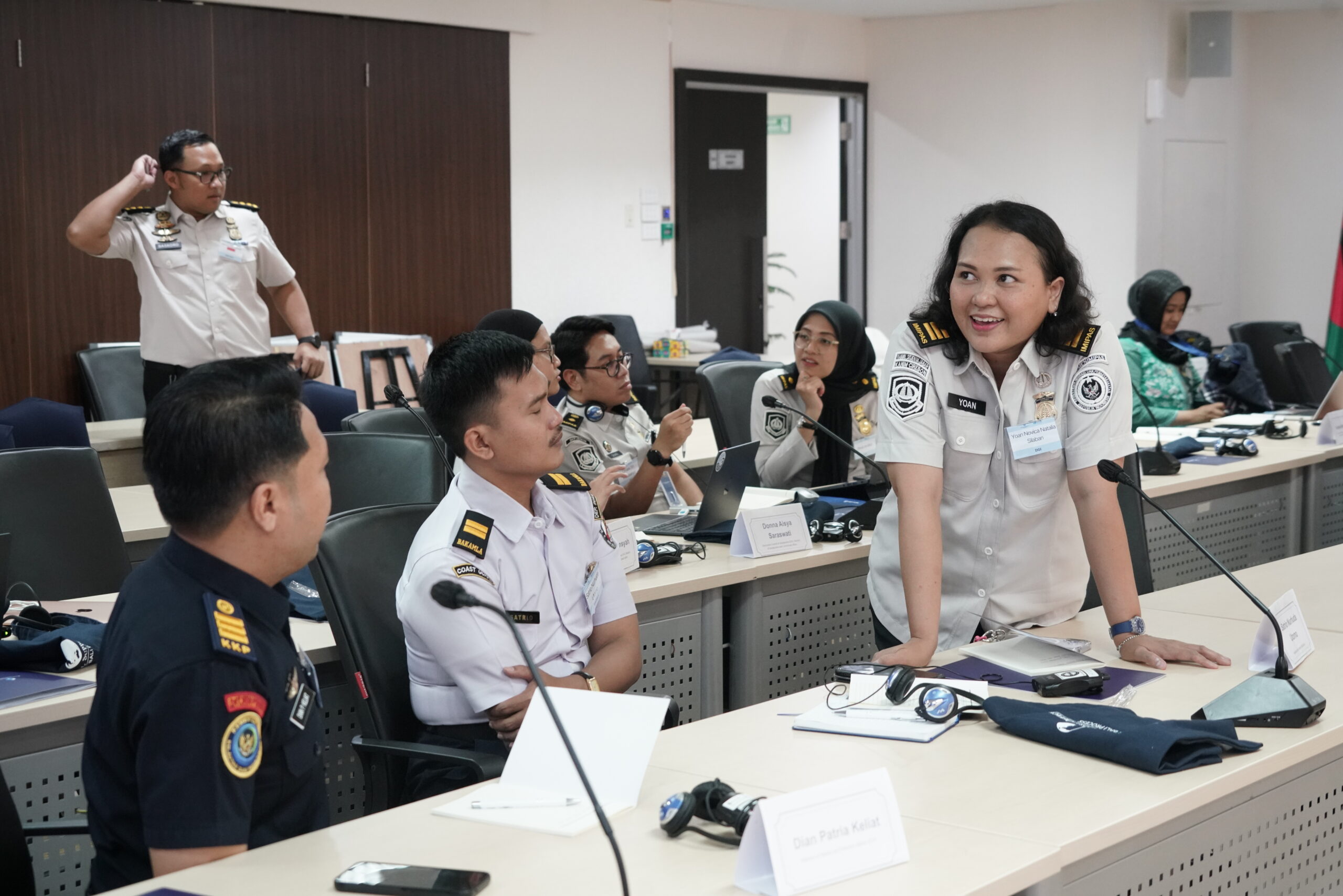

19-20 November • Hanoi, Viet Nam
Multilateral engagement and cooperation is central in advancing regional action to improve migration management and enhance responses to counter people smuggling and trafficking in persons—facilitating shared understanding to strengthen responses, supporting improved protection for the most vulnerable, and supporting regional resilience in keeping pace with rapid advances in technology and its misuse.
Stakeholder engagement was set out as one of the eight core areas of cooperation under the Bali Process 2023 Adelaide Strategy for Cooperation, with the directive to ‘strengthen collaboration with regional organisations, including ASEAN, and relevant consultation initiatives, to foster cooperation and policy dialogue’.
The Regional Support Office of the Bali Process (RSO) engages actively in opportunities to discuss common challenges and priorities, with some recent examples of regional coordination to take forward shared objectives including:
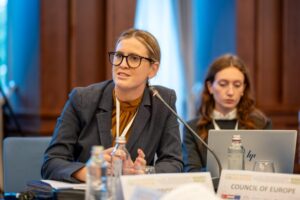
The RSO participated in the Sixth COMMIT Inter-Ministerial Meeting and Regional Taskforce Meeting which brought together Mekong governments and partners to strengthen response coordination.
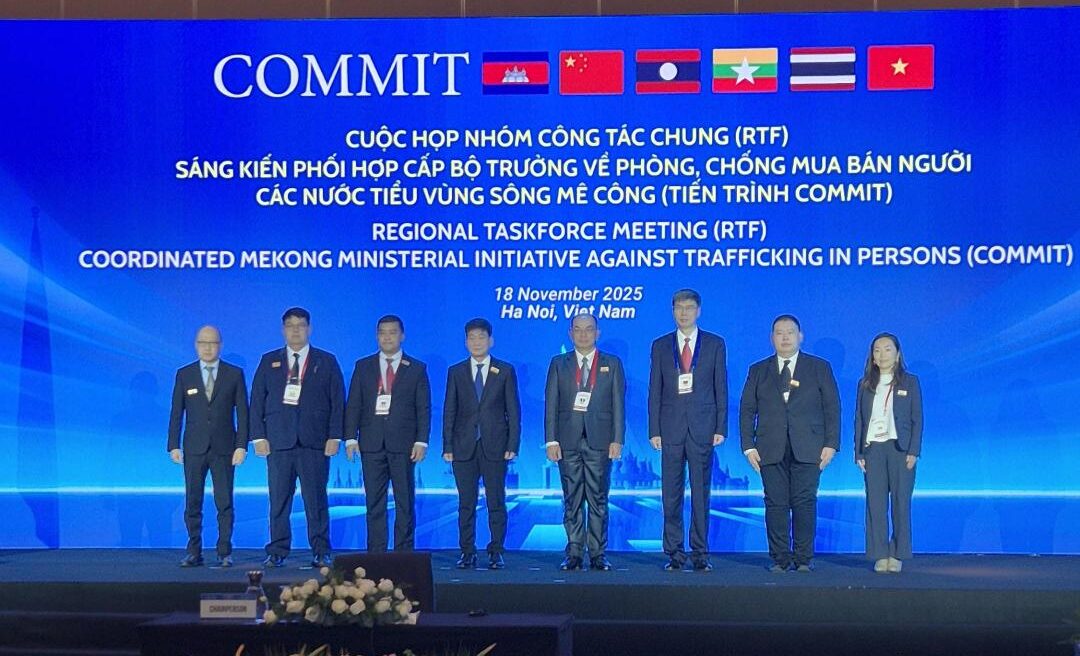 The RSO presented on ‘Strengthening Cooperation among Regional Mechanisms and Platforms to Address Technology-Facilitated Trafficking in Persons,’ highlighting the value of multilateralism in addressing tech-facilitated trafficking in persons, and highlighting potential areas of partnership between COMMIT Members and the RSO moving forward, particularly regarding joint training and capacity building initiatives.
Philipoff Events PLTD
The RSO engaged with partners at the 37th Senior Officials Meeting of the Budapest Process over 26-27 November in Istanbul, Türkiye, where discussions reinforced how deeply interconnected today’s migration realities are across the Silk Routes, South-West Asia, and beyond.
Common challenges identified include the rise of new exploitation forms such as online scam-centre criminality, the shifting profile of victims, including children and multilingual youth targeted for forced criminality, the compounding effects of conflict, climate impacts and economic insecurity and the increasing sophistication of transnational organised crime.
Partners highlighted the need for strong legal frameworks, intelligence-led, proactive investigations, deeper international cooperation, rights-based approaches that centre victims and vulnerable populations and solutions built across whole routes, not just national borders.
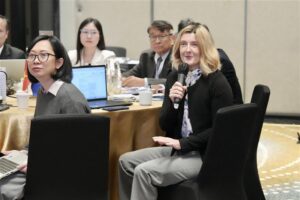 The RSO was participated in the Regional Consultation Workshop on Strengthening the Non-Punishment Principle in Trafficking for Forced Criminality, convened by the Intergovernmental Commission on Human Rights (AICHR) and the ASEAN Senior Officials Meeting on Transnational Crime (SOMTC) with support from ASEAN-Australia Counter Trafficking in Jakarta, Indonesia on October 30-31.
The room warmly congratulated Timor-Leste on its ascension as the 11th ASEAN Member State and welcomed its commitment to advancing collective action against trafficking in persons. Participants included ASEAN Member States, civil society organisations from the region, international partners, and survivor leaders, joining in persons and online, who all contributed practical recommendations to refine draft ASEAN Indicators for forced criminality, and training materials to support the implementation of the Non Punishment Principle in cases of forced criminality.
The RSO participated in the 13th INTERPOL Global Conference on Human Trafficking and Migrant Smuggling for Expert Groups in Lyon, France over 9-10 December, which brought together 172 participants from 74 countries. Discussions highlighted the growth in poly-criminality as a priority challenge for law enforcement, and the need to strengthen coordinated and integrated responses to agile and increasingly well-funded criminal operations—who are able to shift operations and tactics depending on where opportunity, risk and profit are most present.
The RSO presented on a panel session: ‘Holistic efforts in combating human trafficking and smuggling of migrants’, recognising the criticality of partnerships working, sharing resources and expertise to maximise reach and impact, and promote effective disruption to organised criminal enterprises. The RSO has been proud to partner and provide support to the Asia hub of INTERPOL’s Liberterra and Storm Makers Operations for the past three years—through technical capacity support and expertise, and through support for operations and facilitating the participation of Bali Process Member States. The RSO looks forward to continued close partnership going forward.
The RSO participated in the G7 Subject Matter Experts’ Dialogue 9-10 December 2025 in Ottawa, Canada, joining a range of cyber-scam centre response experts and representatives from across Bali Process Member States to discuss the development of an action plan for responding to cyber-scam centres.
The Dialogue brought together governments, international organisations, and private sector partners for the first G7-convened discussions focused specifically on cyber-scam centres. The dialogue reflected the scale and increasingly global impact of the challenge, with discussions centred on how cyber-scam centres sit at the intersection of trafficking for forced criminality, financial crime, and technology governance – and why siloed responses are currently limiting impact.
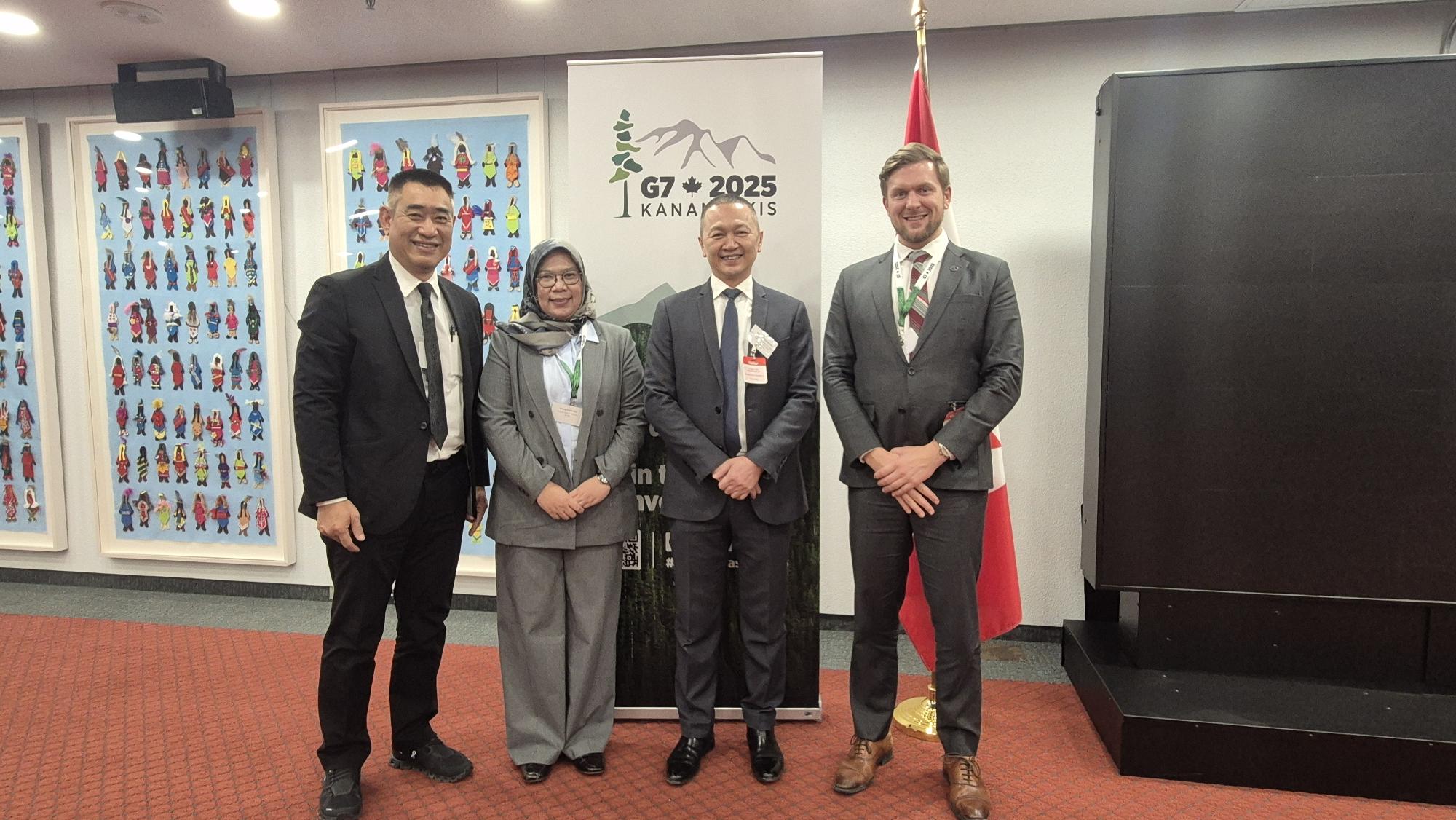
The RSO presented on the trafficking situation linked to cyber-scam centres, outlining work the RSO has undertaken to date in response and sharing findings from recent research on recruitment practices, trafficking patterns, and the abuse of technology to facilitate exploitation. In line with broader discussions at the Dialogue, the RSO underscored the need to strengthen coordination across diplomatic responses, victim protection, financial disruption, and law enforcement, and will continue working with partners to support more aligned, practical, and sustained responses.