
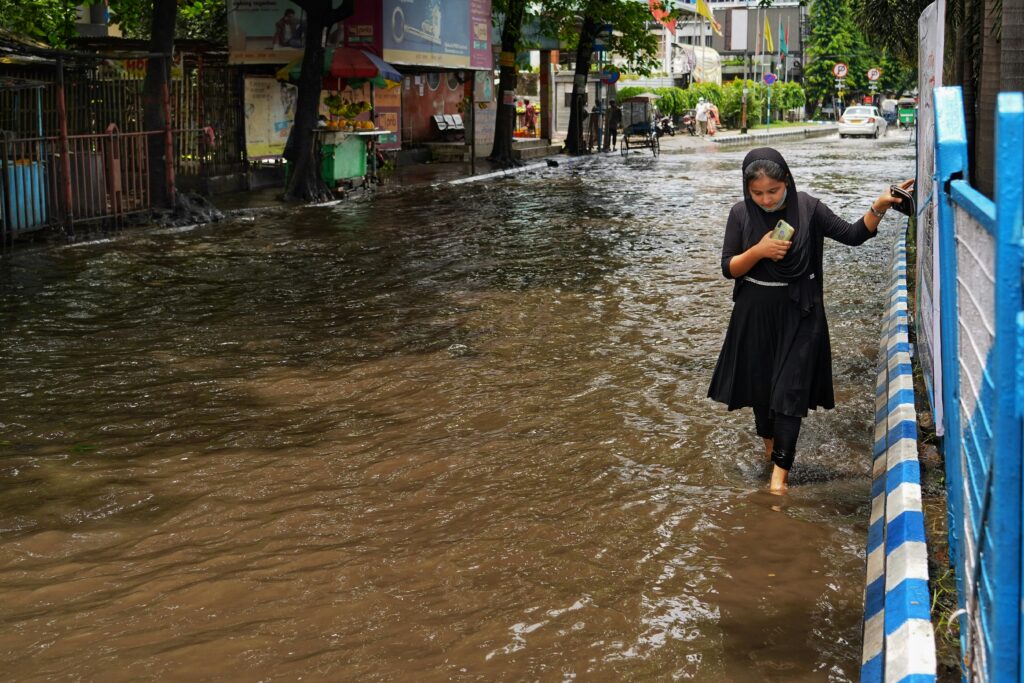
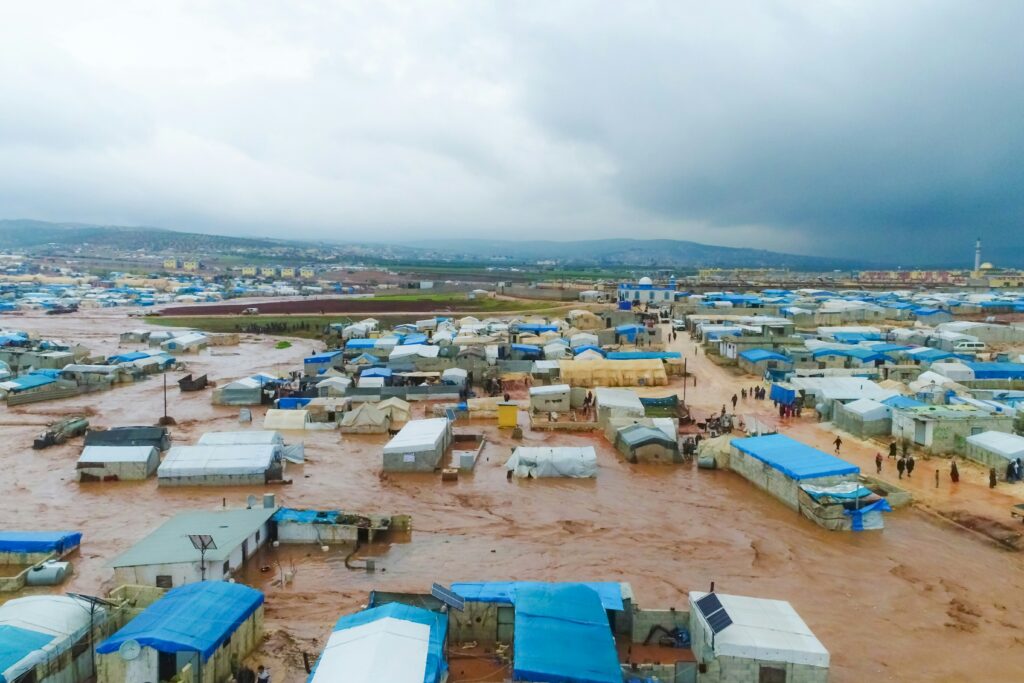
In August 2025, relentless monsoon rains swept through Bangladesh, a country consistently ranked among the world’s most disaster affected countries. In Cox’s Bazar, nearly 2,000 shelters were destroyed in refugee camps by floods and landslides, leaving already displaced persons exposed to heightened risk. Relief workers described how access roads were cut, water and sanitation facilities inundated, and health services stretched thin. For many, the lack of formal documentation meant their protection options were limited.
For the most vulnerable, natural disasters and humanitarian crises can widen protection gaps as they collide with existing displacement and transit dynamics. Loss of shelter, livelihoods, or documentation leaves people harder to identify and assist, while sudden movements complicate screening and referral processes. This places additional strain on border, immigration, health, and humanitarian systems that are already stretched, underscoring the need for coordinated regional preparedness.
When shelter, infrastructure, or essential services are disrupted in displacement settings, the risk of exploitation rises. Smugglers and traffickers often exploit these heightened vulnerabilities, presenting themselves as alternatives where formal pathways are overstretched or inaccessible. This dynamic of heightened vulnerability among affected people and communities has been evident following recent monsoons in Bangladesh and cyclones in Myanmar, and as instances of extreme weather increase across the region, so too do the challenges for authorities managing mixed movements.
The Asia Pacific contains seven of the fifteen countries most at risk of disaster according to the World Risk Index 2024, while the UN Refugee Agency’s (UNHCR) Asia and the Pacific Regional Trends 2023 report found that more than 4.1 million people remained displaced by conflict, humanitarian or natural disasters across the region, often for prolonged periods. These trends are echoed in the International Organization for Migration’s (IOM) Asia-Pacific Migration Data Report 2023, which highlights that disasters compound other drivers such as conflict and economic pressures, creating increasingly complex mobility patterns.
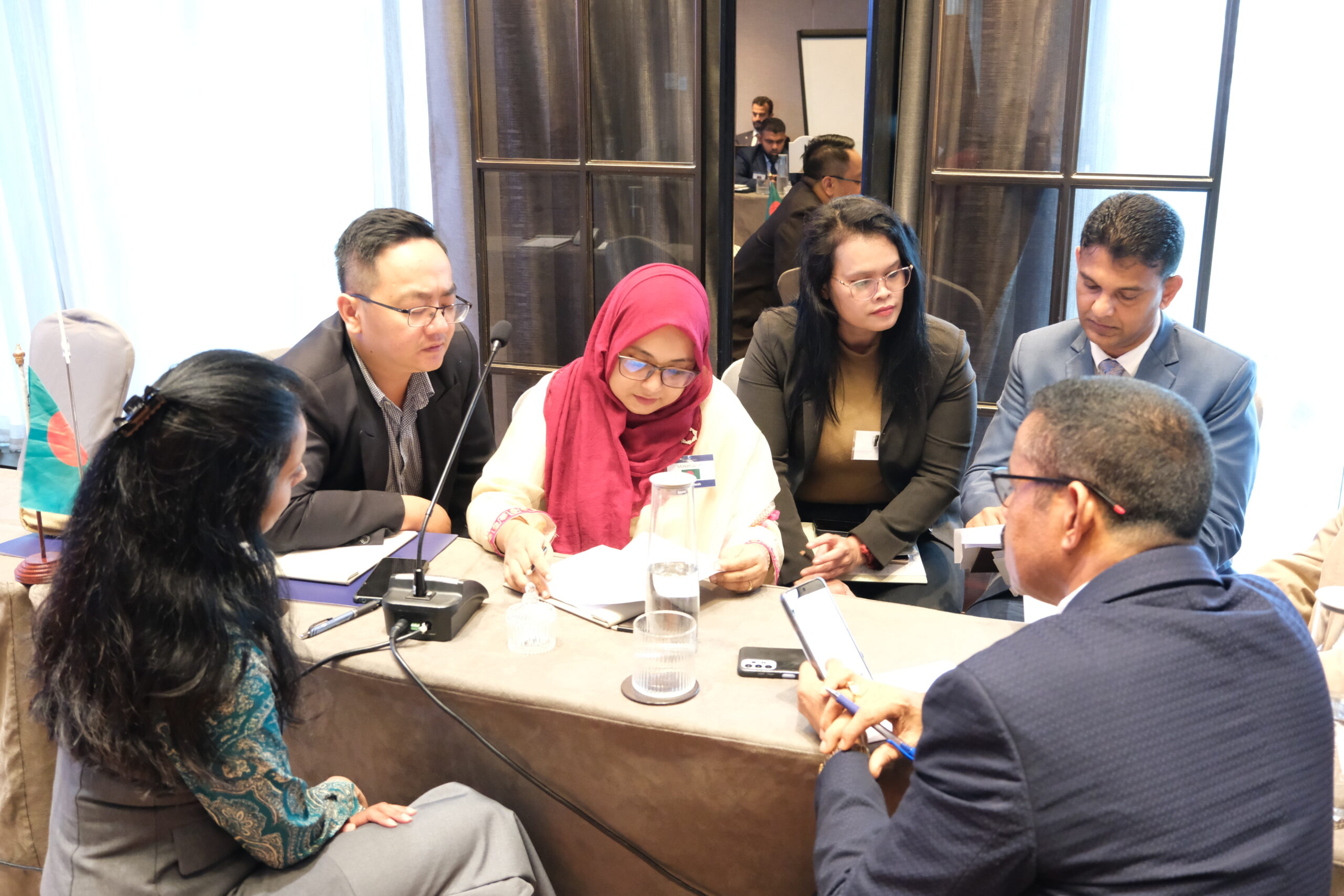
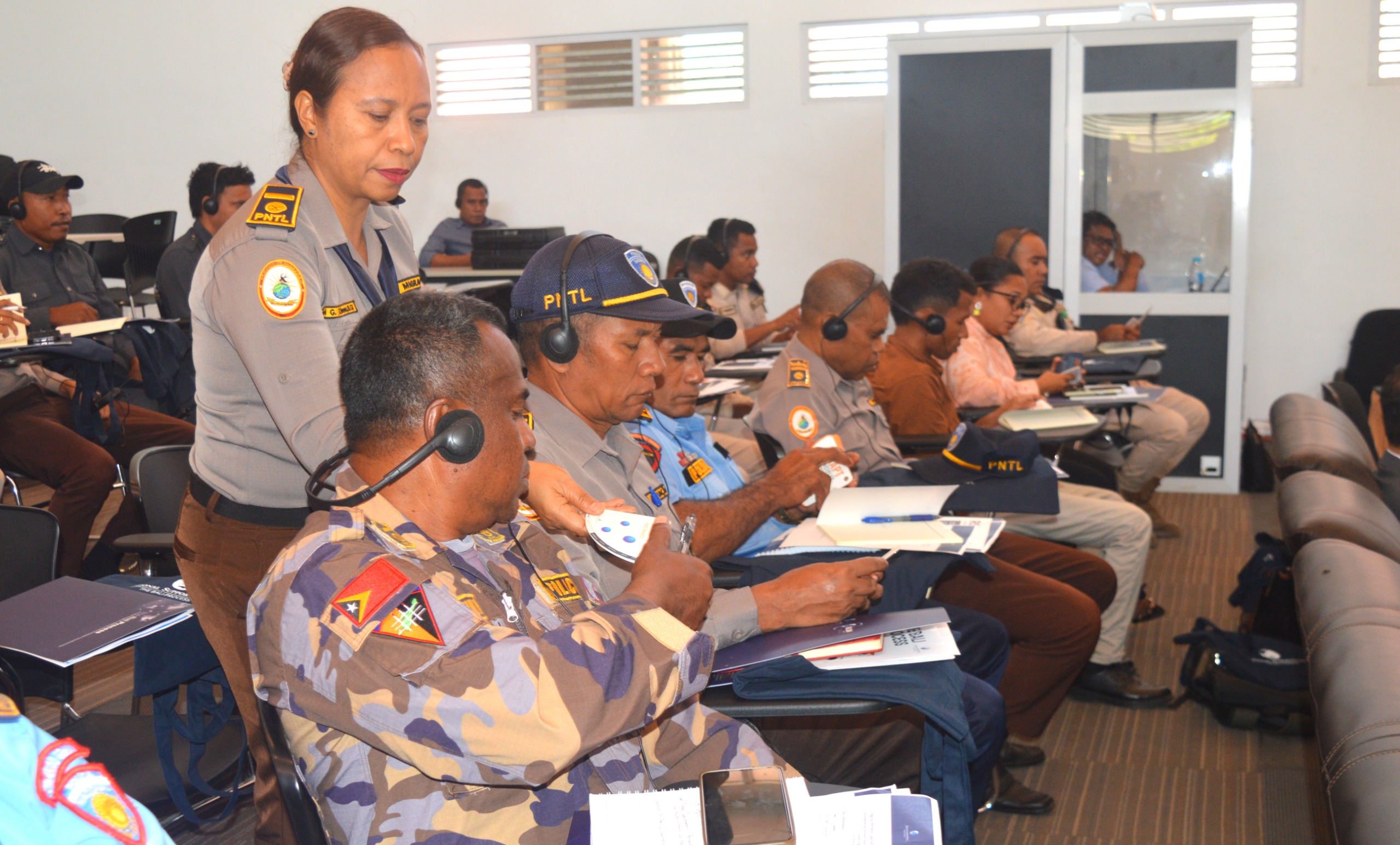
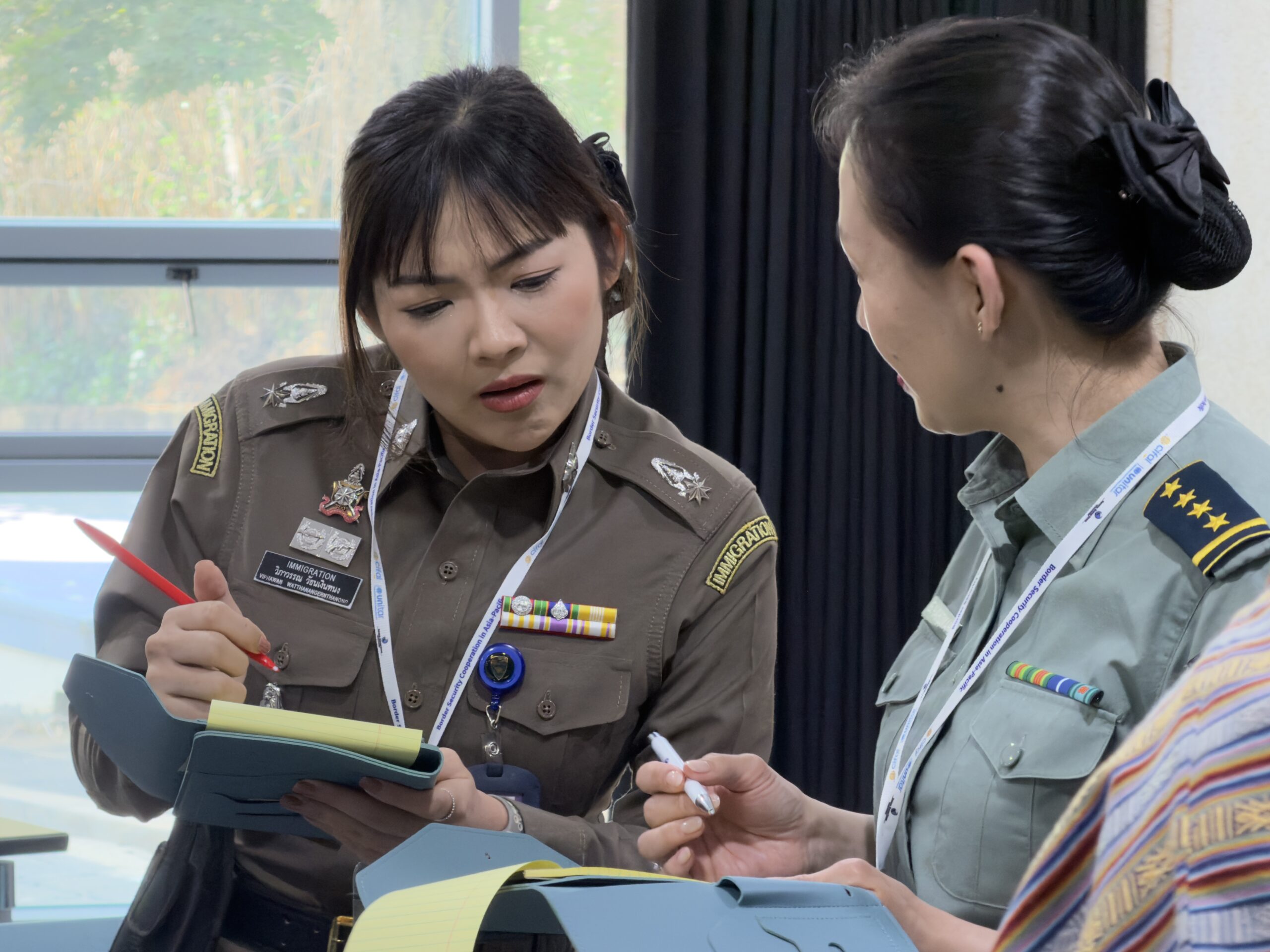
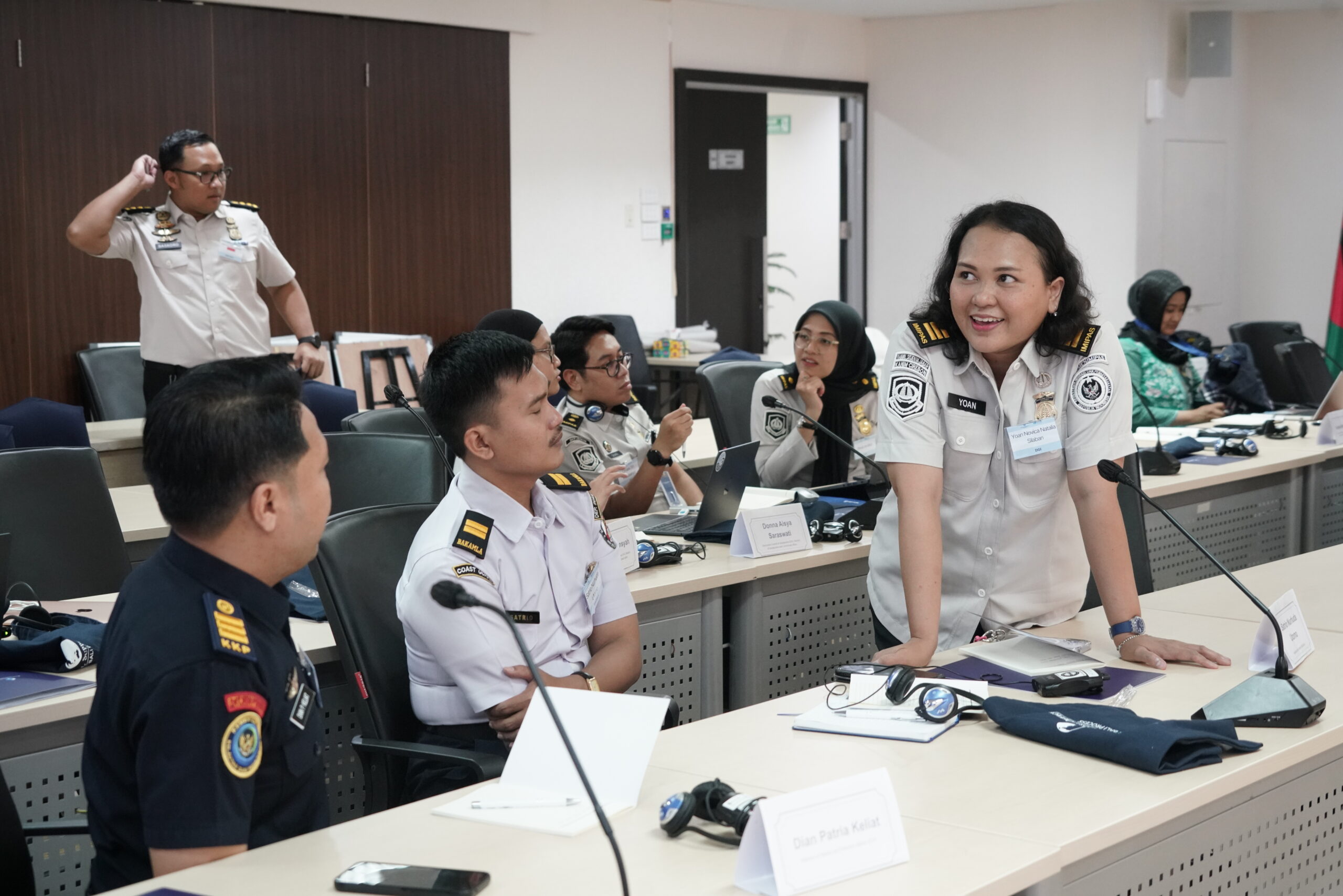
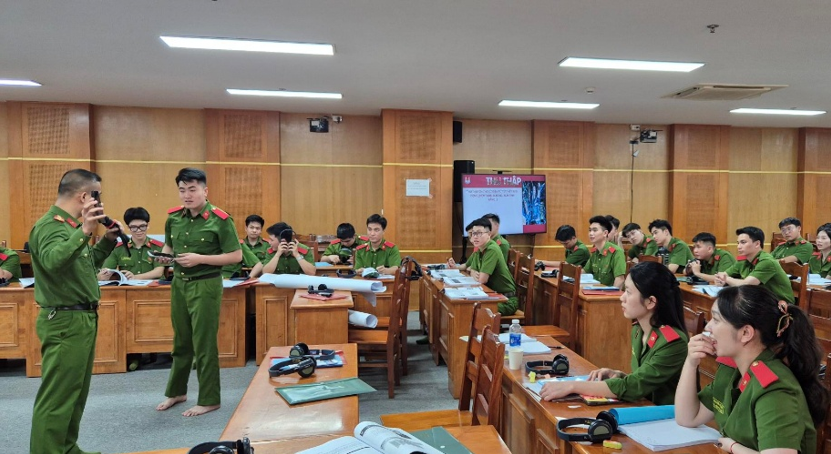
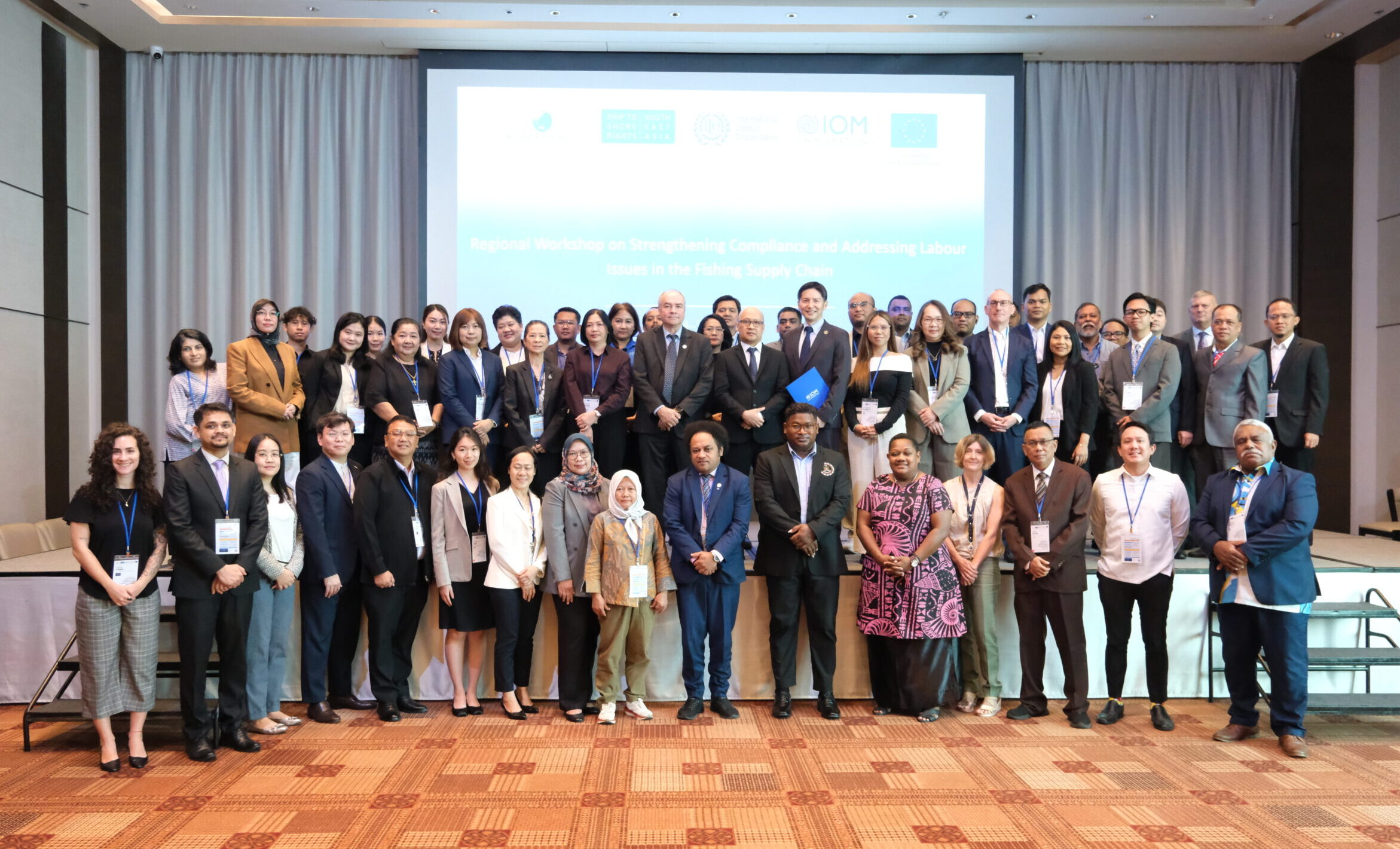
This growing intersection of disasters and irregular migration is why the Regional Support Office of the Bali Process (RSO) convened the Crisis Preparedness Forum in Bangkok over 30 September–1 October 2025. Building on commitments made at the Eighth Bali Process Ministerial Conference in 2023 in Adelaide, the Forum provides a platform for Members, representing a broad range of challenges across the Asia Pacific, to share experiences, stress-test contingency planning, and review protection-sensitive approaches. Through dialogue, shared tools, and scenario exercises, the Forum aims to strengthen Members’ efforts in collectively preparing for emergency irregular migration situations that no state can manage alone.
Already, Members are exploring innovative solutions that complement existing response systems. Protection-sensitive contingency planning, for example, can help support identification of persons who may be in a vulnerable situation including during sudden movements. Flexible surge financing offers authorities with rapid access to resources for legal aid and victim support when crises strike. Strengthening civil registration systems make it easier to include undocumented, stateless or hard-to-reach populations in relief efforts, while also reinforcing long-term stability.
At the same time, improved data sharing can provide early warning and give decision-makers the evidence they need to respond quickly. Together, these approaches demonstrate how practical cooperation can enhance national frameworks in ways that respect sovereignty. They are not prescriptions, but examples of how Member States might adapt innovative tools to strengthen resilience and promote protection centred disaster response.
As key points of passage along regional migration routes, transit states such as Indonesia, Malaysia, and Thailand not only host large numbers of undocumented migrants but also as destination countries, significant populations of irregular workers who move in and out of legal status depending on changing circumstances. These groups often fall outside of public service systems and lack legal status, leaving them especially vulnerable during crises. During the COVID-19 pandemic, for example, irregular migrants in several countries faced barriers to testing and vaccination. Disasters that destroy housing and impact civil registration systems further complicate identity verification, increasing risks of detention or exclusion from aid.
For host governments, this combination of large undocumented populations and disaster risk creates acute operational strain. Authorities must respond quickly to protect lives while managing already stretched health, housing, and border systems. The absence of reliable data or legal frameworks for these groups makes coordination harder, increases costs, and can generate tension between immediate humanitarian needs and long-term migration management priorities.
The 1951 Refugee Convention supports people fleeing persecution or conflict to access protection, legal status, and basic rights such as shelter, health care, and education. These guarantees are especially relevant when disasters intersect with existing displacement, leaving large populations without documentation or access to services. Although not all states are parties, governments in the region do actively participate in intergovernmental cooperation mechanisms and legal frameworks that address Trafficking in Persons and refugee protection, including the Bali Process, the ASEAN Convention Against Trafficking in Persons, and the Palermo Protocol. These mechanisms provide space for voluntary collaboration in politically sensitive areas and can advance practical tools to support referral procedures, victim identification, and contingency planning guides.
Disasters intersect with existing migration pressures in ways that create overlapping risks for governments, communities, and people on the move. For transit states, this convergence does not present a single challenge but a cluster of linked pressures that compound one another. Four stand out as particularly pressing, each with direct implications for policy and preparedness:
- Prolonged hosting. Transit states are increasingly long-term hosts. A recent study of migrants in Phuket, Thailand showed the median stay could reach eight years, with individuals moving between regular and irregular status due to factors often outside their control and the precariousness of their work or living situation.
- Service strain and exclusion. Migrants often fall outside disaster responses, forming an ‘unseen‘ affected group. This initial exclusion from shelter, health care, and access to livelihoods heightens vulnerability and forces reliance on informal or exploitative coping strategies.
- Exploitation risks. Smuggling networks adapt quickly when governance is weakened. Following the 2015 Nepal earthquake, traffickers used fake NGOs to recruit displaced women and girls, and after Cyclone Mocha in 2023, UN Women documented increased targeting of women and children in Rakhine State, Myanmar, demonstrating that men and women experience the fallout from crisis differently.
- Local discontentment. Communities already under strain may see tensions rise if it is perceived that migrants are competing for jobs or services. While many, such as in Aceh, Indonesia has historically responded with generosity, sustained pressures risk eroding social cohesion and creates a challenging environment for municipalities and community-based organisations who are often the first responders.
Meeting these challenges requires progress on four priorities: better information sharing, stronger civil registration systems, clear shared response mechanisms, and joint contingency planning to anticipate regional spillovers.
It is important to recognise that against this backdrop of challenges, governments across the region have made significant progress. Several have already developed approaches that help balance sovereignty with protection needs. These promising practices provide valuable models and practical lessons to consider:
- In 2025, Thailand extended civil registration and a legal route to citizenship for eligible children born to stateless and undocumented parents. Long-term, polices like this improve access to healthcare, education, and disaster relief, reducing exclusion and supporting stability.
- Australia and Tuvalu have established the Falepili Union Treaty, creating a special mobility pathway for Tuvaluan citizens to live, work, and study in Australia. The agreement, signed in November 2023, recognises climate and disaster risk and demonstrates regional solidarity.
- The Philippines has integrated disaster risk reduction with migration planning. During typhoons and floods, civil defence agencies coordinate with immigration and labour authorities to align evacuation lists with migrant populations, ensure checkpoints recognise valid permits, and adjust border measures to reflect humanitarian needs.
- Fiji and Vanuatu have embedded human mobility in national climate adaptation plans under the Pacific Regional Framework for Climate Mobility. This anticipates future relocation needs, guides community consultation, and integrates planned mobility into resilience strategies.
These cases show that balancing sovereignty with humanitarian imperatives is possible, and they provide practical models for wider regional learning.
Practical cooperation can help address the challenges outlined above. Protection protocols could be built into contingency planning led by regional mechanisms such as the ASEAN Coordinating Centre for Humanitarian Assistance on disaster management (AHA Centre). Donor partners could explore flexible surge financing for victim support and legal aid during sudden crises. Temporary humanitarian visas or entry schemes could reduce reliance on smugglers. Vulnerability-based minimum protection standards could provide interim safeguards while long-term solutions are developed. Better integration between humanitarian non-state actors as auxiliaries, like Red Cross and Red Crescent Societies, help can increase state capacity to respond.
Enhanced real-time data sharing through platforms such as the IOM Displacement Tracking Matrix and Mixed Migration Centre dashboards can strengthen situational awareness and early warning. Protection-sensitive tools such as rapid victim identification, mobile registration, and community-based reporting have shown promise in past emergencies and could be scaled up across the region.
Equally, a routes-based approach remains essential to ensure responses address not just individual states but the full journey of people on the move, including at points of origin, transit, and destination.
The RSO was established in 2012 to operationalise the Bali Process Regional Cooperation Framework. It delivers on this mandate by strengthening cooperation among Member States through capacity-building, knowledge exchange, and the sharing of information and good practice. The RSO also brings practitioners together through a regular programme of training activities, workshops, events, and roundtables.

The Crisis Preparedness Forum is an example of this role in action and reflects commitments in the RSO’s Strategic plan and Work Plan 2024-2026 by providing a space for Members to collectively test approaches, and links national experiences to regional dialogue. By enabling cooperation without undermining sovereignty, the Forum fills a gap in preparedness for disaster-driven irregular migration.
Disaster-linked displacement is no longer a temporary concern but a structural reality for the Asia-Pacific. Transit states are at the forefront but cannot manage these challenges alone. Regional solidarity, expressed through information sharing, joint contingency planning, and protection-sensitive approaches, will be essential.
The Crisis Preparedness Forum offers Member States the chance to build that solidarity. By preparing together now, the region can ensure that future crises are met with responses that respect sovereignty, strengthen resilience, and protect the dignity of people on the move.