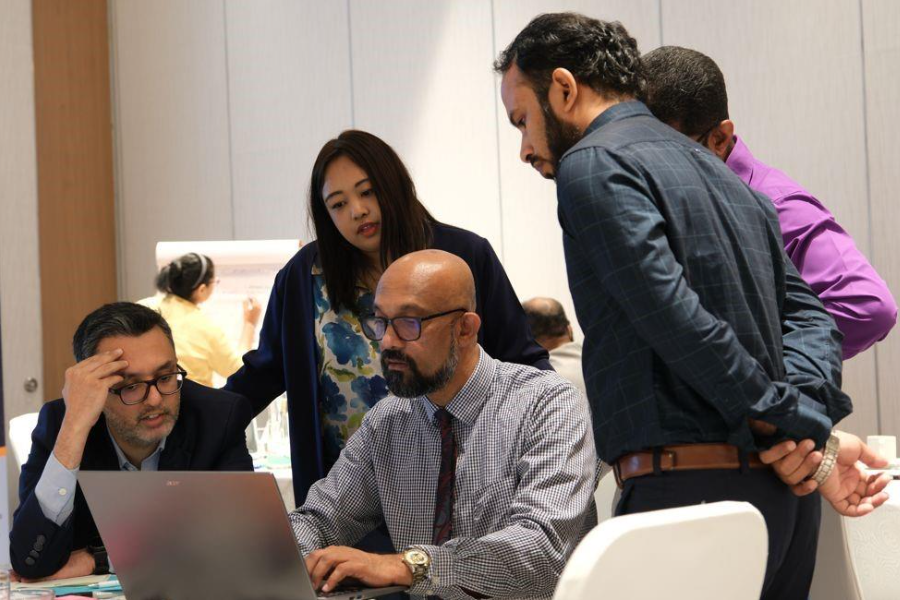

19 August 2025 • Jakarta, Indonesia
A 2024 report by the Regional Support Office of the Bali Process on People Smuggling, Trafficking in Persons and Related Transnational Crime (RSO), Community Perceptions and Information Needs of Persons at risk of Irregular Migration in Bali Process Member States drawing on evidence from Bangladesh, Indonesia, Malaysia and Thailand, found that more than half of the individuals who venture on irregular journeys in South and Southeast Asia have unmet information needs prior to their journey.
 Irregular migration across South and Southeast Asia continues to evolve in scale and complexity, influenced by a combination of factors including economic hardship, conflict and violence, natural disasters, cultural drivers, and increasingly sophisticated transnational crime networks.
Indonesia stands as both a country of origin for migrant workers and a key transit hub for individuals moving onward to neighbouring countries. While labour migration—particularly along the Indonesia-Malaysia corridor—provides critical opportunities for economic advancement, it also exposes individuals to heightened risks of exploitation and abuse when undertaken through irregular channels.
Over 2020-2024, some 4,300 Indonesians were identified as victims of trafficking for forced-criminality into cyber-scam centres, lured by fake job advertisements and forced to carry out scams under coercive and, in many cases, prison-like conditions.
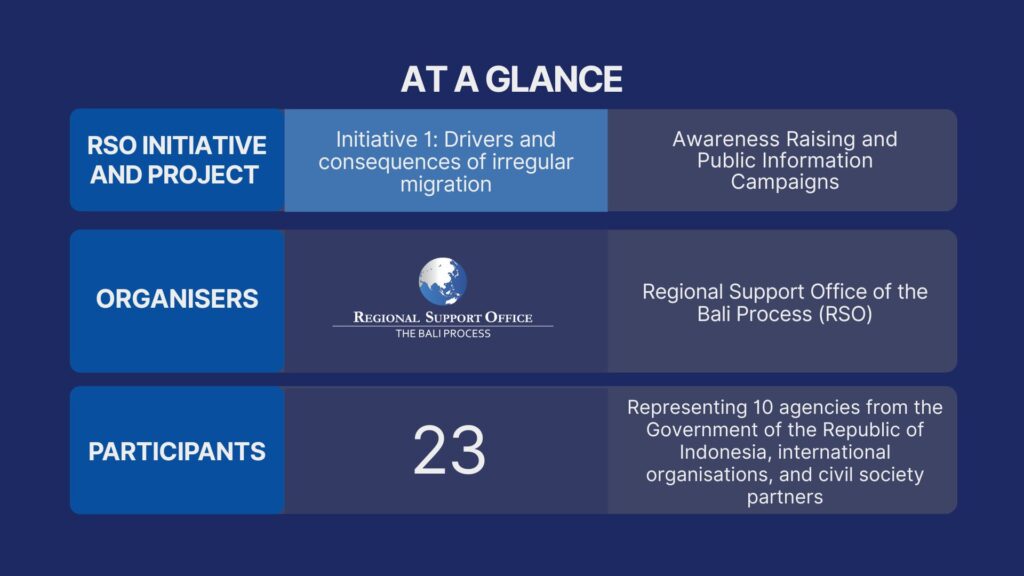
The RSO convened a half-day Panel Discussion on Migration Realities in Indonesia on 19 August 2025 in Jakarta as part of the Member State Spotlight: Indonesia series, drawing on country-level findings from the Assessment and providing an opportunity for national government counterparts to discuss responses and opportunities to enhance approches.
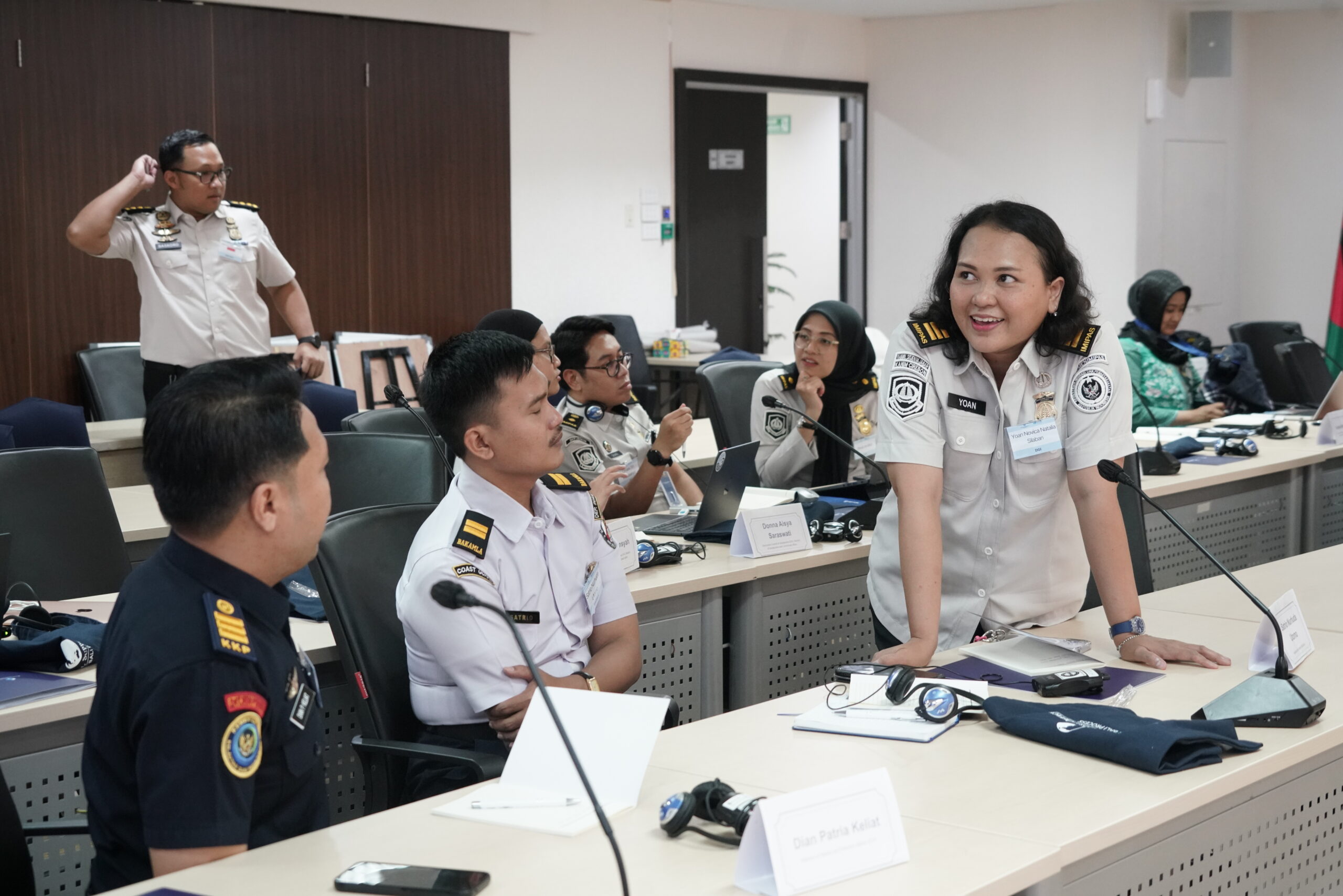
The panel brought together 23 participants from five Indonesian government agencies, including the Attorney General’s Office, the Ministry of Immigration and Corrections, the Indonesian National Police, the Ministry of Foreign Affairs, and the Ministry of Women’s Empowerment and Child Protection. It also included representatives from international organisations and civil society partners, including the International Labour Organization (ILO) Country Office for Indonesia and Timor Leste, the Mixed Migration Centre (MMC), the International Justice Mission (IJM) Indonesia, the United Nations Office on Drugs and Crime (UNODC) Indonesia Office, and the United Nations Refugee Agency (UNHCR) Indonesia.
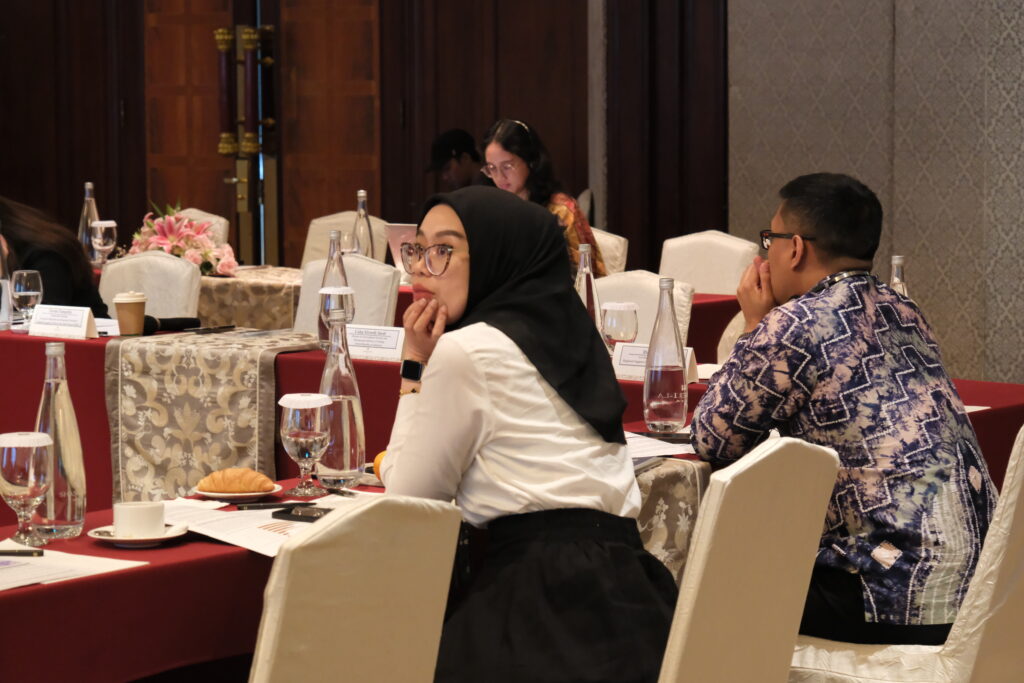
An individual with lived experience of being in an irregular situation and then trafficked shared her insights with participants, highlighting the stark realities that people who may be in vulnerable situations face when making the difficult decision to embark on an irregular migration journeys.
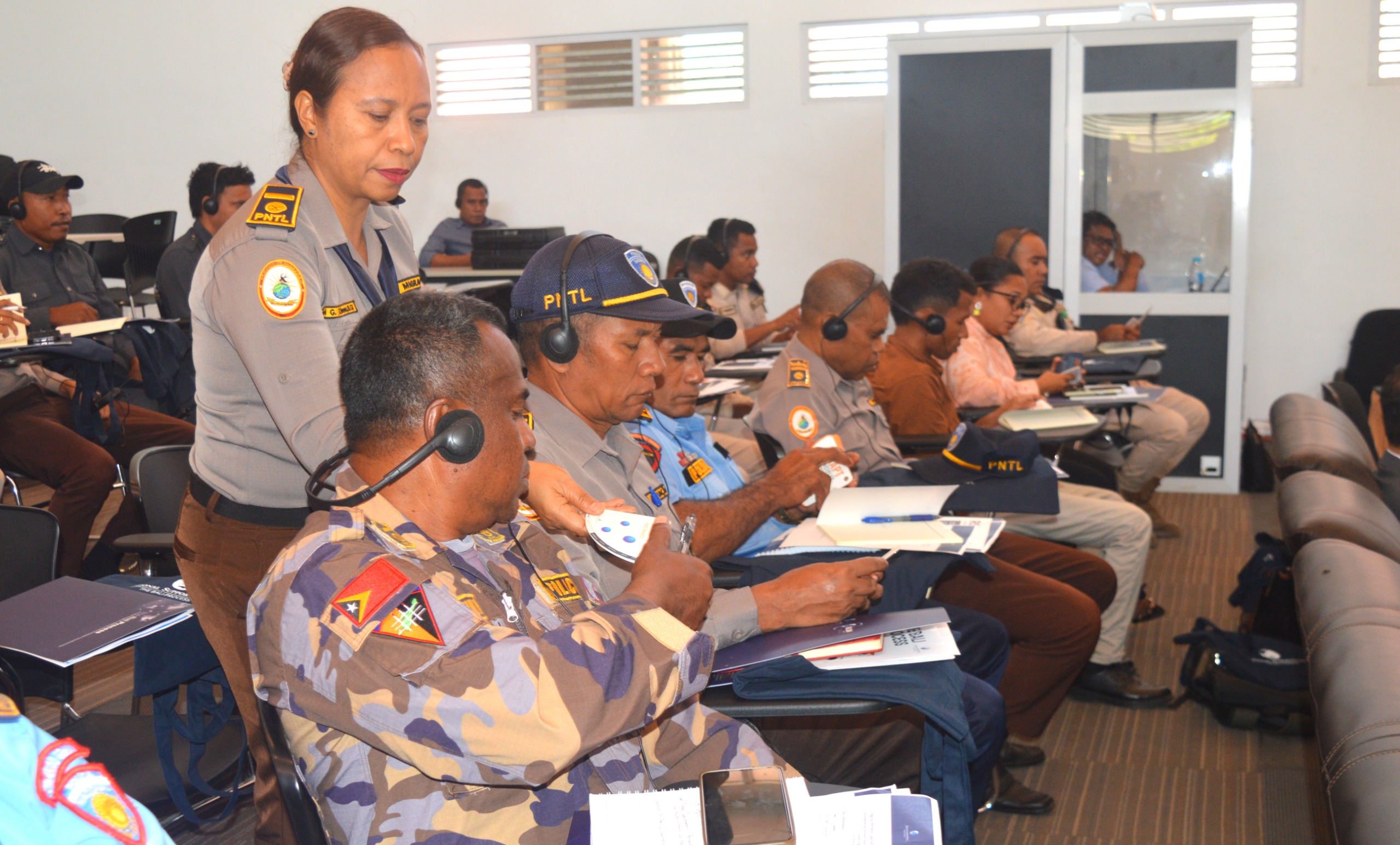
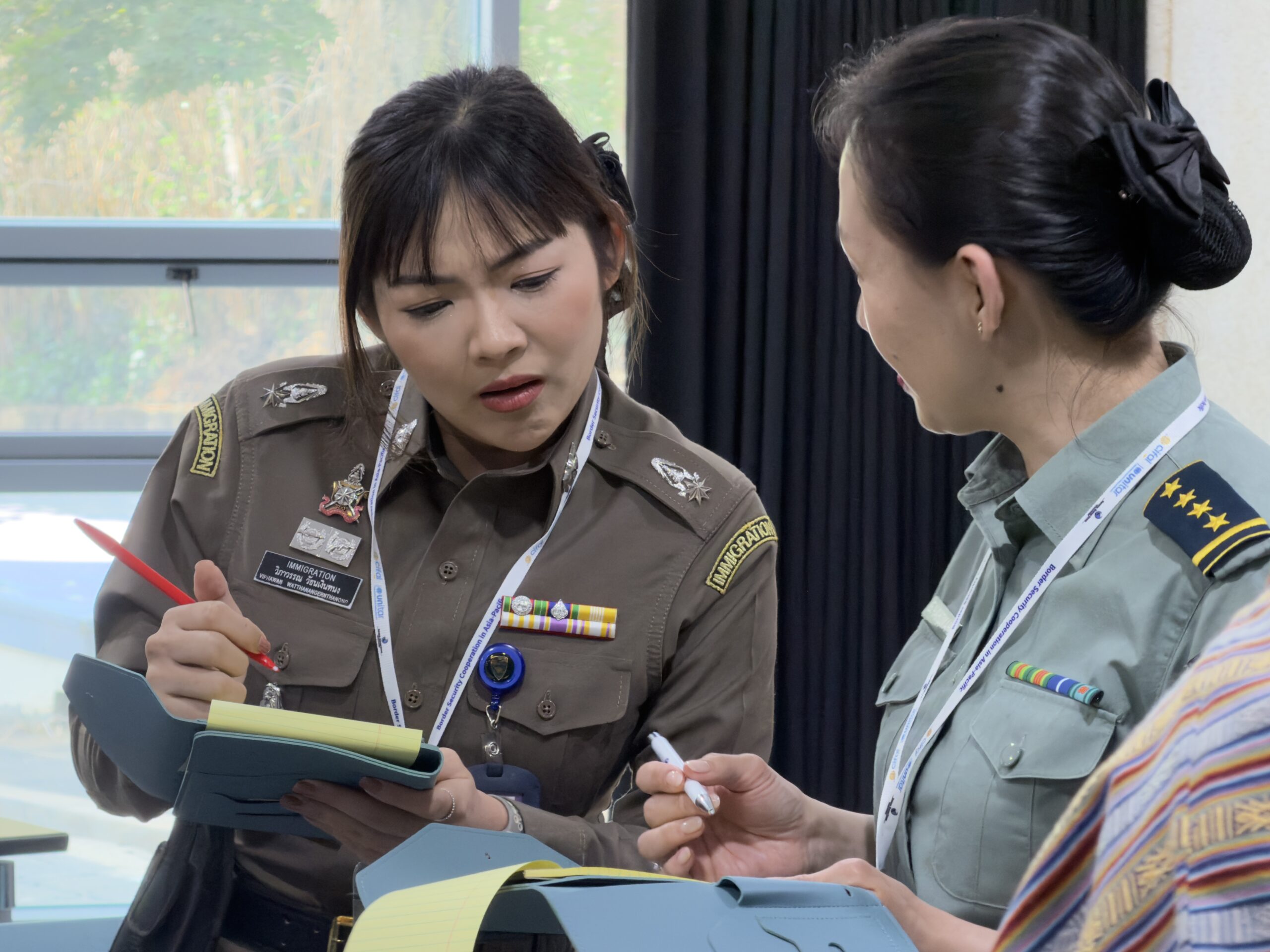
Following the panel, participants engaged in an open discussion where they exchanged information, and discussed challenges to address key migration issues concerning Indonesia. This interactive format fostered peer learning across sectors, encouraged candid exchanges on operational challenges, and allowed participants to identify common ground for collaboration.
“The Panel Discussion on Migration Realities in Indonesia builds on the findings relevant to Indonesia from the RSO’s publication, Community Perceptions and Information Needs of Persons at Risk of Irregular Migration in Bali Process Member States. This report looks at Indonesia as a country of origin of migrant workers along the Indonesia – Malaysia labour migration corridor, which is characterised by a high degree of irregularity. Representing an important step forward in our commitment to understanding the perceptions and rationale behind the irregular migration trends we are witnessing, this report tells the stories of 82 Indonesian migrants in irregular situations in Malaysia. These perceptions should be an important consideration in our policy and decision-making processes.” -Devmi Dampella, Programme Manager (Irregular Migration and Regional Priorities)
 Based on findings from the RSO and Mixed Migration Centre research report, Community Perceptions and Information Needs of Persons at Risk of Irregular Migration in Bali Process Member States: Evidence from Bangladesh, Indonesia, Malaysia, and Thailand—which draws on the lived experiences of more than 600 individuals, including 82 Indonesians in irregular situations in Malaysia—the panel sought to foster a collective understanding of Indonesia’s migration realities.
It also aimed to provide a platform for dialogue across relevant government agencies, international partners, and practitioners to inform more effective evidence-based policymaking and operational responses to irregular migration at both national and regional levels.
The report provides valuable evidence to better understand the motivations and decision-making processes of Indonesian nationals who undertake irregular migration. For example, the study revealed that 99 per cent of Indonesian respondents identified economic motivations as their primary reason for migration, reflecting how financial pressures and limited domestic opportunities continue to drive mobility decisions.
These aspirations persist even in the face of risks associated with irregular migration—although 45 per cent of respondents viewed irregular migration negatively, 98 per cent said they would still choose the same pathway knowing what they know now, indicating how deeply migration aspirations are embedded in Indonesia’s social fabric. More insights into the drivers and perceptions of irregular migration in Indonesia can be found in the Indonesia Country Profile (available in English and Bahasa Indonesia).


The Panel Discussion on Migration Realities in Indonesia underscored the value of convening national stakeholders and international partners to collectively analyse migration dynamics and consider practical pathways for action. In line with the RSO’s Work Plan 2024–2026, the outcomes of this event will contribute to ongoing efforts to enhance understanding and support evidence-based policy decisions in addressing the drivers and consequences of irregular migration, and reinforces Indonesia’s role as a critical partner in advancing regional cooperation under the Bali Process.