
17 – 18 November 2025 • Bangkok, Thailand
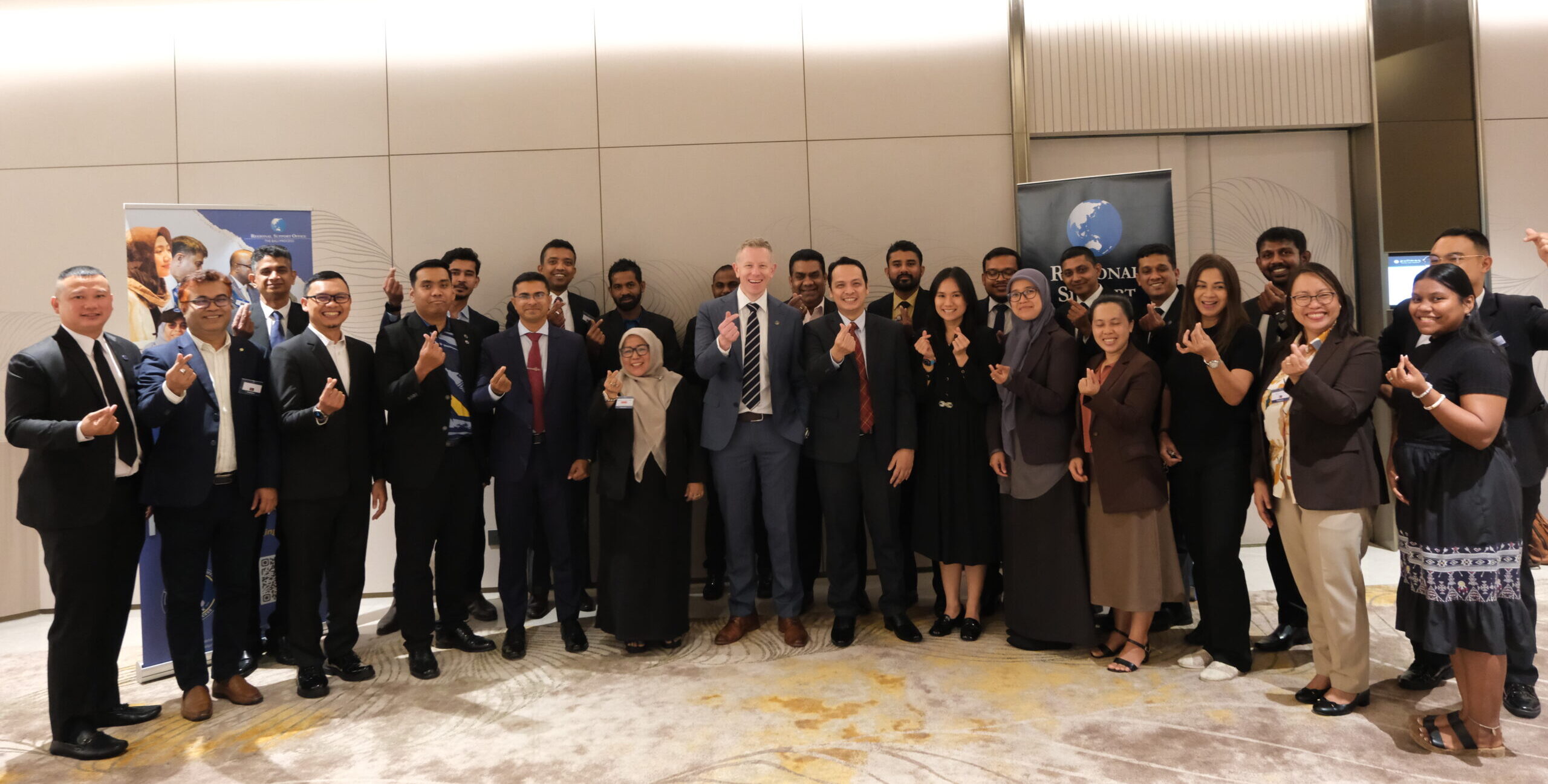
The RSO Alumni Camp 2025 convened 23 practitioners from nine Bali Process Member States in Bangkok, Thailand to strengthen leadership capability, deepen trusted regional networks, and collectively shape the future direction of the RSO Alumni Network—providing a dedicated space for alumni exchange.
As migration dynamics and transnational crime networks continue to evolve across the region, effective responses increasingly depend on adaptive leadership and strong cross-border relationships. The RSO 2025 Alumni Camp, held on 17–18 November in Bangkok, Thailand, brought together alumni from Bangladesh, Indonesia, Lao PDR, Malaysia, Maldives, Palau, the Philippines, Sri Lanka and Thailand to strengthen these foundations, creating an opportunity for practitioners to connect, share experience and engage ahead of the Fourth RSO Border Forum.
The two-day Camp provided time for structured leadership learning, alongside informal peer learning and exchange, and relationship-building—recognising that sustained regional cooperation is underpinned by trust, shared experience, and people-to-people connections.
Across the region, practitioners working across border management, immigration, law enforcement and maritime contexts bring strong technical expertise to their roles in irregular migration, countering people smuggling and trafficking in persons. The Camp was designed to complement this expertise by focusing on the interpersonal and adaptive leadership skills needed to lead teams, collaborate across agencies, and navigate complex operational environments.
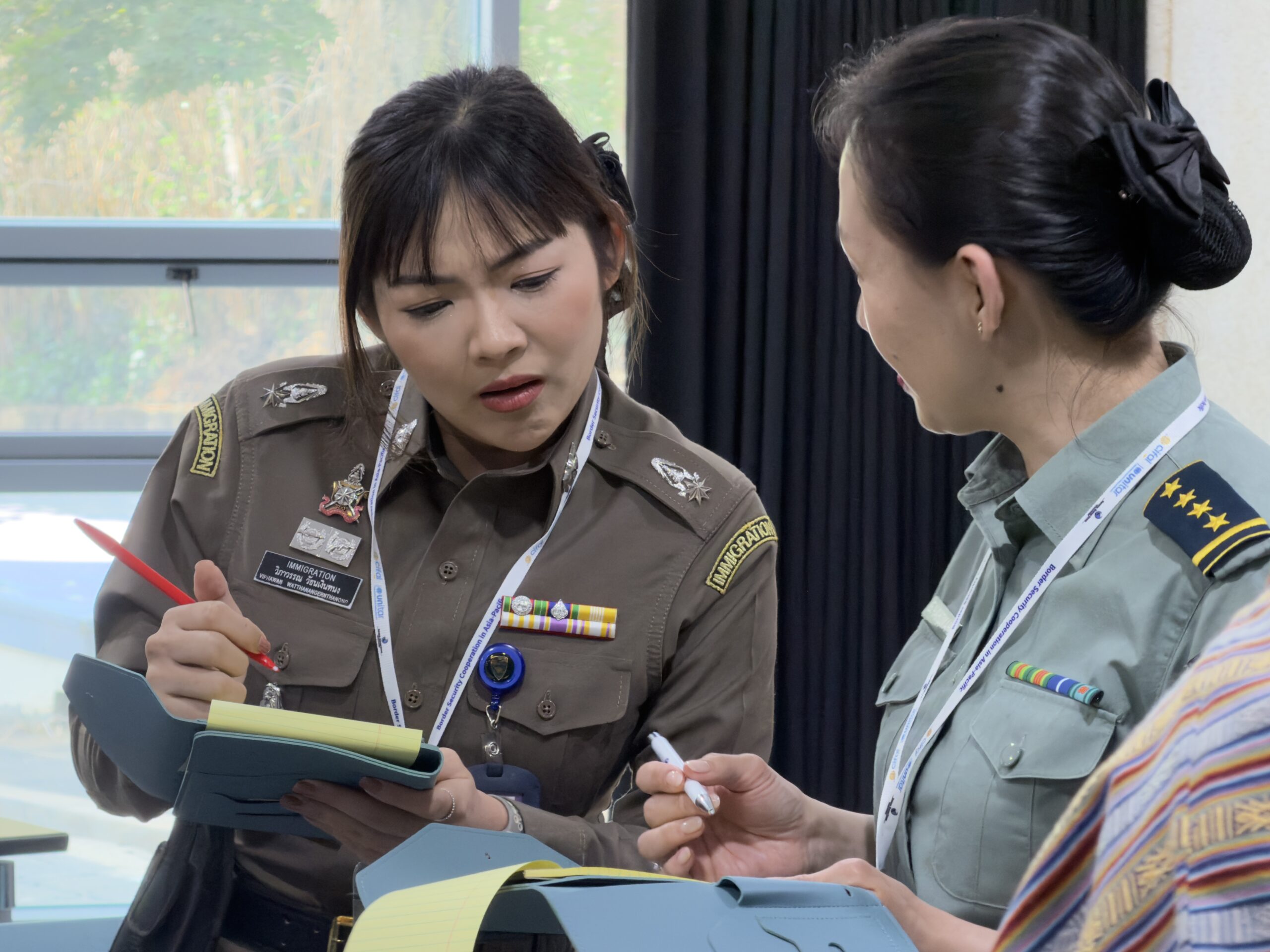
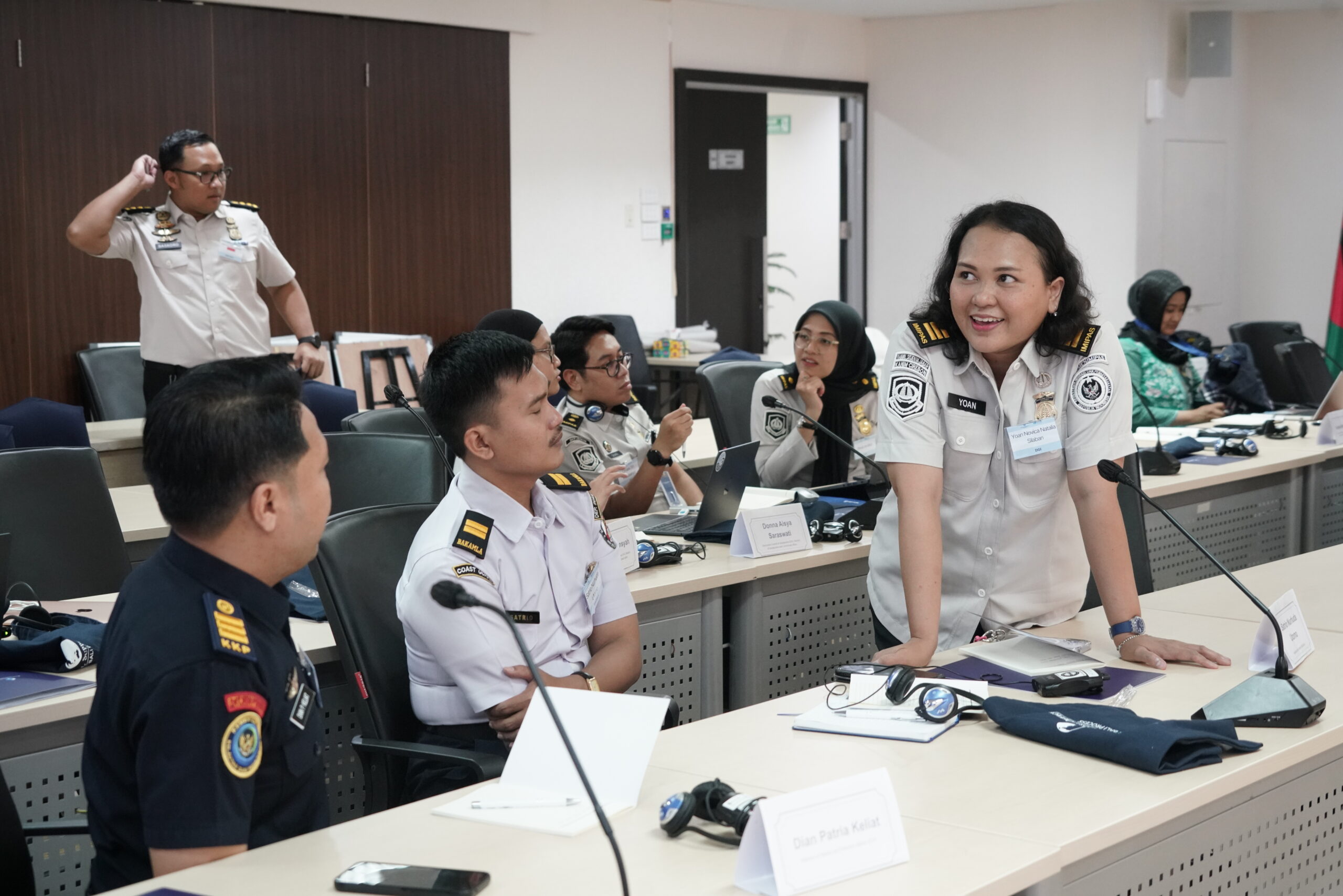
Interactive sessions focused on adaptive communication, courageous conversations and building psychologically safe teams. Participants explored practical leadership frameworks, including tools to identify personal leadership styles, recognise communication blind spots and approach difficult discussions with empathy and respect—skills directly applicable to operational and policy settings.
Day One of the Camp, themed Leading with Purpose and Presence, focused on building the self-awareness required to transition from technical expertise to people-centred leadership. Through a series of interactive sessions, participants explored their personal workstyles, communication preferences and unconscious biases, and reflected on how these influence professional interactions and decision-making. 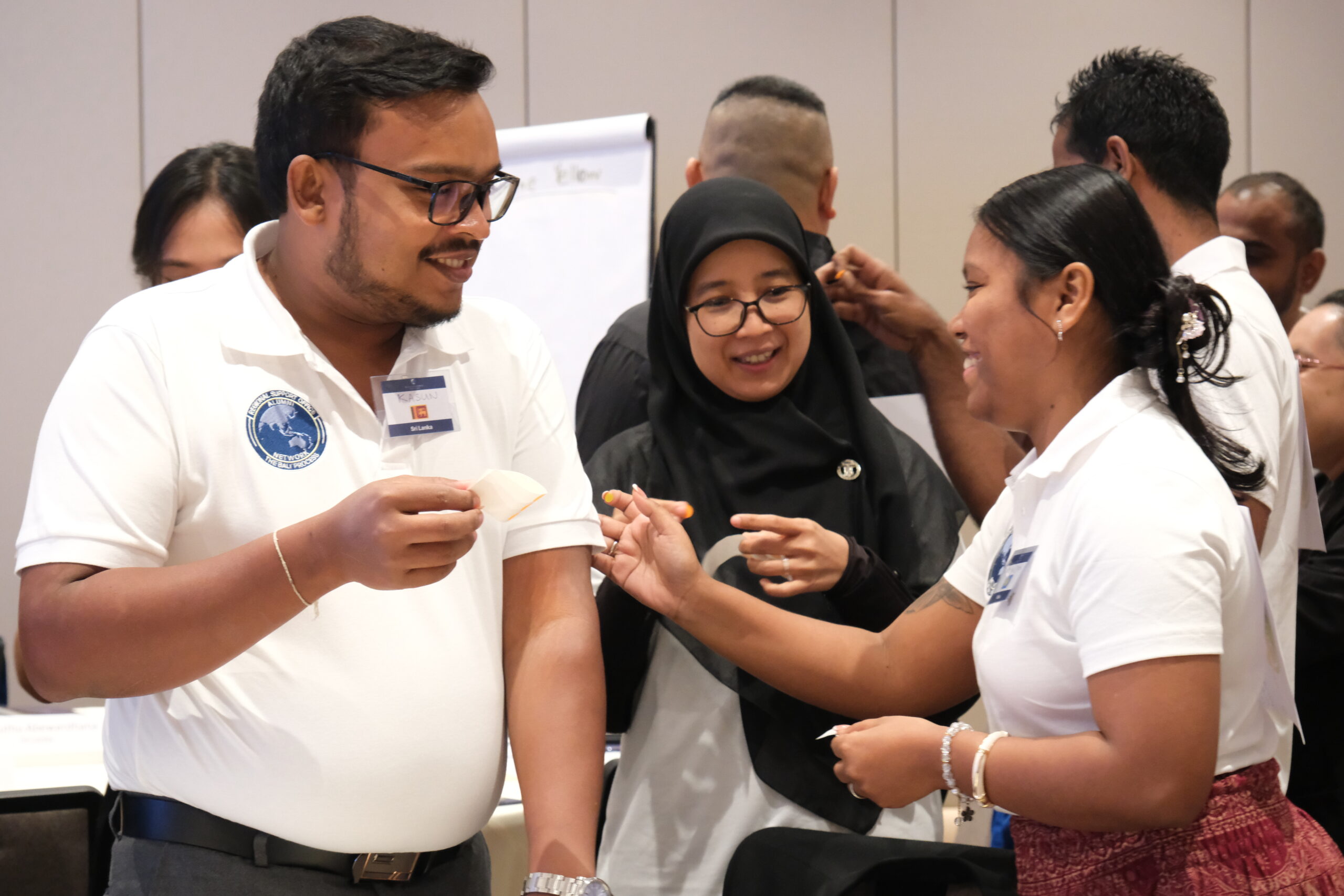
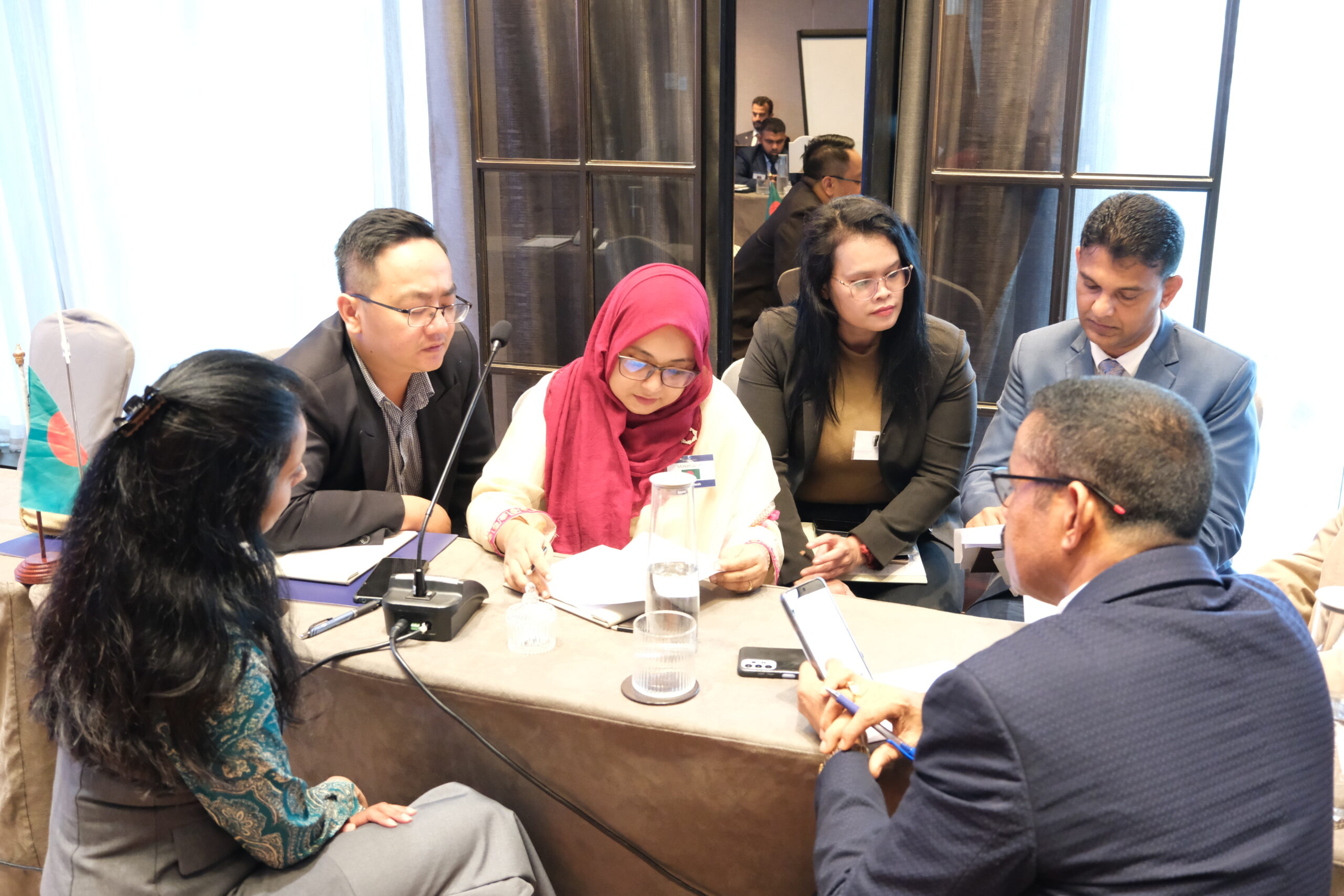
Participants were introduced to practical leadership frameworks, including a colour energy model to better understand leadership styles and the Johari Window to identify communication blind spots. These tools supported alumni to recognise how their behaviours affect teamwork and to adjust their approach when working with colleagues with different styles. Sessions on courageous conversations further equipped participants with practical strategies, including the SEER Model, to navigate difficult discussions with empathy, respect and professionalism. Scenario-based group exercises enabled alumni to apply these concepts to realistic operational challenges, bridging theory and practice.
Day Two shifted the focus from individual leadership to Building Resilient and Connected Teams, emphasising how leadership behaviours shape team culture and performance. The programme connected insights from Day One to practical strategies for fostering trust, collaboration and accountability within teams.
Workshops on psychological safety highlighted the role leaders play in creating environments where team members feel safe to speak up, contribute ideas and raise concerns. Participants examined how different leadership styles can either support or undermine psychological safety, and reflected on concrete actions they could take to strengthen trust and resilience within their own teams. Guided reflection activities provided space for alumni to translate learning into personal commitments for improving team culture and effectiveness.
Key address by Jodie Bjerregaard, Regional Director for the Mekong Region at Australia’s Department of Home Affairs, set the tone by emphasising leadership as a daily practice rather than a formal title, and by highlighting the strategic value of trusted professional networks in complex operational contexts.
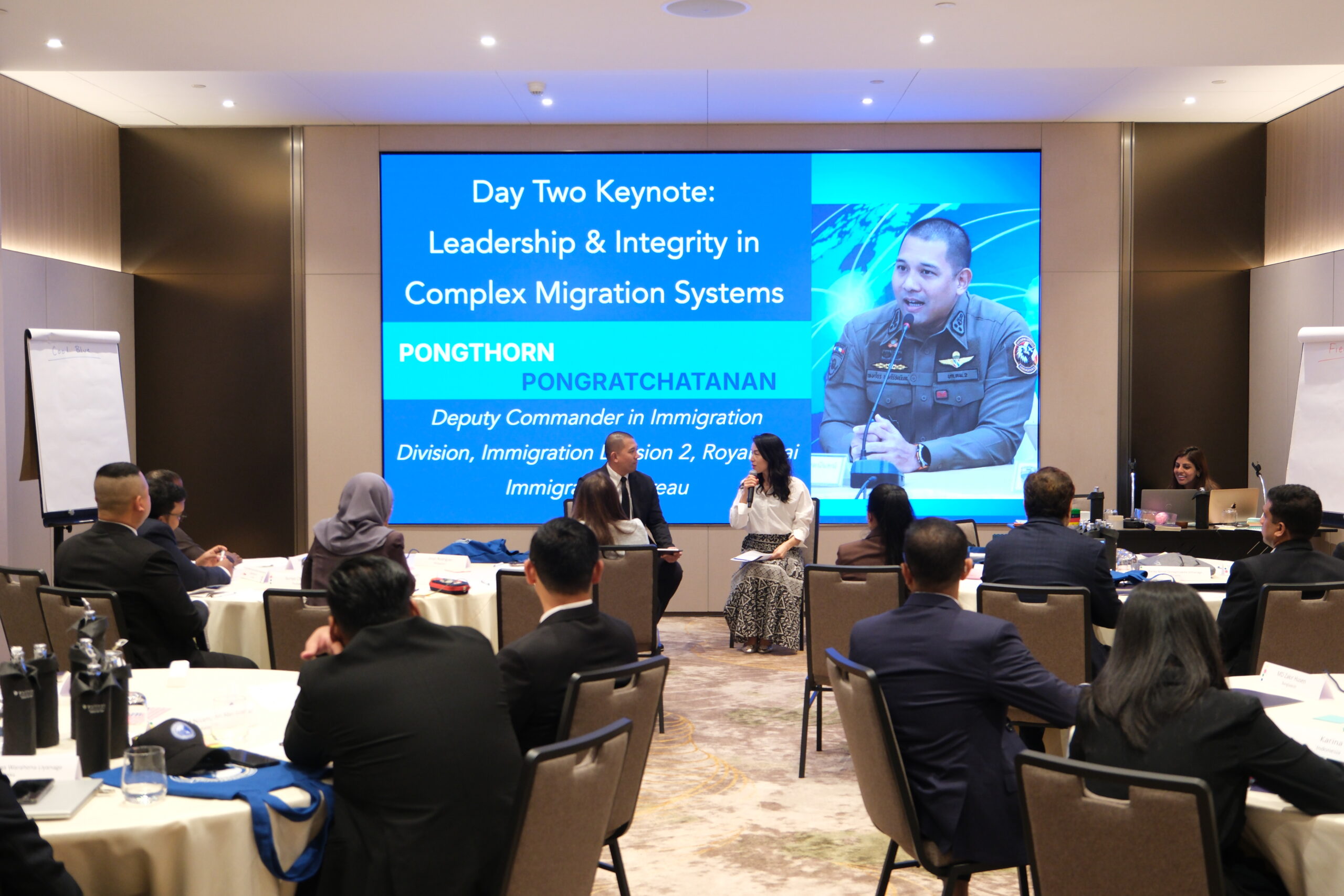
The programme also incorporated regional leadership perspectives. Deputy Commander Pongthorn Pongratchatanan of the Royal Thai Immigration Bureau reinforced the importance of integrity and accountability, grounding the Camp’s leadership themes in the realities faced by frontline agencies.
Beyond formal sessions, the Camp fostered deeper connection through experiential learning. An innovative “Market of Leadership: A Culinary Quest” challenged participants to work together in Bangkok’s night markets, navigating cultural sensitivity, inclusion and group dynamics while reflecting on leadership behaviours in practice.
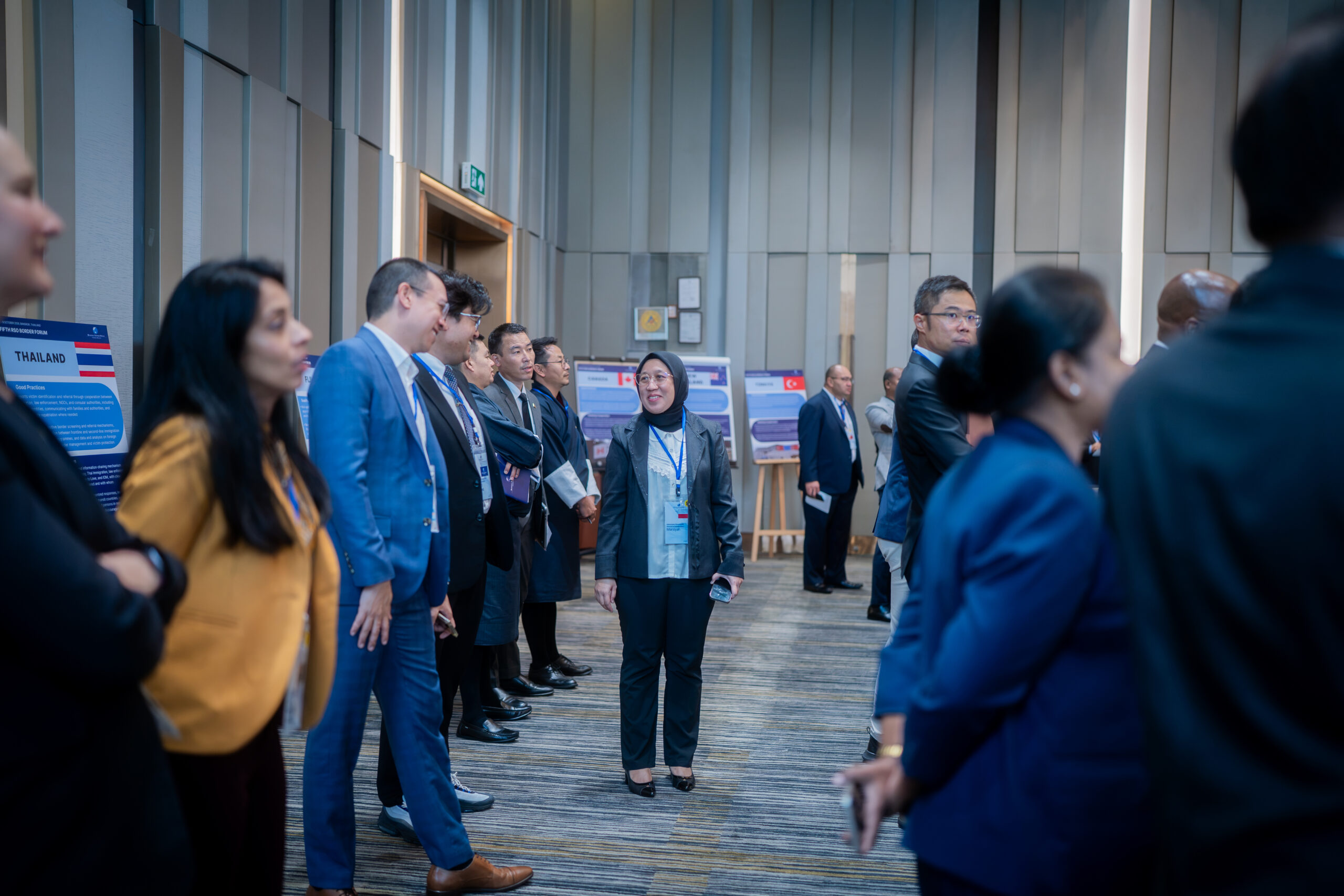
Holding the Camp immediately prior to the Fourth RSO Border Forum proved highly effective. Alumni were able to reconnect in a smaller, more informal setting, strengthening relationships that supported more open dialogue and collaboration during the subsequent Border Forum.
As RSO Alumni, Amber Holly Murasko Osima, Victim Advocate, Anti-Human Trafficking Unit, Palau, reflected: “The RSO is one of the most effective networks that I am a part of, and the alumni camp further strengthens this by building connections and supporting data sharing across the region.”
A defining feature of the 2025 Camp was its focus on co-creation and forward planning. Day Two included a “Lessons from the Field” panel, where Alumni Champions shared practical examples of applying RSO learning to national contexts and driving sustainable change within their institutions. Alumni also reflected on their own leadership journeys, facilitating peer-to-peer exchange by sharing insights, challenges and guidance drawn from their professional experience. The discussion reinforced a central theme of the Camp—that leadership is often practised under constraint rather than in ideal conditions—grounding the leadership concepts learned over the two days in the complex operational environments in which alumni work.
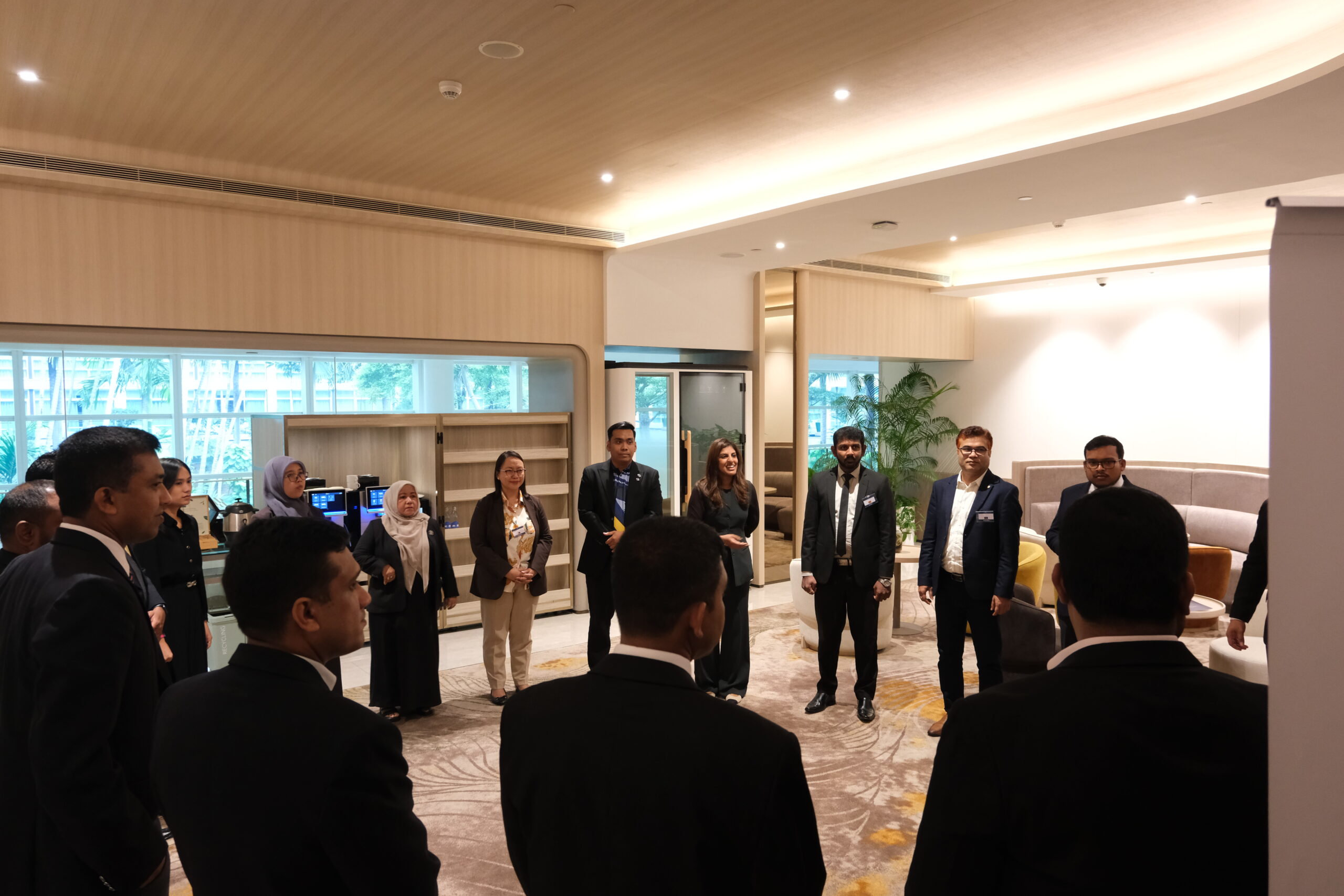
Participants then worked collectively to shape the future direction of the RSO Alumni Network, providing input on the upcoming RSO Knowledge Hub platform and identifying priorities for ongoing engagement. Alumni nominated leads to support pilot initiatives and strengthen peer-to-peer knowledge exchange.
Building on the momentum of the Camp, the RSO will formalise an RSO Champions Programme, enabling experienced alumni to support future activities, mentor peers and extend the reach of the alumni network. With more than 250 practitioners now connected, the network continues to grow as a critical resource for peer learning, professional development and regional cooperation.
To find out more, please contact the RSO at info@rso.baliprocess.net.