
24-27 June 2025 • Bangkok, Thailand
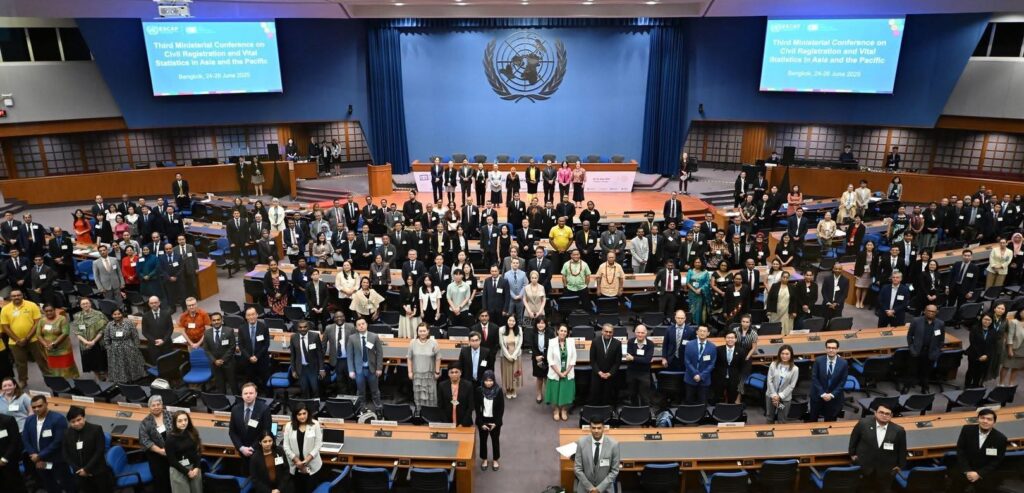
Governments from across the region renewed commitments to achieve universal registration of births and deaths by 2030 at the Third Ministerial Conference on Civil Registration and Vital Statistics (CRVS) in Asia and the Pacific.
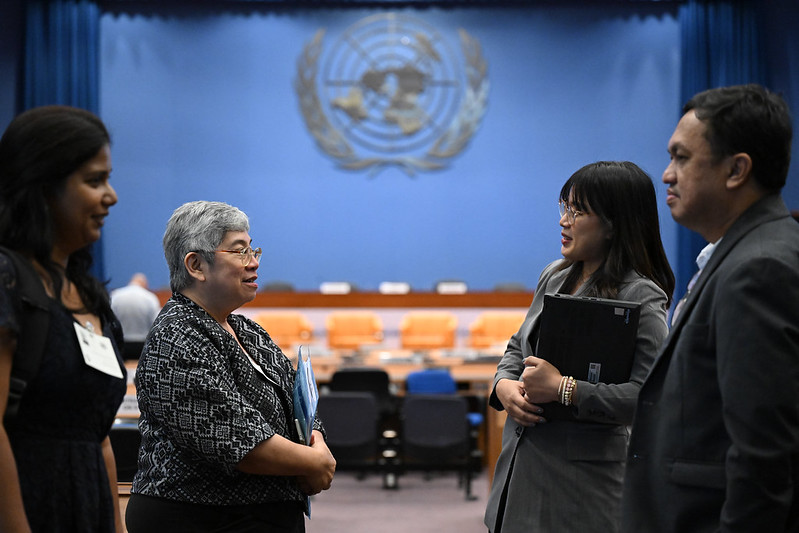
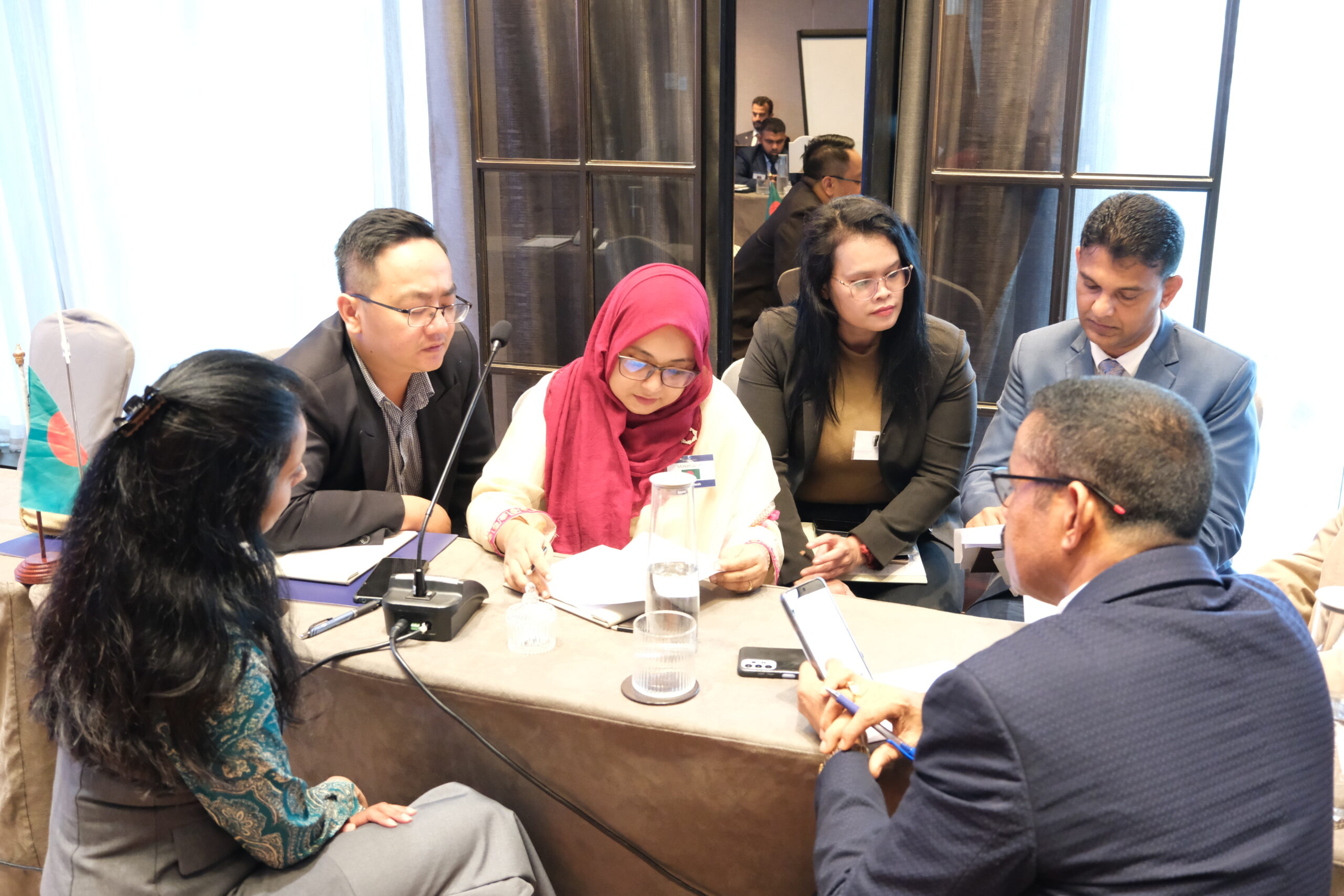
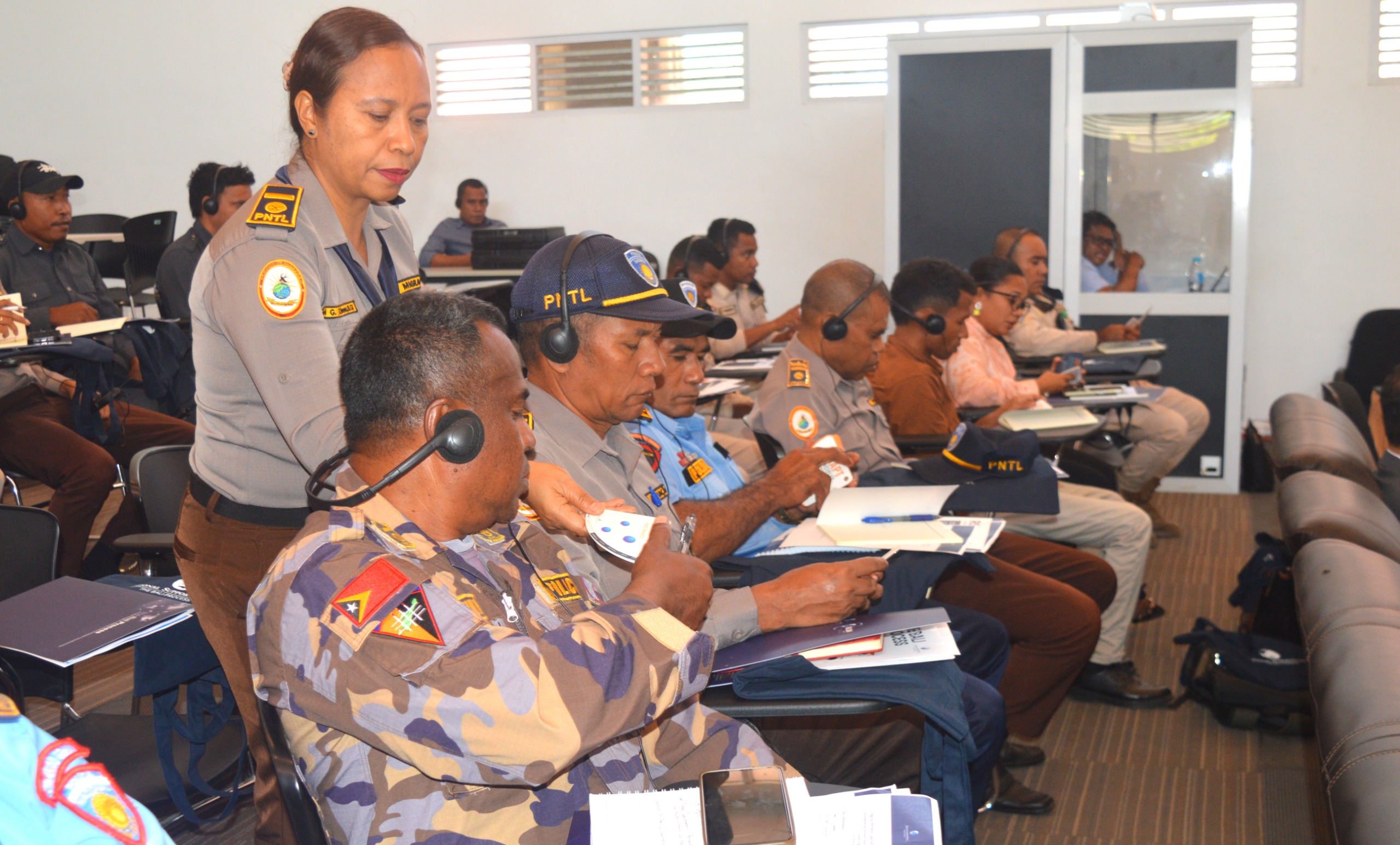
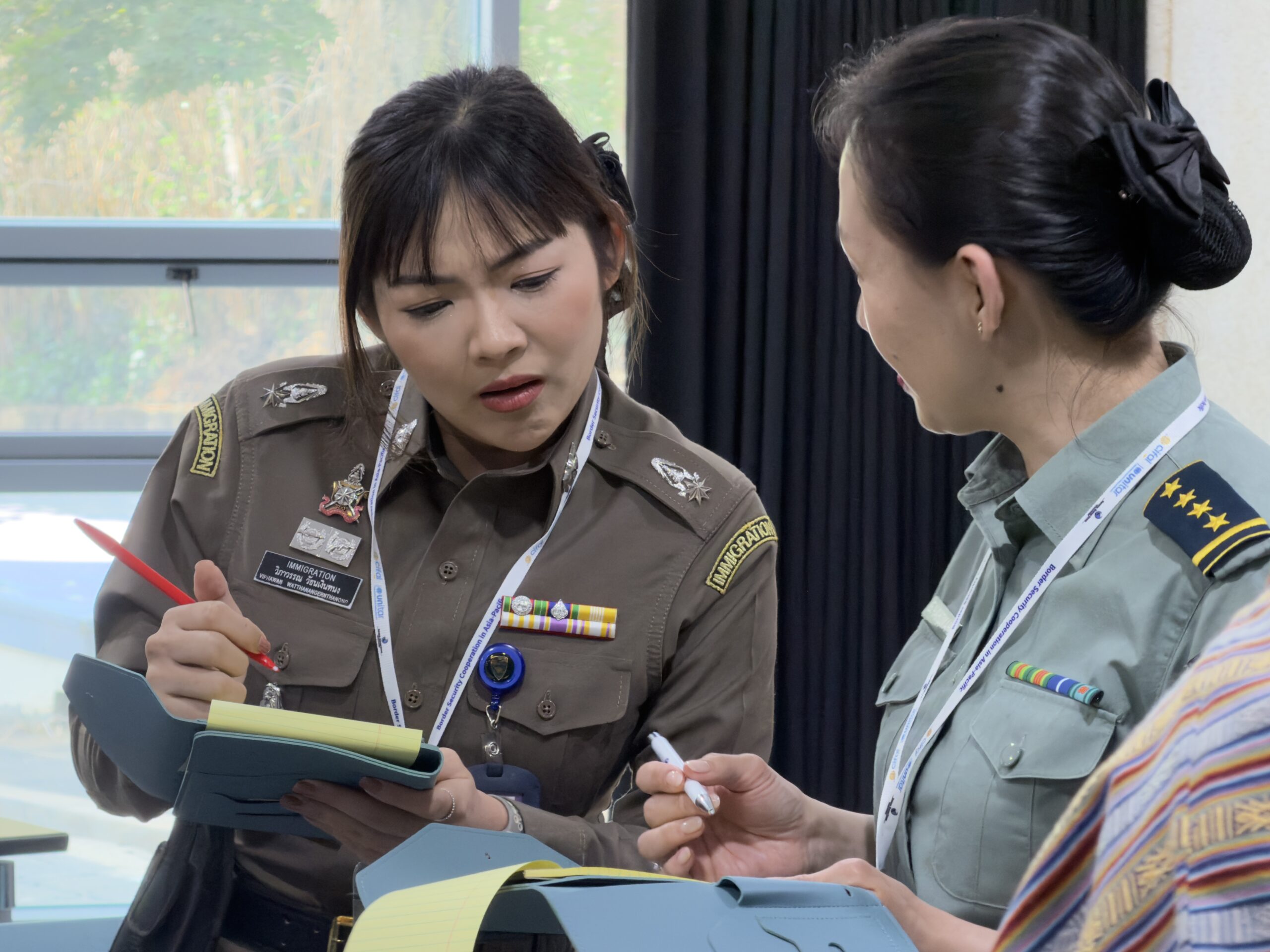
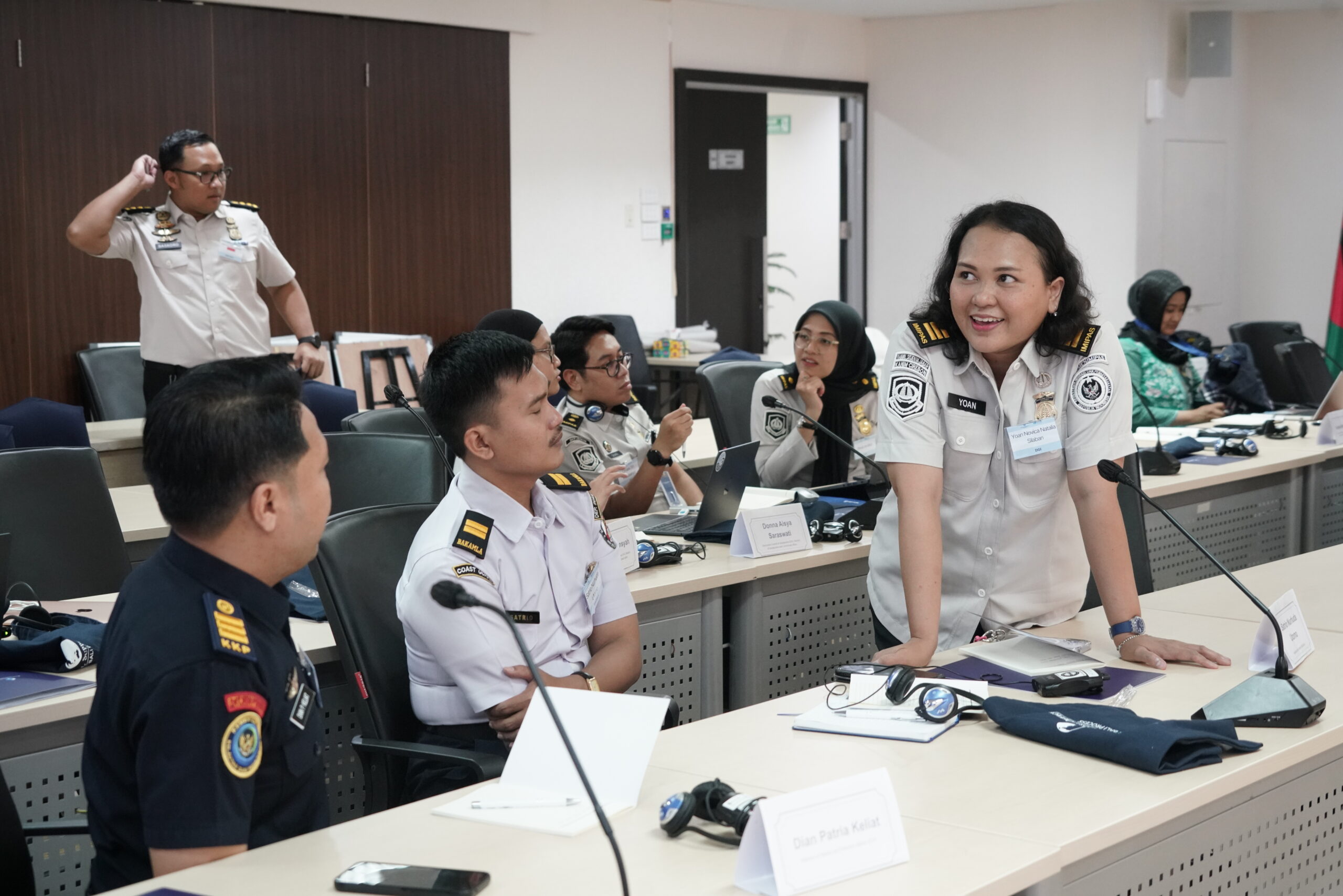
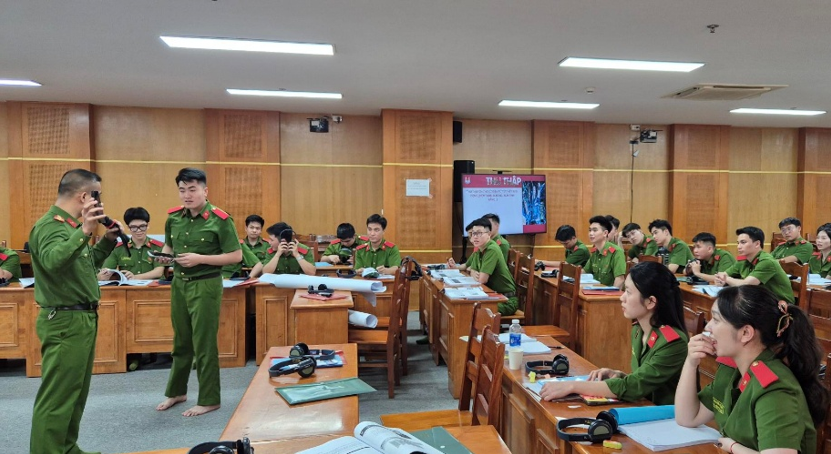
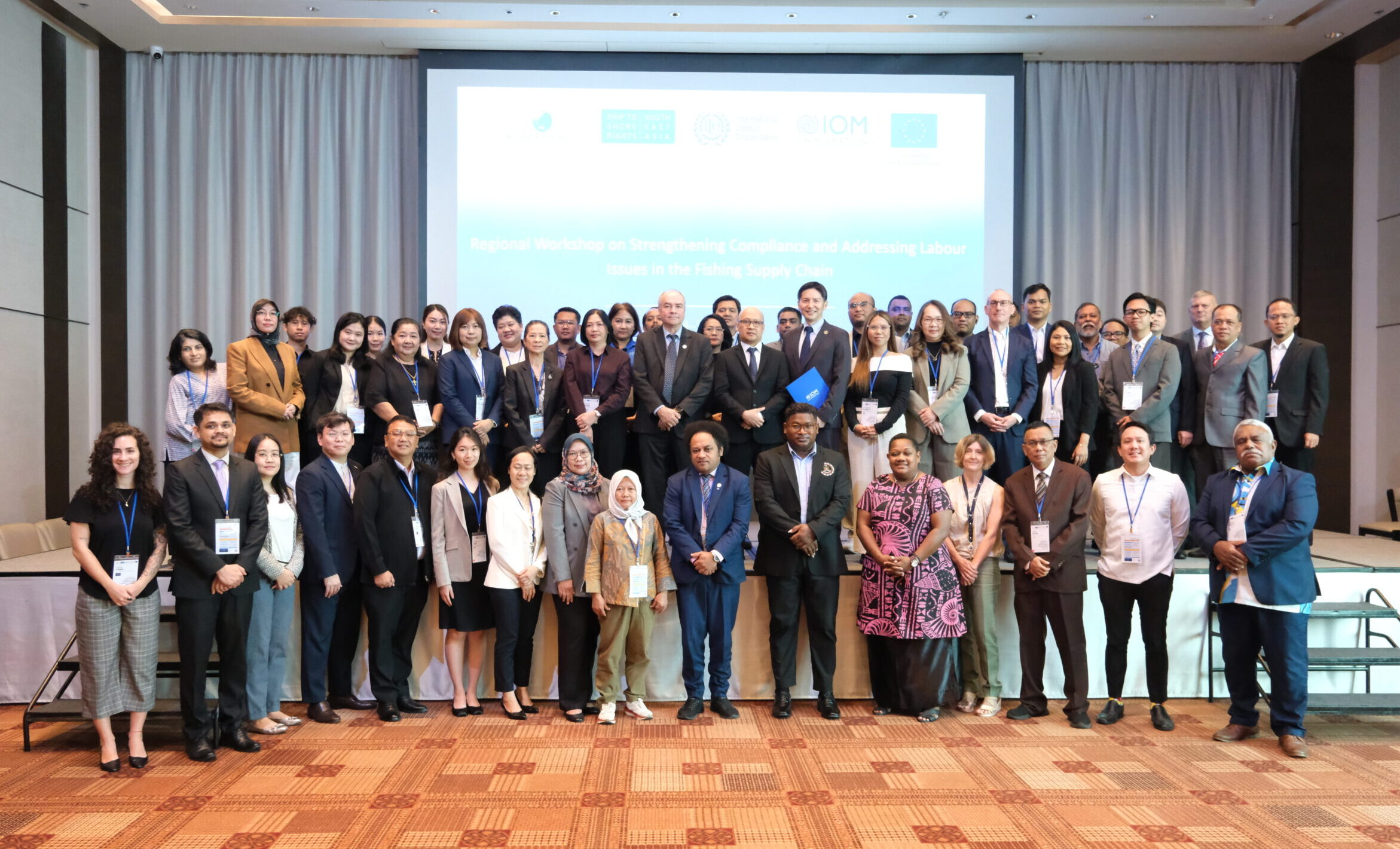
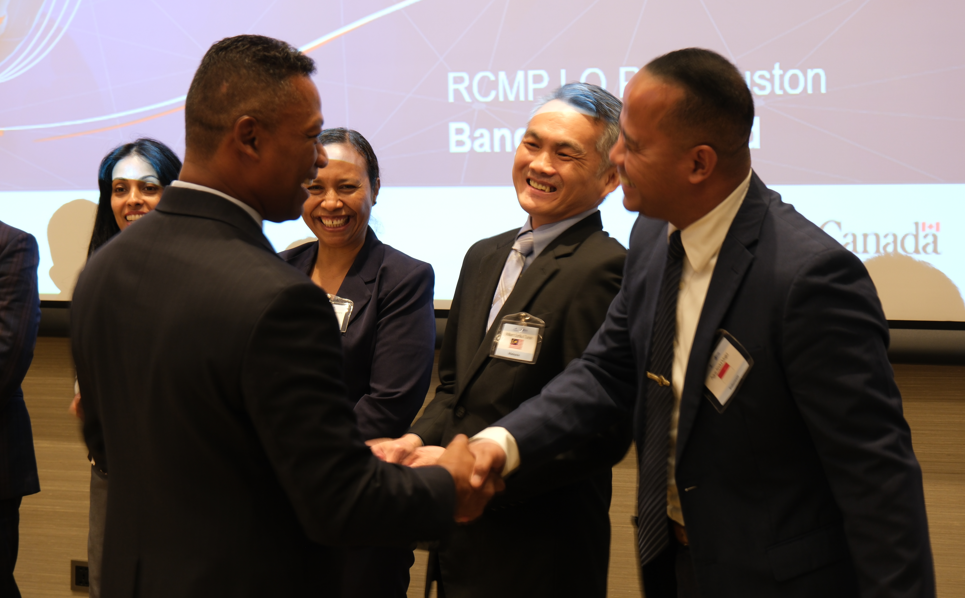
Images by UNESCAP
The meeting also formally endorsed the extension of the Asia Pacific CRVS Decade, aligning it with SDG 16.9, which aims to provide legal identity for all by 2030. This move reflects the collective understanding that legal identity is fundamental to protecting individuals’ rights, enabling access to services, and access to safe migration pathways.
Progress in the Asia Pacific region was recognised, as the number of unregistered children under five has dropped by 62 percent (from 135 million to 51 million over 2012–2024): a key milestone demonstrating the impact of collective efforts under the past CRVS Decade from 2014-2024.
The need to extend coverage and include hard-to-reach and vulnerable groups into civil registration processes was echoed among stakeholders including Member States, civil society, youth, and development partners, reflecting a growing commitment to leaving no one behind. Calls for mobile registrations and sustainable digital solutions were identified as action points in the official statements of countries including Cambodia, Indonesia, the Maldives, the Philippines, Sri Lanka, and Viet Nam.
Under Agenda Item 3: “Building resilient and inclusive civil registration and vital statistics systems in support of the 2030 Agenda for Sustainable Development,” the Regional Support Office of the Bali Process (RSO) reiterated CRVS as a priority area for its support, as set out in the 2023 Adelaide Strategy for Cooperation.
Fuad Adriansyah (RSO Co-Manager, Indonesia) delivered an official statement emphasising the importance of robust identity systems as a safeguard against exploitation and trafficking in persons. Ensuring legal identity for all is a crucial step in reducing the risk of individuals turning to irregular migration pathways as a last recourse in hopes of a better life.
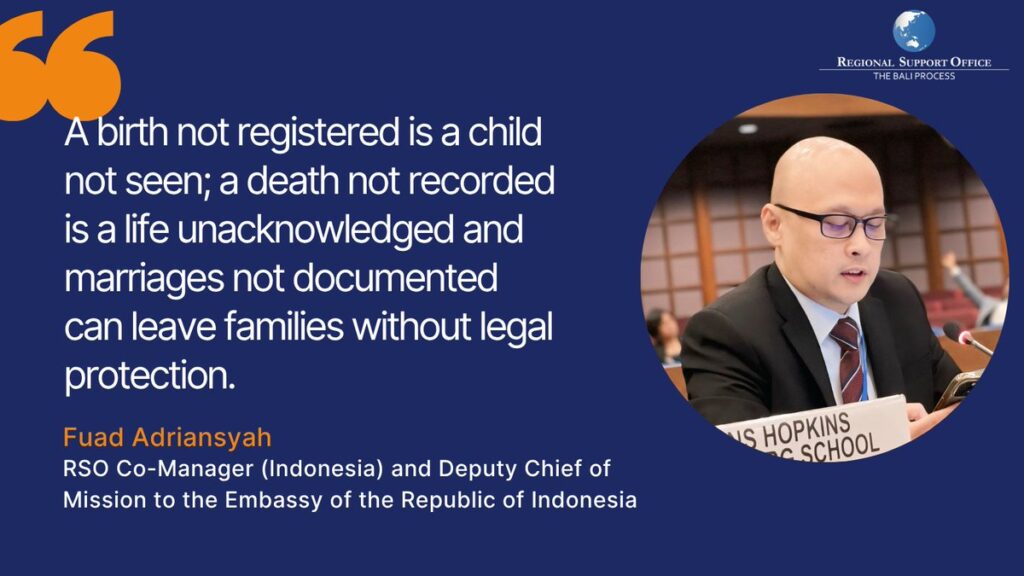
Individuals without proof of legal identity are also at increased vulnerability to being trafficked, exploited, or forcibly displaced as they cannot easily be traced or protected by authorities. Strengthening CRVS systems contributes directly to closing these protection gaps.
The RSO also noted the relevance of universal and inclusive CRVS systems in situations involving missing migrants or loss of life, where proper registration enables identification and brings closure to families.
Ahead of the Ministerial Conference, RSO Co-Managers David Scott (Australia) and Fuad Adriansyah (Indonesia) published an Op-Ed in The Diplomat that spoke to legal identity as Southeast Asia’s next big migration priority.
The RSO socialised tools developed in collaboration with the United Nations Refugee Agency (UNHCR) for Member States wishing to undertake inequality assessments and support enhancements to civil registration systems, or to improve birth registration processes.
Guidance documents including the Bali Process Toolkit for Inclusive Civil Registration and Guidance on Birth Registration for Civil Registrars were featured in an exhibition booth that the RSO hosted at the Ministerial Conference.
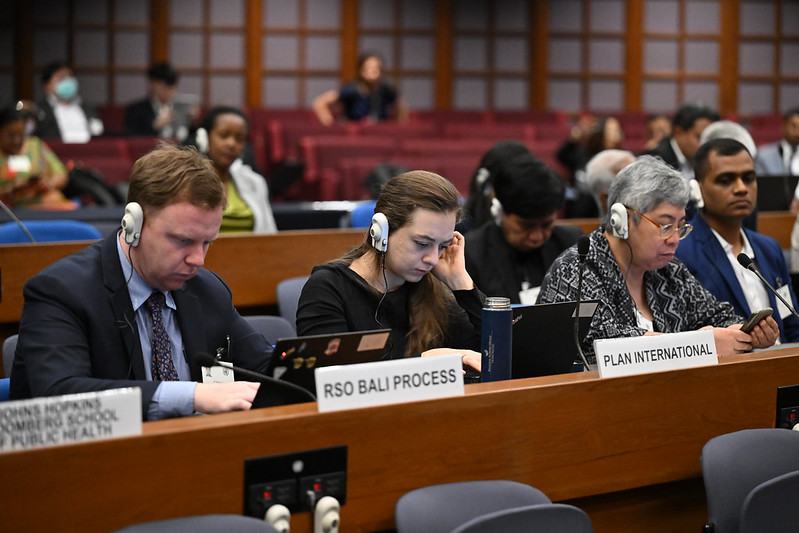 Making CRVS systems more inclusive and resilient were central themes throughout the event. Over the week, governments shared a range of strategies and practices implemented to reduce inequalities in registration access. This means designing frameworks that benefit not only people who already have access to services, but more importantly those who often fall within society’s margins—children born into statelessness, people with disability, remote and nomadic communities, indigenous groups, and communities affected by conflict or displacement.
Practical steps taken by States to expand CRVS coverage and outreach include implementing legal reforms, community outreach, and digital innovation. The Philippines, for example, passed legislation to ensure foundlings are recognised as natural-born citizens. Thailand made reforms to extend civil registration to stateless populations and same-sex couples, including by expanding its reach to rural and hard to reach areas. Indonesia, Cambodia, and Bangladesh are scaling up mobile registration units and consolidated digital platforms to boost registration rates among rural and underserved communities.
At the same time, improving the resilience of CRVS systems in the face of extreme weather events was another recurring theme throughout the Conference. With natural disasters becoming more frequent and severe, governments stressed the need for identity systems that can withstand, adapt, and recover from climate-induced shocks. Bangladesh, the Philippines, and Fiji noted that disasters such as floods and cyclones continue to damage infrastructure, displace communities, and interrupt the registration of vital events. In response, several governments are prioritising digital transformation. Decentralised service delivery and cross-sector coordination also ensure continuity of CRVS operations during emergencies. Continued efforts toward strengthening CRVS systems will show Asia Pacific’s dedication to building future-fit, transformational, and disaster-resilient societies.
Concrete steps to help Member States establish inclusive civil registration and vital statistics systems, advised by government representatives, academia, and civil society include:
- Regular reporting, supplemented by policy briefs to help translate CRVS data into actionable insights for advocacy and program implementation.
- Ensure registration is accessible everywhere, for everyone, especially vulnerable and marginalised communities.
- Make birth registration universal by registering every child, regardless of status or background.
- Establish robust monitoring and evaluation processes of CRVS systems.
The extension of the CRVS Decade to 2030 provides a timely opportunity to build stronger, more resilient identity systems that serve everyone.
By linking CRVS reforms to migration management and counter-trafficking frameworks, states can uphold the rights of all people on the move and strengthen regional security.