
20–21 November 2025 • Kuala Lumpur, Malaysia
Economic stressors, armed conflict, persecution, and natural and humanitarian disasters exacerbate the vulnerabilities of individuals, particularly women and children and those lacking legal identity, driving individuals towards irregular migration as the most viable option for livelihoods and safety. According to UNICEF’s 2023 regional analysis on children affected by migration, approximately 1.3 million international child migrants were recorded across Association of Southeast Asian Nations (ASEAN) Member States.
Economic stressors, armed conflict, persecution, and natural and humanitarian disasters exacerbate the vulnerabilities of individuals, particularly women and children and those lacking legal identity, driving individuals towards irregular migration as the most viable option for livelihoods and safety. According to UNICEF’s 2023 regional analysis on children affected by migration, approximately 1.3 million international child migrants were recorded across Association of Southeast Asian Nations (ASEAN) Member States.
The United Nations (UN) Task Force on Children Deprived of Liberty estimates that 330,000 children globally are deprived of their liberty each year in the context of migration, including detention based on their or their families’ migration status.
Immigration detention has serious and enduring impacts on children’s physical health, mental well-being, and development in critical stages of childhood. Targeted protection measures are critical to uphold children’s rights and best interests, with alternatives to detention enabling children to remain in safe, family- and community-based settings while immigration processes are completed, in line with child protection principles, international human rights standards, and the best interests of the child principle.
In support of ASEAN’s commitment to implement the Regional Plan of Action on Implementing the ASEAN Declaration on the Rights of Children in the Context of Migration (2024), ASEAN Member States, through the ASEAN Commission on the Promotion and Protection of the Rights of Women and Children (ACWC), commenced the development of a framework to enhance ASEAN efforts to end immigration detention for migrants, victims of trafficking, refugees, asylum-seekers, those who are internally displaced, and stateless children.
The development of a new ASEAN Guideline aims to provide a framework for ASEAN Member States to implement policies and measures that protect the rights of children in the context of migration, promote their well-being, and strengthen access to essential services.
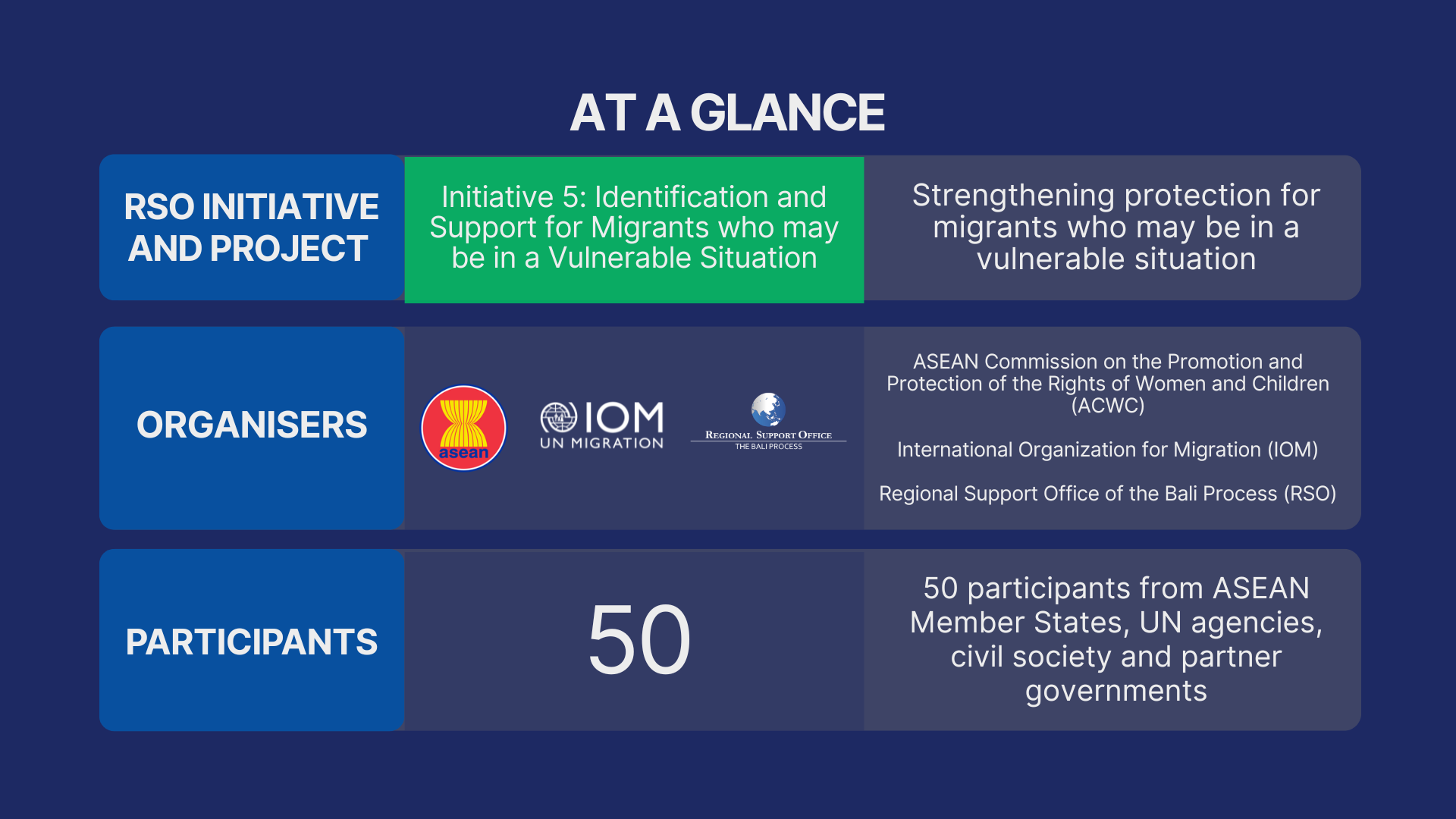
The development of this guideline is being facilitated by the International Organization for Migration (IOM) Thailand and the Regional Support Office of the Bali Process on People Smuggling, Trafficking in Persons, and Related Transnational crime (RSO), with financial support from the Australian Government Department of Home Affairs.
The guideline has been developed through a year-long consultative drafting process led by ACWC Thailand, drawing on regional and global experience in alternatives to detention and child protection principles.
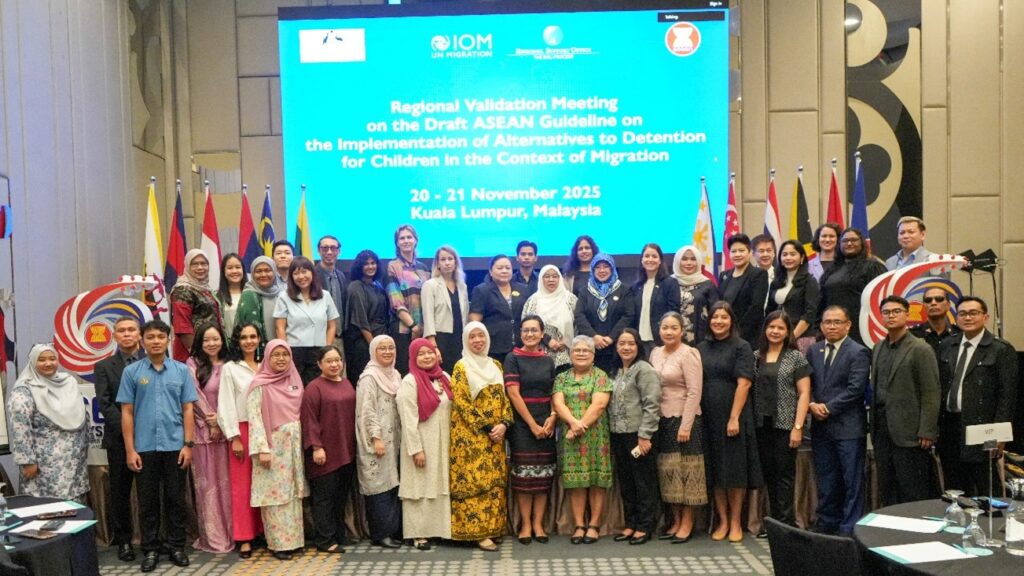
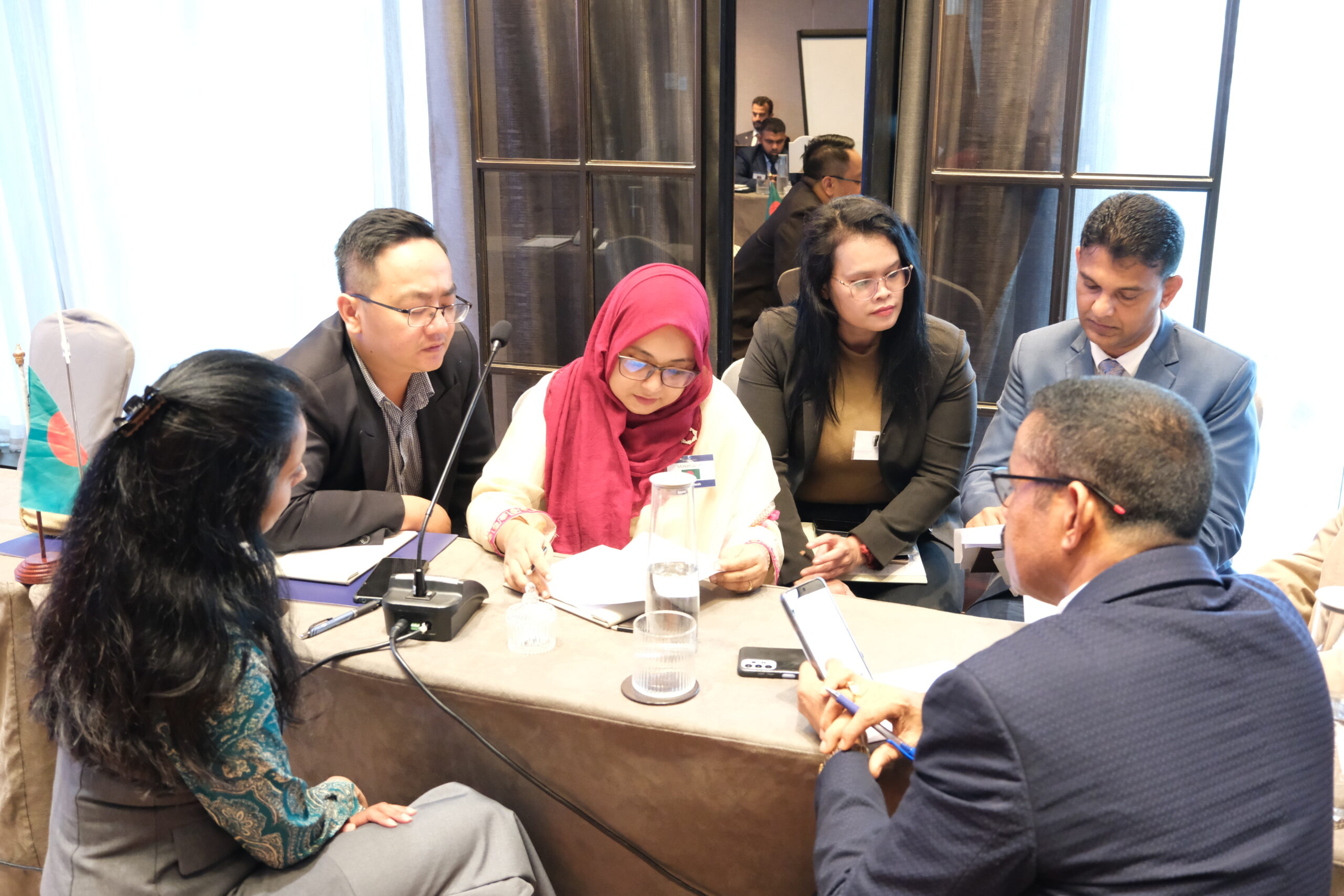
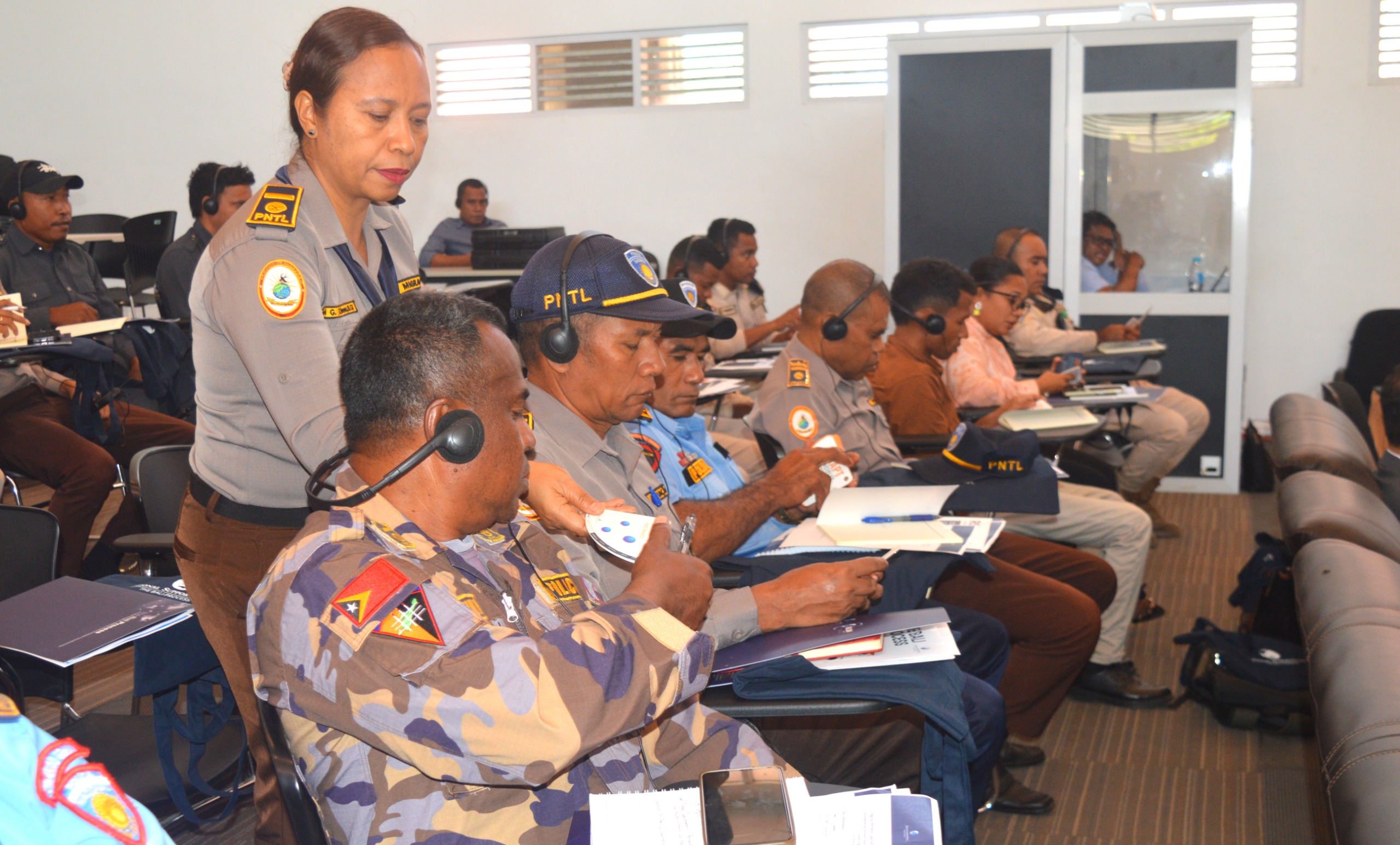
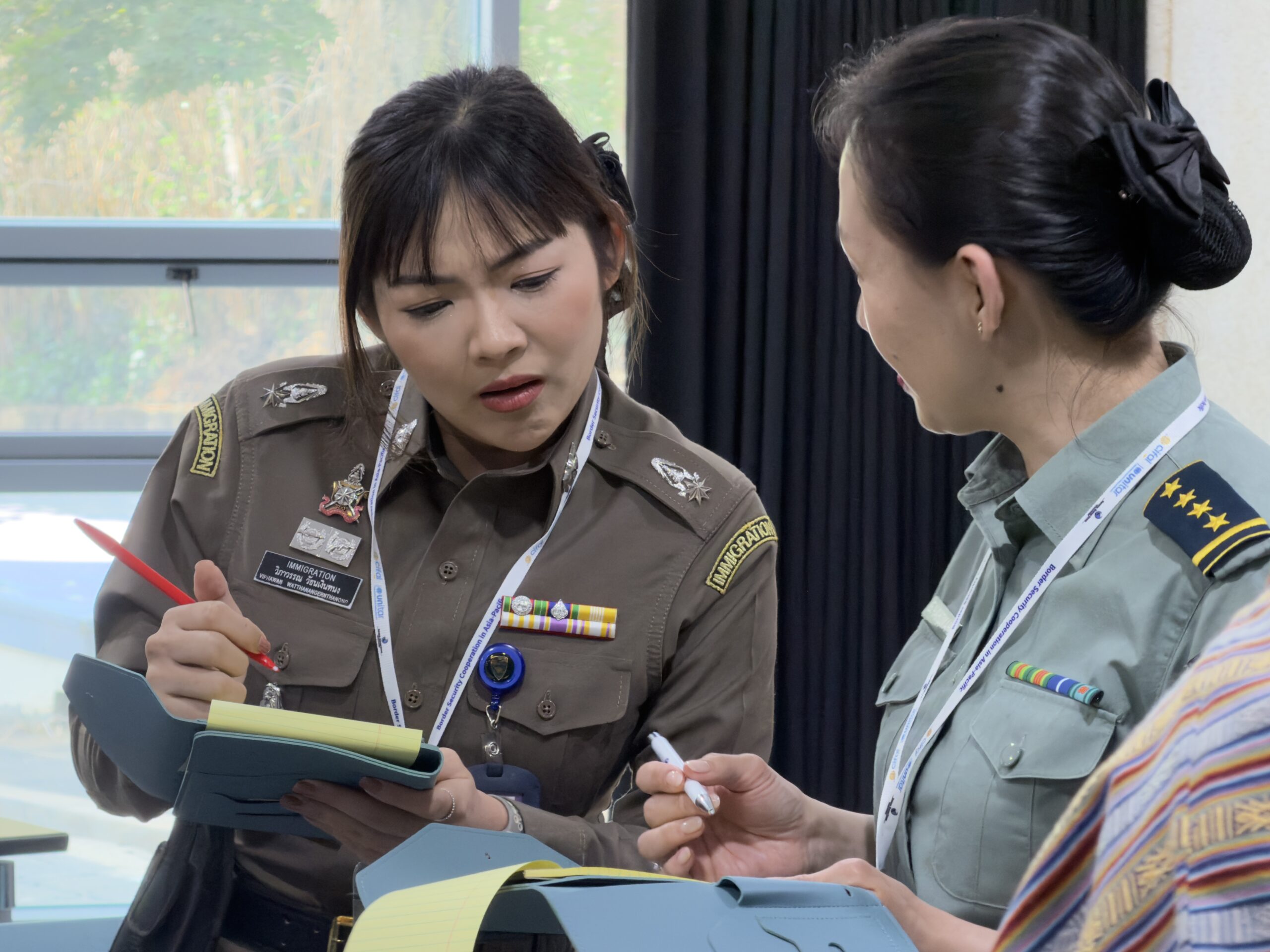
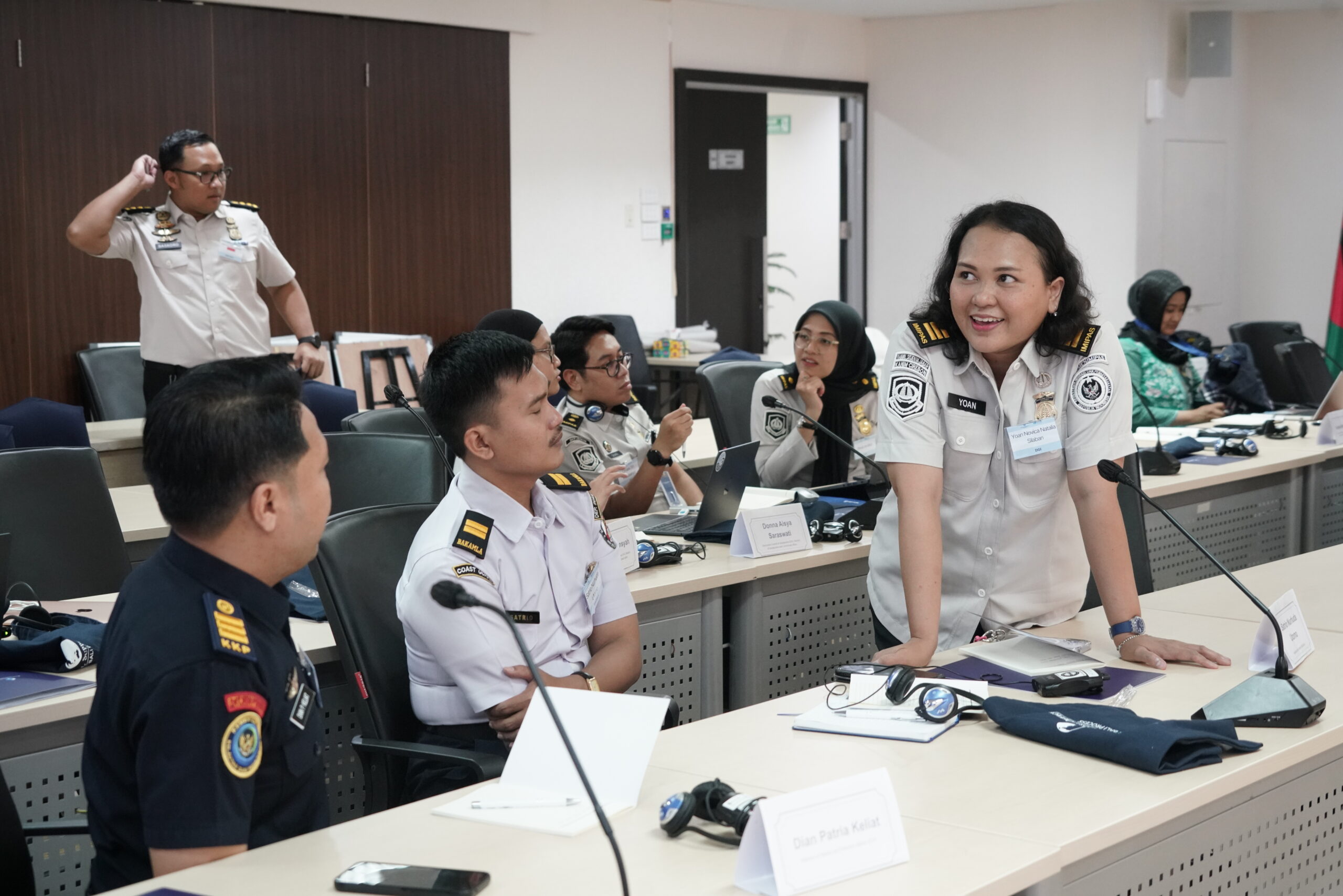
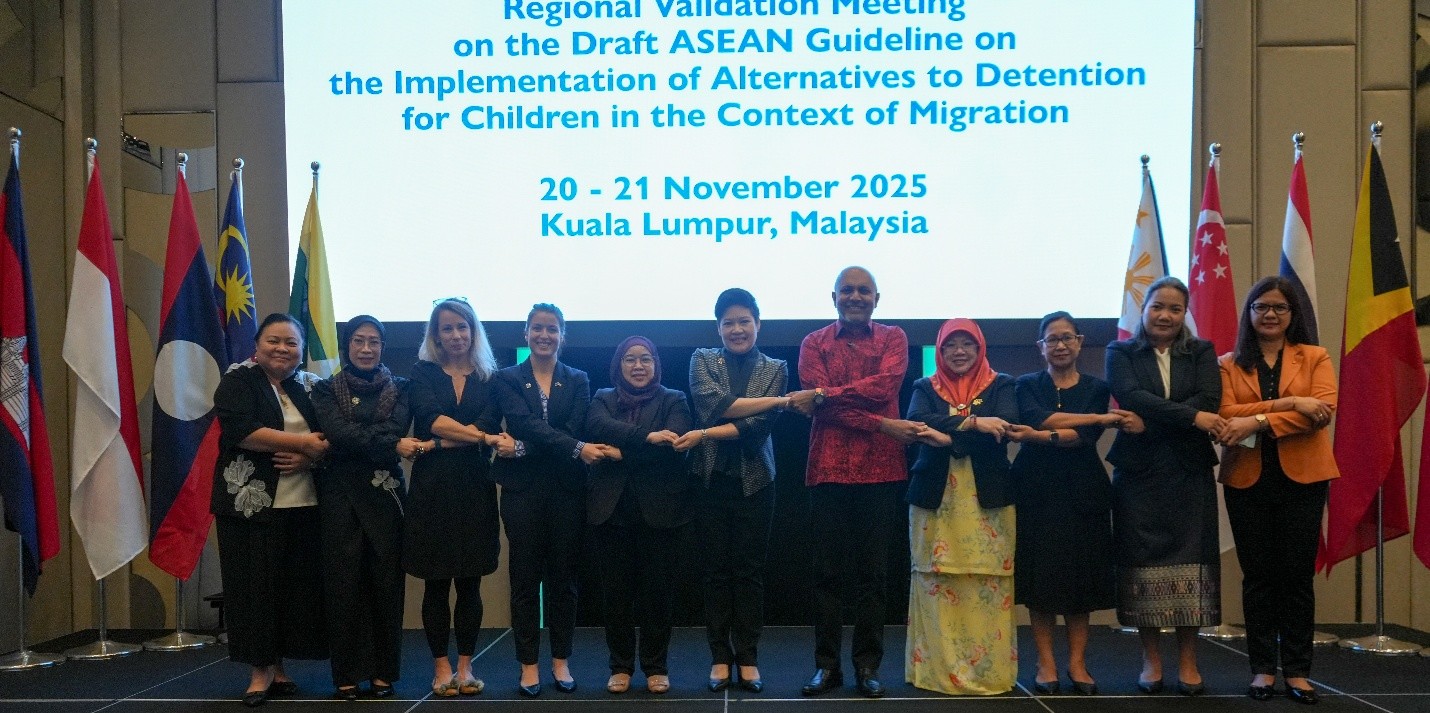
Participants at the regional validation meeting on the draft ASEAN Guideline on Alternatives to Detention for Children (20-21 November 2026, Kuala Lumpur, Malaysia)
As a key milestone in this process, ACWC Thailand, IOM Thailand, and the RSO convened a regional meeting to validate the draft ASEAN Guideline on the Implementation of Alternatives to Detention for Children in the context of Migration. The meeting took place over 20 and 21 November 2025 in Kuala Lumpur, Malaysia.
The meeting brought together around 50 participants, including representatives from ACWC, ASEAN Directors-General of Immigration Departments and Heads of Consular Affairs Divisions of the Ministries of Foreign Affairs (DGICM), ASEAN Intergovernmental Commission on Human Rights (AICHR) Malaysia, civil society organisations, United Nations Children’s Fund (UNICEF), United Nations High Commissioner for Refugees (UNHCR), and the Australian High Commission in Kuala Lumpur.
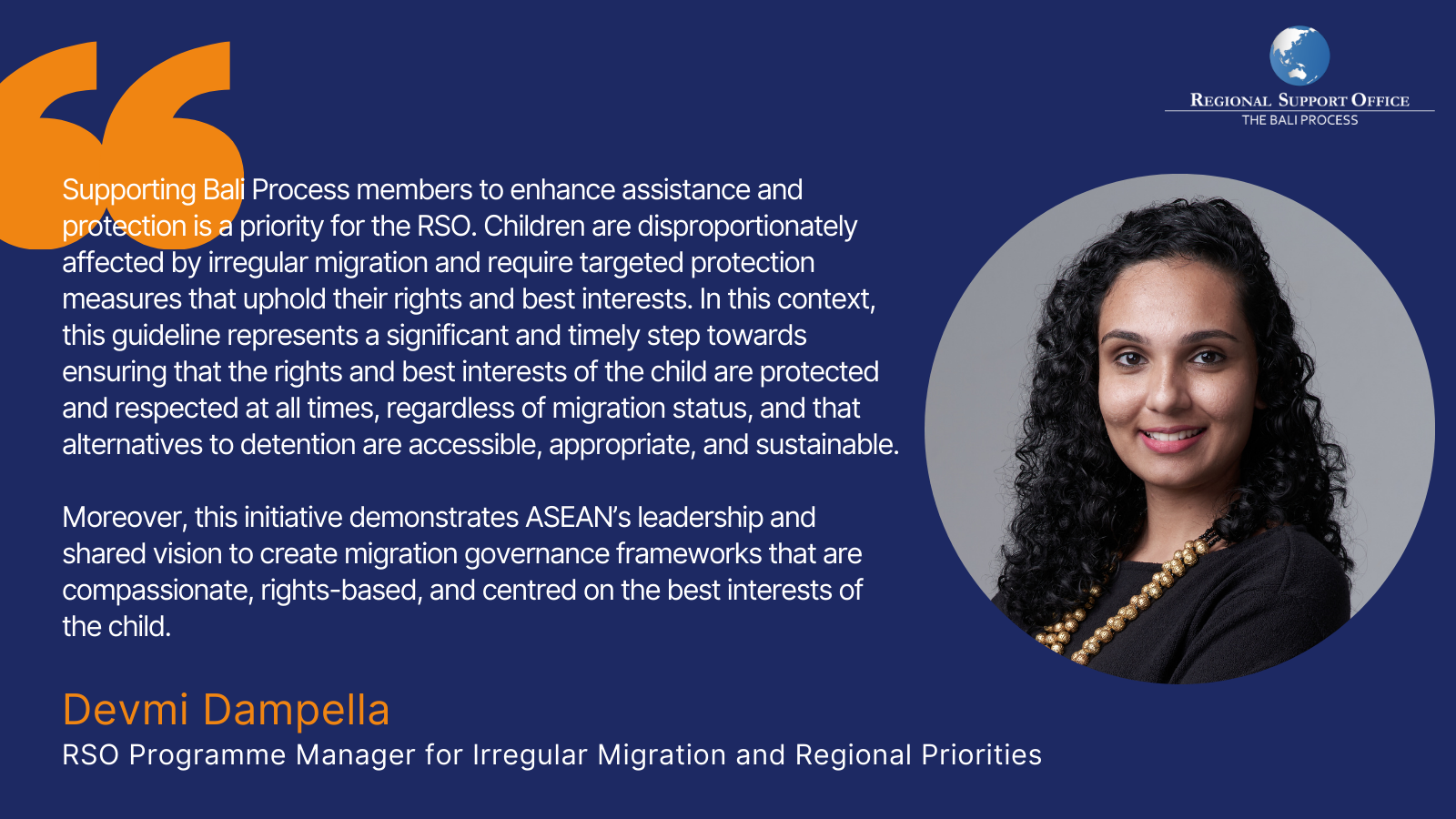
Across both days, participants reviewed all chapters in the guideline and provided substantive technical feedback to strengthen the draft guideline and support its practical application across ASEAN Member States. Key inputs focused on reinforcing alignment with the Convention on the Rights of the Child (CRC) and other relevant international legal and policy frameworks.
Among the recommendations was to supplement the guideline with promising practices on alternatives to detention from ASEAN Member States. Participants also suggested the introduction of peer learning as a key capacity-building mechanism alongside formal training programmes and developing a checklist to support policymakers in designing and reviewing national efforts on alternatives to detention.
During the meeting, participants reviewed the draft guideline and discussed ways to strengthen its relevance and practicality for implementation across ASEAN Member States. The meeting contributed to the following milestones:
· Provided participants the opportunity to review and validate the draft guideline
· Initiated a platform for coordination, dialogue, and consensus-building among stakeholders, ensuring the guideline is practical and regionally relevant
· Contributed to establishing standardised practices across ASEAN Member States regarding immigration detention and the promotion of alternatives that prioritise the well-being and development of children
Following the regional validation meeting, the draft guideline will be revised to reflect the inputs provided by participants. The revised draft will then be circulated with ACWC representatives for final review, before being presented for endorsement at the ASEAN Senior Officials Meeting on Social Welfare and Development, tentatively scheduled for April 2026.
The RSO looks forward to continued collaboration with ASEAN counterparts to support the practical implementation of child-centred alternatives to immigration detention across the region.