
Migrants who undertake irregular journeys due to economic disparities, political instability, environmental challenges or conflict, at times find themselves in precarious situations in countries of transit or destination— reinforcing the need for safe and dignified returns to their home countries. Co-chaired by Australia and the Philippines—the Sixth Meeting of the Bali Process Technical Experts Group on Returns and Reintegration (TEG-RR) highlighted emerging trends, key priorities, and areas for coordination among Bali Process members on safe and dignified returns and sustainable reintegration.

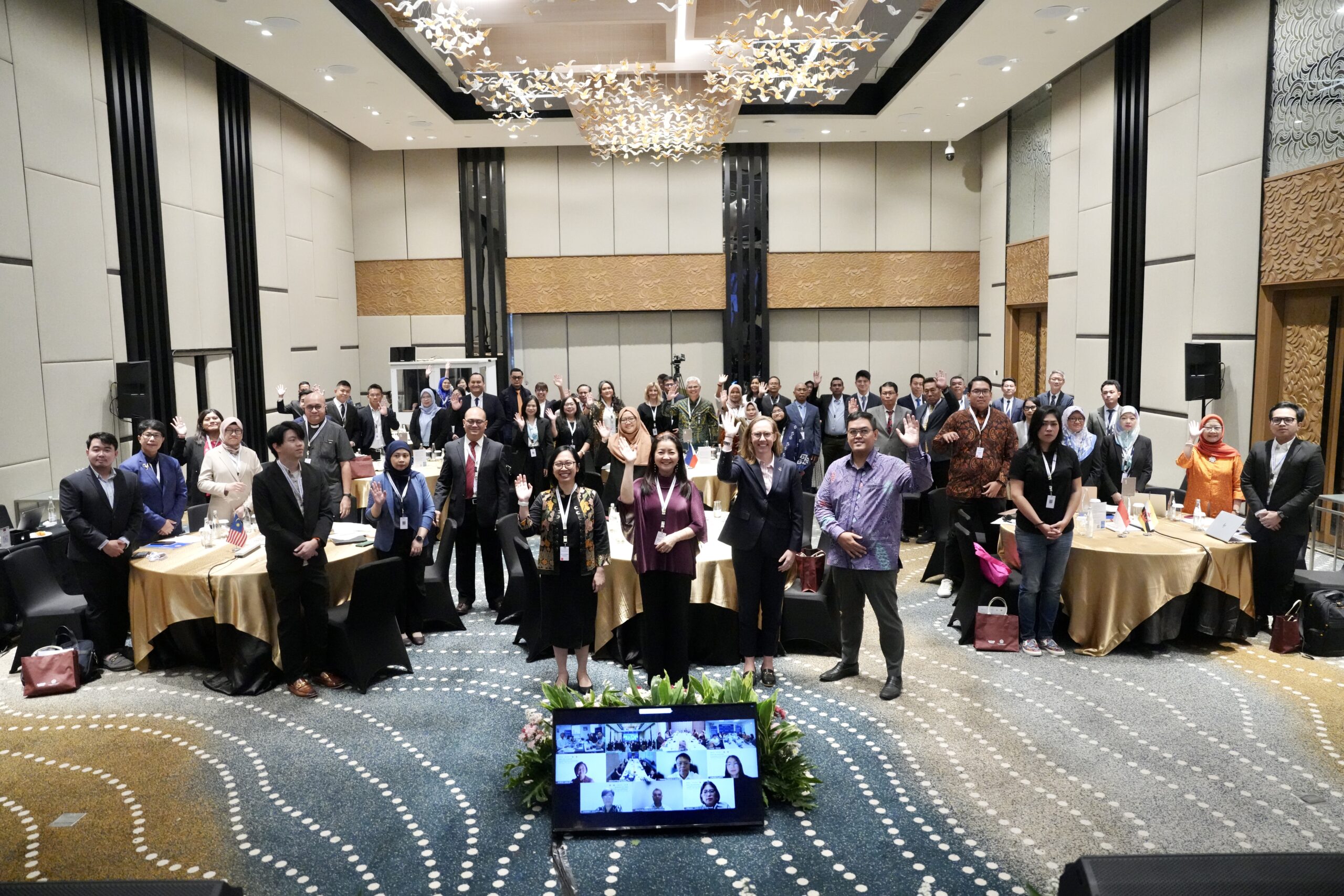
The meeting convened in Bangkok over 4-6 March 2024, marking the first in-person gathering of the TEG-RR since the onset of COVID-19 in 2020. The RSO was pleased to support the planning and coordination of the meeting, including the facilitation of discussions and Member State inputs over the three days.
TEG-RR Co-chair David Gavin—Assistant Secretary, Immigration Policy Division of the Department of Home Affairs, Australia—opened the three-day meeting by providing context on the dynamic landscape of returns and reintegration. “Over the last two years we have seen a significant change in migration patterns due to COVID-19 and other complex challenges within the region,” he said. “It is important that we can all be here to discuss the topic of returns and reintegration, something that has been growing, and will continue to grow, in importance to the people within our region.”

The Co-chair also underlined that during the Fifth TEG-RR, the forum identified a need to reinvigorate the TEG-RR to better meet the challenges that Member States experienced with returns and reintegration of migrants across the Asia-Pacific and committed to developing a Forward Work Plan to provide the framework for coordinated efforts.
TEG-RR Co-chair Bernard P. Olalia—Undersecretary for Licensing and Adjudication Services of the Philippines’ Department of Migrant Workers, noted the outcomes of the meeting will be critical in providing tangible support to the TEG-RR and working groups in the Bali Process ecosystem. He noted, “We hope that the work plan of the TEG-RR will be a plan that is aligned with those of the other working groups, and that its objectives would be relevant to the experiences of each individual working group member.”
Discussions on the first day focused on identifying the challenges faced around return and reintegration of victims of trafficking. Synan Chohan—Policy Officer at the Department of Home Affairs, Australia—presented a desktop review of existing policy guidelines on returns and reintegration, elaborating on recommendations, identifying gaps, and stressing the need to collaborate with regional actors like the RSO, Interpol, and ASEAN for comprehensive solutions. This desktop review marked progress on a key suggested work item of the TEG-RR Forward Work Plan.

Peppi Kiviniemi-Siddiq—Senior Regional Migrant Protection Specialist at The International Organization for Migration (IOM)—provided insights into challenges surrounding returns and reintegration, particularly around the difficulties in improving identification procedures for returnees and the necessity for enhanced cooperation among various institutional points-of-contact. She also underscored the substantial gap in post-return data due to the absence of comprehensive definitions and administrative mechanisms, limiting states’ capacity to effectively manage migration and address returnees’ specific needs.
Peppi also noted that in 2023, the Assisted Voluntary Return and Reintegration Programme for Bali Process Member States assisted 218 vulnerable migrants from various countries with pre-departure and voluntary return, post-arrival support, cash grants, and rehabilitation and reintegration services. She noted: “There are significant challenges around providing support to migrants who are victims of trafficking and facilitating access to civil registration, employment or income-generating activities, which increases the risk of re-migration through irregular channels.”
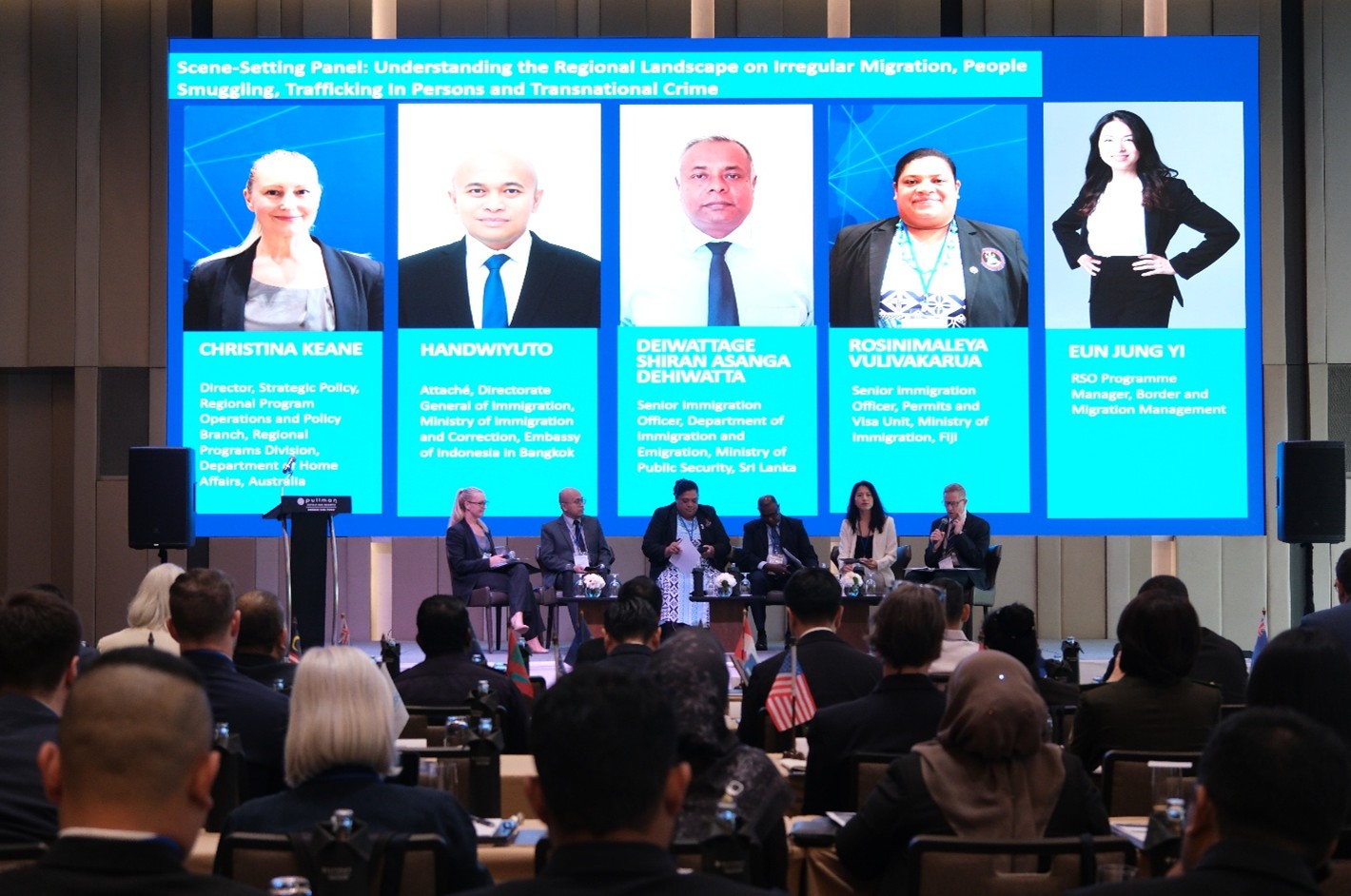
 Representatives of Bali Process working groups and the RSO shared progress updates and potential synergies during a panel discussion. David Scott—Co-manager (Australia) of the RSO, moderated the panel and Devmi Dampella— RSO Programme Manager (Irregular Migration and Regional Priorities), discussed how the RSO’s priorities complement a range of Working Group priorities. The focal points for the Bali Process Trafficking in Persons Working Group, the Bali Process Disruption of Criminal Networks involved in People Smuggling and Trafficking in Persons, and the Bali Process Taskforce for Planning and Preparedness, shared updates on activities over the past year and opportunities for collaboration around identifying and protecting vulnerable individuals in their return and reintegration journeys.
Devmi noted that, “Sustainable reintegration is about making migration a choice. Economic reintegration is a key element to the sustainability of reintegration. Initiatives focused on skills development, qualifications recognition, skills matching, and entrepreneurship are crucial contributions to the sustainability of reintegration, and more investments and efforts need to be made towards these areas.”
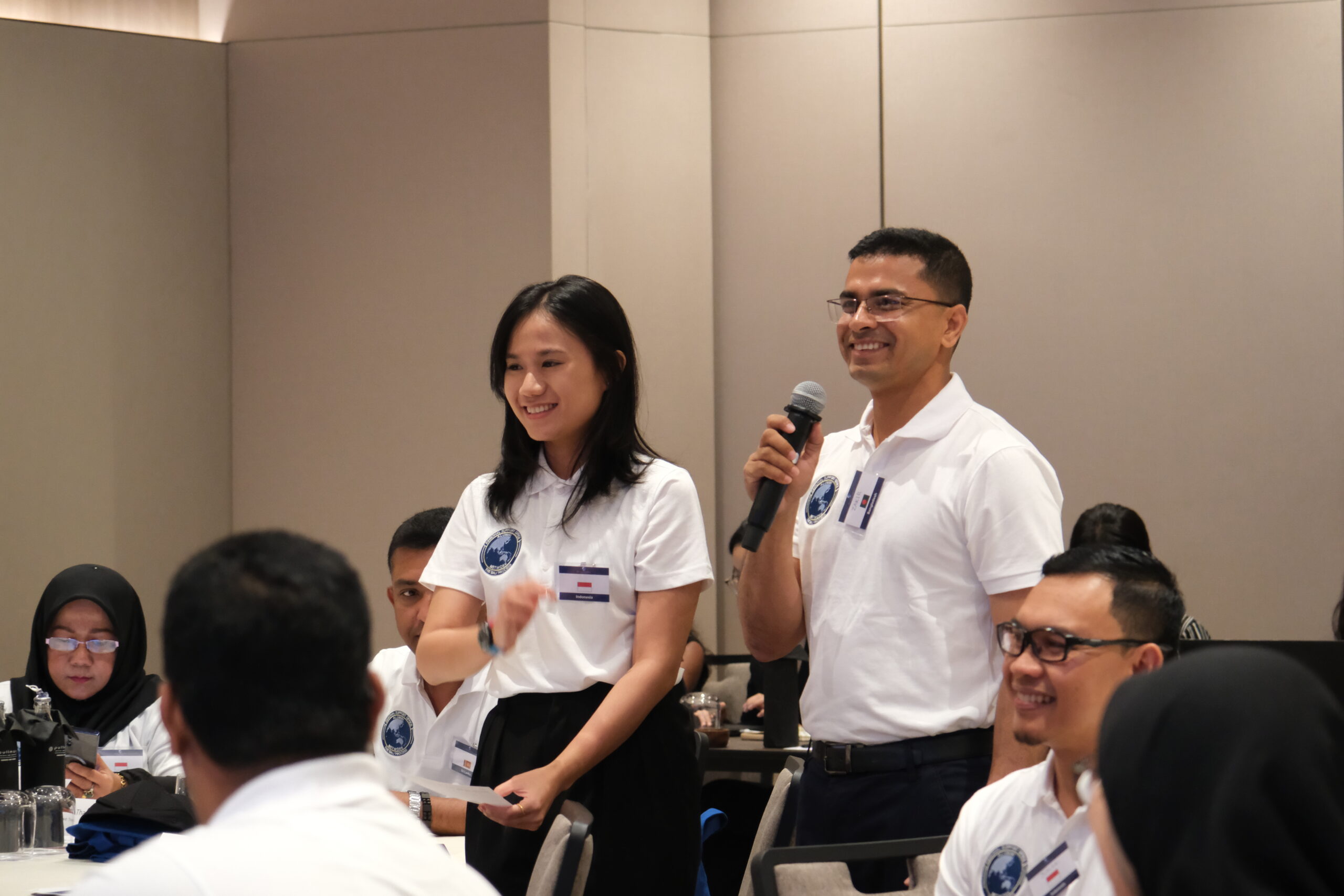
Throughout the meeting, Member States were encouraged to provide regional updates and insights into ongoing challenges and priorities around returns and reintegration, fostering a collaborative environment for knowledge-sharing and problem-solving.
Guest speaker Professor Bina D’Costa from the Australian National University highlighted how trafficking victims often face labor and sexual exploitation. Following this, representatives from Indonesia and the Philippines presented on areas of work around identifying victims, services directories, referral mechanisms, and return and reintegration efforts. All speakers stressed the need for sustained support for victims and substantial public investment in protection and reintegration efforts to bridge the gap between short-term assistance and long-term needs.

The second day of the meeting commenced with a session on the return and reintegration of vulnerable migrant workers, led by the Philippines. This session focused on best practices, upskilling and re-skilling of returnees, and the formation of a new National Reintegration Committee. A panel discussion on returns and reintegration featured presentations on protecting vulnerable migrants by Ellene Sana, the Executive Director of the Centre for Migrant Advocacy, and on economic reintegration by Dr Bilesha Weeraratne—Head of Migration and Urbanisation Policy Research at the Institute for Policy Studies of Sri Lanka.
Country presentations addressed sustainable reintegration including economic reintegration, and women migrant workers. The session emphasised the Philippines’ approach to reintegration, highlighting programs by the Overseas Workers Welfare Administration (OWWA) to assist Overseas Filipino Workers in transitioning back to the Philippines. Discussions also touched upon collaboration opportunities, challenges faced by returning migrants, and the role of NGOs and CSOs in facilitating returns and reintegration. 
The third day of the meeting was dedicated towards brainstorming activities to form the first Forward Work Plan of the TEG-RR.

Key themes identified by participants as priorities for the Forward Work Plan include:
- Sharing best practices and challenges relating to reintegration, including re-migration.
- Strengthening cooperation between government, civil society and private sector – including a focus on economic reintegration.
- Strengthened coordination between government agencies – including labour, immigration, women’s unions.
- Building capacity of front-line staff to identify and refer victims of trafficking.
- Public awareness campaigns to increase recognition of migrant contributions and counter social stigma towards those perceived to have “failed.
During closing remarks, Co-chairs reflected on the sessions and encouraged feedback from members for future meetings. Additionally, they invited members to share impressions and provide input for topics to be addressed in the next meeting at the end of 2024.
The RSO looks forward to continuing to support the TEG-RR on sustainable returns and reintegration efforts and welcomes proposals from Bali Process Working Groups to support Member States’ activities around returns and reintegration.