7-8 October 2026 • Bangkok, Thailand
How can regional cooperation translate into more effective responses to challenges that cross national borders?
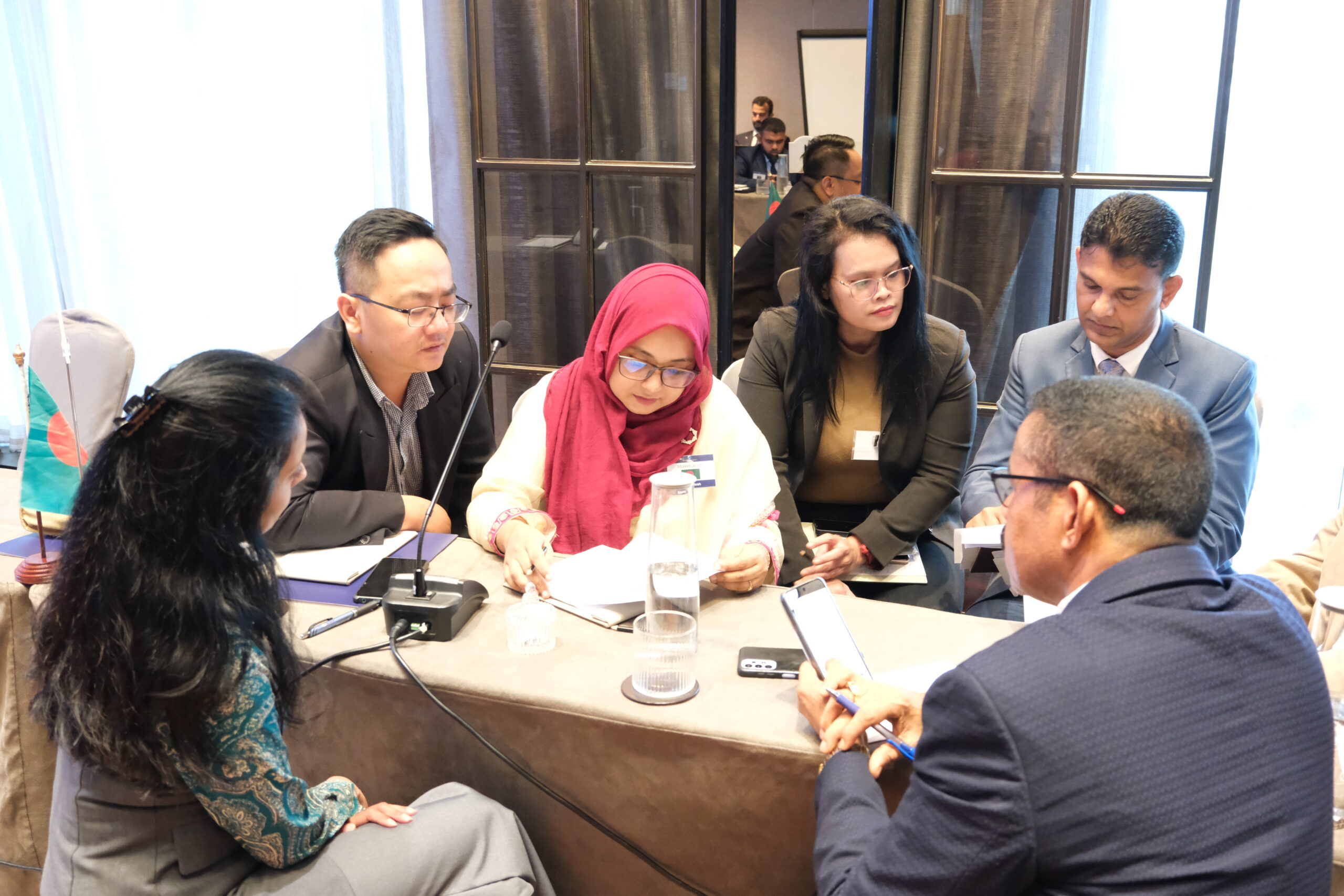
This question was central to the Fifth RSO Border Forum, which brought together over 130 delegates from 35 Bali Process Member and Observer States, alongside 10 international organisations and partners. Over two days, delegates exchanged operational experiences, explored common challenges, and identified practical opportunities to strengthen cross-border cooperation.

As the Bali Process approaches its 25th anniversary in 2027, the Forum also highlighted the importance of sustained regional engagement and professional relationships that enable countries to respond to increasingly complex and interconnected migration challenges.
“Members of the Bali Process benefit from activities that are based on a multi-stakeholder approach. The RSO has demonstrated a strong convening power that supports this approach. Discussions among stakeholders such as Member State representatives, judicial personnel, law enforcement officers and international organization representatives have provided multisectoral and comprehensive perspectives on the various challenges, as well as their solutions. “
-H.E. Ms. Pinsuda Jayanama, Director-General, Department of International Organizations, Ministry of Foreign Affairs of the Kingdom of Thailand
A central theme of the Forum was the importance of translating regional cooperation into practical operational responses. Delegates highlighted the importance of clear procedures, reliable information-sharing channels, and established professional relationships to help coordinate across jurisdictions and respond to emerging challenges.
Practical experiences shared during the Forum highlighted how different approaches can contribute to more effective responses to transnational criminal networks. These included using community-based information and inter-agency coordination to identify potential smuggling activities before maritime departure, tracing financial transactions to uncover criminal networks profiting from trafficking and people smuggling and strengthening intelligence verification and information sharing to support coordinated interventions across agencies.
Emerging technologies, particularly Artificial Intelligence (AI), are changing how criminal networks recruit, deceive, and exploit vulnerable individuals. From AI-assisted document fraud to deceptive online recruitment and trafficking for forced criminality into scam-centres, these threats require new approaches to detection and investigation. Delegates emphasised the importance of investing in digital verification capabilities, specialised training as well as legal frameworks and trusted partnerships that support cross-border investigations and information sharing.
“Technology has created new opportunities for legitimate travel, but also new tools for exploitation and cross-border crime. No single government or organisation can respond effectively in isolation, particularly as migration dynamics and criminal methodologies continue to evolve.
The Fifth Border Forum is an important part of the response, bringing together the people responsible for managing these challenges in practice.”
-H.E. Pablo Chiho Kang, Australian Ambassador to the Kingdom of Thailand
Effective border management must distinguish between criminal facilitators, victims of trafficking, and migrants who may require protection. The Forum also examined the importance of integrating protection considerations into border management responses.
Discussions highlighted the challenges of identifying victims of trafficking when appropriate screening and referral procedures are absent, particularly for individuals trafficked into forced criminality.
Delegates explored practical measures to mitigate this, including specialised interviewing techniques, multilingual screening and clearer procedures for victim identification. Closer coordination between immigration, law enforcement and other relevant actors was also identified as an important element of effective responses, helping ensure that individuals requiring assistance can be identified and referred appropriately while enforcement efforts focus on those responsible for exploitation. Equally important is strengthening coordination and trust between immigration, law enforcement, and organisations providing protection for and support services to ensure information is shared appropriately and vulnerable individuals are referred for assistance. These measures can support earlier identification, more effective protection and enforcement efforts directed towards those responsible for exploitation.

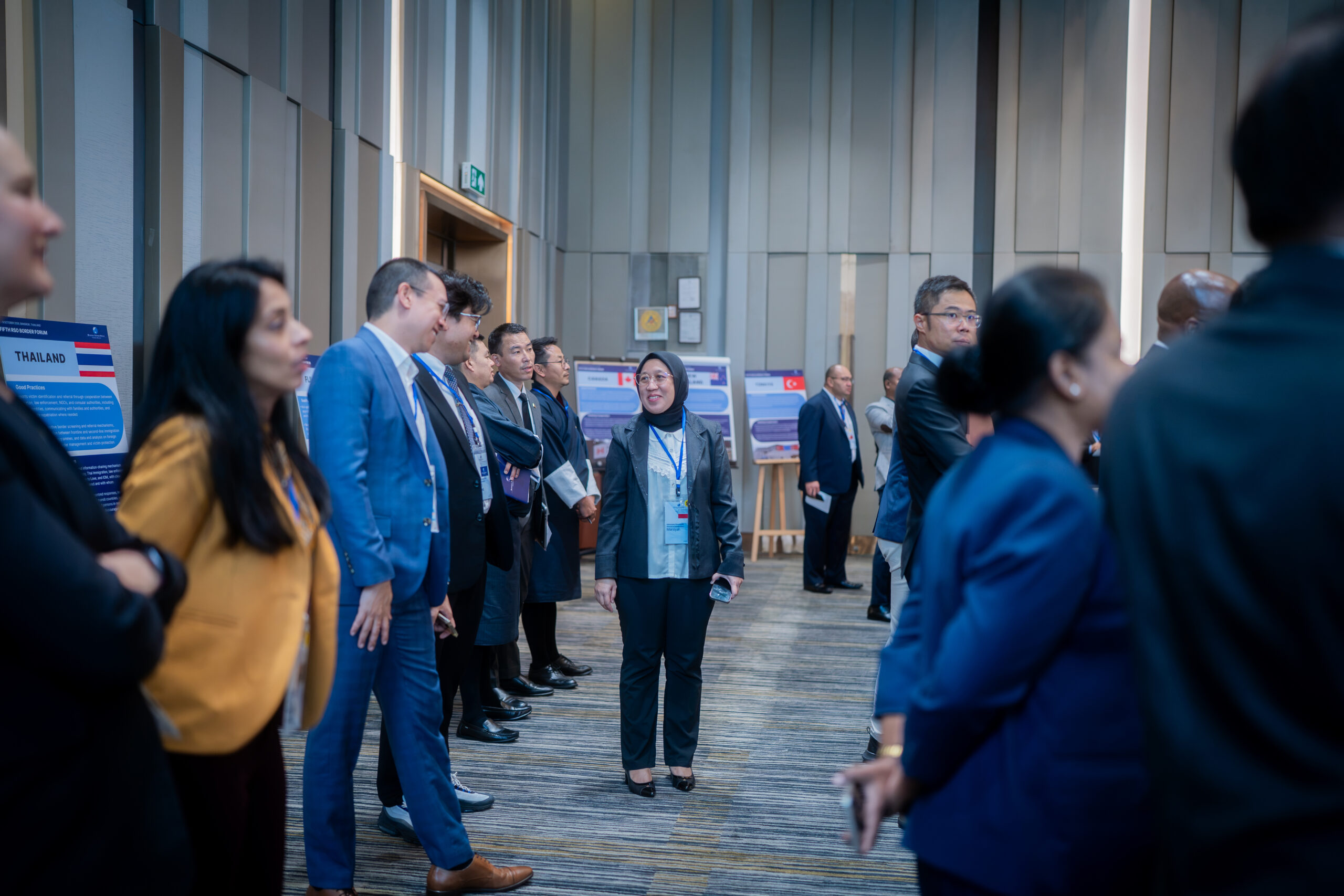
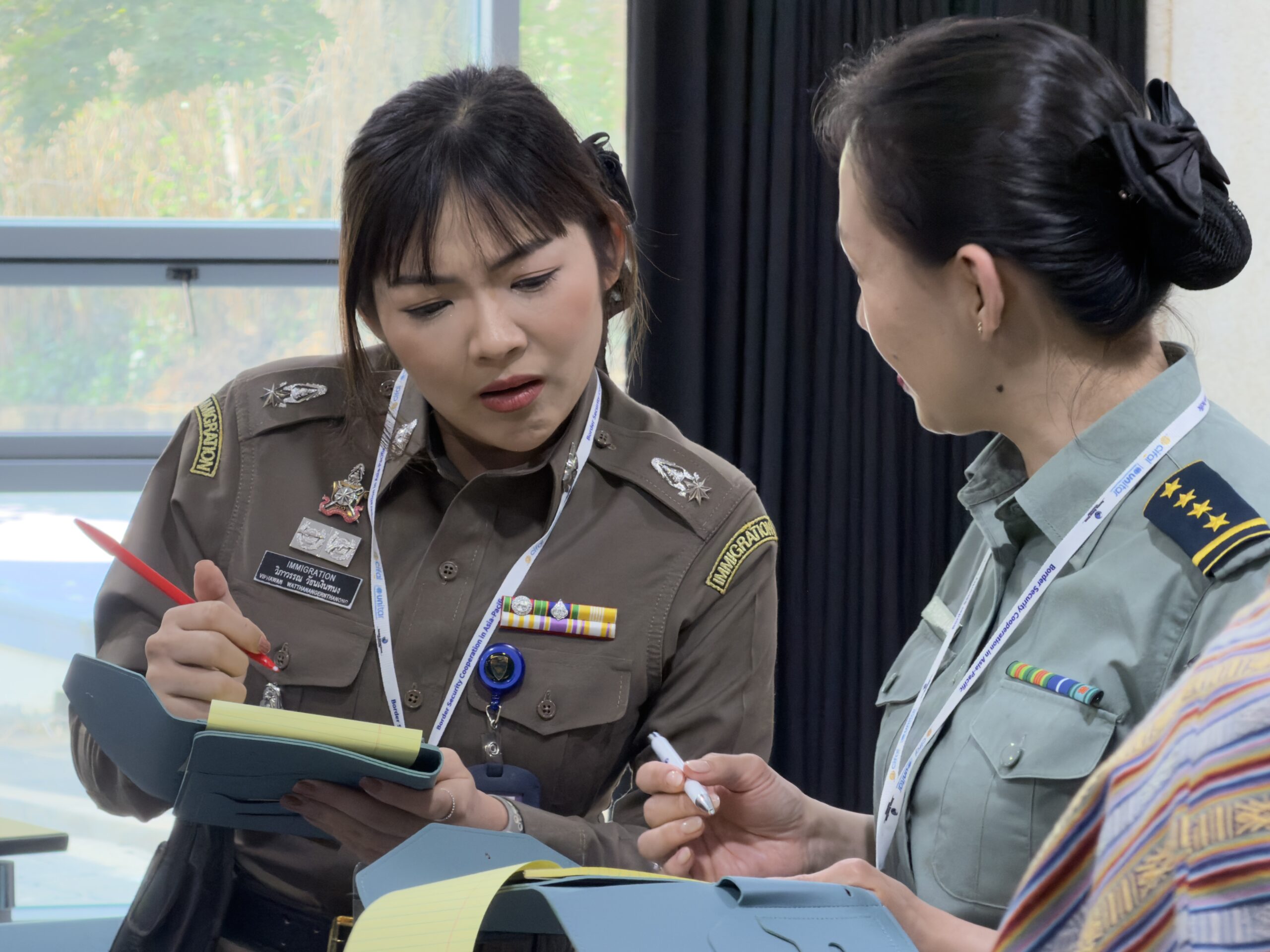
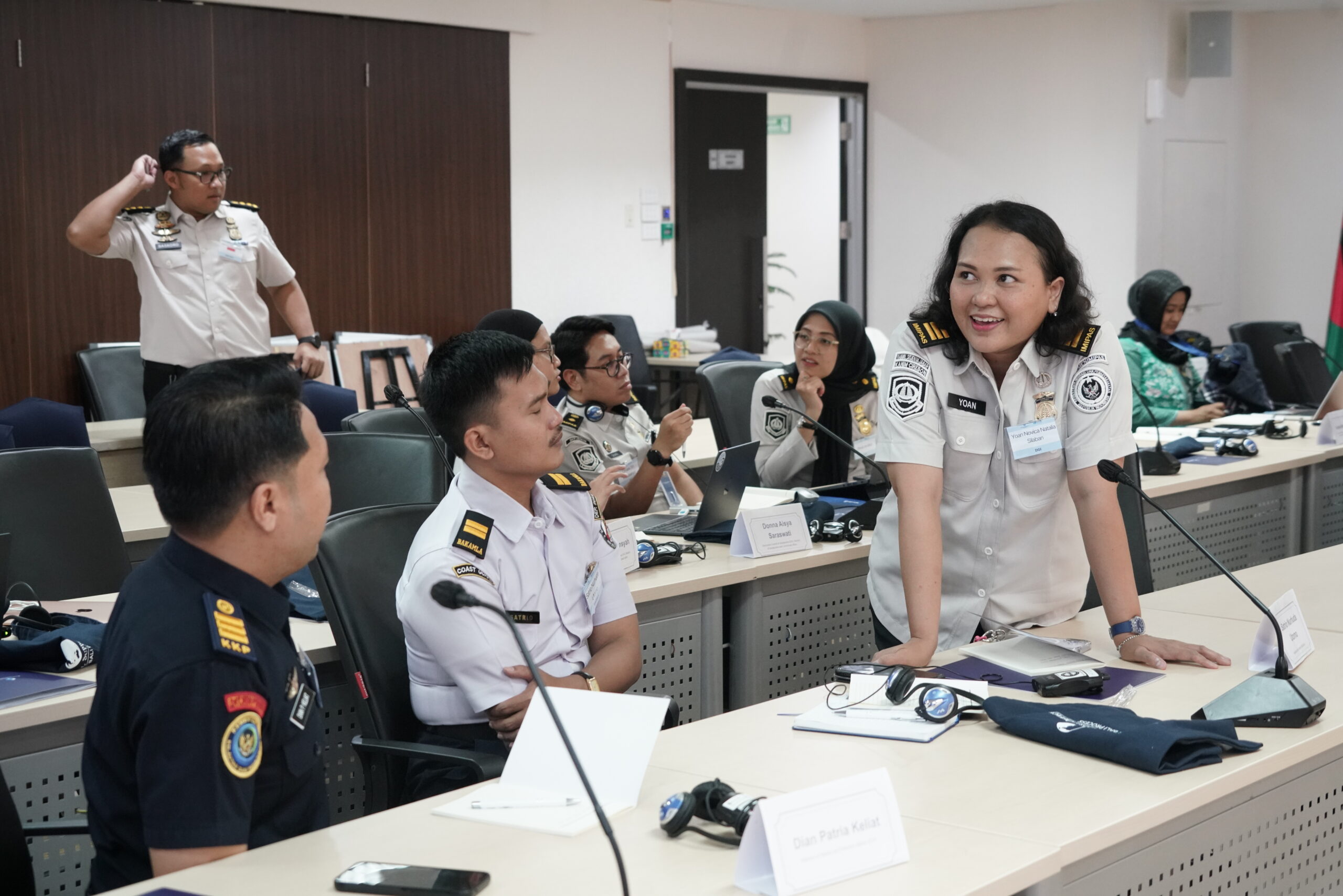
Through an interactive exercise called the Gallery Walk, delegates moved between country posters showcasing operational challenges and areas of expertise identified through a pre-Forum survey.
They exchanged experiences on risk assessment, information sharing, document verification, victim identification and criminal network disruption, while identifying expertise and solutions already available within the region. Discussions identified opportunities for joint training, the exchange of standard operating procedures, regular subregional engagement and practical simulation exercises.
The exercise also helped delegates identify areas of relevant expertise across the region and build direct professional connections, laying the groundwork for continued cooperation across Members States.

As the Fifth RSO Border Forum concluded, delegates left with new professional connections, practical examples from regional counterparts and opportunities to strengthen cooperation within and across their respective agencies.
Across two days, delegates identified common challenges that require sustained regional attention, including fragmented information systems, evolving criminal methodologies, need for additional technical resources and specialised training , and the need for stronger victim-centred protection mechanisms.
The conversations also pointed towards practical priorities for future cooperation, including establishing reliable information-sharing channels, strengthening legal and institutional frameworks, expanding targeted training and simulation exercises, and developing more coordinated approaches across the full migration journey.
The Forum reaffirmed that effective cross-border cooperation begins with trust, grows through sustained relationships, and translates into coordinated action. Building regional capability is critical to building regional resilience.
The outcomes and recommendations from the Forum will be shared with participants in an outcome document, and inform continued engagement among Bali Process Members, including the upcoming Constructive Dialogue in January 2027.