4 November 2026 • Bangkok, Thailand
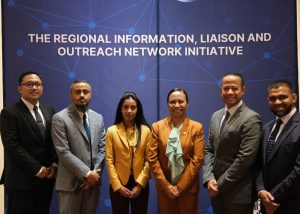
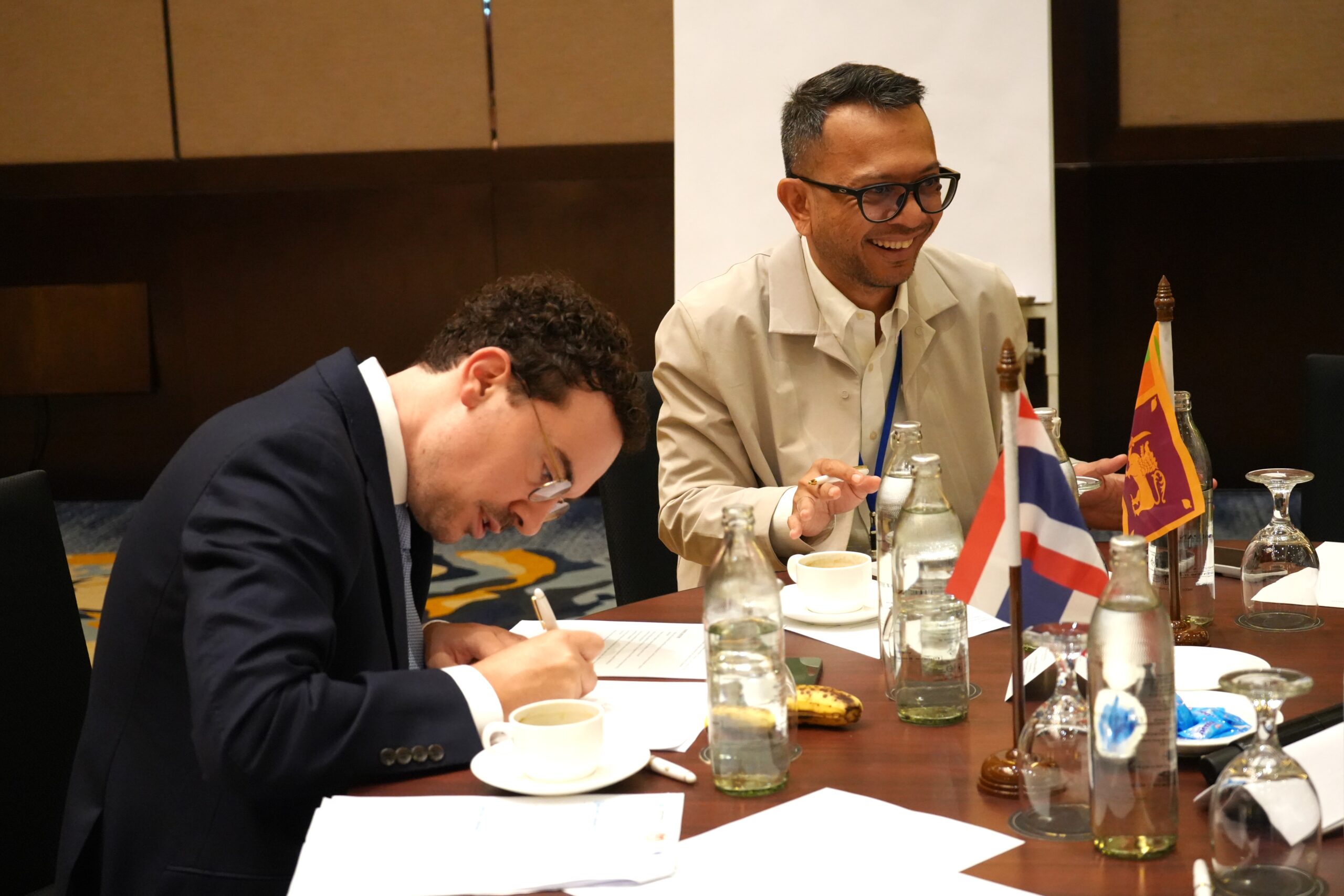
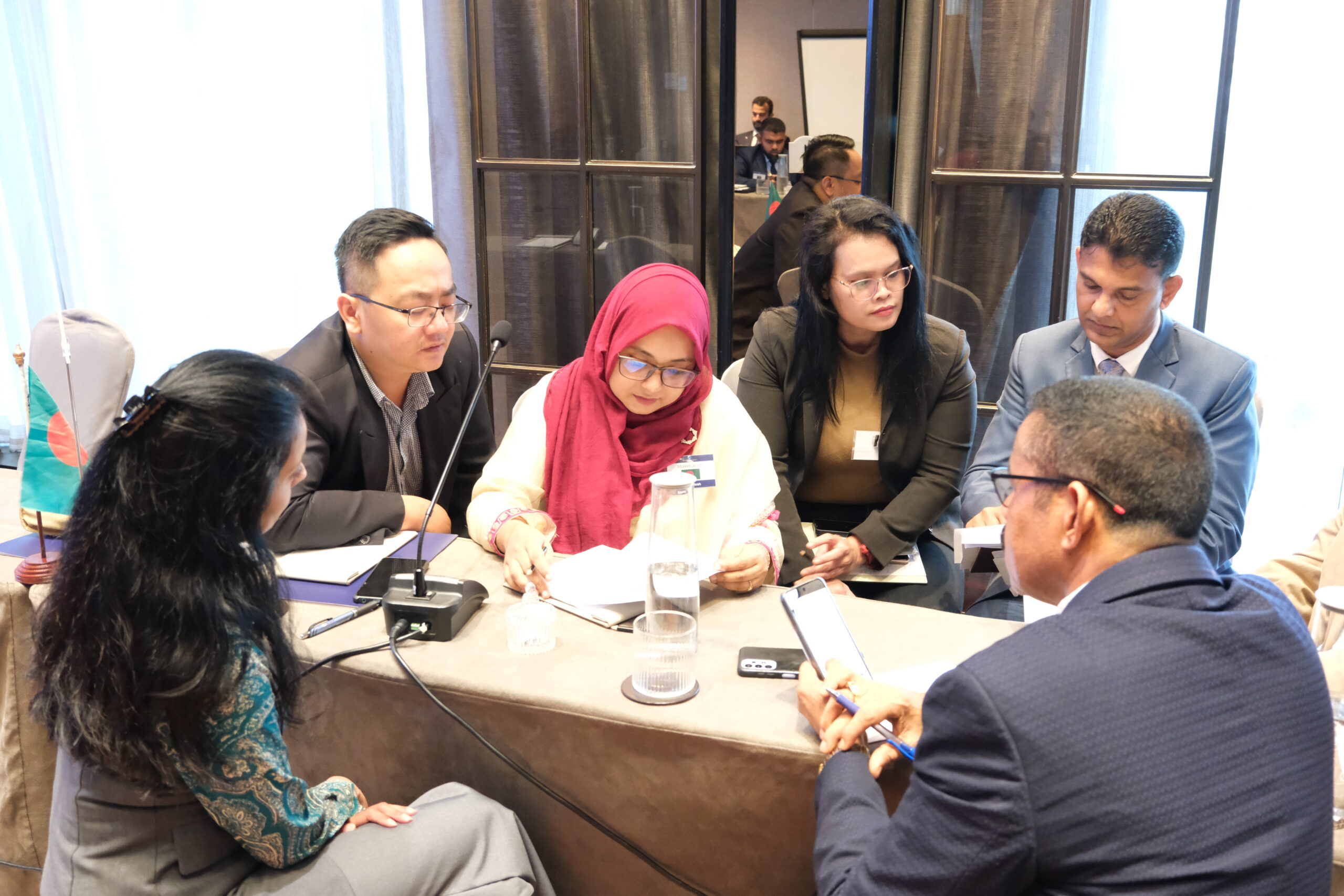
The Regional Support Office of the Bali Process convened the Close-Out Meeting of the Regional Information, Liaison and Outreach Network (RILON) Response Group on Irregular Migration and Maritime People Smuggling (IMMPS) in Bangkok. Response Group secondees from Australia, Bangladesh, Indonesia and Timor-Leste joined representatives of participating countries to review the Group’s work, examine emerging trends along the Bay of Bengal and Andaman Sea corridor, and agree priorities for continued cooperation.
The IMMPS Response Group, formally established in April 2026, presented findings from the first three quarters of 2026, highlighting how irregular migration and maritime people smuggling routes were becoming increasingly complex. Observations pointed to a shift away from predominantly maritime movements towards increasingly hybrid routes that combine air, land, and sea travel.
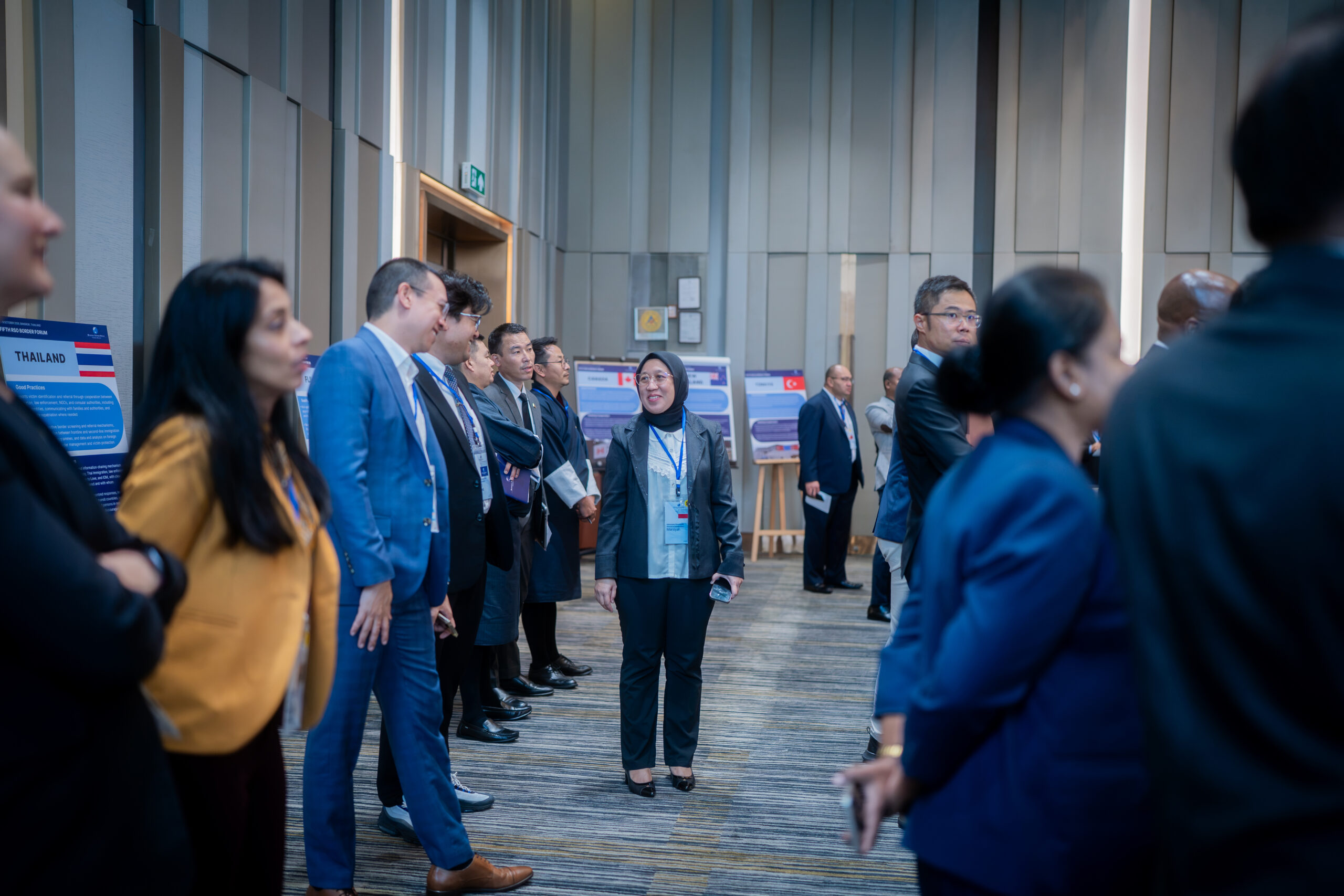
Discussions drew on RILON’s quarterly reporting through 2026, which shows smuggling networks adapting quickly to enforcement, visa policies, transit opportunities and weather. A pattern seen across all participating countries is the use of lawful travel, often by air, as the first stage of journeys that later continue irregularly, by sea or by other routes. The Fifth RSO Border Forum, held in Bangkok in October, looked at the same trends from an operational angle. It highlighted how information from communities, cooperation between agencies and intelligence sharing can help detect smuggling and support action before boats depart.
RILON secondees and representatives from participating countries exchanged national perspectives on movements across the region, from the Bay of Bengal and Andaman Sea to the routes towards Australia, and on the role of communities in early warning and prevention. By connecting the experience of origin, transit and destination countries, these exchanges underlined the value of a whole-of-route approach to tracking how movements and smuggling methods are evolving.
Timely information sharing at national and regional level is essential for preparedness and for coordinated, effective responses to irregular migration and people smuggling. Drawing on a mapping of national information flows carried out by the RILON secondees, participating countries shared how information on irregular migration and people smuggling moves between their agencies and across borders. The mapping identified the agencies that hold relevant information and the channels that work well in practice, including established bilateral police and border cooperation and working-level arrangements between field units. Participants identified opportunities to build on these foundations, including common reporting formats, closer coordination on maritime information and agreed procedures for exchanging non-sensitive information.
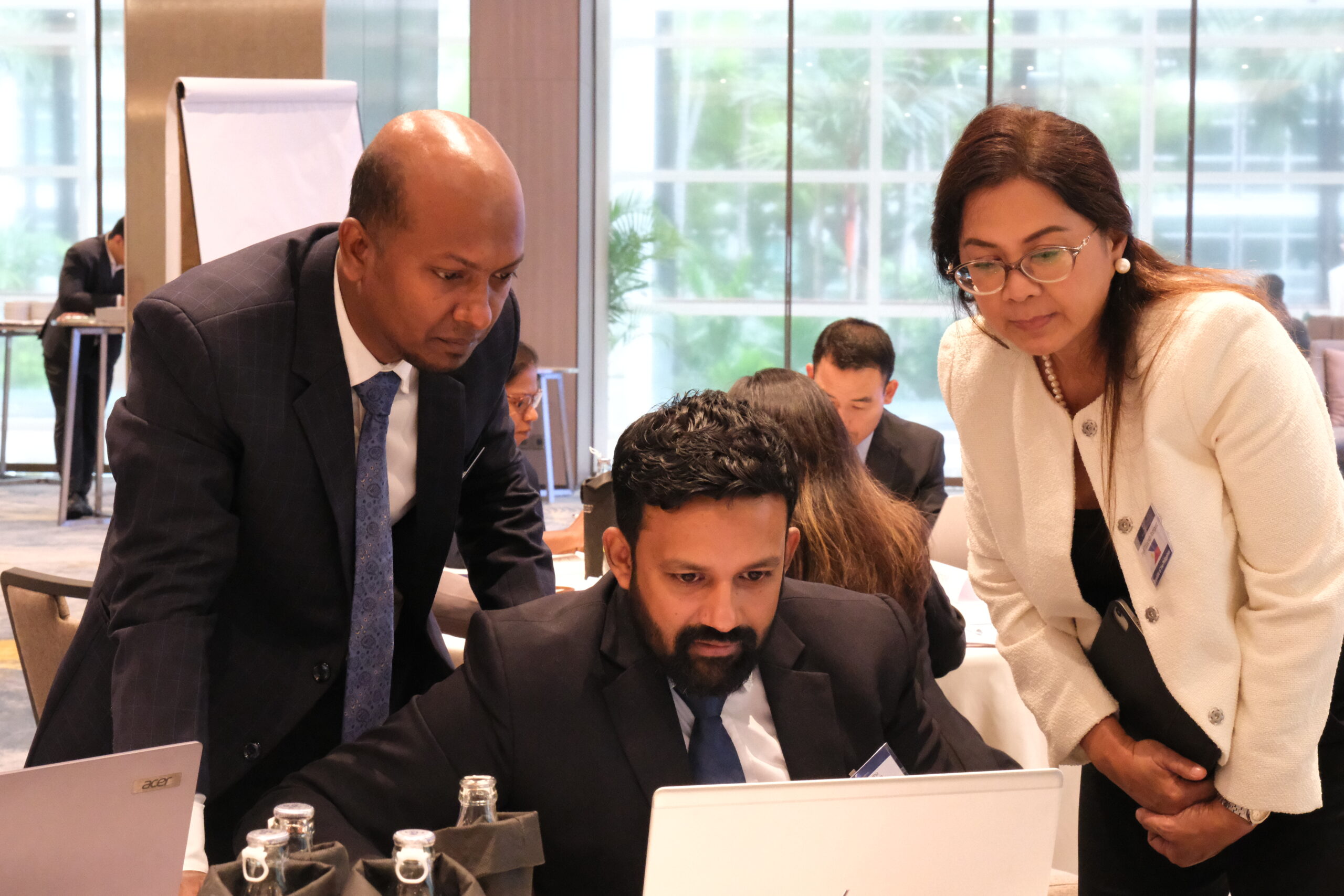
Discussions also highlighted the importance of secure communication channels in facilitating information exchange. Working side by side in Bangkok allowed secondees to build trust and exchange information more readily. Participants discussed how this experience could inform future arrangements for regular and secure communication between agencies.
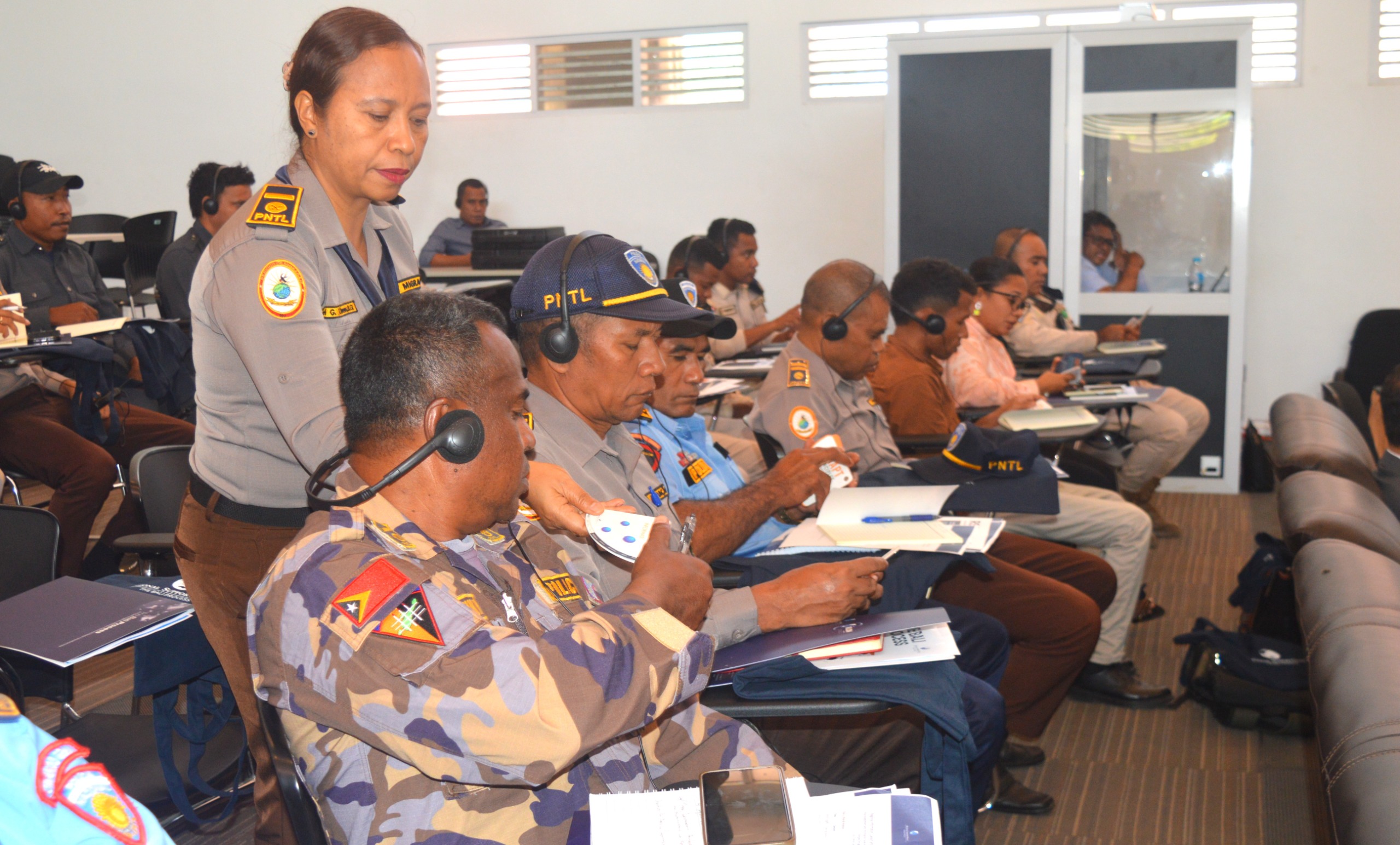
To address shared issues of fragmented national data, limited regional visibility of emerging trends and gaps in information-sharing across agencies, the RILON IMMPS Response Group developed a range of reporting and capacity-building outputs to strengthen regional analysis and cooperation. Quarterly trends and analysis reports brought together national information to identify whole of route trends and emerging patterns over time, while information briefs allowed RILON countries to exchange time-sensitive information about on significant developments or incidents. Training in Jakarta and Dili strengthened frontline officials’ risk analysis capabilities, while information-sharing roundtables brought government agencies and civil society organisations together to bridge gaps in information and perspectives. A comparative glossary has also been developed to promote greater consistency in operational and legal terminology.
Secondees connected their national agencies with regional counterparts, drawing together information from different sources and translating national observations into a wider regional picture. Participating countries also reflected on how RILON’s reporting and information products could inform national discussions, operational responses and longer-term policy considerations. The discussions spotlighted the importance of connecting the work of the Response Group with senior policy priorities from the outset and revisiting these connections at its conclusion, ensuring that regional analysis can inform policy discussions and subsequent action.
Participants identified several opportunities for continued cooperation, including common reporting templates, jointly developed information-sharing protocols, improved feedback mechanisms and joint analysis and practitioners exchange. There was also recognition of the importance of sustaining institutional relationships and national ownership to ensure that cooperation continues beyond individual secondment periods. These discussions, together with the lessons learned from the first RILON Response Group, were reflected in the final recommendations for future RILON groups, which participating countries reviewed and approved and which will inform the design of the next RILON IMMPS Response Group.
Over the past year, the Response Group has strengthened professional networks and built a shared understanding of irregular migration and maritime people smuggling across the region. The RSO thanks the RILON Secondees and participating governments for their valued contributions and support for the first RILON Response Group.