5-6 October 2026 • Bangkok, Thailand
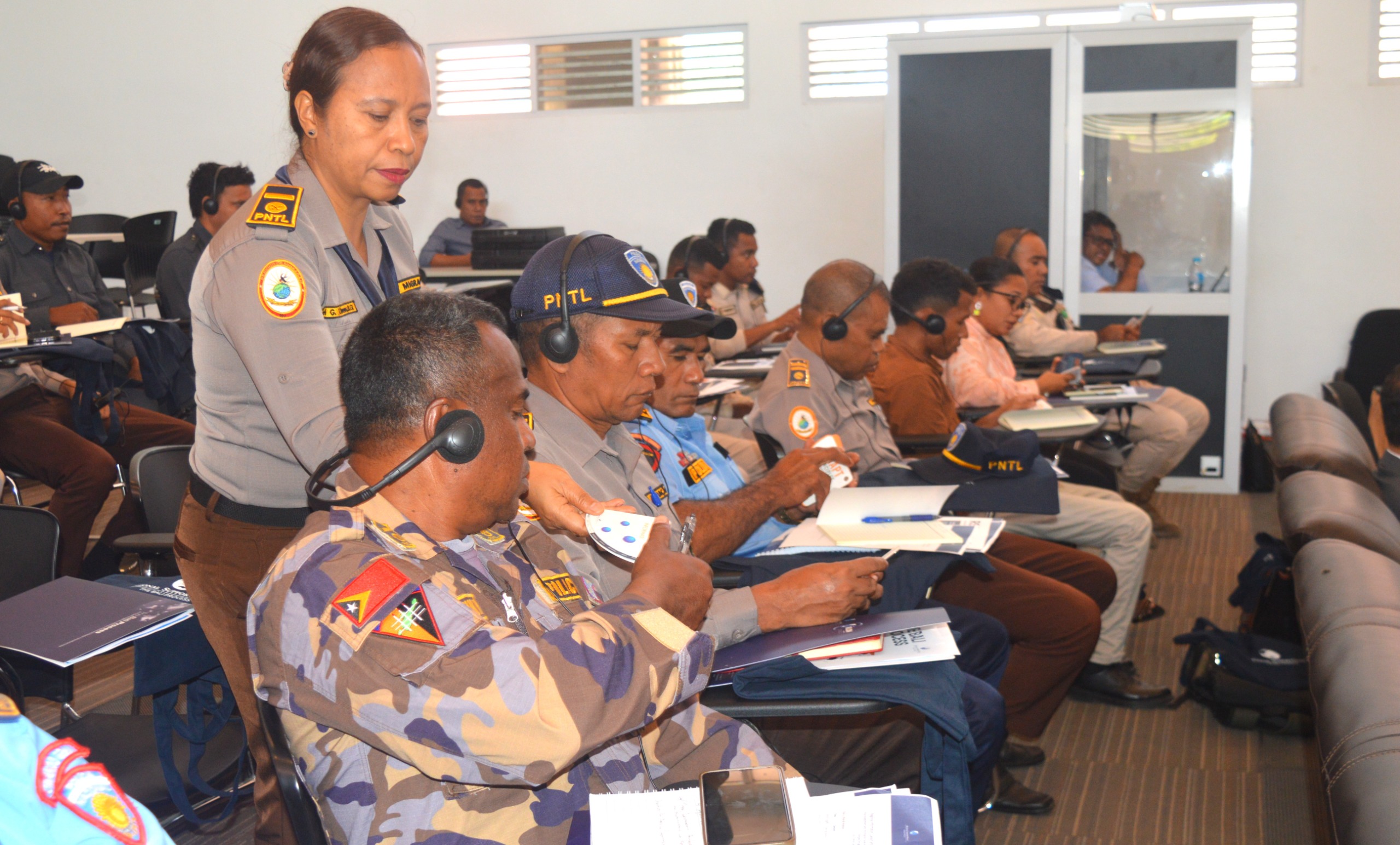
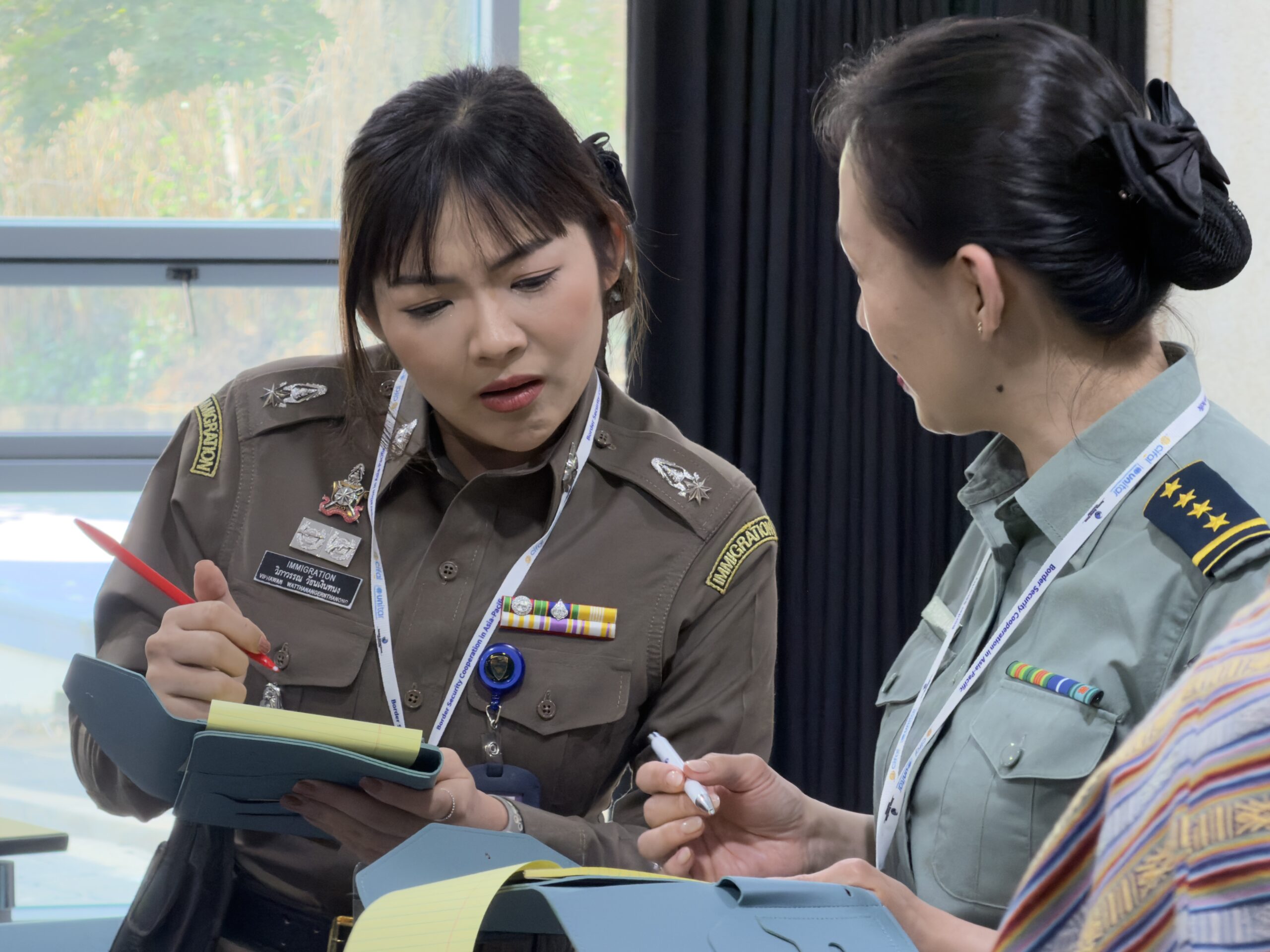
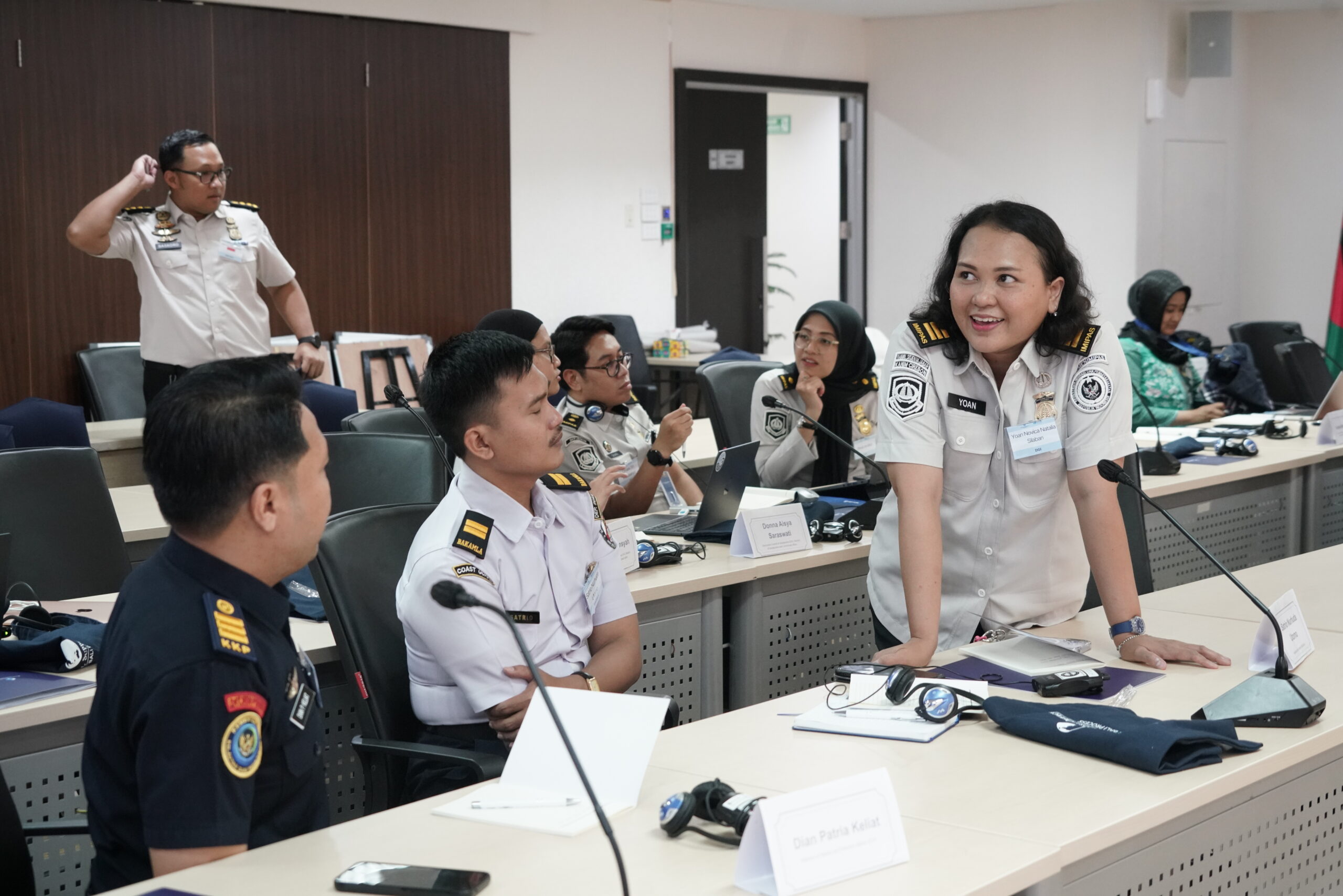
The RSO Alumni Camp 2026 brought together 19 members of the RSO Alumni Network from eight Bali Process Member States including Bangladesh, Bhutan, Indonesia, Maldives, the Philippines, Sri Lanka, Thailand and Timor-Leste.
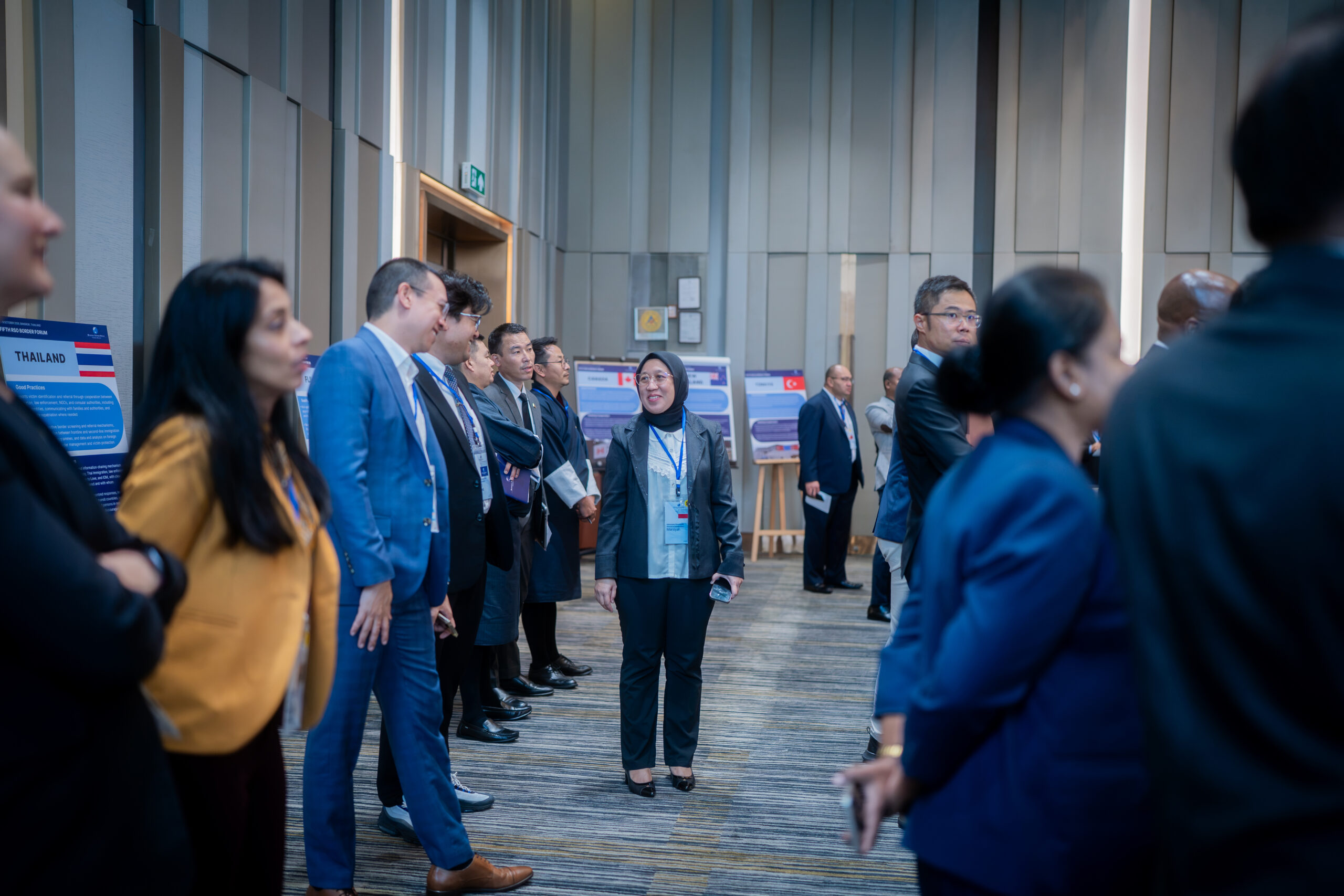
Held alongside the RSO Border Forum, the Camp focused on strengthening participants’ leadership, communication and mentoring skills, while creating opportunities to share good practices, learn from regional experiences and deepen cross-border cooperation. Through interactive and alumni-led sessions, the event aimed to strengthen professional connections and further develop the RSO Alumni Network as a sustainable community of practice supporting continued collaboration across the Bali Process region.
The RSO Alumni Network connects practitioners with diverse national, institutional, and operational experiences. These relationships are particularly valuable in addressing people smuggling, trafficking in persons and related transnational crime, where effective responses depend on cooperation across jurisdictions and agencies.
Opening the Camp, H.E. Pablo Kang, Australian Ambassador to the Kingdom of Thailand, emphasised that regional cooperation ultimately depends on people and relationships. He encouraged alumni to draw on different perspectives and build connections that could support their work beyond the event.
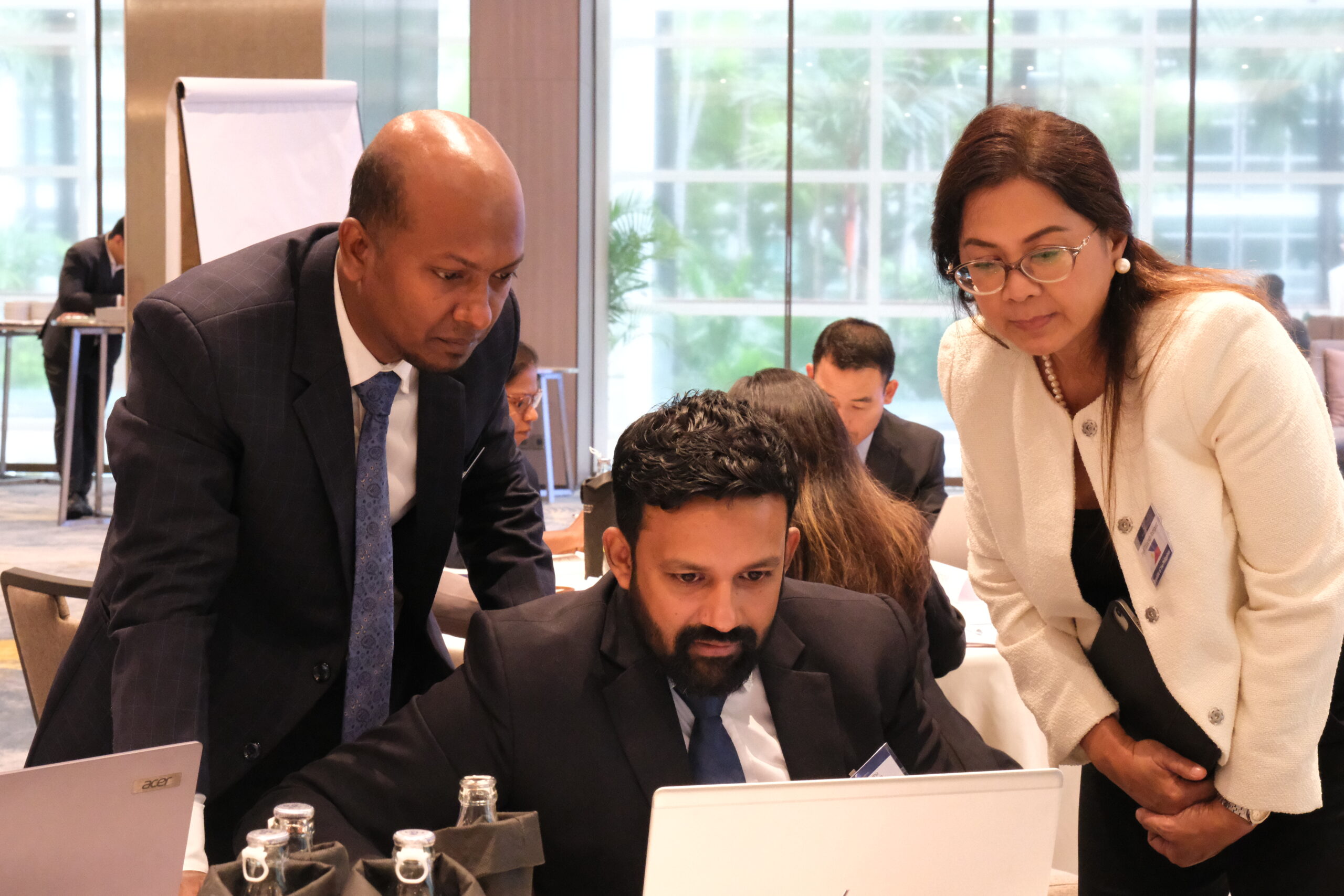
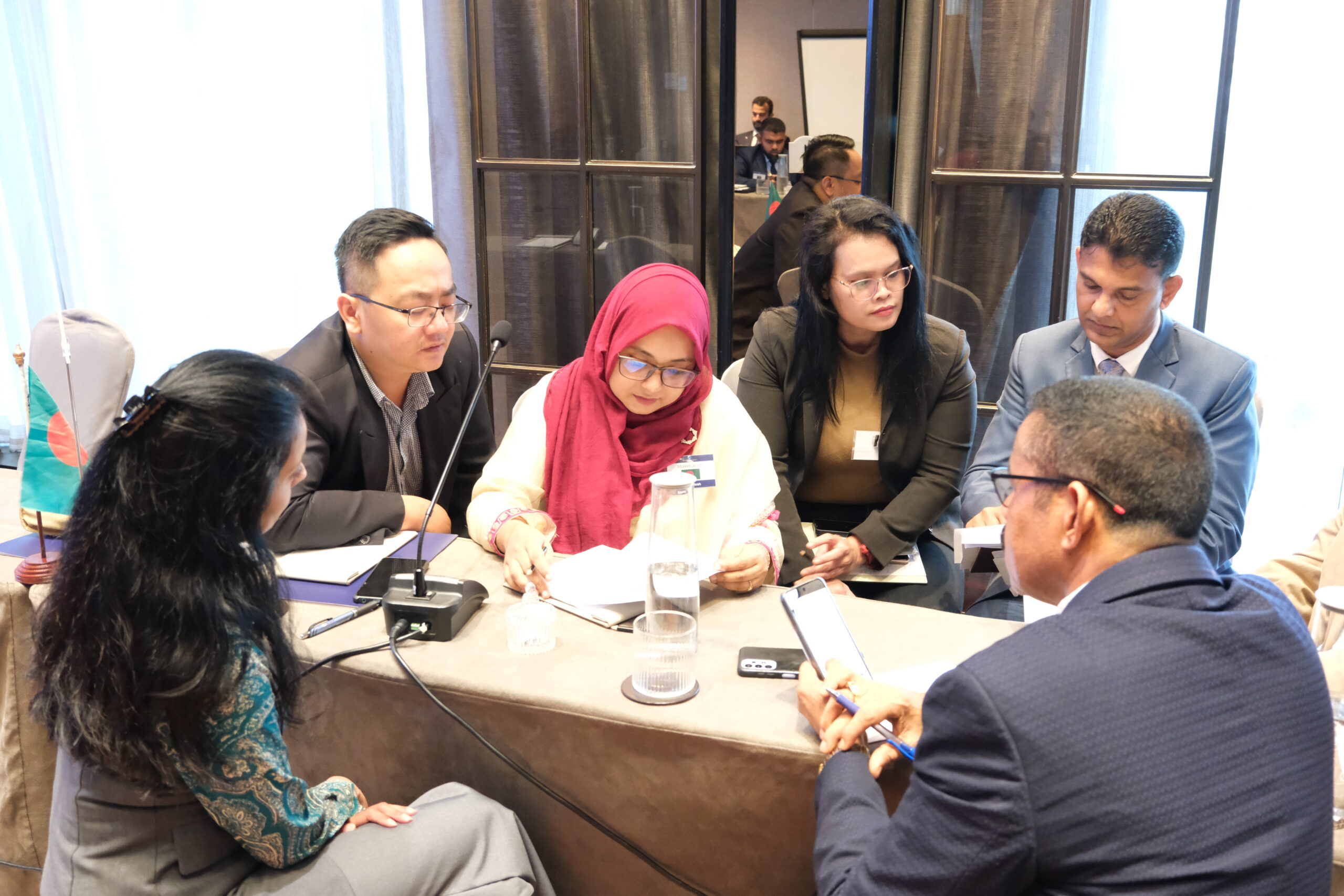
Through collaborative exercises, discussions and informal exchanges, participants shared experiences, identified common challenges, and explored opportunities for stronger cross-border coordination.
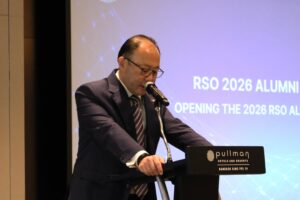
H.E. Pablo Kang, Australian Ambassador to Thailand, delivers opening remarks at RSO Alumni Camp 2026
The Camp combined technical learning with leadership development, ensuring that alumni have a platform to build on their technical knowledge and leadership abilities.
The sessions explored emerging technologies, including how AI and digital platforms are transforming trafficking and smuggling operations. Participants also took part in a practical workshop on identifying and verifying digital information using open-source intelligence (OSINT), as well as a simulation focused on victim protection, evidence preservation, and cross-border coordination.
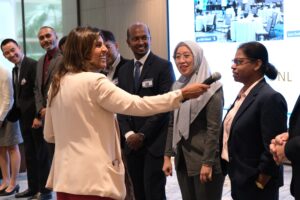
Alumni participate in an energiser led by Namitha Jacob from the RSO
Leadership and communication skills were an equal focus on the learning agenda. Michiko Ito from IOM Thailand explored leadership in evolving migration contexts, highlighting that effective leaders work from data, balance the interests of migrants and host communities, favour pragmatism over theory and tailor their message to each audience. Workshops on elevator pitches and visual storytelling helped strengthen the participants’ ability to communicate evidence and influence stakeholders. Participants practiced elevator pitches for varied audiences including youth job seekers, government officials, civil society organisations and rural job seekers, and used Canva to design visuals that support a clear call to action.
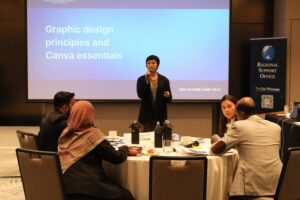
Participants strengthen their graphic design skills in a Canva session facilitated by Wendy Htet from the RSO
A highlight was the alumni-led Lessons from the Field session, where Agus Abdul Majid, Deputy Director for International Cooperation, Directorate General of Immigration, Indonesia, and Kasun Kapurubandara, Immigration Investigations Officer, Sri Lanka, and current RSO Secondee, reflected on the importance of trusted professional relationships in supporting cross-border cooperation.
Both secondees were previously part of the Alumni Network, illustrating how RSO capacity-building and secondment initiatives complement one another. Their experiences demonstrated how alumni can evolve from training participants into contributors, sharing knowledge and supporting subsequent groups of practitioners.
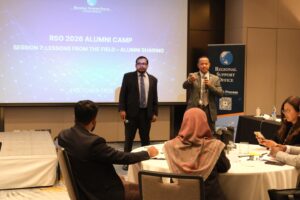
Former and current RSO secondees share lessons and experiences from the field
Beyond formal sessions, the Camp offered alumni an opportunity to explore leadership through the “Market of Leadership: A Culinary Quest”. Navigating Bangkok’s local markets, participants drew parallels between local flavours and leadership qualities, selecting dishes that reflected skills they valued in their own leadership journeys. The activity encouraged teamwork, communication, cultural sensitivity and inclusive decision-making through shared experiences.
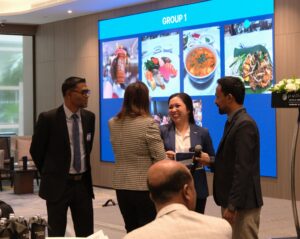
Participants present key takeaways from the Culinary Quest exercise
The Camp concluded with return-to-work action planning, facilitated by RSO Programme Manager Nazakat Ali, and a collaborative discussion led by Namitha Jacob on strengthening the Alumni Network. Participants identified opportunities for regular engagement, targeted capacity-building, peer learning and improved channels for sharing expertise, building on the RSO Knowledge Hub.
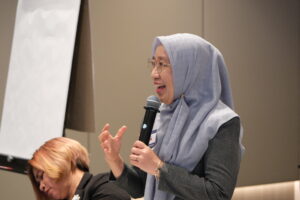
As RSO Co-Manager (Australia) Ben Reeves emphasised in his closing remarks, the Network’s value lies not simply in its size, but in how members use their connections, share experiences and apply learning within their institutions.
By sustaining these relationships year after year, the RSO Alumni Network helps preserve knowledge, strengthen peer-to-peer support, and nurture a community of practitioners equipped to advance regional cooperation.
To find out more, please contact the RSO at info@rso.baliprocess.net.