17-18 September 2026 • Kuala Lumpur, Malaysia
People smuggling networks across South and Southeast Asia are becoming more digital, decentralised, and harder to track and disrupt. They use networks of facilitators to move people across land borders, coastlines and airports, and quickly adapt when enforcement tightens. For Bali Process Member States, responses need to be equally connected across agencies, borders and jurisdictions to support the disruption of these networks.

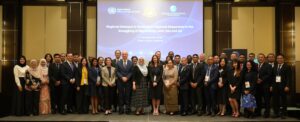
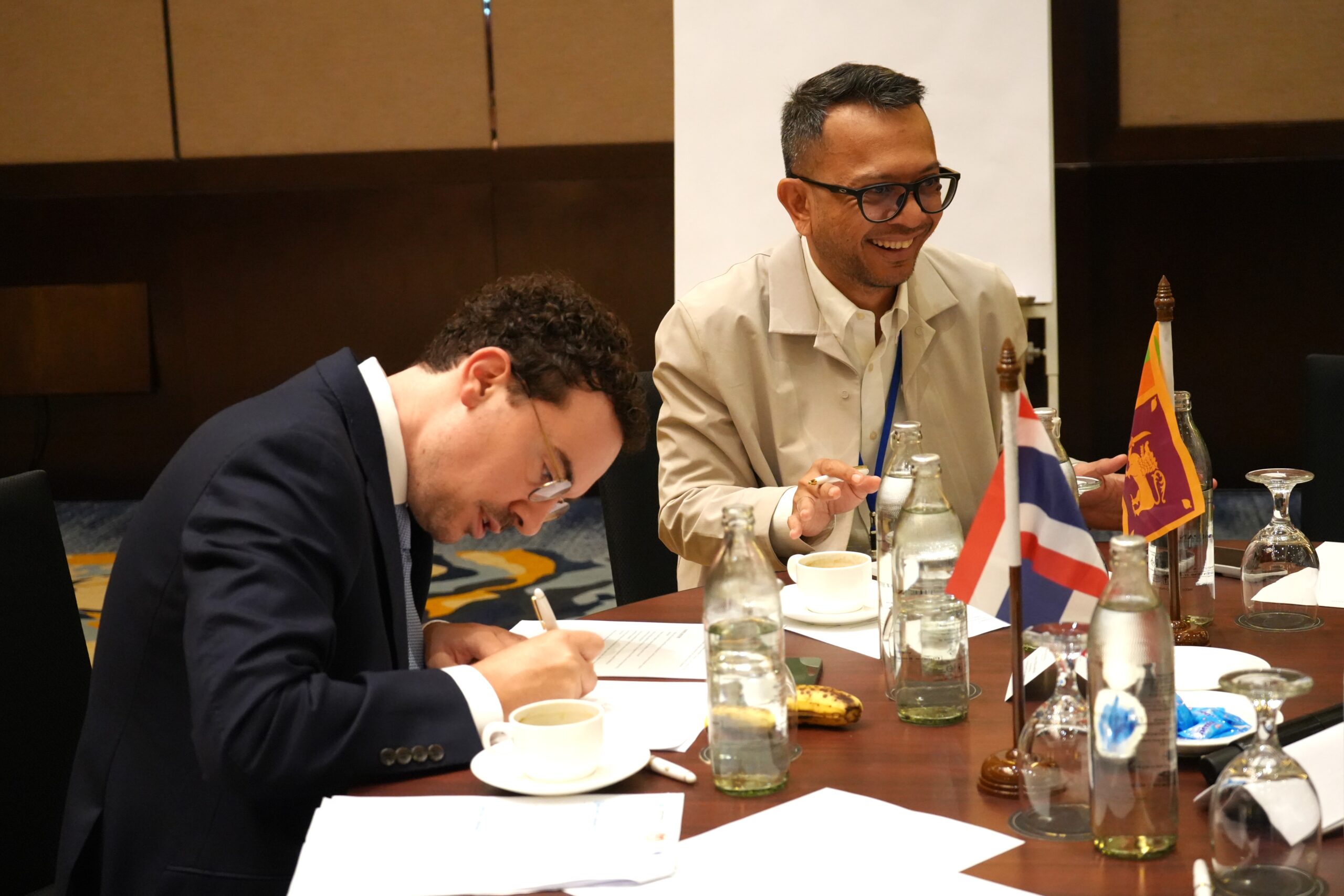
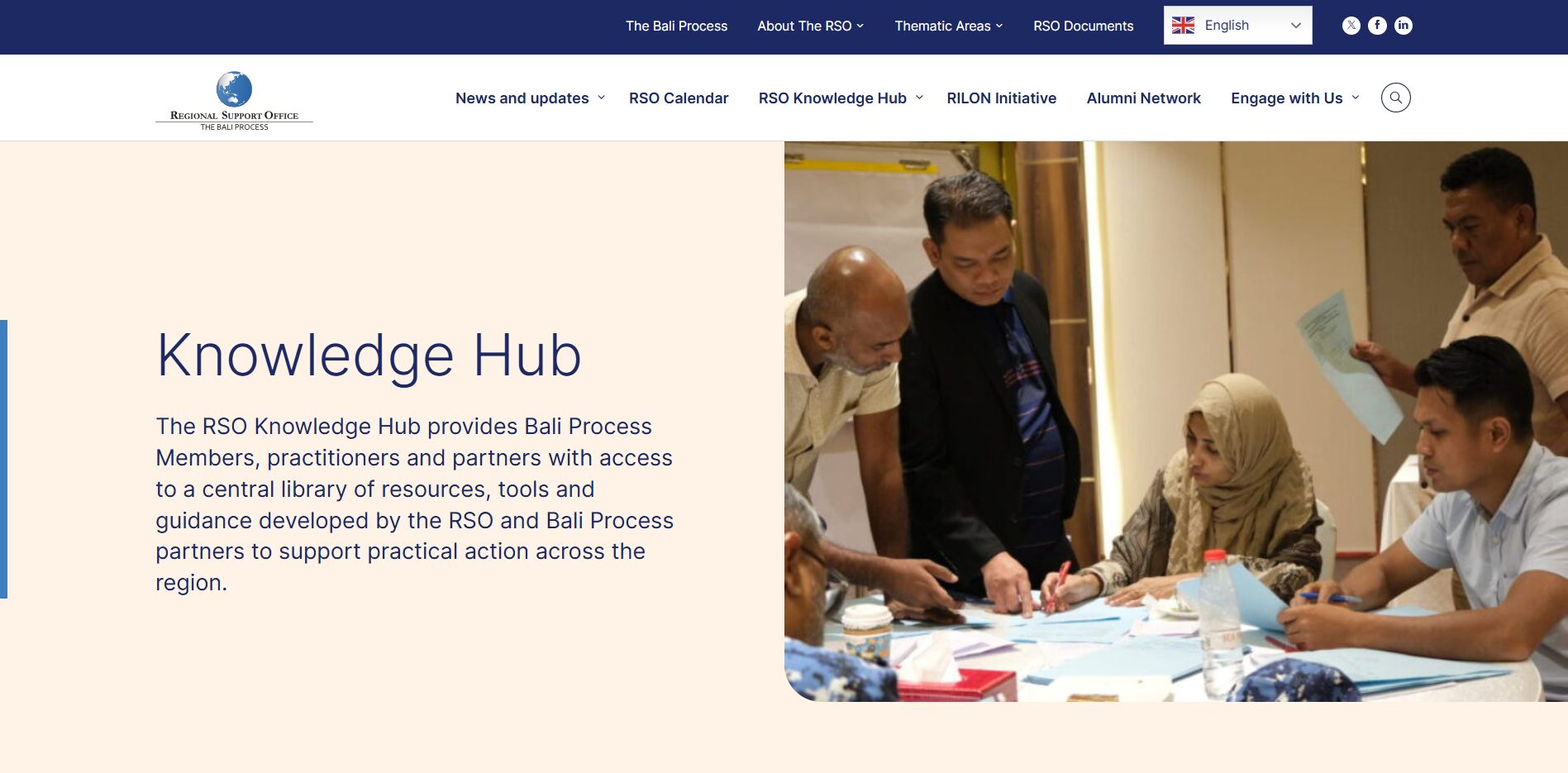
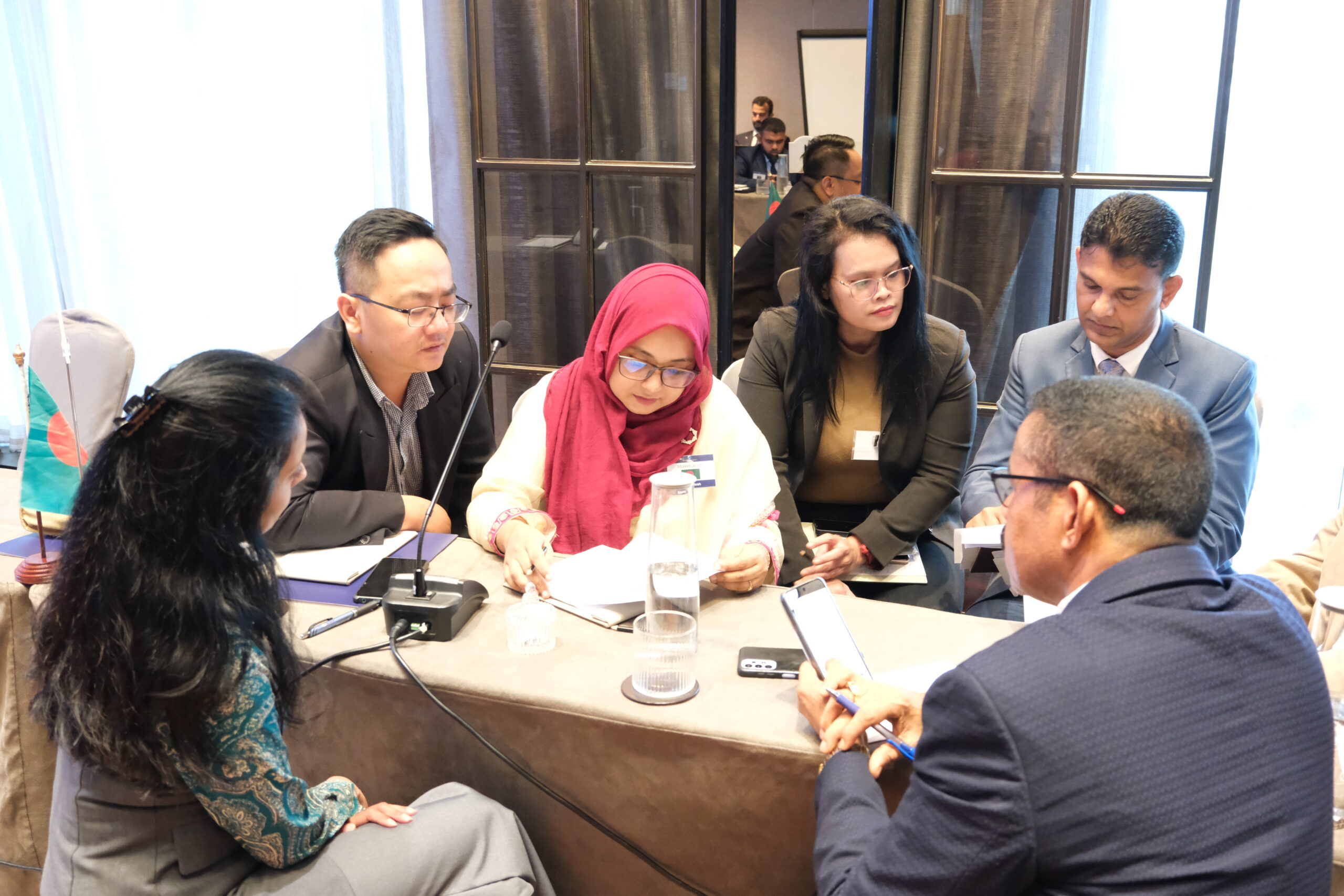
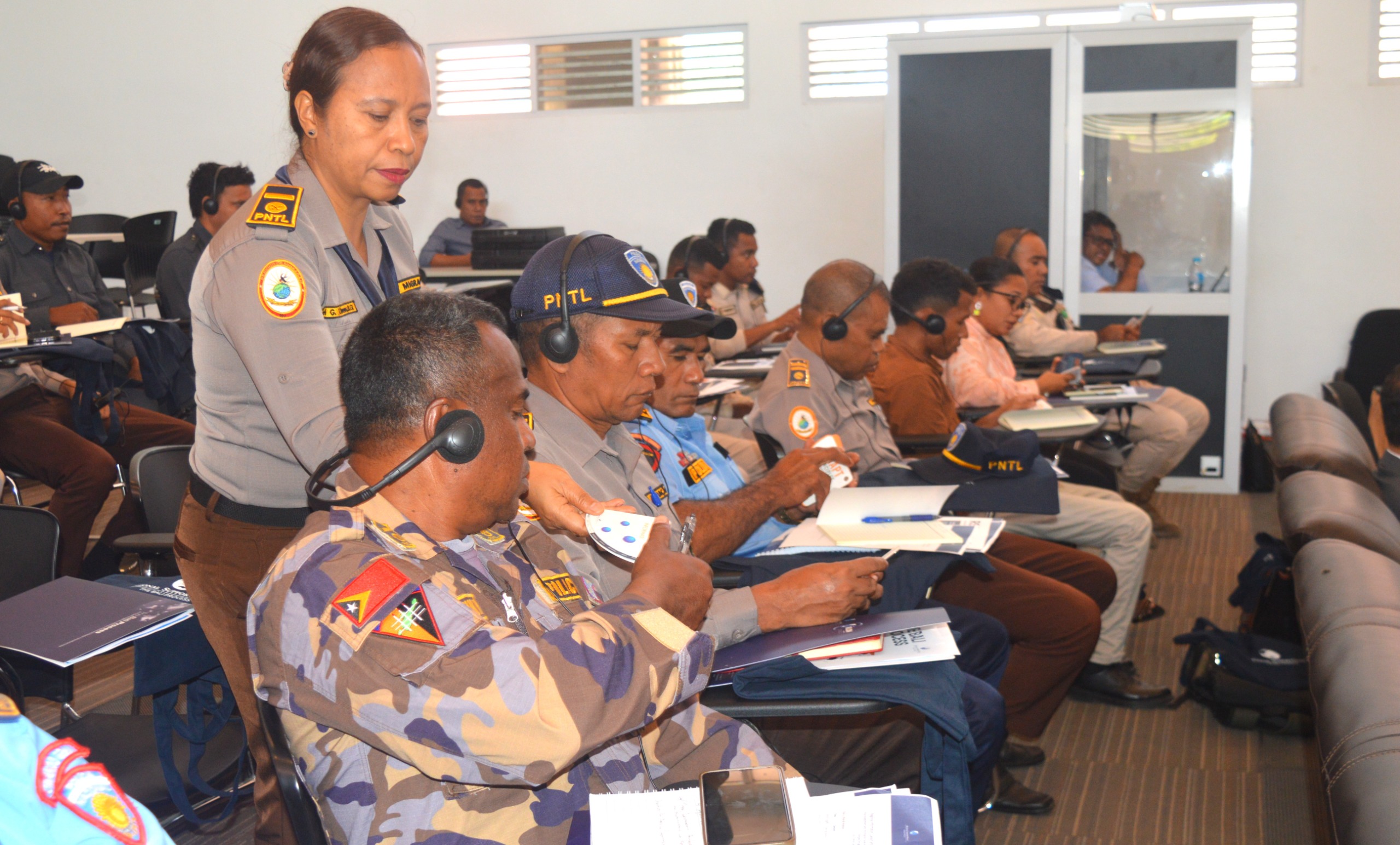
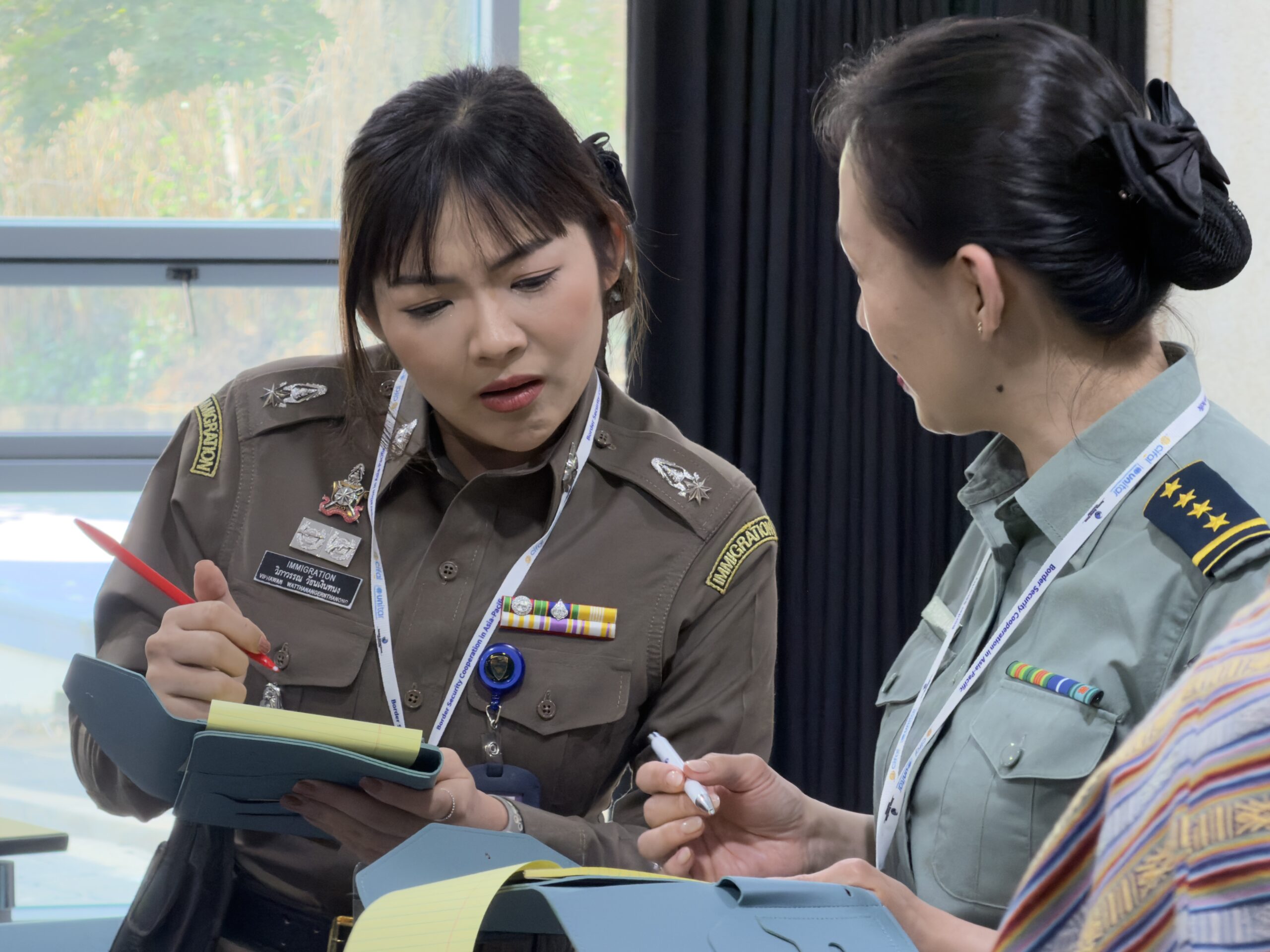
To strengthen coordinated responses across most affected countries, the Regional Dialogue to Strengthen Regional Responses to the Smuggling of Migrants by Land, Sea and Air convened 12 Bali Process Members States, international organisations, and academic institutions for two-days in Kuala Lumpur. The Dialogue was co-organised by United Nations Office on Drugs and Crime (UNODC), Malaysia’s National Strategic Office of the Council for Anti-Trafficking in Persons and Anti-Smuggling of Migrants (NSO MAPO), and the Regional Support Office of the Bali Process (RSO).
Building on the RSO’s Focus Group Discussion on Irregular Maritime Ventures and People Smuggling Futures held in Bangkok in July which examined maritime smuggling networks and the technologies reshaping them – the Regional Dialogue widened the focus from maritime movement to all three domains-land, sea and air- and moved from examining emerging trends towards identifying practical priorities for regional cooperation.
Recent research findings shared during the Dialogue by the Mixed Migration Centre highlighted that only 30 per cent of more than 1,300 respondents who had undertaken mixed-migration journeys to Indonesia, Malaysia and Thailand, were aware of legal migration pathways available from their countries of departure before migrating. Among those who had considered a legal pathway, the most common challenge was a lack of information. MMC noted that these findings indicate the growing need for accurate information, protection and viable alternatives as preventive measures, alongside stronger enforcement capacity.
Participants noted that social media and encrypted messaging platforms are increasingly used to recruit and coordinate, often through false promises of employment. Fraudulent or altered travel and identity documents also remain a persistent challenge, and networks are organised in multiple tiers with reported links between migrant smuggling, trafficking and online scam operations.
Practitioners stressed that the movement of people is only the visible part of the crime. Sessions on criminal networks, intelligence and investigations highlighted the value of targeting the facilitators and financial structures behind smuggling ventures, not only frontline actors. Approaches discussed included intelligence-led disruption, financial investigations and, increasingly, digital and cryptocurrency tracing.
Participants also noted that every Member State has unique experiences in countering people smuggling, which help form part of a wider intelligence picture, and that no single agency or country holds the complete picture—making cooperation key to effective responses.
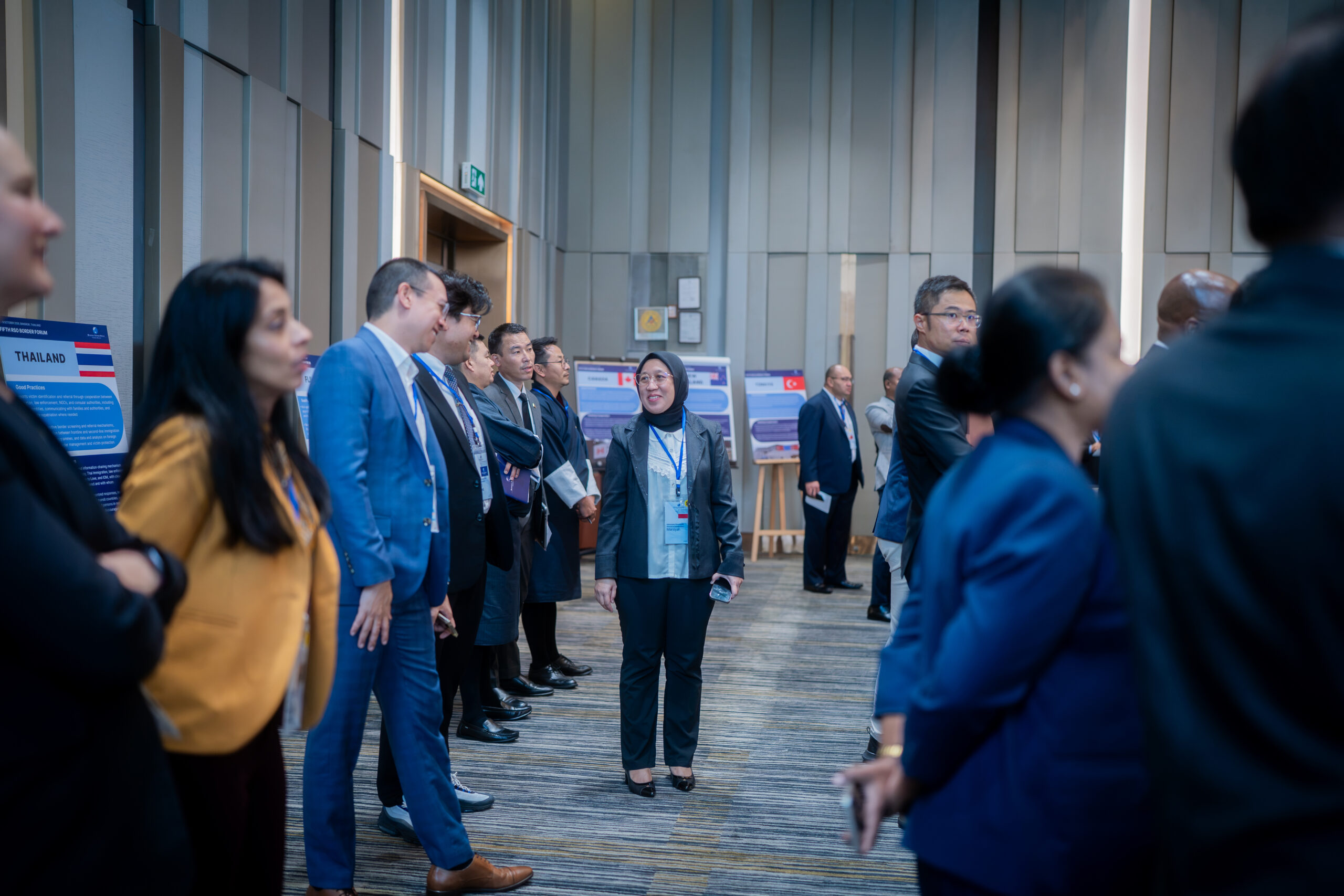
Panels on regional cooperation and national responses examined how Member States already work together through bilateral arrangements, joint maritime operations and regional policing mechanisms, and where gaps remain. A recurring message was that the priority is not necessarily to create new mechanisms, but to strengthen interoperability between existing ones. Practical enablers included clearly designated focal points, real-time notification channels, and feedback loops following the operationalisation of intelligence. Speakers also shared national reforms, from new legislation distinguishing smuggling from trafficking to whole-of-government coordination and public awareness campaigns. They also highlighted the importance of correctly identifying and referring vulnerable people in need of protection, including victims of trafficking and smuggled migrants, so that appropriate protection and referral pathways can be applied.

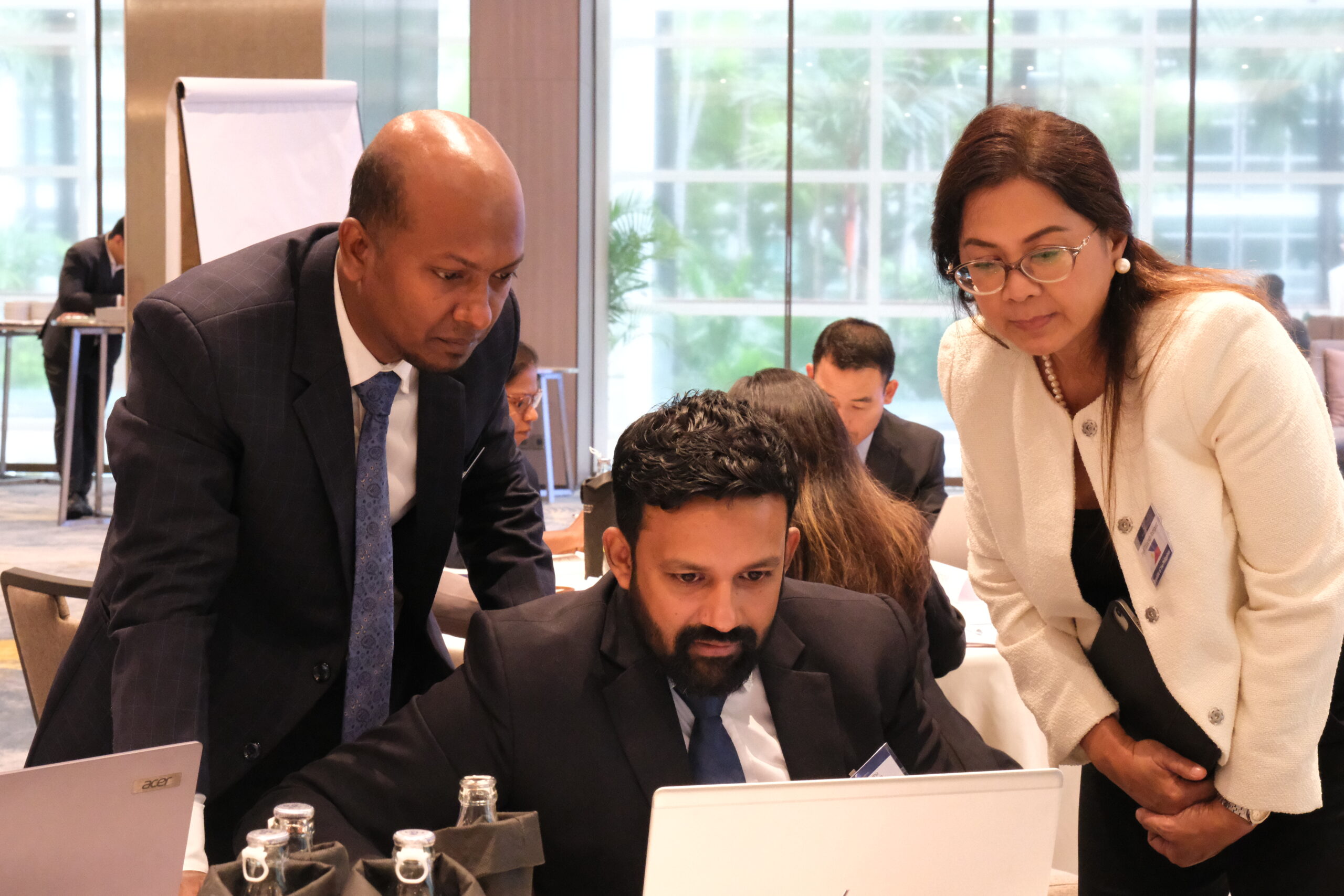
In facilitated group discussions, participants identified common challenges, including limited inter-agency coordination, fragmented information sharing, resource constraints and the absence of standard operating procedures and contingency plans. They then proposed practical priorities for regional cooperation, including a regional network of designated focal points for people-smuggling coordination; a training-of-trainers and targeted training platform; consolidation of bilateral information-exchange arrangements into longer-term multilateral frameworks; harmonised operational guidelines and shared definitions; and improved migration mapping and forecasting.

Many of these priorities align with work already underway at the RSO. The Regional Information, Liaison and Outreach Network (RILON) Initiative brings together focal points from Member State law enforcement, border, immigration and maritime agencies around priority challenges. Its Maritime People Smuggling Response Group brings together officers seconded to the RSO in Bangkok, providing foundation for the timely, trusted and actionable information sharing.
The RSO will explore how this existing foundation could support the focal-point network proposed during the Dialogue, as well as how we can establish the foundational cohort for a regional training-of-trainers platform. This approach would build on existing regional networks rather than establish parallel mechanisms.
“The ‘sailing season’ ahead of us will not wait for reports or recommendations. But you leave here with something concrete: a shared and current picture of the challenge, a stronger network of counterparts across the region, and a set of priorities you have shaped yourselves. That is exactly the foundation the RSO exists to help you build on.” – Ben Reeves, RSO Co-Manager.
The Regional Dialogue reinforced the importance of continued regional cooperation to disrupt migrant smuggling networks while ensuring that people on the move are appropriately protected. To translate these priorities into action, the RSO will continue to explore technical capacity-building opportunities in the coming months, with a focus on equipping practitioners with practical skills, tools and cross-border connections to detect, investigate and disrupt migrant smuggling.